
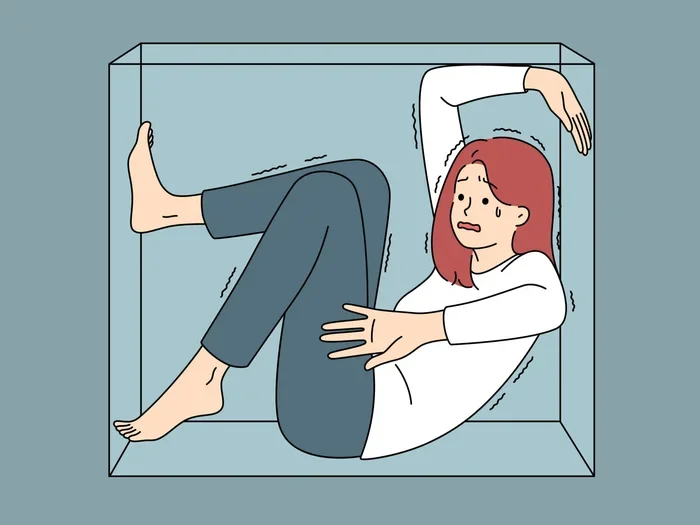
Cleithrophobia is an intense fear of being trapped or confined that can severely impact daily life and relationships. This comprehensive guide explores the signs, causes, and proven solutions to help you understand and overcome this challenging anxiety disorder.
Fear of being trapped, known as cleithrophobia, affects millions of people worldwide and can turn everyday situations into terrifying experiences. Imagine feeling your chest tighten every time you step into an elevator or experiencing overwhelming panic when sitting in a crowded movie theater. This intense fear goes beyond simple discomfort. It can control your decisions, limit your opportunities, and strain your closest relationships. In this guide, we will explore what cleithrophobia really means, how to recognize its signs, and most importantly, what you can do to reclaim your freedom and peace of mind.
Understanding this phobia is the first step toward overcoming it. Whether you suspect you have cleithrophobia or you are trying to support someone who struggles with confinement anxiety, this article provides practical insights and actionable strategies. We will break down the difference between cleithrophobia and similar phobias, examine its root causes, and share proven techniques that mental health professionals recommend. By the end, you will have a clear roadmap for managing this fear and living a fuller, less restricted life.
Key Takeaways
- Cleithrophobia is distinct from claustrophobia — it focuses on the fear of being trapped rather than just small spaces.
- Physical symptoms include rapid heartbeat, sweating, and panic attacks when facing confinement situations.
- Childhood trauma and past experiences often contribute to the development of this phobia.
- Cognitive behavioral therapy and exposure therapy are highly effective treatment options.
- Self-help strategies like breathing techniques and grounding exercises can provide immediate relief during episodes.
- This phobia can significantly impact romantic relationships and social interactions if left untreated.
- Professional help is recommended when the fear interferes with daily functioning and quality of life.
📑 Table of Contents
- What Is Cleithrophobia Understanding The Fear Of Being Trapped
- Common Signs And Symptoms Of Cleithrophobia
- What Causes The Fear Of Being Trapped
- How Cleithrophobia Affects Relationships And Daily Life
- Proven Solutions For Overcoming Cleithrophobia
- Self-Help Strategies For Managing Cleithrophobia
- When To Seek Professional Help
- Supporting Someone With Cleithrophobia
- Long-Term Outlook For People With Cleithrophobia
- Conclusion
What Is Cleithrophobia Understanding The Fear Of Being Trapped
Cleithrophobia is an anxiety disorder characterized by an irrational and intense fear of being trapped, confined, or unable to escape from a situation. The word comes from the Greek “kleithro” meaning “to shut in” and “phobos” meaning “fear.” Unlike general anxiety, this phobia triggers extreme panic responses when a person perceives they cannot leave or escape from their current environment.
This condition affects people differently. Some individuals feel trapped in physical spaces like elevators, airplanes, or crowded rooms. Others experience the fear in abstract situations such as commitments, relationships, or even job positions. The common thread is the overwhelming sensation of being stuck with no way out.
How Cleithrophobia Differs From Claustrophobia
Many people confuse cleithrophobia with claustrophobia, but they are not the same thing. Claustrophobia is specifically the fear of small or enclosed spaces. Cleithrophobia, on the other hand, centers on the fear of being trapped regardless of the space size.
Consider this example. A claustrophobic person might feel fine in a large basement with multiple exits. Someone with cleithrophobia could feel perfectly comfortable in a small room as long as the door is unlocked and they can leave whenever they want. The key difference lies in the perceived ability to escape, not the physical dimensions of the space.
This distinction matters because treatment approaches may vary. While both conditions benefit from similar therapeutic techniques, understanding the specific trigger helps therapists design more effective intervention plans.
Common Signs And Symptoms Of Cleithrophobia

Visual guide about trapped in enclosed space
Image source: thumbs.dreamstime.com
Recognizing the signs of cleithrophobia is essential for seeking appropriate help. Symptoms typically fall into two categories: physical and psychological. They can range from mild discomfort to full-blown panic attacks depending on the severity of the phobia and the triggering situation.
Physical Symptoms
When someone with cleithrophobia faces a trapping situation, their body activates the fight-or-flight response. Common physical symptoms include:
- Rapid heartbeat or palpitations that feel overwhelming
- Shortness of breath or hyperventilation
- Excessive sweating even in cool environments
- Trembling or shaking throughout the body
- Nausea or stomach distress that appears suddenly
- Dizziness or lightheadedness that can lead to fainting
- Chest tightness or pain that mimics heart attack symptoms
- Numbness or tingling in the extremities
These physical responses can be terrifying in themselves. Many people end up in emergency rooms convinced they are having a heart attack when they are actually experiencing a severe anxiety episode triggered by their phobia.
Psychological Symptoms
The mental and emotional symptoms of cleithrophobia can be equally debilitating. They often include:
- Intense panic or dread when thinking about confinement
- Overwhelming need to escape from the current situation
- Fear of losing control or going crazy
- Feelings of detachment from reality or oneself
- Catastrophic thinking about worst-case scenarios
- Avoidance behaviors that limit daily activities
- Anticipatory anxiety about future trapping situations
These psychological symptoms often create a vicious cycle. The fear of experiencing panic leads to avoidance, which reinforces the phobia and makes it stronger over time.
What Causes The Fear Of Being Trapped

Visual guide about trapped in enclosed space
Image source: thumbs.dreamstime.com
Understanding the root causes of cleithrophobia helps in developing effective treatment strategies. This phobia rarely develops from a single cause. Instead, it usually results from a combination of genetic, environmental, and psychological factors.
Traumatic Experiences
One of the most common causes of cleithrophobia is a past traumatic experience involving confinement or entrapment. These experiences might include:
- Being locked in a closet or small room during childhood
- Getting stuck in an elevator for an extended period
- Being trapped in a car accident or natural disaster
- Experiencing confinement during abuse or neglect
- Getting lost in a crowded place as a child
The brain creates powerful associations between the traumatic event and the feeling of being trapped. Even years later, similar situations can trigger intense fear responses as the brain attempts to protect the person from perceived danger.
Genetic And Biological Factors
Research suggests that anxiety disorders, including specific phobias, can run in families. If a close relative has an anxiety disorder or phobia, you may be more likely to develop cleithrophobia. This genetic predisposition affects how your brain processes fear and stress responses.
Brain chemistry also plays a significant role. Imbalances in neurotransmitters like serotonin and dopamine can make some people more susceptible to developing phobias. Additionally, an overactive amygdala, the brain’s fear center, can cause exaggerated responses to perceived threats.
Learned Behavior And Environmental Influences
Sometimes cleithrophobia develops through learned behavior. Children who observe a parent or caregiver displaying extreme fear of confinement may internalize that response. Media portrayals of trapping situations can also contribute to the development of this phobia.
Growing up in an overprotective environment where exploration and independence were discouraged can also increase vulnerability. When children never learn to navigate challenging situations confidently, they may develop exaggerated fears about being unable to escape.
How Cleithrophobia Affects Relationships And Daily Life

Visual guide about trapped in enclosed space
Image source: thumbs.dreamstime.com
The impact of cleithrophobia extends far beyond moments of acute panic. This condition can reshape a person’s entire lifestyle, affecting career choices, social interactions, and romantic relationships in profound ways.
Impact On Romantic Relationships
Fear of being trapped can create significant challenges in romantic partnerships. People with cleithrophobia may struggle with commitment because long-term relationships feel like a form of entrapment. They might:
- Avoid serious relationships altogether to prevent feeling stuck
- Feel suffocated by normal relationship expectations
- Struggle with cohabitation or moving in with a partner
- Experience anxiety during important relationship milestones
- Push partners away when relationships deepen
This pattern can be confusing and painful for both partners. If you recognize these patterns in yourself, understanding that strategies for overcoming the fear of being single can also help address the underlying anxiety about commitment and confinement in relationships.
Career And Social Limitations
Cleithrophobia can limit career opportunities and social experiences. People with this phobia might avoid jobs that require travel, working in confined spaces, or attending meetings in small rooms. Social situations like concerts, parties, or group activities may feel overwhelming.
Over time, these avoidance behaviors can lead to isolation and missed opportunities. The person may turn down promotions, skip important events, or withdraw from friendships to avoid triggering situations. This shrinking world can contribute to depression and further anxiety.
Proven Solutions For Overcoming Cleithrophobia
The good news is that cleithrophobia is highly treatable. With the right approach, most people can significantly reduce their symptoms and regain control over their lives. Here are the most effective treatment options recommended by mental health professionals.
Cognitive Behavioral Therapy
Cognitive behavioral therapy, or CBT, is considered the gold standard for treating specific phobias including cleithrophobia. This approach helps you identify and challenge the irrational thoughts that fuel your fear.
During CBT sessions, you will learn to:
- Recognize distorted thinking patterns about confinement and entrapment
- Challenge catastrophic predictions with evidence and logic
- Develop balanced perspectives about trapping situations
- Build coping skills for managing anxiety in real-time
- Gradually change behavioral responses to feared situations
Research shows that CBT produces lasting results for most people with specific phobias. Many clients report significant improvement within 12 to 20 sessions, though some may need additional support.
Exposure Therapy
Exposure therapy is another highly effective treatment for cleithrophobia. This approach involves gradually and systematically facing feared situations in a controlled, safe environment. The goal is to desensitize your fear response over time.
A typical exposure therapy plan might look like this:
- Creating a fear hierarchy ranking situations from least to most anxiety-provoking
- Starting with mild exposures like imagining being in a locked room
- Progressing to moderate exposures like sitting in a room with a closed door
- Advancing to challenging exposures like riding an elevator with a therapist
- Maintaining gains through regular practice and real-world application
Exposure therapy works because it teaches your brain that the feared outcome rarely happens. Each successful exposure weakens the fear response and builds confidence in your ability to cope.
Medication Options
In some cases, medication can help manage severe symptoms of cleithrophobia. While medication alone rarely cures a phobia, it can make other treatments more effective by reducing overall anxiety levels.
Commonly prescribed medications include:
- Selective serotonin reuptake inhibitors (SSRIs) for ongoing anxiety management
- Benzodiazepines for short-term relief during acute episodes
- Beta-blockers to control physical symptoms like rapid heartbeat
Always consult with a psychiatrist or physician before starting any medication. They can help you weigh the benefits and potential side effects based on your specific situation.
Self-Help Strategies For Managing Cleithrophobia
Professional treatment is important, but self-help strategies play a crucial role in managing cleithrophobia day to day. These techniques can provide immediate relief during anxiety episodes and support long-term recovery.
Breathing Techniques
Controlled breathing is one of the most powerful tools for calming the nervous system during a panic episode. When fear strikes, your breathing becomes shallow and rapid, which intensifies physical symptoms. Deliberate breathing techniques counteract this response.
Try the 4-7-8 breathing method:
- Inhale through your nose for 4 seconds
- Hold your breath for 7 seconds
- Exhale slowly through your mouth for 8 seconds
- Repeat this cycle 3 to 4 times
This technique activates the parasympathetic nervous system, which promotes calm and relaxation. Practice it regularly so it becomes automatic when you need it most.
Grounding Exercises
Grounding techniques help you stay present and connected to reality during moments of intense fear. They redirect your attention away from catastrophic thoughts and toward your immediate environment.
The 5-4-3-2-1 grounding method is particularly effective:
- Identify 5 things you can see around you
- Identify 4 things you can physically feel
- Identify 3 things you can hear
- Identify 2 things you can smell
- Identify 1 thing you can taste
This exercise forces your brain to process sensory information instead of spiraling into fear. It can be done anywhere and provides quick relief during anxiety episodes.
Progressive Muscle Relaxation
Progressive muscle relaxation involves tensing and then releasing different muscle groups throughout your body. This technique reduces physical tension that accumulates during anxiety and promotes overall relaxation.
To practice progressive muscle relaxation:
- Find a comfortable position and close your eyes
- Tense the muscles in your feet for 5 seconds, then release
- Move upward through your body tensing and releasing each muscle group
- Notice the contrast between tension and relaxation
- End with deep breathing and a moment of stillness
Regular practice makes this technique more effective over time. Many people find it helpful to practice before bed or during calm moments so they can access the skill more easily during stressful situations.
When To Seek Professional Help
While self-help strategies are valuable, there are times when professional intervention is necessary. Recognizing when to seek help is an important step in your recovery journey.
Signs You Need Professional Support
Consider reaching out to a mental health professional if:
- Your fear interferes with daily activities like work, school, or relationships
- You avoid important situations because of your phobia
- Self-help strategies provide minimal relief after consistent practice
- You experience frequent panic attacks that feel unmanageable
- Your social life has significantly narrowed due to avoidance behaviors
- You feel depressed or hopeless about your condition
- Substance use has increased as a way to cope with anxiety
There is no shame in seeking help. Mental health professionals specialize in treating phobias and can provide personalized guidance based on your unique needs. If you are struggling with overwhelming anxiety, learning how to stop being afraid of everything through professional support can be transformative.
Finding The Right Therapist
Not all therapists specialize in anxiety disorders and phobias. When searching for professional help, look for someone with specific experience treating cleithrophobia or similar conditions.
Consider these factors when choosing a therapist:
- Specialization in anxiety disorders and specific phobias
- Training in evidence-based approaches like CBT and exposure therapy
- Experience with your specific type of phobia or anxiety
- Communication style that feels comfortable and supportive
- Practical considerations like location, availability, and cost
Many therapists offer free initial consultations. Use this opportunity to ask questions and determine if they are a good fit for your needs.
Supporting Someone With Cleithrophobia
If someone you love struggles with cleithrophobia, your support can make a significant difference in their recovery. Understanding how to help without enabling avoidance is key to being truly supportive.
How To Help Without Enabling
Supporting someone with a phobia requires a delicate balance. You want to be compassionate without reinforcing their avoidance behaviors.
Here are ways to provide meaningful support:
- Listen without judgment when they express their fears
- Validate their feelings without agreeing with irrational thoughts
- Encourage professional help when appropriate
- Offer to accompany them to therapy sessions or anxiety-provoking situations
- Celebrate small victories and progress along the way
- Be patient with setbacks as recovery is rarely linear
Avoid forcing them into feared situations before they are ready. This can traumatize them further and damage trust. Instead, encourage gradual steps toward facing their fears with professional guidance.
What Not To Say
Even well-meaning comments can be hurtful to someone with cleithrophobia. Avoid phrases that minimize their experience or suggest their fear is irrational.
Steer clear of statements like:
- “Just relax, it is not a big deal”
- “You are being ridiculous”
- “Just face your fears and get over it”
- “Other people have real problems”
- “There is nothing to be afraid of”
Instead, offer empathetic responses like “I can see this is really difficult for you” or “How can I help you feel safer right now?” These validate their experience while offering genuine support.
Long-Term Outlook For People With Cleithrophobia
The prognosis for cleithrophobia is generally very positive with proper treatment. Most people who engage in therapy and practice self-help strategies experience significant improvement in their symptoms and quality of life.
Building Resilience Over Time
Recovery from cleithrophobia is not just about eliminating fear. It is about building resilience and developing a new relationship with anxiety. Over time, you learn to experience fear without being controlled by it.
Key elements of long-term recovery include:
- Consistent practice of coping skills even after symptoms improve
- Gradual exposure to feared situations to maintain progress
- Ongoing self-awareness to catch and address relapse early
- Healthy lifestyle habits that support mental wellness
- Strong support system of understanding friends and family
Many people find that overcoming cleithrophobia makes them stronger overall. The skills they develop in managing this specific fear often translate to greater confidence in handling other life challenges.
Preventing Relapse
Like many anxiety conditions, cleithrophobia can have periods of remission and recurrence. Stressful life events, major transitions, or new traumas can trigger a return of symptoms even after successful treatment.
To reduce the risk of relapse:
- Continue practicing coping strategies even when feeling well
- Maintain regular check-ins with a therapist if recommended
- Address new stressors proactively before they escalate
- Stay connected to your support network during difficult times
- Recognize early warning signs and seek help promptly
Remember that seeking help during a flare-up is not a failure. It is a smart, proactive step in managing your mental health long-term.
Conclusion
Cleithrophobia, the intense fear of being trapped, can feel overwhelming and isolating, but it does not have to define your life. By understanding the signs and symptoms, recognizing the underlying causes, and implementing proven treatment strategies, you can break free from the constraints of this phobia. Whether through cognitive behavioral therapy, exposure techniques, self-help strategies, or professional support, effective solutions exist and recovery is absolutely possible.
Taking the first step toward addressing your fear is often the hardest part. But every small victory builds momentum toward lasting change. If you or someone you love struggles with cleithrophobia, remember that help is available and healing is within reach. You deserve to live a life not limited by fear but enriched by freedom and possibility.
Frequently Asked Questions
What is Fear Of Being Trapped Cleithrophobia?
Fear Of Being Trapped Cleithrophobia is an important topic with many practical applications.
