
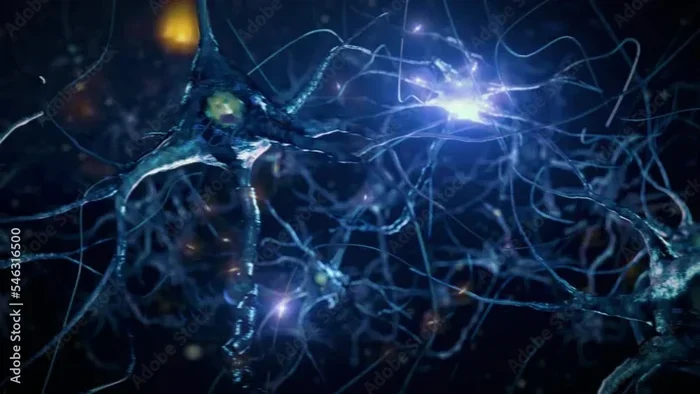
The gate control theory of pain revolutionized how scientists understand pain perception, showing that pain isn’t just about tissue damage—it’s about how your brain processes signals. This groundbreaking theory explains why rubbing an injury reduces pain and opens doors to non-medical pain management strategies that work with your nervous system.
Imagine stubbing your toe and immediately rubbing it. Within seconds, the sharp agony fades. Why? The answer lies in one of neuroscience’s most fascinating discoveries—the gate control theory of pain. This revolutionary concept changed everything we thought we knew about how the human body experiences and manages pain. Rather than pain being a straightforward signal from damaged tissue to the brain, this theory reveals that your nervous system acts like a sophisticated security system with gates that decide which signals get through. Understanding this theory doesn’t just satisfy scientific curiosity—it gives you practical tools to manage pain, reduce suffering, and improve your quality of life. Whether you deal with chronic pain, occasional headaches, or simply want to understand your body better, this theory offers insights that can transform your approach to pain management.
Key Takeaways
- Pain is processed through “gates”: Your spinal cord contains neural gates that can either allow or block pain signals from reaching your brain.
- The brain actively modulates pain: Pain perception isn’t passive—your brain decides how much pain you feel based on multiple factors.
- Emotions influence pain intensity: Stress, anxiety, and emotional distress can open pain gates, while relaxation and positive emotions can close them.
- Non-painful input blocks pain: Touch, pressure, and vibration signals can override pain signals before they reach your brain.
- Practical applications exist: TENS units, massage, acupuncture, and even rubbing a sore spot all work through gate control mechanisms.
- Chronic pain involves gate dysfunction: Long-term pain conditions may involve malfunctioning gates that stay open even without tissue damage.
- Mind-body connection is real: Psychological and emotional states directly impact physical pain through the gate control system.
📑 Table of Contents
- What Is The Gate Control Theory Of Pain?
- The Science Behind Pain Gates
- Factors That Open And Close Pain Gates
- Practical Applications Of Gate Control Theory
- Emotional And Psychological Influences On Pain
- Chronic Pain And Gate Control Dysfunction
- Quick Tips For Using Gate Control Theory Daily
- Common Misconceptions About Pain And Gate Control
- Expert Insights On Gate Control Theory
- Key Takeaways
- Conclusion
What Is The Gate Control Theory Of Pain?
The gate control theory of pain was proposed in 1965 by psychologist Ronald Melzack and biologist Patrick Wall. Before their groundbreaking work, scientists believed pain worked like a simple alarm system—tissue gets damaged, signals travel straight to the brain, and you feel pain. Melzack and Wall discovered reality is far more complex.
The theory suggests that pain signals must pass through “gates” in the spinal cord before reaching your brain. These gates can open or close depending on various factors, meaning your brain doesn’t just receive pain—it actively decides how much pain you experience.
Think of it like a nightclub bouncer. Not every signal gets through. The bouncer (your spinal cord) evaluates multiple factors before deciding which pain signals reach the VIP area (your brain). Sometimes the bouncer is strict and blocks most signals. Other times, the gates swing wide open and everything gets through.
This discovery was revolutionary because it explained observations that didn’t fit the old model. Why do soldiers wounded in battle sometimes feel no pain until they’re safe? Why does rubbing an injury help? Why do people with identical injuries report vastly different pain levels? The gate control theory answers all these questions.
The Science Behind Pain Gates
Visual guide about brain nerve signals
Image source: images.theconversation.com
How Neural Gates Work In The Spinal Cord
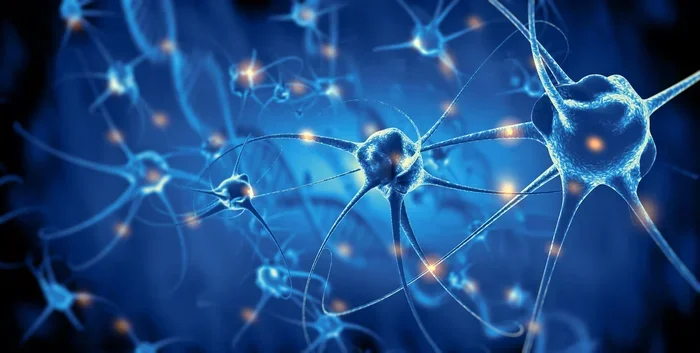
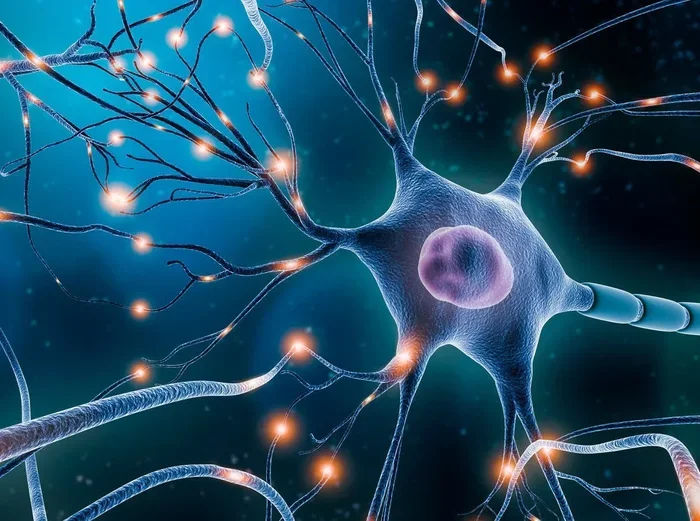
Your spinal cord contains a region called the dorsal horn, which acts as the primary gatekeeping area. Here, different types of nerve fibers compete for access to your brain’s pain perception centers.
Three main types of nerve fibers are involved:
- A-beta fibers: Large, fast fibers that carry touch, pressure, and vibration signals. These fibers can close the pain gate.
- A-delta fibers: Medium-sized fibers that carry sharp, immediate pain signals (like stepping on a nail).
- C fibers: Small, slow fibers that carry dull, aching, throbbing pain signals.
When A-beta fibers are activated—say, by rubbing your skin—they send signals faster than pain fibers. These faster signals essentially “close the gate” by activating inhibitory interneurons in the dorsal horn. These interneurons block the transmission of pain signals from A-delta and C fibers to the brain.
The Role Of The Brain In Pain Modulation
Here’s where the gate control theory of pain gets really interesting. Your brain isn’t just a passive receiver of pain signals—it actively sends signals down to the spinal cord that can open or close the gates.
When you’re stressed, anxious, or fearful, your brain sends signals that open the gates, allowing more pain through. When you’re relaxed, distracted, or feeling safe, your brain sends signals that close the gates, reducing pain perception.
This explains why the same injury can feel worse when you’re alone and scared at night compared to when you’re distracted during a fun activity with friends. Your emotional state literally changes how much pain you feel.
Factors That Open And Close Pain Gates
Visual guide about brain nerve signals
Image source: cdn.the-scientist.com
Understanding what influences your pain gates gives you power over your pain experience.
Factors That Open Pain Gates
These factors increase pain perception by opening the neural gates:
- Emotional distress: Anxiety, depression, and fear amplify pain signals
- Stress hormones: Cortisol and adrenaline sensitize the nervous system
- Hypervigilance: Focusing intensely on pain makes it worse
- Poor sleep: Sleep deprivation lowers pain thresholds
- Isolation: Loneliness and social disconnection increase pain sensitivity
- Relationship conflict: Interpersonal stress directly impacts physical pain perception
Research shows that emotional abuse and relationship stress can significantly worsen chronic pain conditions. When you’re in a constant state of emotional distress, your pain gates stay open, making everything hurt more.
Factors That Close Pain Gates
These factors decrease pain perception by closing the neural gates:
- Relaxation and calm: Peaceful states reduce pain signal transmission
- Positive emotions: Joy, laughter, and contentment close pain gates
- Distraction: Engaging activities redirect attention away from pain
- Touch and pressure: Rubbing, massage, and compression activate A-beta fibers
- Temperature therapy: Heat and cold stimulate non-pain nerve fibers
- Exercise: Physical activity releases endorphins and closes pain gates
- Social connection: Supportive relationships reduce pain perception
Learning to find peace of mind during stressful times isn’t just good for your mental health—it’s a powerful pain management strategy that works through the gate control mechanism.
Practical Applications Of Gate Control Theory
Visual guide about brain nerve signals
Image source: thumbs.dreamstime.com
The beauty of the gate control theory of pain is its practical applications. You can use this knowledge every day to manage pain without medication.
TENS Therapy
Transcutaneous Electrical Nerve Stimulation (TENS) units are perhaps the most direct application of gate control theory. These small devices deliver mild electrical impulses through electrodes placed on the skin. These impulses activate A-beta fibers, which close the pain gates and block pain signals from reaching the brain.
How to use TENS effectively:
- Place electrodes near the painful area
- Start with low intensity and increase gradually
- Use for 20-30 minutes per session
- Experiment with different frequencies for best results
Massage And Manual Therapy
Massage works through multiple gate control mechanisms. The pressure and touch activate A-beta fibers, which close pain gates. Additionally, massage promotes relaxation, which sends brain signals that further close the gates.
Even simple self-massage—rubbing a sore muscle or pressing on a painful spot—can provide temporary relief by activating the gate control system.
Acupuncture And Acupressure
Traditional Chinese medicine practices like acupuncture align remarkably well with gate control theory. The insertion of thin needles stimulates A-beta fibers, closing pain gates. Acupressure works similarly through manual pressure on specific points.
Temperature Therapy
Hot and cold packs provide pain relief partly through gate control mechanisms. The temperature sensations activate non-pain nerve fibers, which compete with pain signals at the spinal gate. Heat also promotes relaxation, which sends brain signals that close pain gates.
Movement And Exercise
Physical activity is one of the most effective ways to close pain gates. Exercise stimulates large-diameter nerve fibers, releases endorphins (the body’s natural painkillers), and promotes positive emotional states—all of which close pain gates.
For people with chronic pain, gentle movement like walking, swimming, or yoga can be more effective than rest. Movement keeps the gates closed and prevents the pain system from becoming hypersensitive.
Emotional And Psychological Influences On Pain
The gate control theory of pain reveals why pain is never purely physical. Your emotional and psychological state directly influences how much pain you experience.
The Stress-Pain Connection
When you’re stressed, your body releases cortisol and adrenaline. These hormones sensitize your nervous system, making pain signals stronger and keeping pain gates open. This creates a vicious cycle: pain causes stress, which increases pain, which causes more stress.
Breaking this cycle requires addressing both the physical and emotional components of pain. Techniques like deep breathing, meditation, and progressive muscle relaxation can close pain gates by activating the parasympathetic nervous system.
How Relationships Affect Pain
Your relationships significantly impact your pain experience. Supportive, loving relationships close pain gates through positive emotions and social connection. Toxic or stressful relationships open pain gates through emotional distress.
Research shows that people in supportive relationships report less pain and recover faster from injuries. Conversely, those experiencing relationship distress and unresolved emotional pain often experience worsened physical pain symptoms.
This doesn’t mean you need to be in a relationship to manage pain—it means cultivating meaningful social connections of any kind helps close pain gates.
Mindfulness And Pain Management
Mindfulness meditation has emerged as a powerful pain management tool, and gate control theory explains why. Mindfulness involves observing pain without judgment and without emotional reactivity. This non-reactive awareness prevents the emotional distress that opens pain gates.
Studies show that regular mindfulness practice can reduce chronic pain by 30-40% or more. By changing your relationship with pain—observing it rather than fighting it—you keep your pain gates more closed.
Chronic Pain And Gate Control Dysfunction
While the gate control theory of pain explains acute pain well, it also illuminates what goes wrong in chronic pain conditions.
When Gates Get Stuck Open
In chronic pain conditions, the gate control system can malfunction. Pain gates may stay open even after tissue damage has healed. This happens because the nervous system becomes sensitized—a phenomenon called central sensitization.
Signs of gate control dysfunction include:
- Pain that persists after injury healing
- Increased sensitivity to pain (hyperalgesia)
- Pain from normally non-painful stimuli (allodynia)
- Pain that spreads beyond the original injury site
- Pain that worsens with stress or emotional distress
Treating Chronic Pain Through Gate Control
Understanding gate dysfunction opens new treatment possibilities. Instead of just targeting the painful area, treatments can focus on normalizing the gate control system.
Effective approaches include:
- Graded motor imagery: Retraining the brain’s body map to normalize pain processing
- Pain neuroscience education: Understanding pain reduces fear and closes gates
- Multidisciplinary treatment: Combining physical, psychological, and social interventions
- Sleep optimization: Restoring normal sleep patterns helps reset pain gates
- Social support: Building connections that promote positive emotional states
Quick Tips For Using Gate Control Theory Daily
Here are practical ways to apply gate control theory of pain principles in everyday life:
- Rub it: When you feel pain, gently rub the area to activate A-beta fibers
- Change temperature: Apply heat or cold to stimulate non-pain nerve fibers
- Move gently: Light movement closes pain gates and prevents sensitization
- Distract yourself: Engaging activities redirect attention and close gates
- Breathe deeply: Slow breathing activates relaxation responses that close gates
- Stay social: Connect with others to promote positive emotional states
- Manage stress: Daily stress reduction practices keep pain gates closed
- Sleep well: Quality sleep resets your pain processing system
Common Misconceptions About Pain And Gate Control
Despite the elegance of the gate control theory of pain, several misconceptions persist.
“It’s All In Your Head”
This dismissive phrase misunderstands the theory. Pain being modulated by the brain doesn’t mean it’s imaginary. All pain is processed by the brain—that’s how pain works. Gate control theory explains the mechanism, not the validity of your experience.
“Strong People Don’t Feel Pain”
Pain perception isn’t about strength or weakness. It’s about complex neural processing influenced by biology, psychology, and social factors. Even the toughest people experience pain when their gates are open.
“If Imaging Is Normal, Nothing’s Wrong”
Gate control theory explains why people can have severe pain with normal imaging. The pain gates can malfunction independently of visible tissue damage. This doesn’t make the pain less real—it makes the gate dysfunction the problem to address.
Expert Insights On Gate Control Theory
Modern pain specialists increasingly embrace the gate control theory of pain as foundational to understanding and treating pain. The biopsychosocial model of pain—which considers biological, psychological, and social factors—directly descends from Melzack and Wall’s work.
Dr. Lorimer Moseley, a leading pain researcher, emphasizes that “pain is always a brain output, never simply an input.” This understanding empowers patients to take active roles in pain management rather than passively waiting for cures.
The integration of gate control principles into pain treatment has led to multidisciplinary pain programs that address the whole person—body, mind, and social context—rather than just treating symptoms.
Key Takeaways
- The gate control theory of pain revolutionized understanding of pain perception
- Pain signals pass through gates in the spinal cord that can open or close
- Your brain actively modulates pain based on emotional and psychological states
- Touch, pressure, and vibration can close pain gates and reduce pain
- Stress, anxiety, and emotional distress open pain gates and worsen pain
- Practical applications include TENS, massage, temperature therapy, and exercise
- Chronic pain often involves gate control dysfunction that can be treated
Conclusion
The gate control theory of pain transformed our understanding of one of humanity’s most universal experiences. By revealing that pain isn’t a simple signal from damaged tissue but a complex process modulated by gates in the spinal cord and brain, this theory opened new possibilities for pain management.
You now have practical tools to influence your pain experience. By understanding what opens and closes pain gates, you can take active steps to reduce suffering. Whether through touch, movement, temperature, relaxation, social connection, or managing emotional distress, you can work with your nervous system rather than against it.
Pain is real, but it’s not fixed. Your brain holds the keys to the gates, and with knowledge and practice, you can learn to close them more often. The gate control theory of pain doesn’t just explain why rubbing an injury helps—it offers hope for millions seeking relief from chronic pain through understanding and harnessing their body’s natural pain control systems.
Frequently Asked Questions
What is the gate control theory of pain in simple terms?
The gate control theory of pain explains that your spinal cord has “gates” that can either let pain signals through to your brain or block them. Think of it like a bouncer at a club—not every pain signal gets in. Factors like touch, emotions, and stress can open or close these gates, which is why rubbing an injury or staying calm can actually reduce how much pain you feel.
Who discovered the gate control theory of pain?
Ronald Melzack and Patrick Wall proposed the gate control theory of pain in 1965. Their groundbreaking paper changed how scientists and doctors understand pain, moving away from the simple “damage equals pain” model to a more complex understanding involving the brain’s active role in pain perception.
How does rubbing an injury reduce pain?
When you rub an injured area, you activate large nerve fibers called A-beta fibers that carry touch and pressure signals. These fibers send signals faster than pain fibers and essentially “close the gate” in your spinal cord, blocking pain signals from reaching your brain. This is why rubbing a bumped elbow or sore muscle provides immediate, though temporary, relief.
Can emotions really affect how much pain I feel?
Absolutely. Emotions directly influence your pain gates through the gate control system. Stress, anxiety, and fear send signals from your brain that open pain gates, making everything hurt more. Conversely, positive emotions like joy, relaxation, and feeling safe send signals that close the gates. This is why the same injury can feel worse when you’re stressed or alone compared to when you’re relaxed and distracted.
How does TENS therapy work for pain relief?
TENS (Transcutaneous Electrical Nerve Stimulation) works directly through gate control theory. The device sends mild electrical impulses through your skin that activate A-beta fibers—the same touch and pressure fibers that close pain gates. These signals reach your spinal cord faster than pain signals and block them from passing through to your brain, providing drug-free pain relief.
Why do chronic pain conditions persist after injuries heal?
In chronic pain, the gate control system can malfunction through a process called central sensitization. The pain gates get “stuck” open, continuing to send pain signals even after tissue damage has healed. This happens because the nervous system becomes hypersensitive, essentially learning to produce pain independently of ongoing injury. Treatment focuses on retraining the pain system rather than just treating the original injury site.
