

Deciding on a school uniform policy involves weighing equality and safety against self-expression and cost. This comprehensive guide explores the real school uniform pros and cons, helping parents make informed decisions. From academic impact to mental health, we cover everything you need to know.
Deciding whether a school uniform is right for your child can feel like a major parenting milestone. You want them to fit in, but you also want them to express who they are. The debate over school uniform pros and cons has raged for decades, and it is not slowing down anytime soon. Parents, educators, and students all have strong opinions on the matter. Does a standardized outfit really create a better learning environment? Or does it simply squash a teenager’s budding independence? We are diving deep into this topic to help you navigate the complexities of the uniform policy in schools today.
The conversation around school uniforms is about much more than just clothes. It touches on issues of student expression, school safety, and equality in schools. As a parent, you are likely weighing the promise of a focused classroom against your teen’s desire to show off their unique style. Understanding the full picture is essential. Let us break down the real advantages and disadvantages so you can make the best choice for your child’s educational journey.
Key Takeaways
- Promotes Equality: Uniforms significantly reduce visible socioeconomic gaps among students, minimizing peer pressure based on clothing brands.
- Enhances Safety: A standardized dress code makes it easier to identify intruders on campus and reduces gang-related clothing displays.
- Suppresses Individuality: Strict uniform policies can hinder a teenager’s ability to explore their personal identity and self-expression.
- Financial Burden: While often marketed as cheaper, specialized uniform pieces can actually be more expensive than regular retail clothing.
- False Security: Uniforms do not automatically stop bullying; they simply shift the focus to other status symbols like shoes, bags, or phones.
- Morning Efficiency: Uniforms eliminate “decision fatigue” in the morning, making the daily routine faster and less stressful for families.
- Comfort Matters: Many uniforms are made from stiff, uncomfortable fabrics that can distract students from their learning throughout the day.
📑 Table of Contents
- The History and Purpose of School Uniforms
- The Top Pros of School Uniforms
- The Major Cons of School Uniforms
- How Uniforms Impact Student Mental Health and Identity
- Navigating the Uniform Policy as a Parent
- Comparison Table: School Uniforms vs. Regular Clothes
- Quick Tips for Parents Dealing with Uniform Policies
- Common Mistakes Parents Make
- Expert Insights on School Uniforms
- Conclusion
The History and Purpose of School Uniforms
To understand the current debate, we have to look back at where the uniform policy originated. The concept of school uniforms dates back to 16th-century England, where they were used to promote discipline among underprivileged children. However, the modern push for school uniforms in the United States began in the 1990s.
In 1996, President Clinton even addressed the topic in his State of the Union speech, stating that if it meant “teenagers would stop killing each other over designer jackets, then our public schools should be able to require their students to wear school uniforms.” This sparked a massive shift. Schools across the country adopted dress code policies to combat rising violence and clothing distractions. The goal was simple: create a level playing field where students focused on algebra, not each other’s outfits.
The Top Pros of School Uniforms
Visual guide about students in school uniforms
Image source: earth911.com
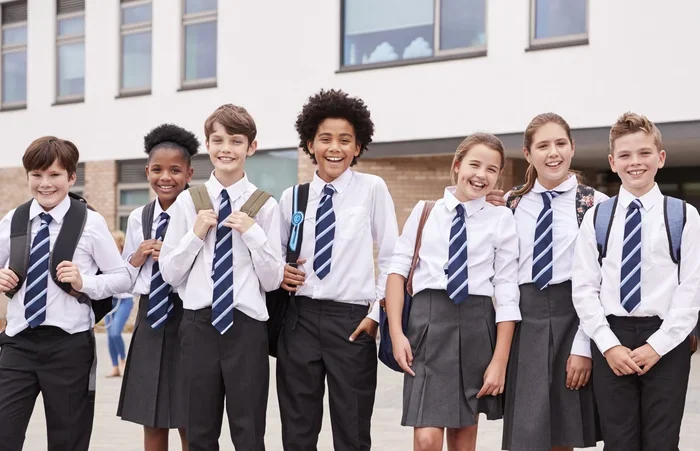
Supporters of the uniform policy argue that the benefits far outweigh the drawbacks. When implemented correctly, uniforms can transform the school environment. Here are the major advantages you should consider.
Fostering Equality and Reducing Peer Pressure
One of the biggest selling points of school uniforms is the promotion of equality in schools. When everyone wears the same outfit, the visible gap between different socioeconomic status levels shrinks.
Kids who cannot afford the latest trends no longer feel left out. This reduction in peer pressure can be a massive relief for many teenagers. Instead of worrying about wearing the right brands, students can focus on making friends based on personality rather than wardrobe.
Enhancing School Safety and Security
School safety is a top priority for every parent and administrator. A strict uniform policy makes it much easier to identify who belongs on campus and who does not.
If an outsider enters the school, they stick out like a thumb. This quick identification can prevent unauthorized access. Additionally, uniforms reduce the presence of gang colors and symbols, which can significantly lower campus tensions and violence.
Simplifying the Morning Routine
If mornings in your house are a chaotic rush, uniforms might be a game-changer. School uniforms eliminate “decision fatigue.” Your child does not have to stand in front of their closet for twenty minutes trying to pick the perfect outfit.
They just grab their uniform and go. This streamlined morning routine reduces stress for both parents and students, ensuring everyone gets out the door on time.
Boosting School Spirit and Unity
Wearing the same colors can create a sense of belonging. School uniforms act as a visual representation of school spirit. When students feel like they are part of a team, they may take more pride in their school and their work. This unity can foster a more supportive and collaborative school environment.
The Major Cons of School Uniforms
Visual guide about students in school uniforms
Image source: cdn.britannica.com
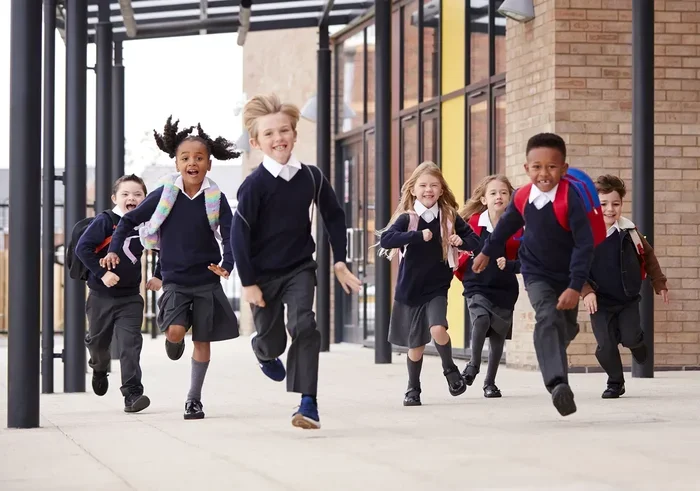
While the benefits sound great on paper, the drawbacks are just as significant. Critics argue that school uniforms do more harm than good, particularly for developing teenagers. Here are the primary disadvantages.
Suppressing Self-Expression and Individuality
Adolescence is a time of self-discovery. Teenagers use fashion as a tool to explore their self-identity and express their moods. A strict uniform policy strips away this vital outlet.
When students cannot express themselves through their clothes, they may feel stifled. This suppression can lead to resentment toward the school and a feeling of being controlled. For many teens, their style is their voice. Taking that away can be damaging to their development.
The Financial Burden on Families
Many people assume uniforms are cheaper than regular clothes, but that is not always the truth. While you might not need a massive wardrobe, specialized uniform pieces can be incredibly expensive.
Often, you have to buy specific items from designated suppliers. If your child grows quickly or wears out their clothes, replacing these specific items can create a heavy financial burden. Regular retail clothing can often be bought on sale or secondhand much more easily than specialized uniform gear.
Comfort and Practicality Issues
Let us be honest: many uniforms are just not comfortable. They are often made from stiff, scratchy fabrics that are not designed for all-day wear.
Students sit in classrooms for hours. If they are tugging at tight collars, restrictive skirts, or itchy sweaters, they are not focusing on the lesson. Discomfort is a major clothing distraction that directly impacts academic performance.
The Myth of Bullying Reduction
Proponents claim uniforms stop bullying, but the reality is more complicated. Bullies will always find a target. If you take away clothing as a reason to tease someone, they will simply shift their focus to shoes, backpacks, phones, or physical appearance.
A uniform policy does not teach kids how to be kind. It just hides the symptoms of a deeper social issue. Bullying reduction requires comprehensive social-emotional learning, not just a dress code.
How Uniforms Impact Student Mental Health and Identity

Visual guide about students in school uniforms
Image source: parents.com
The psychological impact of school uniforms is a critical piece of the puzzle. When schools enforce strict dress codes, they often inadvertently send a message about body image and control.
For years, dress codes have disproportionately targeted girls, policing their bodies under the guise of preventing “distractions” for boys. This approach is deeply rooted in purity culture, which harms mental and sexual health. When we tell girls that their shoulders or legs are distracting, we teach them that they are responsible for other people’s behavior. This can lead to deep-seated shame and anxiety.
Furthermore, it is crucial to understand the difference between attraction and sexual objectification. Schools often confuse the two, implementing uniform policies that objectify students rather than protect them. Instead of teaching respect, they enforce compliance. This can severely damage a teenager’s self-esteem and their understanding of healthy boundaries.
Navigating the Uniform Policy as a Parent
So, what can you do if your child’s school requires uniforms, or if you are trying to decide if a uniform school is the right fit? It is all about communication and advocacy.
First, listen to your child. If they are miserable in their uniform, find out why. Is it a comfort issue? An expression issue? Understanding their perspective is key. When teens feel their voices are ignored, they might shut down during conflict, making it impossible to know how they truly feel about their school environment.
Second, encourage them to find other ways to express their self-identity. Accessories, hairstyles, and unique school supplies can help them maintain their individuality within the rules. Remind them that courage and bravery are essential for teens today, and that expressing their true self—even within a uniform—is a powerful act of confidence.
Comparison Table: School Uniforms vs. Regular Clothes
To help you visualize the differences, here is a quick comparison of how school uniforms stack up against regular clothing in key areas.
| Feature | School Uniforms | Regular Clothes |
|---|---|---|
| Cost | Can be high due to specialized suppliers; limited secondhand options. | Flexible; can be budget-friendly, bought on sale, or secondhand. |
| Morning Routine | Very fast; eliminates decision fatigue. | Can be slow; requires choosing outfits daily. |
| Self-Expression | Very limited; suppresses individual style. | High; allows for creativity and identity exploration. |
| Peer Pressure | Reduces brand and fashion-based pressure. | Can increase pressure to fit in with trends. |
| Comfort | Often stiff, itchy, or restrictive fabrics. | Chosen for personal comfort and fit. |
| Safety | Easy to identify intruders; reduces gang colors. | Harder to identify outsiders; potential for gang affiliation. |
Quick Tips for Parents Dealing with Uniform Policies
If your child is stuck in a uniform policy, here are some practical ways to make it easier:
- Buy in Bulk: Purchase multiple sets of the uniform to reduce daily laundry stress.
- Layer Strategically: If allowed, use comfortable undershirts or cardigans to make scratchy fabrics bearable.
- Tailor for Fit: A well-fitting uniform looks better and feels more comfortable. Hem pants and take in waists as needed.
- Advocate for Change: If the uniform is truly problematic, join the PTA and push for more comfortable, affordable options.
- Focus on Accessories: Let them choose fun backpacks, shoes, or jewelry to express their style.
Common Mistakes Parents Make
When navigating the school uniform pros and cons debate, parents often stumble into these traps:
- Ignoring Comfort: Prioritizing the look of the uniform over how it feels. If your child is uncomfortable, they cannot learn.
- Invalidating Feelings: Telling your teen their desire to express themselves “does not matter.” It matters deeply to them.
- Assuming Uniforms Fix Everything: Believing that a dress code will magically fix student behavior or bullying. It takes more than a polo shirt to fix social issues.
- Overspending: Buying the most expensive uniform options when cheaper, compliant alternatives exist.
Expert Insights on School Uniforms
Child psychologists and educators have weighed in heavily on this topic. The consensus? Context matters.
Experts note that school uniforms can be highly beneficial in under-resourced communities where socioeconomic status is very visible. In these settings, uniforms provide a crucial equalizer. However, in more affluent areas, the benefits are less clear. Experts also emphasize that forcing teenagers to comply with strict rules without their input can backfire. When students feel a lack of autonomy, student behavior often worsens, not better. The key is balance. Schools should aim for a dress code policy that ensures safety and respect without completely erasing individuality.
Conclusion
The debate over school uniform pros and cons is complex. There is no one-size-fits-all answer. Uniforms can create a safer, more focused, and equal school environment. They simplify mornings and reduce peer pressure over fashion trends. However, they can also suppress student expression, cause discomfort, and create a financial burden for families.
As a parent, your job is to weigh these factors against your child’s unique needs. Consider their mental health, their desire for independence, and your family’s budget. By staying informed and keeping the lines of communication open, you can navigate this challenge successfully. Whether your child wears a blazer or a band t-shirt, their comfort and ability to express their self-identity should always be a top priority.
Frequently Asked Questions
What is School Uniform Pros And Cons?
School Uniform Pros And Cons is an important topic with many practical applications.
