

Fear of germs and dirt mysophobia is more than just a love for cleanliness. It is a severe, irrational fear of contamination that can take over your life. This article explores the root causes, common symptoms, and actionable relief strategies to help you manage this anxiety and find freedom.
Have you ever felt your heart race after touching a door handle? Maybe you carry hand sanitizer everywhere you go. For most people, a quick wash is enough to ease the worry. But for some, the fear never goes away. If the thought of germs and dirt makes you feel like you are in real danger, you might be dealing with fear of germs and dirt mysophobia.
This condition can make everyday life feel like a battlefield. Going to a restaurant, shaking hands, or using a public restroom can trigger intense panic. It is exhausting. More importantly, it can push away the people you love. In this article, we will walk through what mysophobia really is, why it happens, and how you can find relief. You do not have to live in fear forever.
Key Takeaways
- Mysophobia is a real anxiety disorder: It goes beyond simple tidiness and involves an intense, irrational fear of germs and contamination.
- Symptoms affect your whole life: From compulsive hand washing to avoiding social events, the symptoms disrupt daily routines and relationships.
- Root causes vary: It can stem from past trauma, OCD, learned behaviors, or a lack of control in other life areas.
- Dating can be challenging: The fear of germs often makes physical intimacy and dating incredibly stressful.
- Treatment works: Exposure therapy, CBT, and mindfulness can significantly reduce mysophobia symptoms.
- Daily habits matter: Small changes in how you approach cleanliness can slowly rewire your brain’s fear response.
📑 Table of Contents
What Exactly Is Mysophobia?
Let us start by defining the term. Mysophobia is an extreme or irrational fear of germs, dirt, and contamination. The word comes from the Greek words “mysos,” meaning uncleanliness, and “phobia,” meaning fear. People often use the term “germaphobe” to describe someone with this condition. But make no mistake, this is not just a quirky personality trait. It is a recognized anxiety disorder.
When you have fear of germs and dirt mysophobia, your brain treats a speck of dust like a venomous snake. It triggers a massive fight-or-flight response. You know, logically, that a doorknob will not kill you. But your brain screams that it might. This gap between logic and emotion is what makes phobias so frustrating.
Normal Cleanliness vs. Mysophobia
It is important to know the difference between being clean and having a phobia. We all prefer a tidy home. We all wash our hands after using the bathroom. That is just common sense. Mysophobia, on the other hand, takes these normal habits to a destructive extreme.
Here is a quick comparison to help you see the difference:
| Normal Cleanliness | Mysophobia |
|---|---|
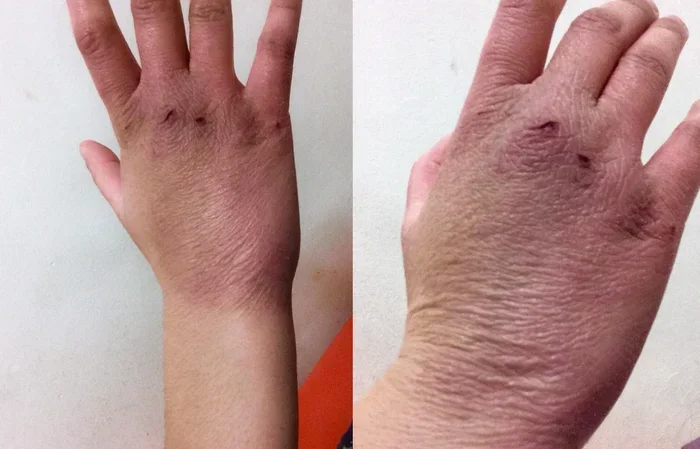
| Washing hands for 20 seconds after using the restroom | Washing hands until they crack and bleed |
| Keeping a tidy home to feel comfortable | Spending hours a day scrubbing surfaces to avoid panic |
| Avoiding someone who has a cold | Refusing to leave the house for fear of getting sick |
| Feeling annoyed by a mess | Feeling intense terror or panic by a small crumb |
Recognizing Mysophobia Symptoms

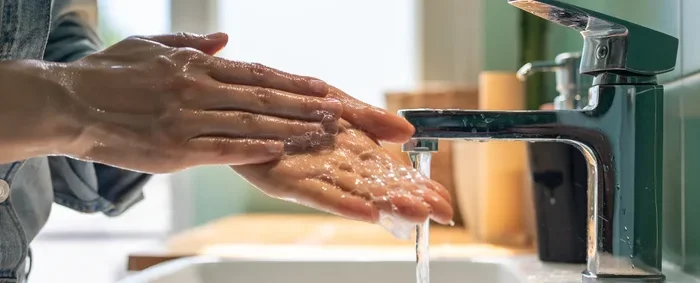
Visual guide about obsessive hand washing
Image source: healthywomen.org
The symptoms of fear of germs and dirt mysophobia go far beyond just washing your hands a lot. This condition affects your mind, your body, and your behavior. Recognizing these signs is the first step toward getting better.
Emotional and Physical Symptoms
When you encounter a trigger, your body reacts as if you are in physical danger. You might experience:
- Racing heart: Your pulse skyrockets the moment you feel “contaminated.”
- Shortness of breath: It feels like you cannot catch your breath.
- Sweating and trembling: Your body enters full panic mode.
- Dizziness: The anxiety can make you feel lightheaded.
- Overwhelming dread: A constant feeling that something terrible is about to happen.
Behavioral Symptoms
The physical panic leads to actions meant to keep you safe. But these actions only feed the phobia. Common behavioral symptoms include:
- Excessive cleaning: Washing your hands dozens of times a day or scrubbing household items repeatedly.
- Avoidance: Steering clear of public places, public transportation, or other people’s homes.
- Refusing to share: You will never share food, drinks, or personal items like towels.
- Wearing gloves: Using gloves to touch things like door handles or elevator buttons.
- Sanitizing rituals: Following strict, unbreakable rules about how and when you clean yourself or your space.
The Root Causes of Mysophobia
Visual guide about obsessive hand washing
Image source: blogger.googleusercontent.com
Why do some people develop this intense fear while others do not? There is rarely one single cause. Instead, it is usually a mix of different factors. Understanding where your fear comes from can help you overcome it.
Past Trauma and Experiences
Sometimes, mysophobia starts after a scary health event. Maybe you had a severe case of food poisoning once. Or perhaps you watched a loved one struggle with a terrible illness. Your brain linked dirt and germs with that trauma. Now, it tries to protect you by making you afraid of anything that reminds you of that event.
The Link to OCD
Fear of germs and dirt mysophobia is closely related to Obsessive-Compulsive Disorder (OCD). In fact, contamination fears are one of the most common types of OCD. The obsessions are the intrusive thoughts about germs. The compulsions are the cleaning and washing rituals. If your fear of germs follows a rigid set of rules, OCD might be the root cause.
Learned Behaviors and Environment
Did you grow up in a home where cleaning was a top priority? If a parent was overly fearful of germs, you might have learned that behavior. Children are like sponges. If they see a parent panic over a dirty floor, they learn that dirt is something to panic about. Over time, this learned behavior turns into a full-blown phobia.
Lack of Control
Anxiety often stems from a need for control. Life is unpredictable. We cannot control what happens to us. But we can control our environment. For some people, obsessing over cleanliness is a way to cope with the chaos of life. If everything is spotless and germ-free, they feel safe. But this sense of safety is only temporary.
How Mysophobia Impacts Your Love Life
Visual guide about obsessive hand washing
Image source: i.redd.it
Since we are talking about relationships, we have to address how this phobia affects your dating life. Fear of germs and dirt mysophobia can make romance incredibly difficult. Intimacy requires closeness. It requires touch. And touch is exactly what mysophobia fears most.
The Struggle with Physical Intimacy
Holding hands, hugging, and kissing all involve exchanging germs. For someone with mysophobia, a simple kiss can trigger a panic attack. You might find yourself pulling away from your partner. You might avoid sex because it feels too “unclean.” Over time, your partner may feel rejected. They might think you do not love them, when in reality, you are just fighting a terrifying internal battle.
Navigating Dates and Social Events
Going out to dinner is a nightmare. You worry about the restaurant’s cleanliness. You worry about the server’s hands. You might spend the whole date anxious instead of connecting. This can lead to social isolation. You might turn down invitations until people stop asking. If you feel this way, learning strategies for overcoming the fear of being single can be incredibly helpful. Sometimes, the phobia pushes us into isolation, making us feel safer alone.
Communicating Your Boundaries
You cannot hide your phobia from a serious partner. You have to talk about it. But how do you tell someone that their touch terrifies you without hurting their feelings? You need to focus on your anxiety, not their hygiene. You must learn how to deal with miscommunication and different love languages so your partner understands your boundaries are about your fear, not a lack of attraction.
Effective Relief and Treatment Options
The good news is that you do not have to suffer forever. Fear of germs and dirt mysophobia is highly treatable. With the right approach, you can retrain your brain to see germs as a normal part of life, not a deadly threat.
Cognitive Behavioral Therapy (CBT)
CBT is one of the most effective treatments for phobias. It helps you identify the negative thought patterns that fuel your fear. For example, you might think, “If I touch this railing, I will get sick and die.” CBT teaches you to challenge that thought. You learn to replace it with a realistic one: “Touching this railing might expose me to germs, but my immune system is strong, and I will likely be fine.”
Exposure and Response Prevention (ERP)
ERP is a specific type of CBT. It is the gold standard for treating phobias and OCD. In ERP, you slowly expose yourself to the thing you fear. But here is the key: you do not do your usual compulsion to fix it.
For example, you might touch a doorknob. Then, you would not wash your hands. At first, your anxiety will skyrocket. But if you sit with that anxiety, it will eventually come down. Your brain learns that the doorknob did not actually kill you. Over time, the fear fades.
Quick Tip: Do not try extreme ERP on your own. Always work with a licensed therapist. Doing it too fast can make your phobia worse.
Medication
Sometimes, the anxiety is too strong to face with therapy alone. In these cases, a doctor might prescribe medication. Selective Serotonin Reuptake Inhibitors (SSRIs) are commonly used to treat anxiety and OCD. They can help lower the volume of your anxiety, making it easier to do the work in therapy.
Daily Habits for Managing Germ Anxiety
Professional help is crucial. But what can you do right now to start feeling better? Small daily habits can make a big difference. Learning how to stay healthy and positive in personal challenges is a great place to start.
Set Time Limits for Cleaning
If you spend hours cleaning, set a timer. Give yourself 15 minutes to clean the kitchen. When the timer goes off, you are done. This helps break the cycle of endless rituals.
Practice Mindfulness
When panic hits, ground yourself. Focus on your breathing. Notice the air going in and out of your lungs. Look around the room and name five things you can see. This pulls your brain out of the panic spiral and back to the present moment.
Challenge Your Thoughts
When you feel the urge to wash your hands, ask yourself: “Am I washing because I am actually dirty, or am I washing because I am anxious?” If it is just anxiety, try to wait five minutes before washing. Slowly extend that time.
Educate Yourself About Germs
Believe it or not, some germs are good for you. Your immune system needs exposure to everyday germs to stay strong. Learning about the microbiome can help you see germs as a necessary part of life, not just an enemy.
Common Mistakes to Avoid
When you are fighting fear of germs and dirt mysophobia, it is easy to fall into traps that make the fear worse. Here are a few common mistakes to avoid:
- Seeking constant reassurance: Asking your partner or friends, “Are you sure this is clean?” might feel good in the moment. But it feeds the phobia. It tells your brain that you need others to keep you safe.
- Avoiding everything: The more you avoid germs, the scarier they become. Avoidance makes the world feel more dangerous.
- Using harsh chemicals: Switching to heavy-duty chemical cleaners can irritate your skin and reinforce the idea that your environment is toxic.
- Isolating yourself: Pushing people away protects you from germs, but it destroys your support system. Loneliness makes anxiety much worse.
Expert Insights on Mysophobia Recovery
Therapists who specialize in anxiety disorders have a lot of hope for people with mysophobia. The brain is incredibly adaptable. It can rewire itself. This concept is called neuroplasticity. Every time you face a fear and survive, you build a new neural pathway. You prove to your brain that you are safe.
Recovery is not a straight line. Some days will be harder than others. You might touch a dirty surface and feel okay. The next day, a small trigger might send you into a panic. That is normal. Be patient with yourself. Celebrate the small wins. If you find yourself struggling to move forward, consider reading about how not letting go of a relationship affects yourself. Often, our fear of losing control in relationships mirrors our fear of losing control over our environment. Letting go of that rigid control is the true path to freedom.
Conclusion
Living with fear of germs and dirt mysophobia is incredibly hard. It affects your health, your social life, and your relationships. But you are not broken, and you are not alone. This is a treatable condition. By understanding the root causes, recognizing the symptoms, and seeking the right help, you can take your life back. Start small. Talk to a therapist. Challenge one fear at a time. You deserve a life where a little dirt does not stand in the way of your happiness.
Frequently Asked Questions
What is the main difference between a germaphobe and someone with mysophobia?
A germaphobe is a casual term for someone who really dislikes germs. Mysophobia is a clinical anxiety disorder where the fear of germs causes severe panic and disrupts daily life. The key difference is the level of distress and how much it interferes with normal activities.
Can mysophobia be cured completely?
While the word “cure” is tricky with anxiety, mysophobia can be effectively managed to the point where it no longer controls your life. Through therapy like ERP and CBT, most people experience massive relief and can live normally without constant panic.
How do I date someone with mysophobia?
Patience and communication are key. Do not take their need for cleanliness personally. Listen to their boundaries without judgment. Encourage them to seek professional help, and try to work together on small compromises that make them feel safe without enabling the phobia.
Is mysophobia a form of OCD?
Mysophobia and OCD are closely linked, but they are not exactly the same. Mysophobia is a specific phobia. However, contamination fears are a very common symptom of OCD. A mental health professional can help determine if your fear is a specific phobia or part of OCD.
What should I do if I have a panic attack over germs?
First, try to ground yourself. Focus on your breathing and look around the room. Remind yourself that the panic is a false alarm from your brain. Do not give in to the compulsion to clean immediately. Wait for the anxiety to pass before you act.
How can I help a loved one with mysophobia?
The best thing you can do is encourage them to seek therapy. Avoid helping them with their compulsions, like constantly reassuring them that things are clean. Instead, support them in facing their fears gently and celebrate their progress along the way.
