

Monophobia — the fear of being alone — affects millions of people worldwide, often driving them to stay in unhealthy relationships or avoid solitude at all costs. This comprehensive guide explores the root causes, symptoms, and practical strategies to help you overcome the fear of being alone and build a healthier relationship with yourself.
Have you ever felt your heart race at the thought of spending an evening by yourself? Does the idea of an empty house fill you with dread rather than relief? You’re not alone in feeling this way. Monophobia — the fear of being alone — is more common than most people realize, and it can quietly control your decisions, relationships, and overall happiness. In this guide, we’ll break down exactly what this fear looks like, where it comes from, and most importantly, how you can overcome it step by step.
Imagine feeling completely at peace whether you’re surrounded by friends or spending a quiet Saturday night solo. That freedom is possible. Monophobia doesn’t have to define your life. By understanding the mechanics behind this fear and applying proven strategies, you can rewire your brain’s response to solitude and finally enjoy your own company.
Key Takeaways
- Monophobia is a real anxiety disorder — It’s not just “disliking” alone time; it’s an intense, persistent fear that can disrupt daily life.
- Root causes vary widely — Childhood trauma, abandonment issues, past relationship experiences, and attachment disorders can all contribute.
- It impacts relationships negatively — People with monophobia may cling to toxic partners or avoid being single at all costs.
- Physical and emotional symptoms are common — Panic attacks, racing heart, sweating, and dread when alone are hallmark signs.
- Treatment options are effective — Cognitive behavioral therapy, exposure therapy, and self-help strategies can significantly reduce symptoms.
- Building self-trust is essential — Learning to enjoy your own company is the foundation of overcoming this fear.
- Professional help is available — Therapists and counselors can provide tailored strategies for lasting recovery.
📑 Table of Contents
- What Is Monophobia? Understanding the Fear of Being Alone
- The Root Causes of Monophobia
- Recognizing the Symptoms of Monophobia
- How Monophobia Affects Your Relationships
- Proven Strategies to Overcome Monophobia
- Professional Treatment Options for Monophobia
- Building a Healthy Relationship With Solitude
- Comparison: Monophobia vs. Autophobia vs. Isolation Anxiety
- Quick Tips for Managing Monophobia in Daily Life
- Common Mistakes to Avoid
- When to Seek Professional Help
- Conclusion
What Is Monophobia? Understanding the Fear of Being Alone
Monophobia is an intense, irrational fear of being alone or isolated. The word comes from the Greek “mono” meaning single or alone, and “phobos” meaning fear. But this isn’t just about disliking solitude — it’s a legitimate anxiety condition that can trigger severe physical and emotional responses.
People with monophobia often feel an overwhelming sense of dread when they anticipate being by themselves. This fear can extend to being in an empty house, walking alone in a park, sleeping in a room by themselves, or even being emotionally disconnected from others in a crowded room.
How Monophobia Differs From Normal Loneliness
Everyone feels lonely sometimes. That’s a normal human emotion. But monophobia is different in several key ways:
- Intensity: The fear is disproportionate to the actual situation.
- Duration: It persists over months or years, not just a bad day.
- Impact: It significantly interferes with daily functioning and decision-making.
- Physical symptoms: It triggers real physiological responses like panic attacks.
- Avoidance: People go to extreme lengths to avoid being alone.
Understanding this distinction is crucial. If your fear of solitude is driving you to make unhealthy choices — like staying with someone who mistreats you just to avoid being single — it’s time to address it head-on.
The Root Causes of Monophobia
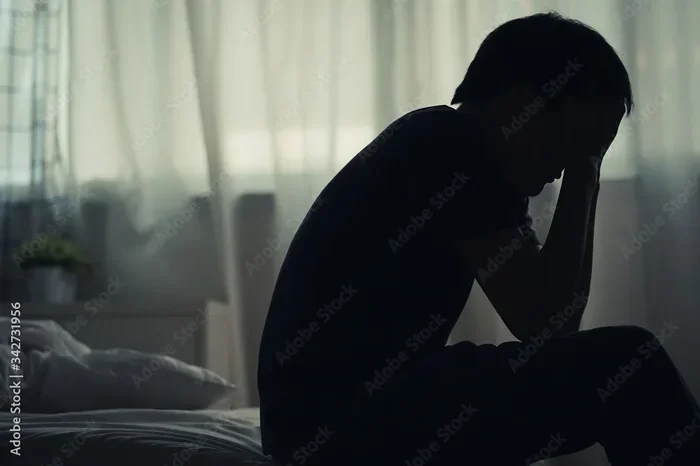
Visual guide about person sitting alone sad
Image source: as2.ftcdn.net
The fear of being alone doesn’t appear out of nowhere. It typically develops from a combination of psychological, environmental, and sometimes biological factors. Understanding your personal triggers is the first step toward healing.
Childhood Experiences and Attachment Wounds
Many cases of monophobia trace back to childhood. Children who experienced abandonment, neglect, or inconsistent caregiving often grow up with deep-seated fears of being left alone. When a child’s primary caregivers are emotionally unavailable or physically absent, the child learns that being alone equals danger.
For example, a child whose parent frequently left them unsupervised may develop a hypervigilant response to solitude that carries into adulthood. Similarly, children who experienced traumatic events while alone — like a home invasion or a medical emergency — may associate being alone with threat.
Past Relationship Trauma
Breakups, divorces, and betrayals can also plant the seeds of monophobia. If you’ve ever been blindsided by a partner’s departure, your brain may start associating solitude with rejection and pain. This creates a cycle where you desperately seek companionship to avoid re-experiencing that hurt.
Sometimes, people develop monophobia after losing a loved one. The sudden absence of someone who was always there can make solitude feel unbearable. The empty chair at the dinner table becomes a symbol of loss rather than an opportunity for peace.
Anxiety Disorders and Biological Factors
Some people are simply more prone to anxiety due to their brain chemistry. If you have a family history of anxiety disorders, panic disorder, or depression, you may be more susceptible to developing monophobia. Neurotransmitter imbalances, particularly involving serotonin and dopamine, can amplify fear responses and make solitude feel threatening.
Research also suggests that people with avoidant attachment styles or anxious attachment patterns may experience monophobia differently. While avoidant individuals might appear comfortable alone, they often use isolation as a defense mechanism rather than genuinely enjoying solitude.
Recognizing the Symptoms of Monophobia

Visual guide about person sitting alone sad
Image source: as2.ftcdn.net
Monophobia manifests differently in everyone, but there are common signs to watch for. Recognizing these symptoms in yourself or a loved one is the first step toward getting help.
Emotional and Psychological Symptoms
- Intense anxiety when anticipating time alone
- Persistent worry about being abandoned or left behind
- Feeling unsafe or vulnerable in empty spaces
- Difficulty making decisions without others’ input
- Fear of being judged for spending time alone
- Overwhelming sadness or emptiness when by yourself
Physical Symptoms
The body’s fear response to solitude can be surprisingly intense:
- Racing heart or palpitations when alone
- Shortness of breath or feeling like you can’t get enough air
- Sweating, trembling, or shaking
- Nausea or stomach discomfort
- Dizziness or lightheadedness
- Chest tightness that mimics a heart attack
- Insomnia when sleeping alone
Behavioral Patterns
People with monophobia often develop specific behaviors to cope with their fear:
- Constantly calling or texting others
- Leaving the TV or radio on for background noise
- Avoiding solo activities like dining out or seeing movies
- Staying in unhealthy relationships to avoid being single
- Over-scheduling social activities to fill every moment
- Refusing to live alone, even when financially independent
How Monophobia Affects Your Relationships

Visual guide about person sitting alone sad
Image source: funeralbasics.org
One of the most damaging consequences of monophobia is its impact on romantic relationships. When you’re terrified of being alone, you’ll tolerate things you shouldn’t — and that’s a recipe for heartbreak.
Staying in Unhealthy Relationships
The fear of solitude can keep you trapped in toxic dynamics. You might ignore red flags, excuse bad behavior, or abandon your own boundaries just to keep someone around. This is particularly dangerous because it can lead to patterns of emotional abuse, manipulation, and codependency.
If you find yourself thinking, “I’d rather be with someone who hurts me than be alone,” that’s a clear sign monophobia is controlling your choices. Breaking this pattern requires understanding that emotional abuse in relationships often goes unrecognized when fear is driving the attachment.
Codependency and Loss of Identity
Monophobia can fuel codependent relationships where your sense of self becomes entirely wrapped up in another person. You might lose interest in hobbies, neglect friendships, or change your personality to match your partner’s preferences. Over time, you forget who you are outside of the relationship.
This loss of identity creates a vicious cycle: the less connected you are to yourself, the more terrified you become of being alone with that disconnected self. Building self-trust and rediscovering your individuality is essential for breaking free.
Impact on Friendships and Family
Monophobia doesn’t just affect romantic relationships. You might become overly clingy with friends, constantly seek reassurance from family members, or feel devastated when plans get canceled. This can strain even the healthiest connections and push people away — ironically increasing the isolation you fear most.
Proven Strategies to Overcome Monophobia
The good news? Monophobia is treatable. With consistent effort and the right approach, you can retrain your brain to feel safe and even content in solitude. Here are the most effective strategies.
1. Practice Gradual Exposure
Exposure therapy is one of the most effective treatments for specific phobias. The idea is simple: slowly and systematically expose yourself to being alone in manageable doses.
How to start:
- Begin with just 5-10 minutes alone in a comfortable space
- Gradually increase the time as your comfort grows
- Move from familiar environments (your bedroom) to less familiar ones (a coffee shop)
- Practice being alone in different settings — at home, in nature, in public spaces
- Keep a journal tracking your anxiety levels before, during, and after each session
The key is to move at your own pace. Pushing too hard too fast can backfire and reinforce the fear. Celebrate small wins — every minute you spend comfortably alone is a victory.
2. Challenge Negative Thought Patterns
Monophobia thrives on catastrophic thinking. Your brain tells you stories like “Something terrible will happen if I’m alone” or “I can’t handle this.” Cognitive behavioral therapy (CBT) techniques help you identify and challenge these thoughts.
Try this exercise:
- Write down the fearful thought
- Ask: “What evidence supports this belief?”
- Ask: “What evidence contradicts it?”
- Create a more balanced, realistic thought
- Repeat the new thought whenever the old one appears
For example, if your thought is “I’ll have a panic attack and no one will help me,” the balanced version might be: “I’ve had panic attacks before and they always pass. I have my phone and can call someone if needed. I am safe.”
3. Build Self-Trust and Self-Reliance
At its core, monophobia is often a crisis of self-trust. You don’t believe you can handle being alone, so you avoid it. Building self-trust means proving to yourself — through action — that you are capable and resilient.
Ways to build self-trust:
- Learn basic self-reliance skills (cooking, home maintenance, budgeting)
- Set small personal goals and achieve them independently
- Practice self-compassion when things go wrong
- Remind yourself of past challenges you’ve overcome
- Create a safety plan for emergencies so you feel prepared
4. Develop a Comforting Solo Routine
Transforming solitude from something you dread into something you enjoy is a game-changer. Create a routine that makes alone time feel special rather than scary.
Ideas for your solo routine:
- Prepare a favorite meal and eat without distractions
- Take a long bath or shower with calming music
- Read a book you’ve been meaning to start
- Practice yoga, meditation, or deep breathing exercises
- Watch a movie you’ve been excited about
- Work on a creative project — painting, writing, music
- Go for a walk in nature and practice mindfulness
The goal is to associate solitude with pleasure and relaxation rather than fear and discomfort. Over time, your brain will start rewiring its response.
5. Strengthen Your Social Support System
Overcoming monophobia doesn’t mean isolating yourself from others. In fact, having a strong support network makes it easier to practice being alone because you know help is available if needed.
Build your support system by:
- Reconnecting with old friends you’ve lost touch with
- Joining clubs, classes, or community groups aligned with your interests
- Being honest with trusted people about your struggle
- Setting up regular check-ins with friends or family
- Considering a support group for people with anxiety or phobias
6. Practice Mindfulness and Grounding Techniques
When anxiety strikes during solitude, grounding techniques can bring you back to the present moment. These tools are especially helpful for managing panic symptoms.
Effective grounding techniques:
- 5-4-3-2-1 method: Name 5 things you see, 4 you hear, 3 you can touch, 2 you smell, and 1 you taste
- Box breathing: Inhale for 4 counts, hold for 4, exhale for 4, hold for 4
- Body scan: Slowly focus on each part of your body, releasing tension as you go
- Progressive muscle relaxation: Tense and release each muscle group from toes to head
- Mindful observation: Pick an object and study it in detail for several minutes
Professional Treatment Options for Monophobia
While self-help strategies are powerful, some cases of monophobia benefit from professional intervention. There’s no shame in seeking help — in fact, it’s one of the bravest things you can do.
Cognitive Behavioral Therapy (CBT)
CBT is the gold standard for treating phobias and anxiety disorders. A trained therapist helps you identify distorted thinking patterns and replace them with healthier alternatives. Studies show CBT is effective for approximately 60-80% of people with specific phobias.
Exposure Therapy
Under professional guidance, exposure therapy systematically desensitizes you to the fear of being alone. Your therapist creates a hierarchy of feared situations and guides you through each level at a pace you can handle.
Medication
In some cases, medication can help manage the anxiety symptoms associated with monophobia. SSRIs (selective serotonin reuptake inhibitors) and anti-anxiety medications may be prescribed alongside therapy. Always consult a psychiatrist to discuss risks and benefits.
Alternative Therapies
- EMDR (Eye Movement Desensitization and Reprocessing): Particularly effective if monophobia stems from trauma
- Hypnotherapy: Can help access and reframe subconscious fears
- Group therapy: Provides support and accountability from others facing similar struggles
- Art or music therapy: Offers non-verbal ways to process fear and build self-expression
Building a Healthy Relationship With Solitude
Overcoming monophobia isn’t just about tolerating being alone — it’s about learning to genuinely enjoy it. When you build a healthy relationship with solitude, you unlock a level of freedom and self-knowledge that enriches every area of your life.
The Benefits of Embracing Alone Time
- Self-discovery: Solitude reveals your true preferences, values, and desires
- Creativity: Many artists and thinkers do their best work in solitude
- Emotional regulation: Being alone teaches you to self-soothe without external validation
- Independence: You learn to rely on yourself rather than others for happiness
- Better relationships: When you’re comfortable alone, you choose partners for the right reasons
Reframing Your Narrative
Instead of viewing solitude as punishment or abandonment, try reframing it as an opportunity. Being alone means you get to decide everything — what to eat, what to watch, how to spend your time. That’s not scary; that’s empowering.
Many people who’ve overcome monophobia report that learning to enjoy their own company was one of the most transformative experiences of their lives. It’s a journey, not a destination, and every step forward matters.
Comparison: Monophobia vs. Autophobia vs. Isolation Anxiety
These terms are often used interchangeably, but there are subtle differences worth understanding:
| Condition | Primary Fear | Key Characteristic |
|---|---|---|
| Monophobia | Being alone or isolated | Fear of solitude itself |
| Autophobia | Being alone, abandoned, or ignored | Often linked to abandonment trauma |
| Isolation Anxiety | Being cut off from others | Fear of physical separation from people |
| Eremophobia | Deserted places or wilderness | Fear of empty, uninhabited spaces |
While the distinctions are subtle, understanding which pattern resonates most with you can help guide your treatment approach.
Quick Tips for Managing Monophobia in Daily Life
- Start small — even 5 minutes of comfortable solitude is progress
- Create a “comfort kit” with items that soothe you (blanket, book, music)
- Use a journal to track your thoughts and progress
- Practice deep breathing before entering a solo situation
- Remind yourself that feelings are temporary — anxiety always passes
- Celebrate every victory, no matter how small
- Be patient with yourself — healing takes time
- Limit social media if it triggers comparison or FOMO
- Establish a consistent routine to create predictability
- Reach out to a therapist if self-help isn’t enough
Common Mistakes to Avoid
- Rushing the process: Trying to go from zero to comfortable overnight usually backfires
- Self-medicating: Using alcohol or substances to cope with solitude creates additional problems
- Comparing your progress: Everyone’s journey is different — focus on your own growth
- Ignoring professional help: There’s no shame in needing support from a therapist
- Reinforcing avoidance: Every time you avoid being alone, you strengthen the fear
- Neglecting self-care: Poor sleep, nutrition, and exercise can worsen anxiety symptoms
When to Seek Professional Help
Consider reaching out to a mental health professional if:
- Your fear of being alone interferes with work, school, or relationships
- You experience panic attacks when alone
- You stay in harmful relationships to avoid solitude
- Self-help strategies haven’t produced meaningful improvement after several weeks
- You feel hopeless or depressed about your situation
- Your daily functioning is significantly impaired
Remember, seeking help is a sign of strength, not weakness. A qualified therapist can provide personalized strategies and support that accelerate your recovery.
Conclusion
Monophobia — the fear of being alone — is a real and treatable condition that affects millions of people. Whether it stems from childhood experiences, past relationship trauma, or biological factors, the important thing to remember is that you are not stuck with this fear forever.
By understanding the root causes, recognizing your symptoms, and applying proven strategies like gradual exposure, cognitive restructuring, and mindfulness, you can gradually rewire your brain’s response to solitude. The journey isn’t always easy, but every small step forward brings you closer to freedom.
Learning to enjoy your own company isn’t just about overcoming a phobia — it’s about discovering who you are when no one else is watching. And that person? They’re worth getting to know.
Start today. Pick one strategy from this guide and try it. Five minutes of comfortable solitude. One deep breath. One challenging of a negative thought. That’s all it takes to begin. You’ve got this.
Frequently Asked Questions
What exactly is monophobia?
Monophobia is an intense, irrational fear of being alone or isolated. It goes beyond simply disliking solitude — it’s a legitimate anxiety condition that can trigger panic attacks, physical symptoms, and significant disruption to daily life. People with monophobia often go to extreme lengths to avoid being by themselves.
Is monophobia the same as loneliness?
No, monophobia and loneliness are different experiences. Loneliness is a temporary emotional state that everyone experiences occasionally. Monophobia is a persistent, intense fear that causes significant distress and interferes with functioning. While loneliness is about missing connection, monophobia is about fearing the state of being alone itself.
Can monophobia be cured?
Yes, monophobia is highly treatable. Many people overcome this fear through cognitive behavioral therapy, exposure therapy, mindfulness practices, and self-help strategies. While the timeline varies from person to person, consistent effort and professional guidance can lead to significant improvement and, in many cases, complete recovery.
What causes someone to develop monophobia?
Monophobia can develop from various factors including childhood trauma, abandonment issues, past relationship betrayals, loss of a loved one, anxiety disorders, or biological predispositions. Often, it’s a combination of experiences and genetic factors that contribute to the development of this fear.
How do I know if I have monophobia or just prefer being around people?
If your avoidance of solitude causes significant distress, triggers physical symptoms like panic attacks, or leads you to make unhealthy choices (like staying in toxic relationships), it may be monophobia. Preferring company is normal; being terrified of being alone to the point of impaired functioning suggests a phobia that deserves attention.
Are there self-help strategies that work for monophobia?
Absolutely. Gradual exposure to being alone, challenging negative thoughts, practicing mindfulness and grounding techniques, building self-trust, and creating enjoyable solo routines are all effective self-help strategies. However, if symptoms are severe or persistent, combining self-help with professional therapy typically yields the best results.
