
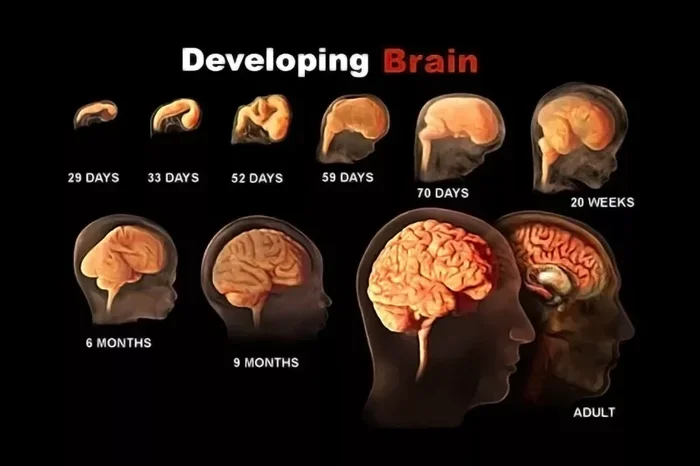
When does your brain stop developing? Most people think it happens at 18, but the surprising answer is around age 25. This crucial development period, especially in the prefrontal cortex, shapes how you make decisions, regulate emotions, and navigate relationships. Understanding this timeline can completely change how you view your own growth and the people around you.
Have you ever wondered, when does your brain stop developing? It is a common assumption that our brains are fully grown by the time we reach adulthood. However, science tells a much more fascinating story. The truth is that your brain undergoes massive changes well into your mid-twenties. This surprising timeline impacts everything from your daily choices to your romantic relationships. Keep reading to discover exactly how your brain matures and why it matters.
For years, scientists believed the brain was done growing by the time we hit puberty. Modern brain imaging has completely changed that view. The reality is much more complex and interesting. Understanding this process helps us make sense of our behaviors, especially in our early twenties. It also gives us a roadmap for personal growth later in life.
Key Takeaways
- The Magic Age: Your brain typically stops developing around age 25, with the prefrontal cortex being the last area to fully mature.
- Back-to-Front Rule: The brain develops from the back (basic functions) to the front (complex thinking), which explains teenage impulsivity.
- Synaptic Pruning: Your brain trims away unused neural connections to become more efficient, following a “use it or lose it” rule.
- Relationship Impact: Brain maturity heavily influences emotional regulation and decision-making in romantic relationships.
- Neuroplasticity Wins: Even after 25, your brain can rewire itself, learn new things, and heal from trauma.
- Stress Halts Growth: Chronic stress and trauma can physically alter brain development and delay maturity.
- Lifelong Growth: You can support your brain health at any age through sleep, exercise, and learning.
📑 Table of Contents
- The Big Reveal: At What Age Does Your Brain Fully Mature?
- The Two Halves: Grey Matter vs. White Matter
- How Brain Development Affects Your Decisions and Relationships
- The Game Changer: Neuroplasticity After 25
- Common Mistakes People Make About Brain Maturity
- Expert Insights: How to Support Your Brain at Any Age
- Why This Matters for Your Love Life
The Big Reveal: At What Age Does Your Brain Fully Mature?
So, when does your brain stop developing? The general scientific consensus points to around age 25. However, it is not like a light switch that flips on your 25th birthday. Brain maturation is a slow, gradual process. Different parts of the brain develop at different speeds.
The Prefrontal Cortex: The CEO of Your Brain
The last part of the brain to fully mature is the prefrontal cortex. This area sits right behind your forehead. It is the CEO of your brain. It handles planning, decision-making, and impulse control. It also manages how we interact with others. When this area is underdeveloped, it is much harder to think logically and control your emotions.
Why the Delay? The Back-to-Front Rule
The brain develops from the back to the front. The back of the brain handles basic functions. These include visual processing, movement, and emotional reactions. These areas mature first. The front of the brain handles complex thought. Because the prefrontal cortex is at the very front, it is the last to finish construction. This is why teenagers can feel emotions deeply but struggle to make rational choices.
The Two Halves: Grey Matter vs. White Matter

Visual guide about human brain development concept
Image source: thumbs.dreamstime.com
To truly understand when does your brain stop developing, we need to look at the physical changes happening inside your head. Two major processes occur as you age: grey matter pruning and white matter growth. These changes make your brain faster and more efficient.
Synaptic Pruning: Use It or Lose It
When you are a child, your brain creates millions of neural connections. As you enter your teenage years, your brain starts cutting away the connections you do not use. This process is called synaptic pruning. It is like trimming a tree so the strong branches can grow better. If you practice a skill, that neural pathway stays. If you ignore it, your brain gets rid of it to save energy.
Myelination: Speeding Up Your Mental Wiring
While grey matter is being pruned, white matter is increasing. White matter is made of myelin. Myelin is a fatty substance that coats your nerve fibers. Think of it like the rubber coating on an electrical wire. It prevents signal loss and speeds up communication between brain cells. As myelination increases, your brain processes information much faster. This process continues well into your mid-twenties.
How Brain Development Affects Your Decisions and Relationships
Visual guide about human brain development concept
Image source: geniusmind.sg
Understanding brain development is not just a science lesson. It has real-world implications, especially in your relationships. If you have ever wondered why you or your partner act a certain way, brain maturation might be the answer.
Emotional Regulation and Impulse Control
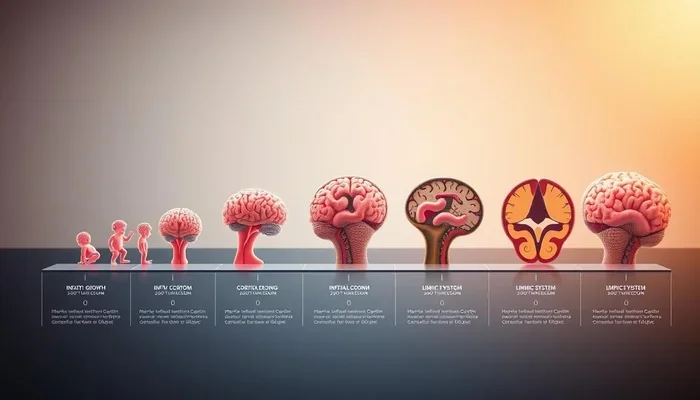
The limbic system is the emotional center of the brain. It develops very early. The prefrontal cortex, which regulates those emotions, develops late. This creates a gap. During your teens and early twenties, you have a fully revved engine but weak brakes. This leads to impulsive decisions and emotional outbursts. In a relationship, this can look like picking fights over small things or struggling to communicate calmly.
When someone lashes out emotionally, it often shows a lack of impulse control. Instead of reacting, they act on raw emotion. Understanding this can help you have more patience with your partner. It also helps you recognize when you need to step back and cool down before speaking. If you are dealing with a partner who struggles with this, learning how to handle emotional reactions is key. In fact, giving someone the silent treatment speaks volumes about your character and often stems from this exact inability to regulate emotions.
Why We Make Risky Choices in Our Teens and Twenties
Because the reward center of the brain matures early, young adults are highly motivated by rewards. The prefrontal cortex normally tells us to slow down and think about consequences. But when it is underdeveloped, the reward center takes the wheel. This leads to risky choices. This can range from financial risks to dating the wrong people. Many people look back at their early twenties and wonder what they were thinking. The answer is simple: their brains were still under construction.
The Game Changer: Neuroplasticity After 25
Visual guide about human brain development concept
Image source: image4.slideserve.com
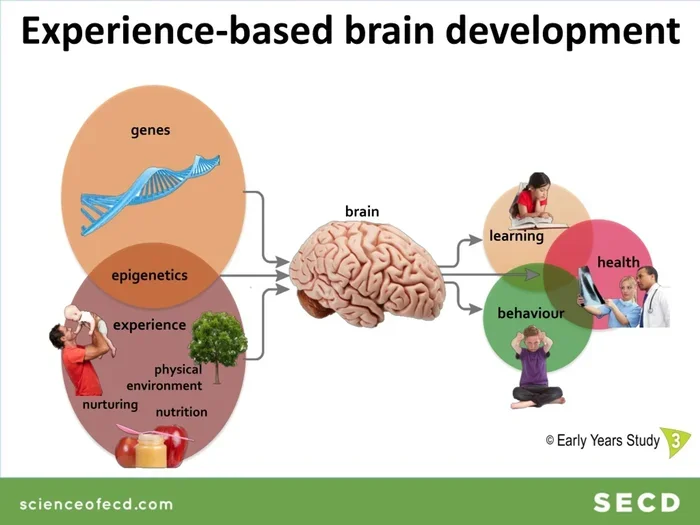
So, you might be thinking, “Great, my brain stops developing at 25. Is that it?” Not at all. The most exciting part of neuroscience is neuroplasticity. Neuroplasticity is your brain’s ability to rewire itself and form new connections throughout your entire life.
Your Brain Is Never Truly “Finished”
While the basic architecture of your brain is set by your mid-twenties, the details can change forever. You can learn a new language at 40. You can overcome a bad habit at 50. You can heal from trauma at 60. Your brain is constantly adapting to your environment and experiences. The structure may be set, but the function is highly flexible.
How to Keep Your Brain Growing and Changing
You have the power to change your brain every single day. Every time you learn something new, you build new neural pathways. When you change a habit, you prune old connections and grow new ones. This requires energy and effort. What does energy have to do with mental health? Everything. Your brain uses a massive amount of your body’s energy. If you are exhausted, your brain cannot rewire itself effectively. Taking care of your physical health is the best way to support your brain’s ongoing development.
Common Mistakes People Make About Brain Maturity
When discussing when does your brain stop developing, people often fall into a few traps. They misunderstand what brain maturity means. Here are the most common mistakes to avoid.
Assuming Physical Age Equals Mental Maturity
Just because someone is 25 does not mean they act like it. Brain development is heavily influenced by environment, experiences, and trauma. Someone who grew up in a highly stressful environment may have a brain that acts younger than their biological age. Chronic stress releases cortisol, which can actually damage the prefrontal cortex and delay its development. Maturity is about life experience, not just the number of birthdays you have had.
Ignoring the Impact of Stress on the Brain
We often underestimate how much stress affects our brains. Trauma and severe anxiety can halt brain development. If you experienced a terrible breakdown or a highly stressful event, your brain might have gotten stuck in survival mode. When your brain is focused on surviving, it does not have the resources to grow and mature. This is why it is so important to address mental health struggles early. Learning how to restart your life after a terrible breakdown is a crucial step in getting your brain development back on track.
Expert Insights: How to Support Your Brain at Any Age
Whether you are 18 or 80, you can take steps to support your brain. A healthy brain leads to better decisions, stronger relationships, and a happier life. Here are some expert insights on how to keep your brain in top shape.
Quick Tips for Optimal Brain Health
- Prioritize Sleep: Your brain cleans itself and prunes neural connections while you sleep. Lack of sleep stops this process.
- Exercise Regularly: Physical activity increases blood flow to the brain and promotes the growth of new brain cells.
- Learn New Skills: Challenge your brain by learning a new language, instrument, or hobby. This builds strong neural pathways.
- Eat Brain-Boosting Foods: Omega-3 fatty acids, found in fish and walnuts, are essential for brain structure.
- Practice Mindfulness: Meditation has been shown to physically thicken the prefrontal cortex over time.
Brain Development Stages: A Comparison
| Age Range | Primary Brain Activity | Behavioral Impact |
|---|---|---|
| Birth – 12 Years | Rapid growth of grey matter and neural connections | Highly adaptable, learns quickly, relies heavily on emotional brain |
| 13 – 18 Years | Peak synaptic pruning, limbic system highly active | Risk-taking, emotional highs and lows, seeking peer approval |
| 19 – 25 Years | Prefrontal cortex maturing, myelination increasing | Improving impulse control, better long-term planning, emotional regulation |
| 26+ Years | Neuroplasticity maintains and rewires existing pathways | Wisdom, stable emotional regulation, ability to learn new skills |
Why This Matters for Your Love Life
You might be wondering why an article about when does your brain stop developing is in the dating tips category. The answer is simple: relationships require a fully functioning prefrontal cortex. Love is not just about feelings. It is about communication, compromise, and commitment. These are all executive functions handled by the front of your brain.
When you understand brain development, you can approach dating with more empathy. You can forgive your younger self for bad relationship choices. You can also set realistic expectations for your partner. If they are under 25, they are literally still building the part of the brain needed for long-term planning and emotional control. If they are older but acting immaturely, they may have experienced trauma that stalled their growth. Either way, knowledge is power. Use this information to build healthier, stronger connections with the people you love.
Frequently Asked Questions
Is the brain fully developed at 18?
No, the brain is not fully developed at 18. While 18 is the legal age of adulthood, the prefrontal cortex—the area responsible for decision-making and impulse control—is still under construction. It typically takes until around age 25 for the brain to reach full maturity.
Can the brain develop after 25?
Absolutely. Thanks to neuroplasticity, your brain can form new connections and rewire itself throughout your entire life. While the basic structure is set by your mid-twenties, you can always learn new skills, change habits, and improve your cognitive function.
What part of the brain develops last?
The prefrontal cortex is the last part of the brain to develop. Located at the very front of the brain, it controls executive functions like planning, organizing, and controlling impulses. It is the reason why teenagers often struggle with rational decision-making.
How does brain development affect decision making?
Because the emotional center of the brain matures before the logical center, young adults often make decisions based on emotion rather than logic. As the prefrontal cortex matures, people gain the ability to think ahead, weigh consequences, and control their impulses.
Does stress affect brain development?
Yes, chronic stress can severely impact brain development. High levels of the stress hormone cortisol can damage the prefrontal cortex and shrink the hippocampus, which is vital for memory. This can delay cognitive maturity and make emotional regulation much harder.
How can I improve my brain plasticity?
You can improve brain plasticity by challenging your mind. Learn a new language, play a musical instrument, or take up a complex hobby. Physical exercise, quality sleep, and a healthy diet also play a massive role in keeping your brain adaptable and strong.
In conclusion, asking when does your brain stop developing opens the door to a fascinating world of science and self-discovery. The surprising answer is around age 25, but the story does not end there. Your brain is an incredible, adaptable organ that can grow and change throughout your entire life. By understanding how your brain matures, you can make better decisions, cultivate deeper relationships, and have more compassion for yourself and others. Treat your brain well, challenge it often, and never stop learning.
