

Struggling with the fear of getting rid of things? You’re not alone. Disposophobia affects millions of people, making it incredibly difficult to let go of possessions—even those with no practical value. This comprehensive guide explores the psychology behind disposophobia, its impact on your daily life and relationships, and actionable steps to help you reclaim your space and peace of mind.
[FEATURED IMAGE_PLACEHOLDER]
Does the thought of throwing something away make your chest tight? Do you find yourself keeping broken items, old magazines, or clothes you haven’t worn in years—just in case? If so, you might be experiencing disposophobia, the intense fear of getting rid of things. This condition affects millions of people worldwide and can quietly take over your living space, your relationships, and your mental well-being. The good news? Understanding this fear is the first step toward overcoming it. In this guide, we’ll walk you through everything you need to know about disposophobia, from its psychological roots to practical, compassionate strategies that can help you let go and breathe easier.
Have you ever walked into your home and felt overwhelmed by the sheer volume of stuff surrounding you? Maybe you’ve promised yourself you’d clean out the garage or finally tackle that closet, but when the moment comes, you just can’t do it. That paralyzing inability to discard possessions isn’t laziness or poor organization—it’s a genuine psychological struggle. Let’s explore what’s really happening when the fear of letting go takes hold.
Key Takeaways
- Disposophobia is real: The fear of getting rid of things is a recognized psychological condition that goes beyond simply being messy or disorganized.
- Emotional attachment drives hoarding: People with disposophobia often assign deep emotional meaning to objects, making discarding feel like losing a part of themselves.
- Relationships suffer significantly: Clutter and hoarding behavior create tension with partners, family members, and potential romantic interests.
- Root causes vary: Childhood experiences, trauma, loss, and anxiety disorders can all contribute to the development of disposophobia.
- Small steps matter most: Overcoming this fear doesn’t require drastic measures—gradual, consistent efforts yield lasting results.
- Professional help is available: Therapists specializing in hoarding disorders can provide targeted strategies for recovery.
- Freedom awaits: Letting go of physical clutter often leads to emotional liberation and improved mental health.
📑 Table of Contents
- What Is Disposophobia? Understanding the Fear of Letting Go
- The Psychology Behind the Fear of Getting Rid of Things
- How Disposophobia Affects Your Daily Life and Relationships
- Signs You Might Be Struggling with Disposophobia
- Practical Strategies to Overcome the Fear of Discarding
- Building a Healthier Relationship with Your Belongings
- When to Seek Professional Help
- Comparison: Disposophobia vs. Normal Collecting vs. Messiness
- Maintaining Progress and Preventing Relapse
What Is Disposophobia? Understanding the Fear of Letting Go
Disposophobia—also known as compulsive hoarding or discarding anxiety—is the irrational and persistent fear of getting rid of things. People with this condition experience intense distress at the thought of throwing away, selling, or donating their possessions. Unlike collectors who display items proudly or messy people who simply haven’t organized, those with disposophobia feel genuine panic when faced with decluttering.
The Difference Between Hoarding and Disposophobia
While often used interchangeably, these terms have distinct meanings. Hoarding refers to the behavior of accumulating excessive items. Disposophobia is the underlying fear that drives that behavior. You can think of it this way: hoarding is the symptom, and disposophobia is the cause.
Key distinctions include:
- Hoarding focuses on the acquisition and accumulation of items
- Disposophobia centers on the fear and anxiety around discarding anything
- Someone might hoard without having disposophobia if they don’t experience distress about getting rid of things
- Conversely, someone with disposophobia might not visibly hoard but experiences intense internal conflict about discarding
How Common Is This Fear?
Research suggests that approximately 2-6% of the population experiences clinically significant hoarding behaviors. Many more people struggle with milder forms of attachment to objects and discarding difficulty without meeting the full criteria for a diagnosis. This means you’re far from alone in your struggle.
The Psychology Behind the Fear of Getting Rid of Things
Understanding why you can’t let go requires looking beneath the surface. The emotional attachment to things that characterizes disposophobia isn’t random—it’s deeply rooted in psychological patterns and past experiences.
Childhood Experiences and Material Insecurity
Many people who develop disposophobia grew up in environments where resources were scarce. Perhaps your family experienced financial hardship, or you lived through a period of instability where losing possessions meant genuine deprivation. These early experiences wire the brain to hold onto everything as a survival mechanism.
Common childhood contributors include:
- Growing up in poverty or financial instability
- Experiencing sudden loss of home or belongings
- Having possessions taken away as punishment
- Witnessing parents or caregivers who hoarded
- Lacking consistent access to basic necessities
Emotional Attachment and Object Memory
Objects become vessels for memories and emotions. That concert ticket isn’t just paper—it’s the night you fell in love. That broken watch isn’t junk—it’s your grandfather’s final gift. When you have disposophobia, every item carries emotional weight that makes discarding feel like erasing a piece of your history.
The “Just in Case” Mentality
Possession anxiety often manifests as an overwhelming “what if” mindset. What if you need this someday? What if it becomes valuable? What if throwing it away brings bad luck? This catastrophic thinking creates a mental prison where every item must be kept because its potential future use feels more important than your current peace.
How Disposophobia Affects Your Daily Life and Relationships
The impact of disposophobia extends far beyond a cluttered home. It seeps into every aspect of your existence, often in ways you might not immediately recognize.
Impact on Romantic Relationships
This is where the dating tips category becomes especially relevant. Imagine bringing a partner home for the first time and navigating narrow pathways through stacks of boxes. Picture trying to cook dinner together in a kitchen where every surface is covered. Clutter-related stress creates enormous tension in romantic relationships.
Partners may feel:
- Embarrassed to invite friends or family over
- Frustrated by the inability to use shared spaces
- Worried about health and safety hazards
- Rejected when their concerns are dismissed
- Hopeless about the relationship’s future
If you’re single and struggling with disposophobia, you might avoid dating altogether because you’re ashamed of your living situation. This isolation only reinforces the cycle of accumulating more items for comfort.
Social Isolation and Shame
Many people with disposophobia stop inviting people over entirely. They make excuses, avoid hosting gatherings, and gradually withdraw from social connections. This isolation feeds depression and anxiety, which in turn makes the hoarding worse—creating a vicious cycle that’s incredibly difficult to break alone.
Physical Health Consequences
The accumulation disorder associated with disposophobia creates real health risks:
- Dust accumulation triggering allergies and respiratory issues
- Fire hazards from blocked exits and flammable materials
- Trip and fall risks in cluttered pathways
- Pest infestations from hidden food waste or paper piles
- Difficulty maintaining hygiene in overcrowded spaces
Signs You Might Be Struggling with Disposophobia
Not sure if your attachment to possessions crosses into disposophobia territory? Here are the warning signs that indicate your saving behavior has become problematic.
Emotional Warning Signs
- Feeling panic or anxiety when thinking about discarding items
- Experiencing guilt when throwing away even obviously useless things
- Feeling personally attacked when others suggest decluttering
- Believing that objects carry spiritual or emotional essence
- Using possessions as emotional substitutes for human connection
Behavioral Warning Signs
- Keeping broken or non-functional items “just in case”
- Buying replacement items before discarding old ones
- Moving items from pile to pile without actually organizing
- Feeling physically unable to throw things away
- Avoiding home maintenance because you can’t access problem areas
The Clutter Test
Ask yourself these honest questions:
- Can you use your furniture for its intended purpose?
- Can you walk through every room without navigating obstacles?
- Can you find important documents when you need them?
- Would you feel comfortable with unexpected guests seeing your home?
- Have you lost important items in your clutter more than once?
If you answered “no” to multiple questions, it’s time to address the underlying fear.
Practical Strategies to Overcome the Fear of Discarding
Recovery from disposophobia is absolutely possible. The key is approaching the process with compassion, patience, and realistic expectations. You won’t transform overnight, but small consistent steps create lasting change.
Start with the Obvious
Begin your decluttering journey with items that carry the least emotional weight. Don’t start with family heirlooms or sentimental items. Instead, try:
- Expired food and medications
- Broken items that cannot be repaired
- Duplicate items you never use
- Empty containers and packaging
li>Old newspapers and magazines you’ll never read
Quick Tip: Use the “touch it once” rule. When you pick up an item, make an immediate decision: keep, donate, or discard. Don’t put it back “for now.”
The Four-Box Method
This classic approach works wonders for people with decluttering anxiety:
- Keep: Items you use regularly and genuinely need
- Donate: Items in good condition that others could use
- Trash: Items that are broken, expired, or unusable
- Undecided: Items you’re not ready to decide on yet
The undecided box is crucial. It acknowledges that letting go takes time. Set a date 30 days in the future to revisit this box—if you haven’t needed anything in it by then, donate the entire box without looking inside.
Photograph Sentimental Items
For items that carry emotional weight but serve no practical purpose, take a photograph before letting them go. This preserves the memory without keeping the physical object. Create a digital album of these memories—you’ll be surprised how much lighter you feel.
The 12-12-12 Challenge
This exercise from professional organizers is perfect for building decluttering momentum:
- Find 12 items to throw away
- Find 12 items to donate
- Find 12 items to return to their proper home
This simple challenge demonstrates that letting go isn’t catastrophic—it’s manageable and even empowering.
Address the Root Anxiety
Decluttering without addressing the underlying fear is like putting a bandage on a wound that needs stitches. Consider working with a therapist who specializes in hoarding disorder or anxiety. Cognitive Behavioral Therapy (CBT) has shown particular effectiveness in treating disposophobia by helping you challenge and reframe the catastrophic thoughts that drive your saving behavior.
Building a Healthier Relationship with Your Belongings
Overcoming disposophobia isn’t just about getting rid of things—it’s about developing a new, healthier relationship with the items you choose to keep.
Understanding Your “Why”
Before acquiring anything new, ask yourself:
- Do I genuinely need this?
- Do I have space for this?
- Will I still want this in 30 days?
- Am I buying this to fill an emotional need?
Common Mistake: Shopping as emotional therapy. If you notice you accumulate more when stressed, sad, or anxious, address those feelings directly rather than through acquisition.
Creating Designated Spaces
Give every item you keep a specific home. When everything has a place, you can immediately see when categories are overflowing. If your closet is full, you can’t buy new clothes without first making space. This natural limitation prevents future accumulation.
The One-In-One-Out Rule
For every new item that enters your home, one must leave. This simple rule maintains equilibrium and forces you to evaluate whether new purchases are truly worth letting go of existing possessions.
Reframing Your Mindset
Instead of thinking “I might need this someday,” try asking “If I needed this someday, could I borrow, rent, or buy it again?” The answer is almost always yes. You’re not losing security by letting go—you’re gaining freedom.
Finding Peace Beyond Possessions
True security doesn’t come from accumulating objects—it comes from knowing you can handle whatever life throws at you. Learning to let go of unnecessary burdens applies to emotional weight as much as physical clutter. When you release the need to hold onto everything, you create space for new experiences, relationships, and growth.
When to Seek Professional Help
Sometimes disposophobia requires professional intervention. There’s absolutely no shame in seeking help—in fact, it’s one of the bravest steps you can take.
Signs You Need Professional Support
- Your living space is unsafe or unsanitary
- Your relationships are severely damaged
- You’ve tried self-help strategies without success
- You experience panic attacks when attempting to declutter
- Your hoarding is connected to trauma or loss
- You can’t function in daily life due to clutter
Types of Professional Help Available
- Cognitive Behavioral Therapy (CBT): Targets the thought patterns driving hoarding behavior
- Exposure Therapy: Gradually exposes you to discarding in a controlled, supportive environment
- Medication: SSRIs can help when disposophobia co-occurs with anxiety or depression
- Professional Organizers: Specialists who understand the emotional component of clutter
- Support Groups: Connecting with others who share your struggle reduces shame and isolation
Helping a Loved One
If someone you care about struggles with disposophobia, approach the situation with empathy rather than judgment. Avoid saying things that make conflicts worse like “you’re just lazy” or “this is disgusting.” Instead, express concern for their well-being and offer to help them find resources.
Expert Insight: Dr. Randy O. Frost, a leading researcher on hoarding, emphasizes that forced cleanouts without therapeutic support often backfire. The anxiety of losing possessions without addressing the underlying fear typically results in rapid re-accumulation.
Comparison: Disposophobia vs. Normal Collecting vs. Messiness

Visual guide about cluttered room anxiety
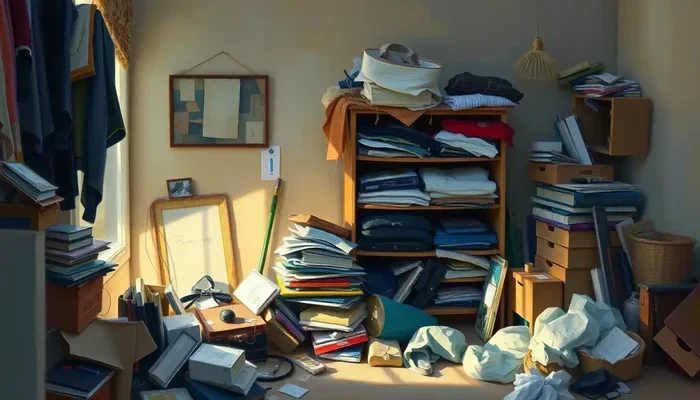
Visual guide about cluttered room anxiety
Image source: neurolaunch.com
Image source: wp.enotalone.com
| Characteristic | Disposophobia | Collecting | Messiness |
|---|---|---|---|
| Emotional distress when discarding | Severe anxiety or panic | Mild disappointment | No distress |
| Living space functionality | Severely impaired | Functional with designated display areas | Functional but disorganized |
| Item organization | Chaotic accumulation | Systematically organized | Randomly placed but accessible |
| Impact on relationships | Severe conflict and isolation | Minimal impact | Occasional annoyance |
| Health and safety risks | Significant hazards | Minimal risks | Minor inconveniences |
| Ability to stop acquiring | Compulsive, uncontrollable | Budgeted and intentional | Not typically an issue |
Maintaining Progress and Preventing Relapse
Recovery from disposophobia isn’t a one-time event—it’s an ongoing practice. Here’s how to maintain your progress and prevent sliding back into old patterns.
Daily Decluttering Habits
- Spend 10 minutes daily tidying and evaluating items
- Process mail immediately—don’t let paper accumulate
- Put items back in their designated homes every evening
- Do a quick scan before bed: what can I let go of tomorrow?
Monthly Check-Ins
Schedule a monthly review of your spaces. Has clutter started creeping back? Are there categories of items that consistently accumulate? Identifying patterns early prevents major relapses.
Seasonal Purges
Use the change of seasons as natural decluttering triggers. When you swap out seasonal clothing, evaluate what you actually wore. When you deep clean, notice what’s been sitting untouched.
Celebrating Progress
Acknowledge how far you’ve come. Finding happiness in small victories sustains motivation through the challenging work of letting go. Take before-and-after photos. Notice how much easier cleaning has become. Appreciate the mental clarity that comes with physical space.
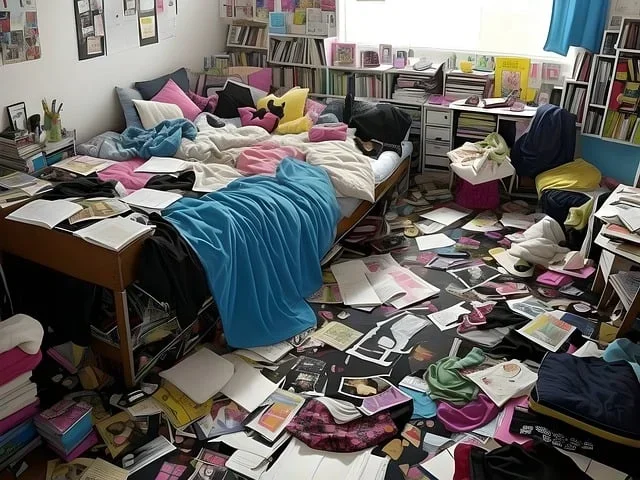
Visual guide about cluttered room anxiety
Image source: vantagepointmag.co.uk
Frequently Asked Questions
What exactly causes disposophobia?
Disposophobia typically stems from a combination of factors including childhood experiences with scarcity, traumatic loss, anxiety disorders, and learned behavior from family members. There’s rarely a single cause—instead, multiple experiences converge to create an intense fear of discarding possessions.
Is disposophobia the same as being lazy or messy?
Absolutely not. Disposophobia is a genuine psychological condition characterized by intense anxiety about getting rid of things. Laziness implies a lack of motivation, whereas people with disposophobia often desperately want to declutter but feel psychologically unable to do so.
Can disposophobia be cured completely?
While “cure” might not be the right word, disposophobia can be effectively managed and overcome. Many people learn to maintain clutter-free homes through therapy, support groups, and consistent practice. The key is addressing the underlying anxiety rather than just the surface-level clutter.
How does disposophobia affect dating and relationships?
Disposophobia can severely impact romantic relationships by creating embarrassment, limiting shared spaces, and generating conflict about the living environment. Many people with this fear avoid dating entirely due to shame about their homes, while couples often experience significant tension around the issue.
Should I throw away a hoarder’s things without asking?
Never discard someone’s possessions without their consent, even if you believe you’re helping. Forced cleanouts typically cause severe psychological distress and often result in worse hoarding behavior afterward. Instead, encourage professional help and offer compassionate support.
What’s the first step to overcoming the fear of getting rid of things?
The first step is acknowledging the problem without shame. Start with the least emotionally charged items—like expired products or obvious trash—and gradually work up to more challenging decisions. Consider seeking professional support from a therapist experienced with hoarding disorders.
