

Why cant you wake up a sleepwalker? The truth is more complex than the old myth suggests. While waking a sleepwalker wont cause a heart attack, it can trigger confusion, fear, and even aggressive reactions. This article reveals the real science behind sleepwalking and shows you exactly how to keep your loved ones safe during an episode.
Have you ever heard someone say, “Never wake a sleepwalker”? It sounds like the kind of warning your grandmother would give you before a scary campfire story. But unlike most old wives’ tales, this one has a fascinating scientific backstory that deserves a closer look. The truth about sleepwalking is far more interesting than the myth suggests. Understanding what really happens in the brain during a sleepwalking episode can help you protect your loved ones and handle these situations with confidence. So let’s dive into the surprising reality behind one of sleep’s most mysterious phenomena.
The old warning about not waking a sleepwalker has been passed down for generations. Most people believe it could cause a heart attack, shock, or even death. But sleep researchers have discovered that the real reason is much more practical and grounded in how our brains work during deep sleep. Once you understand the science, you’ll know exactly what to do if you ever encounter someone sleepwalking.
Key Takeaways
- Waking a sleepwalker is not dangerous but can cause confusion and distress for both of you.
- Sleepwalking occurs during deep non-REM sleep when the brain is partially awake and partially asleep.
- Gently guiding a sleepwalker back to bed is the safest and most effective approach.
- Stress, sleep deprivation, and genetics are the most common triggers for sleepwalking episodes.
- Creating a safe sleep environment is essential to prevent injuries during episodes.
- Children are more prone to sleepwalking due to their developing nervous systems.
- Professional help may be needed if sleepwalking becomes frequent or dangerous.
📑 Table of Contents
- What Is Sleepwalking? Understanding Somnambulism
- Why You Cant Wake Up A Sleepwalker The Real Science
- What Happens If You Wake A Sleepwalker?
- How To Handle A Sleepwalker Safely
- What Causes Sleepwalking?
- Creating A Safe Environment For Sleepwalkers
- Sleepwalking In Children What Parents Should Know
- Adult Sleepwalking When To Seek Help
- Common Myths About Sleepwalking Debunked
- The Connection Between Sleepwalking And Other Sleep Disorders
- Living With A Sleepwalker Practical Advice
- Conclusion
What Is Sleepwalking? Understanding Somnambulism
Sleepwalking, known medically as somnambulism, is a type of parasomnia. Parasomnias are unusual behaviors that happen during sleep. Sleepwalking typically occurs during the deepest stage of non-REM sleep, called slow-wave sleep or N3 sleep. This stage usually happens in the first third of the night.
During a sleepwalking episode, a person’s brain exists in a strange hybrid state. Parts of the brain are deeply asleep while other parts are partially awake. The motor system can walk, open doors, and even perform complex tasks. But the conscious mind remains largely offline. This is why sleepwalkers often have glassy eyes, blank expressions, and little to no memory of their actions.
How Common Is Sleepwalking?
Sleepwalking is surprisingly common. Studies show that about 1-15% of the population experiences sleepwalking at some point. Children between the ages of 3 and 7 are the most affected group. This is because their nervous systems are still developing and they spend more time in deep sleep than adults do.
Many people who sleepwalk as children outgrow the condition by adolescence. However, some continue to experience episodes into adulthood. Adult sleepwalking can be triggered by stress, sleep deprivation, alcohol consumption, or certain medications.
Why You Cant Wake Up A Sleepwalker The Real Science
Visual guide about sleepwalking person bedroom
Image source: c8.alamy.com
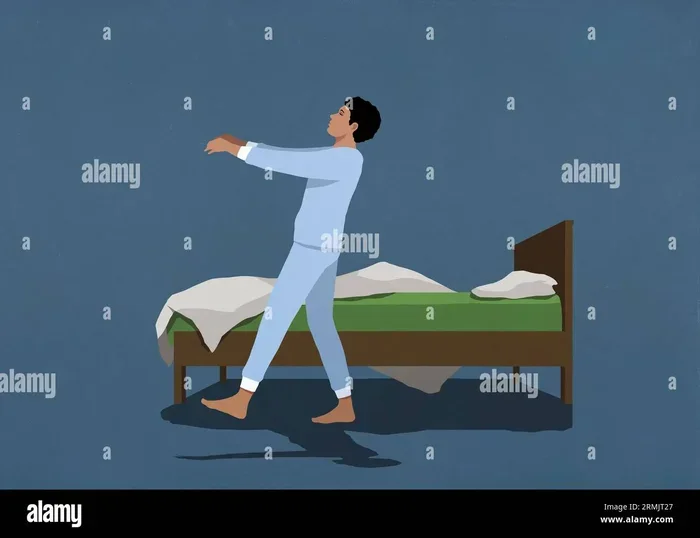
Now let’s address the big question: why cant you wake up a sleepwalker? The answer lies in understanding what’s happening in the brain during a sleepwalking episode. When someone is sleepwalking, their brain is in a state of deep slow-wave sleep. This is the most difficult stage of sleep to wake from.
During deep sleep, the brain produces large, slow delta waves. These waves indicate that the brain is in its most restorative state. Trying to wake someone from this stage is like trying to pull them out of a very deep pool. The brain resists the transition to wakefulness. This resistance can cause significant confusion and disorientation.
The Myth vs. Reality
The old myth claims that waking a sleepwalker will cause their heart to stop or send them into shock. This is simply not true. Sleep researchers have found no evidence that waking a sleepwalker causes physical harm. However, there are real reasons why it’s not recommended.
When you suddenly wake a sleepwalker, they experience something called confusional arousal. This is a state of extreme confusion and disorientation. The person doesn’t know where they are, what time it is, or what’s happening. This confusion can be frightening for both the sleepwalker and the person trying to wake them.
What Happens In The Brain?
During a sleepwalking episode, the prefrontal cortex, the part of the brain responsible for decision-making and self-awareness, remains largely inactive. Meanwhile, the motor cortex and other movement-related areas are active. This creates a situation where the body can move but the conscious mind isn’t fully engaged.
When you try to wake a sleepwalker, you’re essentially forcing the prefrontal cortex to come online suddenly. This abrupt transition can cause a surge of adrenaline and cortisol. The person may react defensively or aggressively, not because they’re angry, but because their brain is trying to make sense of a confusing situation.
What Happens If You Wake A Sleepwalker?

Visual guide about sleepwalking person bedroom
Image source: shutterstock.com
So what actually happens if you do wake a sleepwalker? Let’s break down the possible reactions you might encounter.
Confusion and Disorientation
The most common reaction is extreme confusion. The sleepwalker may not recognize you or their surroundings. They might ask questions like “Where am I?” or “What are you doing here?” This confusion usually lasts a few minutes as the brain fully transitions to wakefulness.
Fear and Panic
Some sleepwalkers experience intense fear when woken. They may scream, cry, or try to flee. This fear response is a natural reaction to suddenly finding themselves in an unexpected situation. The amygdala, the brain’s fear center, can become hyperactive during the transition from deep sleep to wakefulness.
Aggressive Reactions
In some cases, a woken sleepwalker may react aggressively. They might push, hit, or try to escape. This is not intentional aggression. It’s a defensive response triggered by the brain’s confusion. The person perceives the situation as threatening because they can’t process what’s happening.
Physical Symptoms
Waking suddenly from deep sleep can cause temporary physical symptoms. These may include a racing heart, sweating, trembling, and rapid breathing. These symptoms are caused by the sudden release of stress hormones and usually subside within minutes.
How To Handle A Sleepwalker Safely

Visual guide about sleepwalking person bedroom
Image source: c8.alamy.com
Now that you understand why waking a sleepwalker isn’t ideal, let’s talk about what you should do instead. The safest approach is to gently guide the person back to bed without fully waking them.
Step-By-Step Guide
Here’s exactly what to do if you encounter someone sleepwalking:
- Stay calm and quiet. Avoid sudden movements or loud noises that could startle the person.
- Speak softly and gently. Use a calm, reassuring voice to guide them.
- Lightly touch their arm or shoulder. This can help redirect their attention without fully waking them.
- Guide them back to bed. Walk beside them, gently steering them in the right direction.
- Once they’re in bed, leave them alone. They’ll typically fall back into deep sleep on their own.
When Should You Wake A Sleepwalker?
There are situations where waking a sleepwalker is necessary. If the person is in immediate danger, such as trying to leave the house or approach a staircase, you should wake them. In these cases, the risk of injury from sleepwalking outweighs the confusion of being woken.
To wake a sleepwalker safely, do it from a distance. Use a loud but not startling voice. Say their name clearly and repeatedly. Avoid shaking or grabbing them, as this can trigger a defensive reaction.
What Causes Sleepwalking?
Understanding the causes of sleepwalking can help you prevent episodes and manage the condition effectively. Sleepwalking is rarely caused by a single factor. It’s usually a combination of genetic, environmental, and physiological triggers.
Genetics and Family History
Genetics play a significant role in sleepwalking. If one parent has a history of sleepwalking, their child has about a 45% chance of developing the condition. If both parents have a history, the risk jumps to around 60%. This suggests that sleepwalking has a strong hereditary component.
Sleep Deprivation
Lack of sleep is one of the most common triggers for sleepwalking. When a person is sleep-deprived, the brain compensates by spending more time in deep sleep. This increases the likelihood of sleepwalking episodes. Maintaining a consistent sleep schedule can significantly reduce the frequency of episodes.
Stress and Anxiety
High levels of stress and anxiety can trigger sleepwalking in susceptible individuals. When the brain is processing emotional stress during sleep, it can create the hybrid state of consciousness that leads to sleepwalking. Managing stress through relaxation techniques, exercise, and therapy can help reduce episodes.
Other Common Triggers
Several other factors can trigger sleepwalking:
- Alcohol consumption disrupts sleep architecture and can trigger episodes
- Caffeine close to bedtime can interfere with deep sleep
- Certain medications including sedatives, hypnotics, and some antidepressants
- Fever especially in children, can trigger sleepwalking
- Sleep disorders such as sleep apnea or restless leg syndrome
- Irregular sleep schedules such as shift work or jet lag
Just as unmanaged stress can manifest in unexpected ways during our waking hours, it can also trigger unusual behaviors during sleep like sleepwalking.
Creating A Safe Environment For Sleepwalkers
If someone in your household sleepwalks, creating a safe environment is your top priority. Sleepwalking can lead to serious injuries if the person encounters hazards while moving through the home.
Home Safety Checklist
Here are essential safety measures to implement:
- Lock doors and windows to prevent the sleepwalker from leaving the house
- Install gates at staircases to prevent falls
- Remove sharp objects and tripping hazards from hallways and bedrooms
- Use door alarms or bells that alert you when a door is opened
- Keep floors clear of clutter, shoes, and other obstacles
- Lock away dangerous items such as knives, tools, and medications
Bedroom Safety Tips
The bedroom should be a safe haven for a sleepwalker. Consider these modifications:
- Place the bed on the floor if falls are a concern
- Use padded bed rails for children who sleepwalk
- Keep the bedroom door closed to prevent wandering
- Remove furniture with sharp corners from the sleepwalker’s path
- Ensure the room is dark and quiet to promote restful sleep
Sleepwalking In Children What Parents Should Know
Children are the most common sleepwalkers. If your child sleepwalks, it can be alarming to witness. However, most childhood sleepwalking is benign and resolves on its own with age.
Why Children Sleepwalk More
Children spend more time in deep slow-wave sleep than adults. Their nervous systems are still developing, which makes them more susceptible to parasomnias. Additionally, children’s brains are still learning to regulate the transitions between sleep stages smoothly.
When To Worry
Most childhood sleepwalking doesn’t require medical intervention. However, you should consult a doctor if:
- Episodes occur multiple times per week
- The child engages in dangerous activities while sleepwalking
- Sleepwalking persists into adolescence
- The child experiences daytime sleepiness or behavioral issues
- Episodes involve complex behaviors like leaving the house
Helping Your Child
The best approach for childhood sleepwalking is to gently guide your child back to bed. Don’t try to wake them. Don’t talk to them about the episode the next day, as this can create anxiety. Instead, focus on ensuring they get enough sleep and maintaining a consistent bedtime routine.
Just as our bodies can sometimes feel disconnected from sensation, a sleepwalker’s body moves while their conscious awareness remains dormant.
Adult Sleepwalking When To Seek Help
While childhood sleepwalking is common and usually harmless, adult sleepwalking can indicate underlying issues that need attention. Adult-onset sleepwalking often has different causes than childhood sleepwalking.
Underlying Conditions
Adult sleepwalking can be associated with several medical and psychological conditions:
- Sleep apnea causes repeated breathing interruptions that fragment sleep
- Psychological stress from work, relationships, or life changes
- Neurological conditions such as epilepsy or migraines
- Gastroesophageal reflux disease (GERD) can disrupt sleep quality
- Psychiatric disorders including depression, anxiety, and PTSD
- Substance use including alcohol and recreational drugs
Treatment Options
If sleepwalking is frequent or dangerous, several treatment options are available:
- Scheduled awakenings waking the person briefly before their usual sleepwalking time
- Hypnosis has shown promise in reducing sleepwalking episodes
- Cognitive behavioral therapy helps manage stress and anxiety triggers
- Medication such as benzodiazepines or antidepressants in severe cases
- Treating underlying conditions like sleep apnea or GERD
Common Myths About Sleepwalking Debunked
Sleepwalking has accumulated many myths over the years. Let’s set the record straight on some of the most common misconceptions.
Myth 1: Sleepwalking Is Always Harmless
While most sleepwalking episodes are benign, they can be dangerous. Sleepwalkers have been known to drive cars, cook meals, and even leave their homes. These complex behaviors can lead to serious injuries. Never assume that sleepwalking is completely safe.
Myth 2: Sleepwalkers Dont Remember Anything
This is partially true but not absolute. Most sleepwalkers have little to no memory of their episodes. However, some people report fragmented memories or vague impressions of their sleepwalking activities. The level of amnesia varies from person to person.
Myth 3: Only Children Sleepwalk
While children sleepwalk more frequently, adults can and do sleepwalk too. About 25% of adults who sleepwalked as children continue to experience episodes. Additionally, some adults develop sleepwalking for the first time due to stress, medication, or other triggers.
Myth 4: You Should Restrain A Sleepwalker
Never try to physically restrain a sleepwalker. This can trigger a defensive or aggressive response. The safest approach is to gently guide them away from danger and back to bed. Restraint can cause injury to both you and the sleepwalker.
Myth 5: Sleepwalking Is A Sign Of Deep Psychological Problems
While stress and anxiety can trigger sleepwalking, the condition itself is not a sign of serious psychological issues. It’s a sleep disorder with biological and genetic roots. Most sleepwalkers are psychologically healthy individuals who simply have a tendency toward parasomnias.
The Connection Between Sleepwalking And Other Sleep Disorders
Sleepwalking rarely exists in isolation. It often co-occurs with other sleep disorders and can be part of a broader pattern of sleep disruption.
Night Terrors And Sleepwalking
Night terrors and sleepwalking are closely related. Both occur during deep non-REM sleep and involve partial arousal from sleep. A person experiencing a night terror may scream, thrash, and appear terrified. They may also get out of bed and walk around, blurring the line between night terrors and sleepwalking.
REM Sleep Behavior Disorder
REM sleep behavior disorder is different from sleepwalking. It occurs during REM sleep, the stage where most dreaming happens. People with this disorder physically act out their dreams. While sleepwalking happens during deep sleep, REM sleep behavior disorder happens during the dreaming stage.
Sleep Eating Disorder
Some sleepwalkers engage in eating during their episodes. This is known as sleep-related eating disorder. The person may consume unusual food combinations, inedible objects, or excessive amounts of food. They typically have no memory of these eating episodes the next morning.
Living With A Sleepwalker Practical Advice
If you live with someone who sleepwalks, you need to be prepared. Having a plan in place can help you respond calmly and effectively when an episode occurs.
Communication Strategies
Talk to the sleepwalker about their condition when they’re fully awake. Discuss safety measures and agree on a plan for handling episodes. This conversation should be supportive and non-judgmental. The person may feel embarrassed or anxious about their sleepwalking.
Monitoring And Tracking
Keep a sleep diary to track episodes. Note the time of night, duration, and any potential triggers. This information can help identify patterns and inform treatment decisions. Share this diary with a healthcare provider if you seek professional help.
Supporting A Partner Who Sleepwalks
If your partner sleepwalks, your role is to keep them safe without making them feel ashamed. Install safety measures together as a team. Consider sleeping in separate rooms if episodes are frequent and disruptive to your own sleep. Remember that sleepwalking is not something the person can control.
Living with unresolved stress in any relationship can affect sleep quality and overall wellbeing. If sleepwalking is causing tension in your relationship, addressing the underlying stressors together can help both partners feel more secure and supported.
Conclusion
So, why cant you wake up a sleepwalker? The answer is more nuanced than the old myth suggests. While waking a sleepwalker won’t cause physical harm, it can trigger confusion, fear, and defensive reactions that put both of you at risk. The safest approach is to gently guide the person back to bed and let them continue sleeping.
Understanding the science behind sleepwalking empowers you to handle episodes with confidence. Remember that sleepwalking occurs during deep non-REM sleep when the brain is in a hybrid state of consciousness. The person is not fully awake, and forcing them into wakefulness can be disorienting and distressing.
By creating a safe sleep environment, managing triggers like stress and sleep deprivation, and knowing how to respond during an episode, you can protect your loved ones and help them sleep more peacefully. If sleepwalking becomes frequent or dangerous, don’t hesitate to seek professional help. Sleep specialists can provide targeted treatments that address the root causes and reduce episodes.
The next time you hear someone say “never wake a sleepwalker,” you’ll know the real story. It’s not about heart attacks or shock. It’s about compassion, safety, and understanding how the sleeping brain works.
Frequently Asked Questions
What is Why Cant You Wake Up A Sleepwalker?
Why Cant You Wake Up A Sleepwalker is an important topic with many practical applications.
