
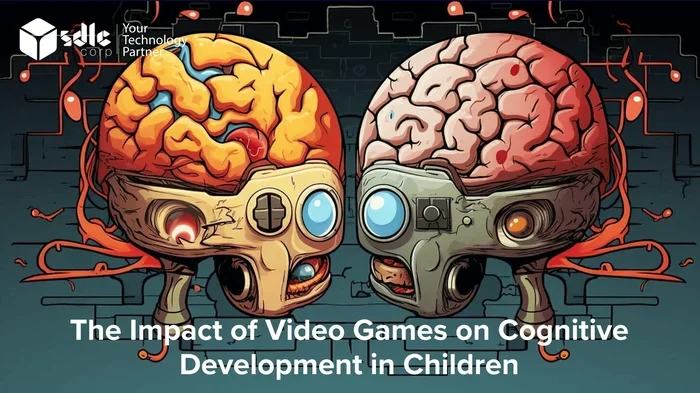
Video games affect the brain in surprising ways—boosting cognitive skills like problem-solving and spatial awareness while also carrying risks like addiction and attention issues. This article breaks down what science actually reveals about how gaming reshapes your grey matter, influences your mental health, and changes the way you think, feel, and connect with others.
You’ve probably heard someone say video games rot your brain. Maybe a parent, a teacher, or even a partner told you to stop wasting your time. But what if that old myth is completely wrong? Scientists have spent decades studying how video games affect the brain, and the results are far more complex—and fascinating—than anyone expected.
Here’s the truth: video games don’t just entertain you. They literally reshape your brain’s structure, rewire your neural pathways, and alter how you process information. Some of these changes are incredibly beneficial. Others can be genuinely harmful. Understanding the difference isn’t just interesting—it’s essential for anyone who plays games regularly, parents making decisions for their kids, or people trying to understand their own gaming habits.
In this article, we’ll walk through the actual research on gaming and brain function. You’ll learn how different game genres impact your cognition, what happens in your brain during a gaming session, when gaming becomes a problem, and how to build a healthier relationship with games. Let’s dive into what the science really shows.
Key Takeaways
- Video games physically change brain structure—increasing grey matter in regions tied to memory, attention, and motor control.
- Cognitive benefits are real—gaming improves problem-solving, decision-making speed, hand-eye coordination, and spatial reasoning.
- Addiction is a documented risk—excessive gaming triggers dopamine loops similar to substance dependency.
- Mental health impacts are mixed—games can relieve stress but also fuel anxiety, depression, and social isolation when overused.
- Not all games are equal—puzzle games, strategy games, and action games each affect the brain differently.
- Moderation is the key—healthy gaming habits maximize benefits while minimizing negative neurological consequences.
- Age matters significantly—children’s developing brains respond to gaming very differently than adult brains.
📑 Table of Contents
- The Neuroscience Behind Gaming: How Video Games Change Brain Structure
- Cognitive Benefits: How Gaming Sharpens Your Mind
- The Dark Side: Negative Brain Effects of Excessive Gaming
- How Different Game Genres Affect the Brain Differently
- Gaming and Mental Health: The Complex Relationship
- Age Matters: How Gaming Affects Developing Brains Differently
- Building a Healthy Gaming Lifestyle
- Common Myths About Video Games and the Brain
- Expert Insights: What Researchers Want You to Know
- Key Takeaways Summary
- Conclusion
The Neuroscience Behind Gaming: How Video Games Change Brain Structure
Let’s start with something mind-blowing. Video games don’t just change how you think—they change the physical structure of your brain. This isn’t science fiction. It’s peer-reviewed neuroscience.
Grey Matter Increases in Key Brain Regions
Researchers at the Max Planck Institute conducted a landmark study where participants played Super Mario 64 for 30 minutes daily over two months. The results? MRI scans showed increased grey matter in the right hippocampus, right prefrontal cortex, and cerebellum. These regions are responsible for spatial navigation, memory formation, strategic planning, and fine motor control.
Grey matter is where your brain processes information. More grey matter generally means more processing power. Think of it like upgrading your brain’s hardware. The games you play literally build new neural infrastructure.
Neuroplasticity and Gaming
Your brain has an incredible ability called neuroplasticity. It can reorganize itself by forming new neural connections throughout life. Video games are powerful neuroplasticity triggers because they demand constant learning, adaptation, and problem-solving.
Every time you learn a new game mechanic, master a difficult level, or develop a strategy, your brain is forging new pathways. This is why experienced gamers often show enhanced connectivity between brain regions compared to non-gamers.
The Dopamine Connection
Video games are dopamine machines. Every achievement, every level-up, every rare loot drop triggers a dopamine release in your brain’s reward system. This is the same neurotransmitter involved in motivation, pleasure, and learning.
In moderation, this dopamine response reinforces learning and keeps you engaged. But here’s where it gets tricky—excessive gaming can overstimulate this system. Over time, your brain may require more and more stimulation to feel the same reward. This is the same mechanism behind substance addiction.
Cognitive Benefits: How Gaming Sharpens Your Mind
Visual guide about brain gaming technology
Image source: dwgyu36up6iuz.cloudfront.net
Now let’s talk about the good stuff. The cognitive benefits of gaming are backed by substantial research. When played in moderation, video games can make you sharper, faster, and more mentally flexible.
Enhanced Problem-Solving Skills
Strategy games, puzzle games, and role-playing games constantly present you with complex problems requiring creative solutions. Research published in the journal PLOS ONE found that gamers who played strategy games showed improved problem-solving abilities and performed better on cognitive flexibility tests.
Games like Portal, The Legend of Zelda, and Civilization force you to think several steps ahead, consider multiple variables, and adapt when your initial plan fails. These skills transfer directly to real-world situations.
Faster Decision-Making Speed
Action games, particularly first-person shooters and racing games, require split-second decisions. A study from the University of Rochester found that action gamers make accurate decisions up to 25% faster than non-gamers. Even more impressive? This speed improvement didn’t come at the cost of accuracy.
The researchers concluded that gaming trains your brain to build more accurate mental models of the world, allowing you to process information and respond more efficiently.
Improved Spatial Awareness and Memory
Spatial cognition is your ability to understand and remember the locations and relationships between objects. It’s crucial for driving, navigation, and countless daily tasks. Multiple studies have shown that 3D video games significantly improve spatial memory and mental rotation abilities.
A study in the Journal of Experimental Psychology found that playing 3D platformers improved performance on spatial memory tasks by approximately 12%. That’s comparable to the gains from formal spatial training programs used in educational settings.
Better Attention and Focus
Contrary to the belief that games destroy attention spans, research shows that certain games actually improve attentional control. Gamers demonstrate:
- Better selective attention—the ability to focus on relevant information while ignoring distractions
- Improved sustained attention—the capacity to maintain focus over extended periods
- Enhanced divided attention—the skill of tracking multiple things simultaneously
- Faster attentional switching—the ability to shift focus between tasks quickly
These findings suggest that gaming trains your brain to allocate attentional resources more efficiently, which can benefit performance in school, work, and daily life.
The Dark Side: Negative Brain Effects of Excessive Gaming
Visual guide about brain gaming technology
Image source: it-americano.com
It’s not all positive. When gaming becomes excessive or compulsive, the negative effects on the brain can be serious and long-lasting.
Gaming Disorder: A Recognized Mental Health Condition
In 2018, the World Health Organization officially recognized “gaming disorder” as a mental health condition. It’s characterized by impaired control over gaming, increasing priority given to gaming over other activities, and continuation despite negative consequences.
The brains of people with gaming disorder show patterns similar to those with substance addiction. Brain imaging studies reveal:
- Reduced grey matter in the prefrontal cortex, which governs impulse control and decision-making
- Altered dopamine receptor sensitivity, requiring more stimulation to feel pleasure
- Weakened connectivity between the reward system and the prefrontal cortex
- Heightened reactivity to gaming-related cues, similar to drug cravings in addiction
Understanding when gaming crosses from hobby to disorder is crucial. If you’ve ever struggled to stop playing despite wanting to, or felt irritable when unable to game, these could be warning signs. Sometimes, not letting go of something that harms you follows similar psychological patterns whether it’s a relationship or a behavioral addiction.
Attention and Impulse Control Problems
While moderate gaming can improve attention, excessive gaming—particularly fast-paced, highly stimulating games—can actually impair attention regulation. Some studies link heavy gaming to increased impulsivity and difficulty sustaining attention on slower-paced tasks like reading or listening to lectures.
The brain adapts to the rapid pace of action games. When you switch to real-world tasks that unfold more slowly, your brain may struggle to downshift. This is especially concerning for children and adolescents whose brains are still developing.
Impact on Emotional Regulation
Excessive gaming can interfere with the brain’s emotional regulation systems. Research has found that heavy gamers show:
- Increased emotional reactivity to negative stimuli
- Reduced activity in brain regions associated with emotional processing
- Higher levels of anxiety and depression symptoms
- Greater difficulty managing frustration in non-gaming contexts
Sleep Disruption and Brain Recovery
Gaming late at night doesn’t just steal sleep hours—it disrupts the quality of sleep you do get. The blue light from screens suppresses melatonin production, while the mental stimulation from gaming keeps your brain in an alert state.
Sleep is when your brain consolidates memories, clears metabolic waste, and repairs neural connections. Chronic sleep deprivation from late-night gaming impairs all of these processes, leading to cognitive decline, mood disturbances, and weakened immune function.
How Different Game Genres Affect the Brain Differently
Visual guide about brain gaming technology
Image source: i0.wp.com
Not all games are created equal. The genre you play matters significantly for how your brain responds.
Action and Shooter Games
Primary benefits: Enhanced visual attention, faster reaction times, improved hand-eye coordination
Primary risks: Increased aggression (in some studies), potential for addiction, overstimulation
Research from the University of Geneva found that action games improve the brain’s ability to predict upcoming events and respond to them efficiently. However, some studies have linked violent action games to short-term increases in aggressive thoughts and behaviors, though the long-term effects remain debated.
Puzzle and Strategy Games
Primary benefits: Improved problem-solving, enhanced working memory, better planning abilities
Primary risks: Generally low risk, but can become compulsive
Games like Tetris, Portal, and Civilization engage your brain’s executive functions—planning, organizing, and flexible thinking. These games tend to produce cognitive benefits with minimal negative side effects.
Role-Playing Games (RPGs)
Primary benefits: Enhanced empathy, improved social cognition, better narrative comprehension
Primary risks: Time consumption, potential for escapism
RPGs often involve complex stories and character development. Research suggests that engaging with narrative games can improve theory of mind—the ability to understand others’ mental states and perspectives.
Simulation and Sandbox Games
Primary benefits: Creativity enhancement, systems thinking, resource management skills
Primary risks: Can be highly time-consuming, potential for obsessive optimization
Games like Minecraft and The Sims encourage creative problem-solving and long-term planning. They tend to have more open-ended gameplay that allows for self-directed learning.
Multiplayer Online Games
Primary benefits: Social connection, teamwork skills, communication abilities
Primary risks: Toxic community exposure, addiction potential, social anxiety reinforcement
Online multiplayer games create complex social environments. They can foster genuine friendships and teamwork, but they can also expose players to harassment and create pressure to keep playing to maintain social connections.
Gaming and Mental Health: The Complex Relationship
The relationship between video games and mental health is nuanced. Games can be both a source of relief and a source of harm, depending on how, when, and why you play.
Stress Relief and Emotional Coping
For many people, gaming is a powerful stress relief tool. Engaging in a game can lower cortisol levels, provide a sense of control, and offer a mental break from real-world problems. This is why so many people turn to games during difficult periods.
In fact, finding happiness during dark times often involves activities that provide temporary escape and positive emotions. Gaming can serve this purpose effectively when used intentionally.
The Escapism Trap
However, gaming as a primary coping mechanism can become problematic. When you consistently use games to avoid dealing with real-world problems, you create a cycle where:
- Real-world stress builds up
- You escape into gaming to feel better
- Problems worsen because they’re being avoided
- Stress increases further
- You need more gaming to cope
This cycle can contribute to depression, anxiety, and a sense of life being unfulfilled. If you find yourself questioning your path or trying to figure out what to do with your life, excessive gaming might be both a symptom and a barrier to finding answers.
Social Connection vs. Social Isolation
Online gaming communities can provide genuine social connection, especially for people who struggle with in-person social interactions. For individuals with social anxiety, autism, or physical disabilities, gaming communities can be a lifeline.
But there’s a critical distinction between gaming that supplements real-world relationships and gaming that replaces them. When online interactions entirely substitute for face-to-face connection, the brain misses out on the full spectrum of social processing that in-person interaction provides.
Gaming and Depression: What the Research Shows
Studies on gaming and depression show mixed results. Moderate gaming is not associated with depression and may actually be protective. But excessive gaming—particularly more than 4-5 hours daily—is consistently linked to higher rates of depressive symptoms.
The key question is whether gaming causes depression or whether depressed people game more to cope. Research suggests it’s bidirectional—each can worsen the other.
Age Matters: How Gaming Affects Developing Brains Differently
Children’s and adolescents’ brains are fundamentally different from adult brains. They’re still developing, particularly the prefrontal cortex, which isn’t fully mature until the mid-20s.
Young Children Under 12
For young children, excessive screen time of any kind can interfere with crucial developmental activities like physical play, face-to-face social interaction, and unstructured creative play. The American Academy of Pediatrics recommends limiting screen time for young children and prioritizing interactive, educational content.
That said, age-appropriate games can support learning in areas like reading, math, and problem-solving. The key is selection, duration, and parental involvement.
Adolescents
Teenagers are particularly vulnerable to gaming’s addictive potential because their reward systems are highly active while their impulse control systems are still developing. This creates a perfect storm for compulsive gaming behavior.
However, adolescents also stand to gain significant cognitive benefits from gaming. Strategic thinking, teamwork, and digital literacy skills developed through gaming can be valuable in academic and professional contexts.
Adults and Older Adults
For adults, gaming can help maintain cognitive function and potentially delay age-related cognitive decline. Research on “brain training” games has shown mixed results, but engaging commercial games that challenge memory, problem-solving, and processing speed may offer protective benefits.
For older adults, gaming can also combat social isolation and provide cognitive stimulation that supports brain health.
Building a Healthy Gaming Lifestyle
So how do you get the benefits of gaming without the risks? It comes down to intentional habits and self-awareness.
Set Clear Boundaries
- Time limits: Decide in advance how long you’ll play and set a timer
- Schedule gaming: Treat it like any other activity with a defined place in your day
- Priority check: Always complete responsibilities before gaming
- Bedtime rule: Stop gaming at least 60-90 minutes before sleep
Choose Games Wisely
Be intentional about what you play. Ask yourself:
- Does this game challenge me mentally?
- Do I feel better or worse after playing?
- Am I playing because I want to or because I feel compelled?
- Is this game adding value to my life or just filling time?
Balance Gaming With Other Activities
A healthy lifestyle includes physical exercise, face-to-face social interaction, time in nature, and activities that provide a sense of purpose. Gaming should complement these activities, not replace them.
Monitor Your Mental State
Pay attention to how gaming affects your mood, energy, and motivation. If you notice:
- Irritability when you can’t play
- Neglecting responsibilities or relationships
- Feeling empty or depressed after gaming sessions
- Inability to cut back despite wanting to
These are signs that your gaming habits may need adjustment. Restarting your life after a breakdown often involves reevaluating habits that contribute to unhealthy patterns, and gaming is no exception.
Quick Tips for Healthy Gaming
- Take a 5-10 minute break every hour
- Stretch and move during breaks
- Keep gaming in common areas, not just the bedroom
- Play with friends in person when possible
- Mix game genres to exercise different cognitive skills
- Track your gaming time to stay aware of patterns
Common Myths About Video Games and the Brain
Let’s bust some persistent myths that just won’t die.
Myth: Video Games Rot Your Brain
Reality: Research consistently shows that gaming can enhance multiple cognitive functions. The “brain rotting” myth comes from outdated assumptions and moral panics, not science.
Myth: Gaming Causes Violence
Reality: Despite decades of research, no causal link between video games and real-world violence has been established. The American Psychological Association has noted that while games may increase aggressive thoughts in the short term, they do not cause criminal violence.
Myth: Only Violent Games Have Effects
Reality: Non-violent games produce significant cognitive effects. Puzzle games, simulation games, and even simple mobile games can change brain structure and function.
Myth: Gaming Is a Waste of Time
Reality: Like any activity, gaming’s value depends on how it’s used. Intentional gaming that provides cognitive challenge, social connection, and stress relief is a legitimate leisure activity.
Expert Insights: What Researchers Want You to Know
Leading researchers in the field of gaming neuroscience offer some important perspectives.
Dr. Daphne Bavelier, a cognitive neuroscientist at the University of Geneva, has spent over 20 years studying how action video games affect the brain. Her research shows that gamers develop better attentional control, can track more objects simultaneously, and switch between tasks more efficiently than non-gamers. She emphasizes that these benefits are real and measurable but depend on the type of game and how it’s played.
Dr. Marc Palaus, who conducted a large meta-analysis of gaming studies, notes that while gaming has genuine cognitive benefits, the effects are nuanced. Not all games produce the same benefits, and individual differences in how people play matter significantly.
The consensus among researchers is clear: video games are neither the brain-destroying villains of popular imagination nor the cognitive panacea that some enthusiasts claim. They are powerful tools that can shape the brain in both positive and negative ways, depending entirely on how they’re used.
Key Takeaways Summary
Let’s recap what we’ve covered:
- Video games physically change your brain—increasing grey matter and strengthening neural connections in regions tied to memory, attention, and spatial processing
- Cognitive benefits are well-documented—including faster decision-making, improved problem-solving, better spatial awareness, and enhanced attentional control
- Risks are real but manageable—excessive gaming can lead to addiction-like patterns, attention problems, emotional dysregulation, and sleep disruption
- Game genre matters significantly—different types of games produce different neurological effects
- Mental health impacts are bidirectional—gaming can relieve or worsen depression and anxiety depending on usage patterns
- Age and developmental stage matter—children, adolescents, and adults experience gaming’s effects differently
- Healthy gaming is about intention and balance—setting boundaries, choosing games wisely, and maintaining diverse activities
Conclusion
The science is clear: video games affect the brain in profound and measurable ways. They can sharpen your thinking, expand your cognitive abilities, and provide genuine stress relief. They can also become addictive, disrupt your sleep, and contribute to mental health problems when used excessively.
The key takeaway isn’t that gaming is good or bad—it’s that gaming is powerful. Like any powerful tool, its impact depends entirely on how you use it. By understanding the neuroscience behind gaming, you can make informed decisions about your gaming habits and maximize the benefits while minimizing the risks.
Pay attention to how gaming makes you feel. Notice when it’s enhancing your life and when it’s detracting from it. Set boundaries that work for you. And remember that the healthiest relationship with gaming is one where games serve your life, not the other way around.
Your brain is constantly adapting to what you do repeatedly. Make sure your gaming habits are building the brain you want.
Frequently Asked Questions
Do video games actually change your brain structure?
Yes, research using MRI scans shows that regular gaming increases grey matter in the hippocampus, prefrontal cortex, and cerebellum. These changes reflect improved memory, attention, and motor control capabilities resulting from the cognitive demands of gaming.
How many hours of gaming per day is healthy for your brain?
Research suggests that 1-2 hours of daily gaming can provide cognitive benefits without significant negative effects. More than 4-5 hours daily is associated with increased risks of addiction, depression, and attention problems. The quality and type of gaming matters as much as the quantity.
Can video games improve memory and concentration?
Yes, studies show that both 3D platform games and strategy games can improve spatial memory, working memory, and attentional control. Gamers typically demonstrate better selective attention and can maintain focus longer on demanding cognitive tasks compared to non-gamers.
Are violent video games bad for brain development?
The research is mixed. Some studies show short-term increases in aggressive thoughts after playing violent games, but no causal link to real-world violence has been established. However, excessive gaming of any kind can negatively impact developing brains through sleep disruption and reduced time for other developmental activities.
Can gaming help with anxiety and depression?
Moderate gaming can provide stress relief and temporary mood improvement by triggering dopamine release and offering a mental break from worries. However, excessive gaming often worsens anxiety and depression by promoting social isolation, disrupting sleep, and serving as avoidance coping rather than addressing underlying issues.
Do brain training games actually work better than regular video games?
Surprisingly, research suggests that engaging commercial video games often produce greater cognitive benefits than specialized brain training apps. Games like action titles and strategy games challenge multiple cognitive systems simultaneously, while brain training games tend to produce narrow improvements that don’t generalize well to real-world tasks.
