
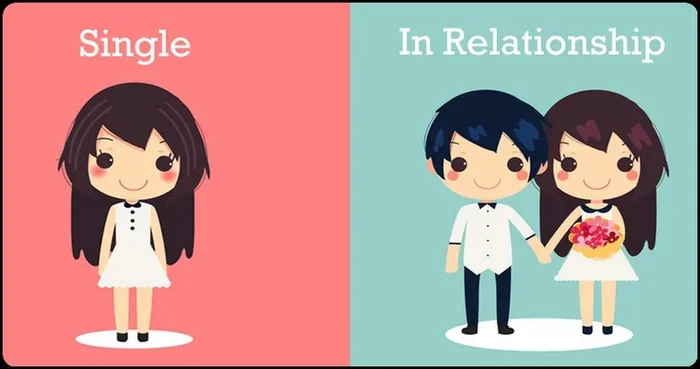
Choosing between being single and dating is one of the most personal decisions you’ll ever make. This guide breaks down the key differences between single life and dating—from emotional fulfillment and financial freedom to personal growth and relationship dynamics. Whether you’re happily single, actively dating, or somewhere in between, understanding these differences will help you make the best choice for your current season of life.
Let’s be real for a second. Almost everyone has wondered at some point: Am I better off single or should I be dating? It’s one of those questions that doesn’t come with a one-size-fits-all answer. And honestly, that’s a good thing.
The truth is, both being single and dating come with their own unique rewards and challenges. Some seasons of life call for focusing entirely on yourself. Other seasons feel right for opening your heart to someone new. The key is understanding what each path actually looks like—not the Instagram version, but the real, everyday reality.
In this guide, we’ll walk through the key differences between single life and dating so you can make a confident decision about what’s right for you right now. No pressure, no judgment—just honest insights.
Key Takeaways
- Single life offers unmatched independence—you control your time, money, and decisions without compromise.
- Dating provides emotional intimacy and companionship that being alone cannot replicate.
- Financial dynamics shift significantly when you move from single to coupled life.
- Personal growth happens in both seasons—just in different ways.
- There’s no universally “better” choice—the right answer depends on your current needs and goals.
- Quality of relationships matters more than relationship status when it comes to happiness.
- Being single intentionally is very different from being single by default—mindset makes all the difference.
📑 Table of Contents
- The Real Meaning of Being Single Today
- What Dating Really Involves Beyond the First Date
- Single Vs Dating: A Side-by-Side Comparison
- Financial Differences: Single Income vs Shared Expenses
- Emotional Well-Being: Alone vs Connected
- Personal Growth: How Each Path Shapes You
- Social Life and Friendships
- Common Mistakes People Make When Choosing
- How to Decide What’s Right for You Right Now
- Making the Most of Whatever Season You’re In
The Real Meaning of Being Single Today
Being single has evolved dramatically over the past decade. It’s no longer seen as a waiting room before something better comes along. For millions of people, single life is a deliberate, fulfilling choice.
When you’re single, you enjoy complete autonomy over your daily life. You decide where to eat, where to live, how to spend your weekends, and what goals to chase. There’s a beautiful freedom in that kind of independence.
But let’s also acknowledge the harder parts. Single life can feel lonely sometimes. Holidays might feel quieter. And society still asks uncomfortable questions like “So, are you seeing anyone?” at every family gathering.
What Single Life Actually Looks Like Day-to-Day
Here’s what most people don’t talk about: single life is what you make of it. Some people thrive with solo travel, deep friendships, and career focus. Others struggle with the lack of daily companionship. The difference usually comes down to whether you’re single by choice or single by circumstance.
People who embrace singlehood intentionally tend to build rich social lives, pursue passions fearlessly, and develop strong self-awareness. They don’t see their relationship status as a problem to solve. Instead, they view it as a season full of possibility.
What Dating Really Involves Beyond the First Date
Now let’s talk about the other side. Dating opens the door to emotional intimacy, partnership, and shared experiences. It’s the chance to build something meaningful with another person.
But dating isn’t just candlelit dinners and butterflies. It involves vulnerability, compromise, communication, and sometimes navigating complicated emotions. When you date someone, their problems become your problems. Their schedule affects yours. Their feelings matter alongside yours.
The Emotional Investment of Dating
One of the biggest differences between being single and dating is the emotional energy required. When you’re single, your emotional bandwidth is entirely your own. When you’re dating, you’re constantly considering another person’s needs, feelings, and well-being.
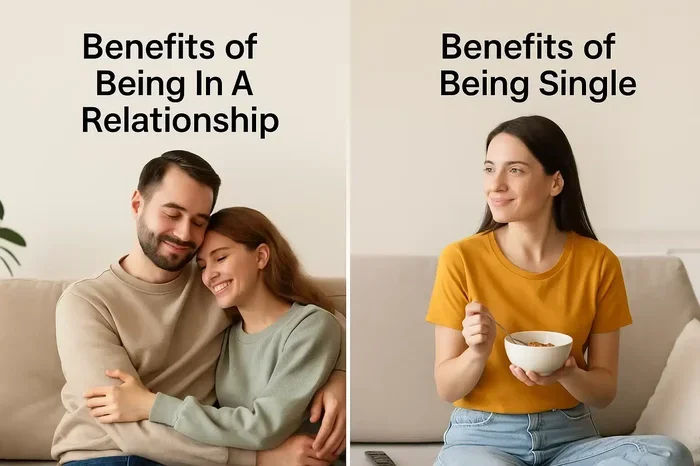
Visual guide about single vs couple
Image source: energeticsinstitute.com.au
This can be incredibly rewarding. Having someone who genuinely cares about your day, supports your dreams, and holds you when things get tough is priceless. But it also means your heart is on the line in a way that doesn’t happen when you’re flying solo.
If you’re considering dating someone with a complicated past, it helps to understand the unique challenges. For instance, learning about red flags when dating a man with a child can prepare you for blended family dynamics.
Single Vs Dating: A Side-by-Side Comparison
Sometimes seeing things laid out clearly makes the decision easier. Here’s how single life and dating compare across the areas that matter most:
| Aspect | Single Life | Dating Life |
|---|---|---|
| Freedom & Independence | Complete autonomy over decisions | Shared decisions, some compromise needed |
| Emotional Support | Comes from friends, family, self-care | Built-in partner for daily emotional needs |
| Financial Control | Full control over your own money | Shared expenses, financial discussions required |
| Personal Growth | Self-directed, unlimited time for goals | Growth through partnership and compromise |
| Social Life | Flexible, fully self-determined | Often involves partner’s social circle too |
| Loneliness Factor | Can be higher without intentional community | Lower, but unhealthy relationships create isolation |
| Time Management | 100% your own time | Must balance personal time with couple time |
Financial Differences: Single Income vs Shared Expenses
Money is one of the most practical areas where single vs dating differences become obvious. When you’re single, every dollar you earn is yours to manage. You decide how much to save, spend, invest, or give away.
Dating changes the financial picture. Even in early dating, there are costs—dates, gifts, transportation, dressing up. In serious relationships, finances often merge partially or fully. This can mean shared bills and reduced expenses, but it also means less financial privacy.
Quick Tip: Money Conversations Early On
Don’t avoid talking about money when you start dating someone. Financial compatibility is one of the strongest predictors of relationship success. Discuss spending habits, debt, savings goals, and financial values early. Awkward? Maybe. Important? Absolutely.
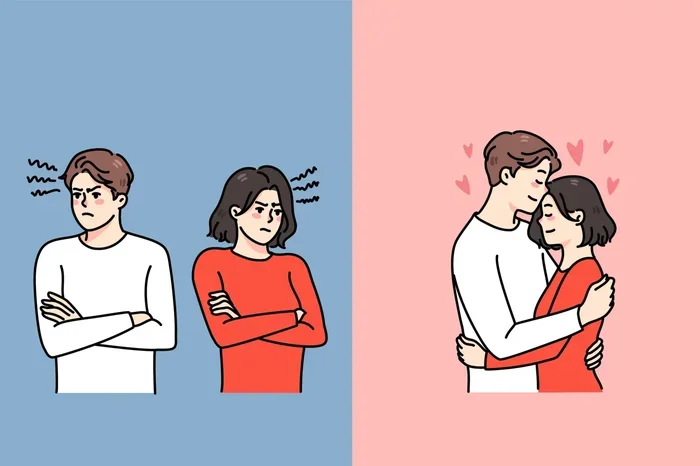
Visual guide about single vs couple
Image source: simplypsychology.org
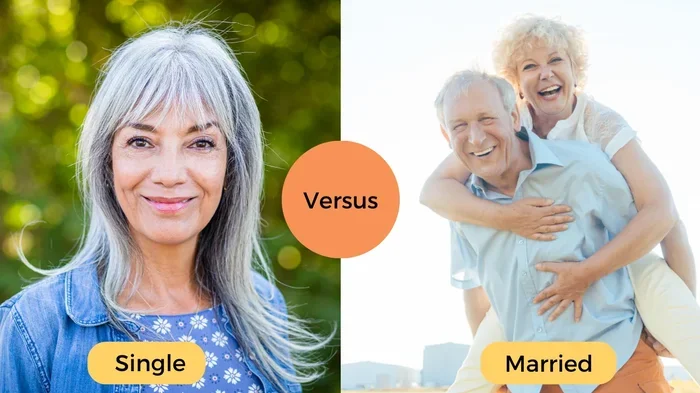
Visual guide about single vs couple
Image source: caregiverhaven.com
Emotional Well-Being: Alone vs Connected
Here’s where things get really interesting. Research consistently shows that quality relationships contribute significantly to happiness and longevity. But the keyword is “quality.” A bad relationship is far worse for your mental health than being single.
When you’re single, your emotional well-being depends entirely on your own efforts. You need to build a strong support system, practice self-care, and develop emotional resilience. This can actually make you incredibly strong and self-aware.
When you’re dating, you have a partner to share life’s ups and downs with. The emotional intimacy of a healthy relationship releases oxytocin, reduces stress, and provides a sense of belonging that’s hard to replicate elsewhere.
The Danger of Settling Out of Fear
One of the biggest mistakes people make is dating because they’re afraid of being single. This fear-driven approach leads to settling for connections that don’t truly fulfill them. If this resonates with you, check out these strategies for overcoming the fear of being single—they can genuinely shift your perspective.
Healthy dating comes from a place of wholeness, not lack. You should want a relationship, not need one to feel complete.
Personal Growth: How Each Path Shapes You
Both single life and dating offer powerful opportunities for personal development. They just do it differently.
Single life forces self-reliance. You learn to entertain yourself, solve your own problems, and build identity independent of a partner. Many people discover passions, strengths, and values they never knew they had during single seasons.
Dating teaches interpersonal skills. You learn compromise, communication, conflict resolution, and empathy. Being in a relationship is like a mirror—it shows you parts of yourself you might never have noticed otherwise.
Growth Opportunities in Each Season
Single season growth:
- Building deep friendships and community
- Advancing career without competing priorities
- Developing spiritual or personal practices
- Traveling and exploring independently
- Healing from past relationship wounds
Dating season growth:
- Learning to communicate needs clearly
- Practicing vulnerability and trust
- Developing patience and understanding
- Navigating conflict constructively
- Building shared goals and dreams
Social Life and Friendships
Your social dynamics shift significantly depending on whether you’re single or dating. When you’re single, friendships often take center stage. You have more time and energy to invest in your crew, show up for others, and maintain diverse social connections.
When you’re dating, your social life naturally reorganizes around the relationship. You might spend more time with your partner’s friends, attend couple-oriented events, and find that some single friendships naturally drift.
Maintaining Friendships While Dating
One common pitfall? Dropping your friends when a new relationship begins. Don’t do this. The healthiest relationships make room for strong friendships on both sides. Schedule regular friend time. Keep your own social identity. Your partner should add to your life, not replace your existing connections.
Common Mistakes People Make When Choosing
Let’s talk about the errors that trip people up when navigating the single vs dating decision:
- Staying single out of fear: Past hurt keeps you from ever opening up again.
- Dating because of pressure: Society, family, or friends push you toward relationships you don’t actually want.
- Comparing your journey to others: Your friend got married at 25? Good for them. Your timeline is yours alone.
- Romanticizing the other side: Single people think dating solves everything. Dating people romanticize single freedom.
- Ignoring red flags: Staying in unhealthy relationships because being in any relationship feels better than being alone.
- Rushing the decision: Treating singlehood as a problem that needs immediate fixing.
Expert Insight
Relationship experts agree: the happiest people are those who are content in their current season while remaining open to whatever comes next. Desperation—whether for a relationship or for solitude—attracts the wrong energy. Contentment attracts the right things naturally.
How to Decide What’s Right for You Right Now
So how do you actually make this decision? Here’s a practical framework:
Questions to Ask Yourself
Before choosing between staying single or pursuing dating, sit with these questions honestly:
- What do I truly want right now—not what I think I should want?
- Am I emotionally available for a relationship?
- Have I healed from past relationship wounds?
- What goals do I have that might be supported or complicated by dating?
- Do I feel complete on my own, or am I looking for someone to complete me?
- What does my ideal daily life look like?
There’s No Permanent Decision
Here’s something freeing: this isn’t a lifelong commitment either way. You can be single now and start dating next month. You can date someone, realize it’s not right, and happily return to single life. Life isn’t a multiple-choice test with one correct answer. It’s more like a flowing river with many valid paths.
If you’re thinking about getting back into dating after a period of being single, these tips on dating a guy who has always been single can help you understand the unique dynamics that come with someone new to committed relationships.
Making the Most of Whatever Season You’re In
The real secret? Stop treating single vs dating as a competition. Both seasons offer incredible gifts. Both come with real challenges. The goal isn’t to pick the “better” option—it’s to fully embrace wherever you are right now.
If you’re single, invest in yourself relentlessly. Build the life you’re proud of. Develop deep friendships. Chase your goals with everything you have.
If you’re dating, show up fully. Communicate honestly. Build something meaningful. Don’t hold back out of fear.
And if you’re somewhere in between—that’s okay too. Life doesn’t always fit into neat categories. Trust your journey. Trust your timing. And remember that your worth is never determined by your relationship status.
The most attractive thing you can be is someone who is fully alive, purposeful, and at peace with their choices—whether you’re eating dinner for one or sharing it with someone you love.
Frequently Asked Questions
Is it better to be single or dating?
Neither is universally better—it depends entirely on your personal needs, goals, and current season of life. Being single offers freedom and self-discovery, while dating provides companionship and emotional intimacy. The best choice is the one that aligns with where you are right now and what genuinely makes you happy.
What are the biggest advantages of staying single?
The biggest advantages include complete independence over your time and decisions, financial autonomy, unlimited freedom to pursue personal goals, deeper friendships, and the opportunity for profound self-discovery. Single life allows you to focus entirely on your own growth without compromising for a partner.
How do I know if I’m ready to start dating?
You’re likely ready to date when you feel emotionally available, have healed from past relationship wounds, and want companionship rather than needing it to feel complete. If you can envision adding someone to a life you already enjoy—rather than expecting them to fix an unfulfilling life—you’re in a good place to start.
Can being single actually improve your mental health?
Absolutely. Intentional singlehood can significantly improve mental health by giving you space to heal, build self-awareness, reduce relationship-related stress, and focus on personal growth. The key word is intentional—being single by choice and making the most of it leads to better outcomes than feeling stuck or lonely.
Why do some people stay single even though they want to date?
Many people who want to date remain single due to fear of rejection, past relationship trauma, lack of confidence, limited social opportunities, or being overly selective. Sometimes it’s also about timing and not having met the right person yet. Working on self-confidence and putting yourself in new social environments can help bridge this gap.
How does dating change your daily routine?
Dating introduces another person’s needs, preferences, and schedule into your daily life. You’ll likely spend evenings and weekends together, coordinate plans in advance, communicate more throughout the day, and adjust some personal habits. In healthy relationships, these changes feel natural rather than restrictive.
