
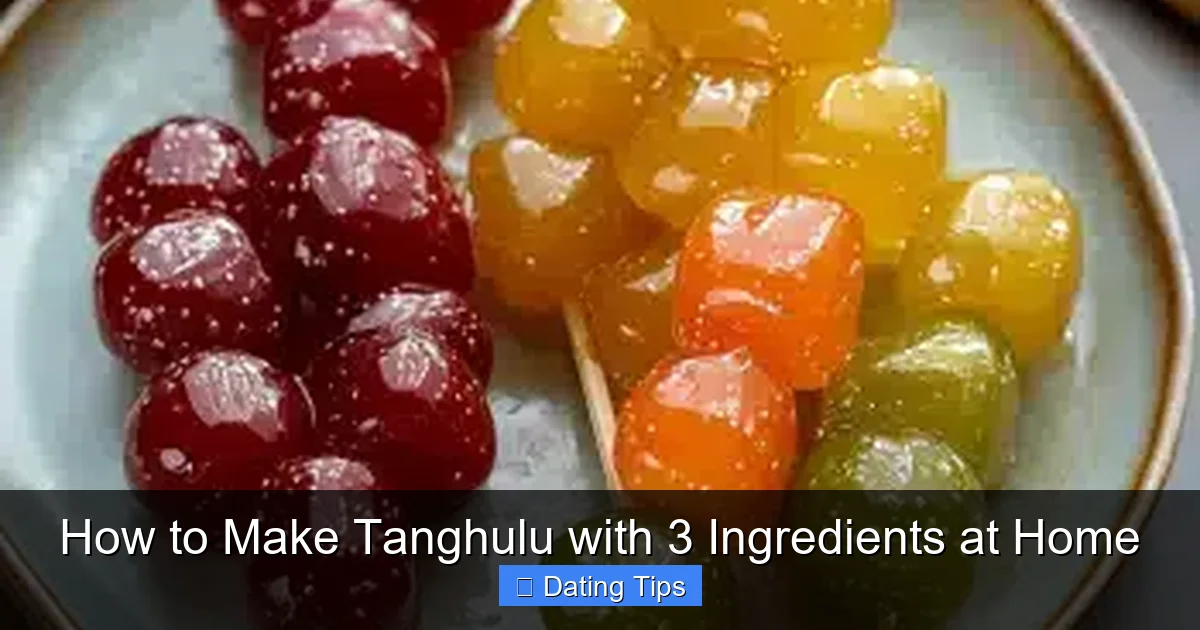
Tanghulu is a beloved Chinese street snack made of candied fruits on a stick, and you can recreate it at home using just three ingredients: fresh fruit, candy syrup, and wooden skewers. With the right technique, you’ll achieve that signature glossy coating and satisfying crunch—no candy store needed. Whether you’re making them for a party or a cozy treat, this method is quick, fun, and impressively delicious.
Key Takeaways
- Tanghulu is simple: Despite its fancy look, authentic tanghulu only requires three basic ingredients—fruit, sugar, and water—plus skewers.
- Candying process is key: The magic lies in slowly heating sugar and water to create a syrup that hardens when cooled, coating each fruit evenly.
- Choose firm fruits: Opt for dense fruits like hawthorn berries, grapes, strawberries, or kiwi that hold up well during the candying process.
- Temperature control matters: Use a candy thermometer or the cold-water test to ensure your syrup reaches the perfect hard-crack stage (around 300°F/150°C).
- Storage keeps them crisp: Once cooled, store tanghulu in an airtight container away from humidity to maintain texture.
- Fun customization: Try different fruits, colors, and even dipping them in sprinkles or chocolate for a playful twist.
- Great for gifting: Handmade tanghulu makes thoughtful, unique gifts during holidays or festivals like Lunar New Year.
📑 Table of Contents
- What Is Tanghulu?
- Why Make Tanghulu at Home?
- Gathering Your Three Essential Ingredients
- The Science Behind the Glossy Coating
- Step-by-Step Tanghulu Recipe
- Pro Tips for Perfect Tanghulu
- Creative Variations to Try
- Storing and Serving Suggestions
- Health Considerations and Moderation
- Connecting Through Food: A Cultural Perspective
- Final Thoughts
What Is Tanghulu?
If you’ve ever wandered through a bustling night market in China or watched a festive parade, chances are you’ve seen tanghulu—those bright red, glistening spheres or clusters hanging on sticks like edible ornaments. Traditionally, tanghulu is made from hawthorn berries, which are sour and tangy before being coated in hardened sugar. Today, however, many people enjoy variations using other fruits, turning this humble street snack into a nostalgic and delightful treat.
The name “tanghulu” comes from the ancient belief that these candied hawthorns could ward off diseases and bring good health. Over time, the tradition evolved into a culinary art form, especially popular during Chinese New Year and other celebrations. What started as a medicinal remedy has become a symbol of sweetness and joy—perfect for sharing with loved ones.
Making tanghulu at home might seem intimidating at first, but with just three core ingredients and a bit of patience, you can master this classic recipe. Plus, it’s a fantastic way to connect with culture, experiment with flavors, and impress guests with something homemade and heartfelt.
Why Make Tanghulu at Home?
There’s something magical about biting into a tanghulu—the burst of tart fruit followed by the satisfying snap of sugar. But beyond taste, making tanghulu offers several benefits:
Visual guide about How to Make Tanghulu with 3 Ingredients at Home
Image source: brokebankvegan.com
- It’s cost-effective: Store-bought tanghulu can be pricey, especially if you buy premium versions with exotic fruits. At home, you control quality and save money.
- You control the ingredients: Avoid artificial colors or preservatives by using natural sugars and fresh produce.
- It’s a bonding activity: Gather family or friends and turn the process into a fun kitchen adventure—especially great for kids!
- Perfect for events: Whether it’s a wedding favor, classroom treat, or holiday decoration, tanghulu adds charm to any gathering.
- Satisfying hands-on craft: The rhythmic dipping and spinning creates a meditative experience, much like making popcorn or pretzels.
Plus, since you’re crafting it yourself, you can customize every detail—from fruit selection to finish—making each batch uniquely yours.
Gathering Your Three Essential Ingredients
Contrary to popular belief, you don’t need a full pantry of specialty items to make tanghulu. In fact, the beauty of this recipe lies in its minimalism. Here’s what you’ll need:

Visual guide about How to Make Tanghulu with 3 Ingredients at Home
Image source: 3ingredientsorless.com
1. Fresh Fruit
The star of the show! Traditional tanghulu uses hawthorn berries (also called Chinese hawthorn), but modern versions embrace creativity. Choose firm, ripe fruits that resist mushiness after candying. Popular options include:
- Red or green hawthorn berries (most authentic)
- Seedless grapes (halved if large)
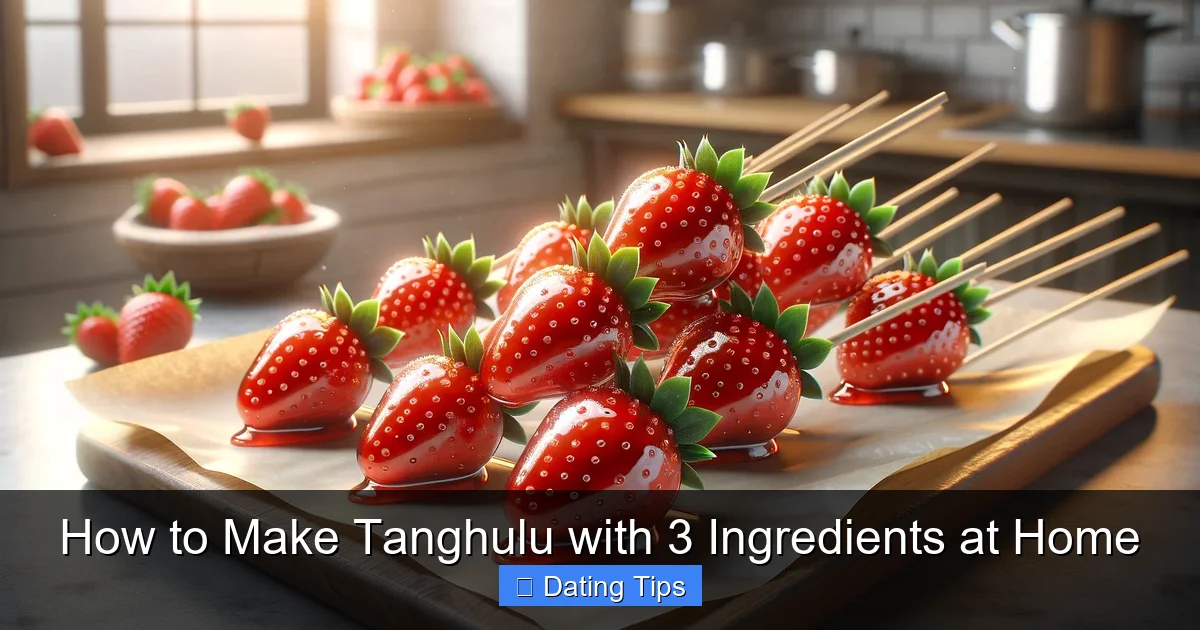
- Strawberries (stem removed)
- Kiwis (peeled and cut into halves or quarters)
- Oranges (segmented carefully)
Avoid overly soft or juicy fruits—they tend to fall apart when dipped in hot syrup. Always wash thoroughly and pat dry completely; moisture causes sugar to crystallize or bubble unpredictably.
2. Sugar
Granulated white sugar is ideal. Brown sugar or honey can alter flavor and texture, so stick to plain sugar unless experimenting. You’ll need about 1 cup of sugar per pound of fruit.
3. Water
Pure water ensures clean flavor. If using filtered water, even better—this prevents impurities from affecting crystallization.
The Science Behind the Glossy Coating
So why does tanghulu have that irresistible shiny surface? It’s all about sugar crystallization control. When sugar dissolves in water and reaches a certain temperature, it transitions from liquid to solid state in a process called glass formation—not crystallization. This gives tanghulu its smooth, non-grainy finish.
Visual guide about How to Make Tanghulu with 3 Ingredients at Home
Image source: recipes.net
To achieve this:
- Heat sugar and water slowly until dissolved.
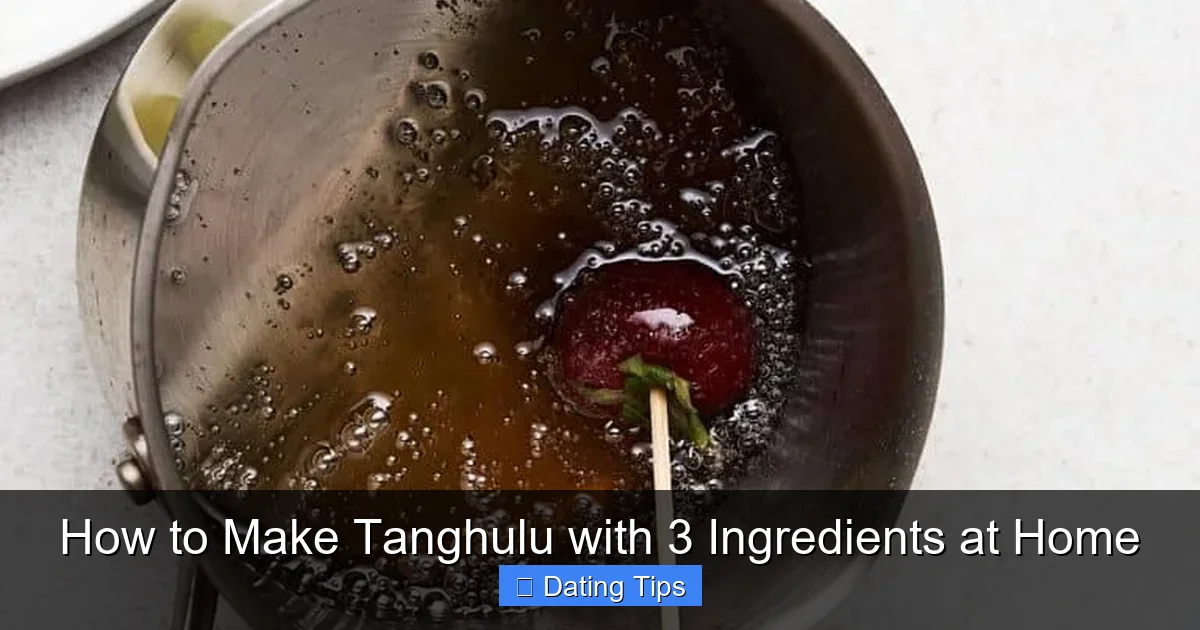
- Continue boiling until the mixture reaches “hard crack” stage (~300°F or 150°C).
- Dip fruit quickly while hot so syrup sets rapidly, forming a hard shell.
If the syrup cools too slowly, crystals may form, making the coating gritty. That’s why timing and heat management are crucial.
Step-by-Step Tanghulu Recipe
Ready to transform fruit into sugary perfection? Follow these steps carefully:
Preparation Phase
- Select and prep fruit: Wash, dry, and skewer each piece onto bamboo sticks. Leave a little space between pieces for even coating.
- Set up workspace: Place a baking sheet lined with parchment paper below where you’ll hang the finished tanghulu to catch drips.
- Prepare cooling station: Fill a shallow bowl with ice water (optional but helpful if adjusting syrup consistency).
Making the Syrup
- Combine sugar and water: In a heavy-bottomed saucepan, mix 1 cup sugar and ½ cup water.
- Boil gently: Bring to a boil over medium heat, stirring only until sugar dissolves. After that, avoid stirring to prevent crystallization.
- Monitor temperature: Insert a candy thermometer. Continue boiling until it reads 300°F (150°C). This usually takes 8–12 minutes.
- Test with ice water (alternative): Drop a tiny bit of syrup into ice water. If it instantly forms a hard ball that doesn’t bend, you’ve reached the right stage.
Dipping & Setting
- Dip fruit: Hold each skewered fruit by the top end and swirl it in the hot syrup for 5–7 seconds, ensuring full coverage.
- Spin to coat evenly: Rotate quickly to remove excess syrup and promote smooth application.
- Let it set: Hang each piece upside down on a wire rack or lay flat on parchment. Let cool undisturbed for 15–20 minutes until hardened.
Pro Tips for Perfect Tanghulu
Even experienced cooks can stumble—here’s how to avoid common pitfalls:
- Work fast once dipping starts: Syrup cools rapidly after removing from heat.
- Use bamboo skewers: Wood absorbs moisture better than metal, preventing sogginess.
- Keep syrup warm: If it thickens too much, reheat gently—but don’t reboil multiple times, as this weakens structure.
- Avoid humid days: High moisture makes sugar sticky; best made in dry conditions.
- Practice makes perfect: Don’t worry if first few attempts aren’t flawless—each try teaches you more!
Creative Variations to Try
Once you’ve mastered classic tanghulu, expand your repertoire:
Fruit Blends
Mix hawthorn with strawberries or orange segments for layered textures and tastes. Alternate colors create visual appeal—ideal for parties.
Chocolate-Dipped Twist
After candying, dip half the fruit into melted dark or milk chocolate for added richness. Sprinkle with crushed nuts or edible glitter for elegance.
Spiced Sugar Option
Add a pinch of cinnamon, star anise, or chili powder to the syrup for warmth and depth. Great for autumn or winter treats.
Mini Tanghulu Bites
Use toothpicks instead of skewers for bite-sized versions. Perfect for charcuterie boards or dessert platters.
Remember, the key is balancing sweetness with acidity—too much sugar dulls the fruit’s character, while too little leaves it bland.
Storing and Serving Suggestions
Freshly made tanghulu lasts only a few hours at room temperature due to sugar’s hygroscopic nature. For longer storage, freeze them: place on a tray until solid, then transfer to a zip-top bag. Thaw slightly before serving to restore crispness.
Serve individually wrapped for gifting or display on decorative stands during events. Pair with tea or cold beverages to offset sweetness.
Health Considerations and Moderation
While tanghulu is delicious, it’s high in sugar and calories. Enjoy as an occasional indulgence rather than daily snack. Opt for smaller portions or share with others. If diabetic or managing blood sugar, consult a healthcare provider before consumption.
That said, the fruit base still provides fiber and vitamins—just balance with mindful eating.
Connecting Through Food: A Cultural Perspective
Beyond taste, tanghulu represents heritage and connection. In China, vendors often sell them during festivals, creating moments of shared joy. Making it at home honors that tradition while allowing personal expression. It’s also a wonderful way to teach children about food history and global customs.
Sharing tanghulu can spark conversations—about memories, dreams, or even dating tips! Speaking of which, if you’re looking to deepen emotional connections through meaningful gestures, consider pairing homemade treats with genuine compliments. For example, combining a thoughtful gift like tanghulu with words of affirmation might just make someone feel truly cherished. Explore our guide on how to make him miss you after a fight to learn more about nurturing relationships through small, intentional actions.
Final Thoughts
Making tanghulu isn’t just about following instructions—it’s about patience, presence, and playfulness. Each dipped fruit carries intention, care, and a touch of whimsy. Whether you’re crafting them for a romantic date night or a family celebration, these little sweets carry big meaning.
So roll up your sleeves, light the stove, and let the scent of caramelized sugar fill your kitchen. You’re not just making dessert—you’re crafting memories, one glossy berry at a time.
Frequently Asked Questions
Can I use any type of fruit for tanghulu?
Yes, but choose firm, low-moisture fruits like hawthorn berries, grapes, or kiwi. Soft or juicy fruits may disintegrate during candying. Always dry thoroughly before dipping.
How long do homemade tanghulu last?
At room temperature, they stay fresh for up to 2 hours in dry weather. For longer storage, freeze in airtight bags for up to 1 month. Thaw briefly before serving.
Why did my sugar crystallize instead of forming a smooth coating?
Crystallization happens if there’s moisture in the fruit or if you stirred the syrup after boiling. Ensure all fruit is bone-dry and avoid agitation once sugar dissolves.
Do I need a candy thermometer?
Not strictly, but it helps accuracy. Without one, use the ice-water test: drop syrup into cold water; if it forms a brittle thread, it’s ready.
Can I make tanghulu ahead of time?
Best served fresh, but you can prepare fruit skewers up to 2 hours ahead and store in fridge. Dip just before serving to maintain crispness.
Is tanghulu safe for kids to help make?
With supervision, yes! Assign simple tasks like washing fruit or holding skewers. Just keep them away from hot stoves and sharp tools.
