
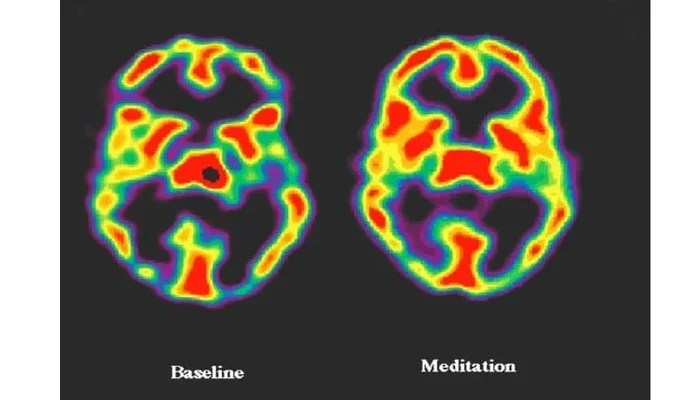
Holzel et al mindfulness and brain scans research shows that meditation physically changes your brain. Their landmark studies used MRI imaging to prove that mindfulness practice increases gray matter in areas tied to emotional regulation and memory. This body of work has become foundational in contemplative neuroscience and offers powerful evidence for why mindfulness matters for mental health and daily well-being.
You have probably heard that meditation is good for you. Maybe a friend told you it reduces stress. Or you read somewhere that mindfulness helps with anxiety. But did you know that meditation actually changes the physical structure of your brain?
That is exactly what the Holzel et al mindfulness and brain scans research set out to prove. A team of neuroscientists led by Britta Holzel used MRI imaging to look inside the brains of people who practiced meditation regularly. What they found was nothing short of remarkable. The brain physically reshapes itself in response to mindfulness practice. This research opened the door to an entirely new understanding of how meditation affects the human mind.
In this article, we will break down exactly what Holzel and her team discovered. We will explain the brain scans in plain language. We will look at which parts of the brain changed and why it matters for your daily life. Whether you are a skeptic or a curious beginner, this research will give you a whole new perspective on what happens inside your head when you meditate.
Key Takeaways
- Brain Structure Changes: Holzel et al mindfulness and brain scans research proves meditation increases gray matter density in key brain regions.
- Stress Reduction Is Physical: Mindfulness practice reduces amygdala reactivity, which directly lowers your stress response.
- Memory and Learning Improve: The hippocampus grows with consistent meditation, boosting your ability to learn and remember.
- Anyone Can Benefit: These brain changes occurred in both experienced meditators and beginners in mindfulness-based stress reduction programs.
- Long-Term Practice Matters: Sustained meditation over weeks and months produces the most significant neurological changes.
- Emotional Regulation Gets Easier: Mindfulness strengthens the prefrontal cortex, helping you manage emotions more effectively.
- Research Is Ongoing: New studies continue to build on Holzel et al mindfulness and brain scans findings with even more detailed imaging technology.
📑 Table of Contents
- Who Is Holzel and What Did the Study Set Out to Do?
- What Brain Scans Revealed About Meditation
- Why Does Gray Matter Matter?
- How Mindfulness Affects Stress and Emotional Regulation
- Broader Implications of the Research
- Common Misconceptions About Meditation and the Brain
- What the Future Holds for Mindfulness Research
- How to Start a Mindfulness Practice Based on the Research
- Conclusion
Who Is Holzel and What Did the Study Set Out to Do?
Britta Hölzel was a researcher at Harvard Medical School and the Max Planck Institute. She became fascinated by how meditation affects the brain. At the time, most studies on meditation relied on self-reported feelings. People would say they felt calmer after meditating. But there was no hard scientific proof of what was happening inside the brain.
Hölzel and her team wanted to change that. They designed a study using brain imaging technology to measure actual physical changes. The goal was to see whether mindfulness meditation could alter brain structure in a measurable way. This was a big deal because it moved meditation from the realm of personal belief into the world of hard science.
The Study Design
The researchers recruited participants who had no prior meditation experience. These beginners went through an eight-week mindfulness-based stress reduction program, commonly known as MBSR. Before the program started, each participant received a brain scan. After the program ended, they returned for a second scan. The team compared the two sets of images to look for differences.
They also had a control group that did not meditate. This allowed the researchers to rule out other factors that might explain any brain changes. The results were clear and exciting. The meditators showed measurable differences in brain structure compared to the non-meditators.
What Brain Scans Revealed About Meditation
The brain scans used in the Holzel et al research were MRI scans, specifically structural MRI. These scans create detailed images of the brain’s anatomy. They allow scientists to measure the density and volume of gray matter in different regions.
Gray matter is made up of neuronal cell bodies. It plays a critical role in processing information, controlling emotions, and forming memories. When gray matter increases in a particular area, it generally means that region has become more active or more efficient.
Key Brain Regions That Showed Changes
The Holzel et al mindfulness and brain scans study highlighted several important areas:
- The hippocampus: This region is essential for learning and memory. The scans showed increased gray matter density in the hippocampus after the eight-week program.
- The prefrontal cortex: This area handles decision-making, attention, and self-awareness. Participants showed thicker cortical regions here.
- The amygdala: This is the brain’s fear and stress center. Interestingly, the amygdala actually shrank in size among the meditators.
- The posterior cingulate cortex: This region is linked to self-referential thinking and mind-wandering. It also showed structural changes.
- The temporo-parietal junction: This area helps with perspective-taking and empathy. It became more active and structurally denser.
These findings were groundbreaking. They showed that just eight weeks of mindfulness practice could produce visible changes in the brain. This is strong evidence for something scientists call neuroplasticity, which is the brain’s ability to reorganize itself by forming new neural connections throughout life.
Why Does Gray Matter Matter?
You might be wondering why gray matter density is such a big deal. Think of it this way. Gray matter is like the processing power of your brain. The more gray matter you have in a specific region, the better that region can perform its functions.
When the hippocampus grows, your ability to form new memories improves. When the prefrontal cortex thickens, your capacity for focused attention and self-control increases. And when the amygdala shrinks, your stress and fear responses become less intense.
This is not just theoretical. These structural changes translate directly into real-world benefits. People who meditate regularly often report better focus, calmer reactions to stressful situations, and improved emotional balance. The brain scans gave scientific backing to what meditators had been claiming for centuries.
How Long Does It Take to See Changes?
One of the most encouraging findings from the Holzel et al research is the timeline. The participants in the study meditated for an average of about 27 minutes per day over eight weeks. That is less than half an hour a day. And yet, the brain scans showed significant changes at the end of that short period.
This means you do not need to be a monk or spend hours in silent retreat to benefit. Even a modest daily practice can begin to reshape your brain. Of course, longer and more consistent practice tends to produce more pronounced results. The key is regularity and patience.
How Mindfulness Affects Stress and Emotional Regulation
One of the most practical findings from Holzel et al mindfulness and brain scans research relates to stress. We all experience stress. It is a normal part of life. But chronic stress can cause serious damage to both your mental and physical health. The amygdala plays a central role in your stress response. When you perceive a threat, the amygdala triggers your fight-or-flight reaction.
The Holzel study found that meditation reduces the size and reactivity of the amygdala. This means that over time, mindful individuals become less reactive to stressors. They still feel stress, but they recover faster and respond more thoughtfully rather than reacting impulsively.
This has huge implications for everyday life. Imagine handling a difficult conversation at work with more patience. Or staying calm during a family conflict without snapping. These are the kinds of changes that come from a more regulated stress response.
Mindfulness and Emotional Balance
Beyond stress reduction, mindfulness also improves emotional regulation. The prefrontal cortex, which grew thicker in the study participants, is the brain’s control center. It helps you pause before reacting. It allows you to observe your emotions without being overwhelmed by them.
This is especially relevant for people who struggle with intense emotions or mood swings. If you find yourself overwhelmed by anger, anxiety, or sadness, mindfulness practice can help create a buffer between the trigger and your response. Over time, you gain more control over your emotional landscape.
For those dealing with ongoing emotional challenges, practices like mindfulness can complement other forms of support. Understanding your brain’s response patterns is the first step toward managing them better. Just as learning about how to deal with someone who is bipolar and angry requires patience and awareness, managing your own emotional responses benefits greatly from a mindful approach.
Broader Implications of the Research
The Holzel et al findings have ripple effects far beyond the laboratory. They have influenced how therapists approach treatment for anxiety and depression. They have shaped workplace wellness programs. And they have given educators new tools for helping students manage attention and stress.
Mindfulness in Clinical Settings
Clinicians now use mindfulness-based stress reduction as a legitimate therapeutic tool. The brain scan evidence gives them confidence that the practice is not just a placebo effect. Patients with chronic pain, anxiety disorders, and depression have shown improvement through structured mindfulness programs.
These programs typically follow a similar format to the one used in Holzel’s study. Participants attend weekly sessions and practice at home. The combination of guided meditation and group discussion creates a supportive environment for change.
Mindfulness for Everyday Well-Being
You do not need a clinical diagnosis to benefit from mindfulness. The research shows that anyone can experience brain changes through regular practice. Whether you want to sleep better, focus more, or simply feel calmer, meditation offers a science-backed path forward.
Building a consistent mindfulness habit fits naturally into a broader approach to personal well-being. Just as maintaining your physical health requires daily attention, your mental health benefits from the same commitment. Practices like how to stay healthy and positive in personal challenges align closely with the principles of mindfulness and brain health.
Mindfulness and Focus
One area where mindfulness shows particular promise is in improving focus and attention. The prefrontal cortex changes observed in the study directly relate to attentional control. This is why many people report feeling less scattered and more present after starting a meditation practice.
For those who struggle with focus due to conditions like ADHD, mindfulness can be a helpful complement to other strategies. The practice trains your brain to notice when it has wandered and gently bring attention back. This is essentially a workout for your attention muscles. You can explore more about brain-based focus strategies in resources on ADHD friendly ways to get shit done when your brain says nope which complements the neurological benefits found in the Holzel research.
Common Misconceptions About Meditation and the Brain
Despite the compelling evidence from Holzel et al, several myths about meditation and brain scans persist. Let us clear a few of them up.
- Myth 1: You need to meditate for years to see any benefit. The eight-week study proved that significant changes happen in a relatively short time.
- Myth 2: Brain changes only happen in experienced meditators. The participants had zero experience before the study and still showed measurable differences.
- Myth 3: Meditation is just relaxation. The brain scans showed actual structural changes, which go far beyond temporary feelings of calm.
- Myth 4: Only certain types of meditation work. The MBSR program used in the study is just one form. Various meditation styles appear to produce beneficial changes.
- Myth 5: Brain scans can tell you everything about meditation. While the scans are powerful, they are just one tool. Behavioral changes and self-reports also matter greatly.
Understanding what meditation can and cannot do is important. It is not a magic cure-all. But the evidence strongly supports it as a valuable tool for brain health and emotional well-being.
What the Future Holds for Mindfulness Research
Since the original Holzel et al study, research in this field has exploded. Scientists around the world are now using more advanced imaging techniques to study meditation. Functional MRI allows researchers to watch the brain in action during meditation sessions. This provides even deeper insight into how mindfulness works in real time.
New studies are exploring how long-term meditators differ from short-term practitioners. Some researchers are looking at whether brain changes from meditation are permanent or if they fade without continued practice. The field of contemplative neuroscience is growing rapidly, and each new study adds to our understanding.
The work of Hölzel and her colleagues laid the foundation for all of this. By proving that meditation produces measurable brain changes, they gave the scientific community permission to take mindfulness seriously. And that has opened doors for millions of people who might never have considered meditation otherwise.
How to Start a Mindfulness Practice Based on the Research
If the Holzel et al findings inspire you to try meditation, here is a simple way to begin.
- Start small. Five to ten minutes a day is enough to begin. You can gradually increase the duration as you get comfortable.
- Be consistent. The brain changes in the study came from regular daily practice. Try to meditate at the same time each day.
- Use guided resources. Apps and online videos can help you learn proper technique. You do not need to figure it all out on your own.
- Be patient with yourself. Your mind will wander. That is normal and expected. The practice is simply noticing and returning your focus.
- Track your progress. Notice how you feel over weeks and months. Many people report improvements in sleep, focus, and mood within the first few weeks.
The beauty of this research is that it validates something many people have known intuitively. Meditation works. And now we have the brain scan evidence to prove it. You owe it to yourself to give it a try.
Building a mindfulness practice also supports your broader goals around personal growth. The self-awareness you develop through meditation can enhance your relationships, your work, and your overall quality of life. Practices that foster why humility is important in achieving personal and academic goals pair naturally with the self-awareness that meditation cultivates.
Conclusion
The Holzel et al mindfulness and brain scans research represents a turning point in how we understand meditation. What was once dismissed as a spiritual practice now has solid scientific backing. The brain scans showed that mindfulness meditation physically changes the structure of your brain in just eight weeks.
From increased gray matter in the hippocampus to a shrinking amygdala, the evidence is clear. Meditation reduces stress, improves memory, enhances emotional regulation, and boosts focus. These are not abstract benefits. They are measurable, physical changes in the most important organ in your body.
You do not need to become a monk or dedicate hours each day to see results. A modest daily practice of twenty to thirty minutes is enough to start rewiring your brain. The research by Holzel and her team gives us all permission to take meditation seriously as a tool for better mental health and a sharper mind.
So whether you are dealing with stress, struggling with focus, or simply curious about what meditation can do, the science is on your side. Start small, stay consistent, and let your brain do what it does best. Adapt and grow.
Frequently Asked Questions
What exactly did the Holzel et al study find about brain scans?
The Holzel et al study used MRI brain scans to show that eight weeks of mindfulness meditation increased gray matter density in the hippocampus, prefrontal cortex, and other regions. It also showed that the amygdala, the brain’s stress center, actually decreased in size. These structural changes were measured in participants who had no prior meditation experience.
How long do you need to meditate to see brain changes?
The Holzel et al research showed that significant brain changes occurred after just eight weeks of practice, with participants meditating an average of 27 minutes per day. However, longer and more consistent practice tends to produce more pronounced results. Even short daily sessions can begin to reshape your brain over time.
Can anyone benefit from mindfulness meditation based on this research?
Yes. The participants in the Holzel et al study were complete beginners with no meditation background. The brain changes occurred across the group, suggesting that mindfulness practice is accessible to virtually anyone regardless of age or experience level.
Is mindfulness meditation the same as other types of meditation?
Mindfulness meditation is one specific form of meditation that focuses on present-moment awareness without judgment. The Holzel et al study used mindfulness-based stress reduction, which is a structured program. Other forms of meditation may also produce brain changes, but the specific findings in this study relate to mindfulness practice.
Are the brain changes from meditation permanent?
The research does not definitively say whether the changes are permanent. Some studies suggest that continued practice helps maintain and even deepen the structural changes. However, if meditation practice stops, some benefits may diminish over time. Consistency appears to be the key factor in sustaining brain changes.
How does this research relate to stress and anxiety relief?
The Holzel et al findings showed that meditation reduces the size and reactivity of the amygdala, which is the brain’s fear and stress center. This means that regular mindfulness practice helps your brain respond to stress more calmly. Over time, this translates into reduced anxiety and better emotional balance in daily life.
