
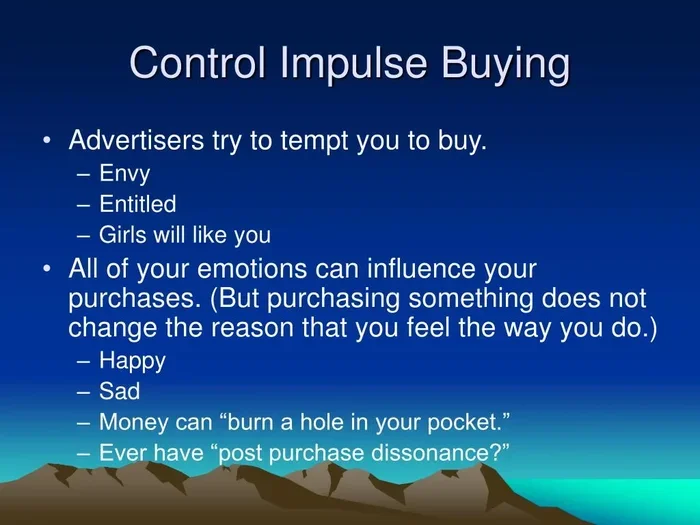
Impulsive buying and deferment of gratification with ADHD is a real struggle that affects millions of people. ADHD disrupts the brain’s reward system, making it hard to resist instant purchases and delay satisfaction. This article breaks down why ADHD causes compulsive spending, shares actionable strategies to regain control, and offers practical tips for building healthier financial habits.
Have you ever clicked “Buy Now” on something you didn’t need, only to regret it hours later? If you have ADHD, this story probably sounds all too familiar. Impulsive buying and deferment of gratification with ADHD is a battle that plays out in wallets and bank accounts every single day. The urge to spend feels almost impossible to resist, and the guilt that follows can be crushing.
But here’s the good news. You are not broken. You are not weak-willed. ADHD affects the brain’s executive function, which controls decision-making, self-regulation, and the ability to wait for rewards. That means the struggle with impulse control and delayed gratification is not a personal failure. It is a neurological reality. And once you understand why your brain works the way it does, you can start building strategies that actually work for you.
This article dives deep into the connection between ADHD and compulsive spending. You will learn what drives impulsive buying, why delaying gratification feels so hard, and what practical steps you can take today to regain control of your finances. Whether you are dealing with ADHD spending habits or trying to support someone who is, this guide has something valuable for you.
Key Takeaways
- ADHD directly impacts impulse control: The brain’s dopamine system makes immediate rewards feel irresistible, leading to frequent impulsive purchases.
- Deferment of gratification is a skill that can be trained: With the right strategies, people with ADHD can learn to pause before spending.
- Environmental triggers matter: Removing temptations and creating spending barriers can dramatically reduce impulse buys.
- Mindfulness and behavioral tools work: Techniques like the 24-hour rule and budgeting apps help manage ADHD spending habits.
- Professional support is valuable: Therapy and medication can address the root causes of impulsive buying in ADHD.
- Small wins build lasting change: Celebrating progress reinforces positive financial behaviors over time.
📑 Table of Contents
- Why ADHD Makes Impulsive Buying So Hard
- What Is Deferment of Gratification and Why Does ADHD Make It Difficult
- Common Triggers for Impulsive Spending in ADHD
- Practical Strategies to Manage Impulsive Buying
- Building a Healthier Relationship with Money When You Have ADHD
- Quick Tips for Immediate Relief
- Key Takeaways
- Conclusion
Why ADHD Makes Impulsive Buying So Hard
If you have ever wondered why shopping feels like an addiction when you have ADHD, the answer lies in brain chemistry. The dopamine system in ADHD brains craves novelty and immediate rewards. Every “Add to Cart” click gives a small hit of dopamine. That rush feels amazing in the moment, even when the purchase makes no sense later.
The Role of Dopamine in Shopping Behavior
Dopamine is the brain’s reward chemical. In people with ADHD, dopamine levels are often lower than average. This creates a constant search for stimulation. Shopping provides that stimulation instantly. The excitement of finding something new, the thrill of a purchase, the anticipation of receiving a package, all of these trigger dopamine releases.
For someone without ADHD, this dopamine loop might be manageable. But for those with the condition, it can spiral quickly. The brain starts associating spending with pleasure, and the reward system begins to demand more frequent hits. Over time, this pattern becomes a deeply ingrained habit.
Executive Function and Decision-Making
Executive function is the brain’s management system. It handles planning, prioritizing, and controlling impulses. In ADHD, executive function is often underperforming. This means the part of your brain responsible for saying “wait” or “do you really need this?” is not working at full capacity.
When you combine a weakened impulse control system with a hyperactive reward response, impulsive buying becomes almost inevitable. It is not about willpower. It is about brain wiring. Understanding this distinction is the first step toward compassion and effective solutions.
What Is Deferment of Gratification and Why Does ADHD Make It Difficult
Deferment of gratification means choosing a bigger or better reward later instead of a smaller reward right now. Think of it as the ability to say “I will wait for what I really need” instead of grabbing whatever feels good at this moment.
The Marshmallow Test and ADHD
You may have heard of the famous marshmallow test. Kids were given one marshmallow and told they could have two if they waited. Children with ADHD traits often struggle with this task not because they lack discipline, but because their brains are wired to prioritize immediate rewards. The instant gratification response is stronger and faster.
This same pattern shows up in adult spending. A shiny new gadget promises joy right now. The deferred reward of saving money for something more important feels abstract and distant. The brain simply does not value that future reward as much in the moment.
How Emotional Dysregulation Plays a Role
ADHD often comes with emotional dysregulation. Stress, boredom, sadness, and even excitement can trigger spending. When emotions run high, the ability to pause and think before acting weakens. Shopping becomes a coping mechanism. It feels like relief, even if it is temporary.
This is why emotional regulation is so important when addressing impulsive buying. If you can manage the emotional trigger, the urge to spend often loses its power.
Common Triggers for Impulsive Spending in ADHD
Not all impulse buys happen for the same reason. Understanding your personal triggers is a powerful step toward change. Here are the most common ones:
- Boredom: When the brain is understimulated, shopping fills the void. Browsing online stores becomes a pastime.
- Stress and overwhelm: Retail therapy feels like a quick escape from emotional pain or mental fatigue.
- Social media exposure: Ads and influencer content create urgency and FOMO (fear of missing out).
- Hyperfocus on deals: Sales and discounts activate the ADHD brain in a way that makes it hard to walk away.
- Low self-esteem: Buying something new provides a temporary boost of confidence and self-worth.
- Restlessness: The need for stimulation drives constant activity, including online shopping.
If you recognize yourself in these triggers, you are not alone. Is It Normal To Dislike Silence When You Have Adhd? Many people with ADHD struggle with restlessness and understimulation, which directly feeds the urge to shop. The key is not to judge yourself but to identify patterns and build awareness.
Practical Strategies to Manage Impulsive Buying
The good news is that you can train your brain to slow down and make better decisions. It takes time and practice, but the strategies below have helped many people with ADHD take back control of their spending.
The 24-Hour Rule
Before making any non-essential purchase, wait 24 hours. This simple rule creates a buffer between the urge and the action. Often, the desire fades within a few hours. If you still want the item after a full day, you can buy it with a clearer mind.
Create Physical and Digital Barriers
Make spending harder. Remove saved payment methods from online stores. Unsubscribe from retail emails. Delete shopping apps from your phone. Every barrier you add gives your impulse control a fighting chance.
Some people find it helpful to freeze their credit cards in a block of ice. The physical effort required to retrieve them creates enough of a pause to reconsider the purchase.
Use Budgeting Tools Designed for ADHD
Traditional budgeting can feel overwhelming. Apps with simple interfaces and automatic tracking work much better for ADHD brains. Look for tools that send reminders, categorize spending visually, and break budgets into small, manageable chunks.
If you want to build better financial habits alongside ADHD, check out Adhd Friendly Ways To Get Shit Done When Your Brain Says Nope. That resource offers practical systems for staying on track, including financial ones.
Practice Mindfulness Before Purchases
Mindfulness does not mean sitting still for hours. It means pausing and noticing what is happening in your body and mind before you act. Ask yourself: “Am I bored? Stressed? Excited? Lonely?” Naming the emotion takes away some of its power.
Even a 30-second pause can shift you from autopilot mode to intentional decision-making. Over time, this practice strengthens the neural pathways responsible for self-regulation.
Set Spending Limits and Alerts
Use your bank app to set daily or weekly spending limits. Many banks allow you to turn off contactless payments temporarily. These small friction points can prevent impulse purchases from going through.
Building a Healthier Relationship with Money When You Have ADHD
Changing spending habits is not just about willpower. It is about designing a system that works with your brain, not against it. People with ADHD often thrive with structure, external accountability, and creative solutions.
The Cash-Only Approach
Studies show that people spend less when using cash compared to cards. The physical act of handing over money creates a sense of loss that digital payments do not. Try using cash for discretionary spending. When the money is gone, the spending stops.
Accountability Partners
Share your financial goals with a trusted friend or family member. Having someone to check in with creates external motivation. You can also join online communities of people with ADHD who share tips and encouragement.
Reframe Your Relationship with Rewards
Instead of using shopping as a reward, find free or low-cost alternatives. A walk outside, a call with a friend, or a creative project can provide the stimulation your ADHD brain craves without the financial consequences.
When to Seek Professional Help
If impulsive spending is causing serious financial or emotional distress, it is time to seek help. Cognitive behavioral therapy (CBT) has shown strong results for ADHD-related impulsive behaviors. A therapist can help you identify patterns, build coping skills, and address underlying emotional needs.
Medication for ADHD can also help by improving focus and impulse control. If you are already on medication and still struggling with spending habits, talk to your doctor about adjustments. How To Deal With Someone Who Is Bipolar And Angry is another resource that explores emotional regulation challenges, which often overlap with ADHD impulsivity.
Remember, seeking help is a sign of strength. Managing ADHD is a journey, and every small step counts.
Quick Tips for Immediate Relief
- Turn off push notifications from shopping apps and email newsletters.
- Keep a “want list” instead of buying immediately. Review it weekly.
- Use browser extensions that block shopping sites during certain hours.
- Practice deep breathing before clicking “Purchase.”
- Set a monthly “fun money” allowance and stick to it.
- Keep a spending journal to spot patterns and triggers.
You do not have to overhaul your entire financial life overnight. Start with one or two tips and build from there. How To Stay Healthy And Positive In Personal Challenges is a great resource for building resilience and maintaining momentum when change feels difficult.
Key Takeaways
- ADHD disrupts the dopamine reward system: This makes instant gratification feel urgent and delayed rewards feel unimportant.
- Executive function challenges drive impulsive buying: The brain’s ability to pause and evaluate decisions is weakened in ADHD.
- Emotional triggers fuel spending urges: Boredom, stress, and low self-esteem often lead to impulse purchases.
- The 24-hour rule and digital barriers work: Simple tools create enough friction to reduce impulse buys significantly.
- Mindfulness and therapy build long-term skills: These approaches strengthen self-regulation over time.
- Professional support makes a difference: Medication and CBT can address the root causes of compulsive spending.
- Progress matters more than perfection: Every small step toward better financial habits is a win worth celebrating.
Conclusion
Impulsive buying and deferment of gratification with ADHD is a challenge that millions face every day. The struggle is real, it is neurological, and it is not something you can simply willpower your way through. But with the right understanding, tools, and support, you can absolutely change your spending patterns and build a healthier relationship with money.
Start small. Pick one strategy from this article and try it this week. Notice what happens. Be patient with yourself. Change does not happen overnight, but every mindful purchase is a step in the right direction. You have the power to rewrite your relationship with spending and take control of your financial future.
Frequently Asked Questions
Why do people with ADHD buy things impulsively?
ADHD affects the brain’s executive function and dopamine system, making it harder to resist immediate rewards. Shopping provides quick dopamine hits that feel satisfying in the moment, even when the purchase is not needed or affordable.
Can deferment of gratification be learned with ADHD?
Yes. While it is harder for ADHD brains, deferment of gratification is a skill that can be developed through practice, environmental changes, and behavioral strategies like the 24-hour rule and mindfulness techniques.
What is the best budgeting method for someone with ADHD?
Simple, visual, and automated systems work best. Apps with reminders, cash-only envelopes for discretionary spending, and automatic savings transfers reduce the mental load and help maintain consistency.
Does ADHD medication help with impulsive spending?
Many people report improved impulse control when taking ADHD medication. However, medication alone is not enough. Combining it with behavioral strategies and therapy produces the best long-term results.
How can I stop myself from online shopping impulsively?
Remove saved payment methods, use website blockers during vulnerable hours, wait 24 hours before purchasing, and unsubscribe from marketing emails. These barriers create the space needed to make intentional decisions.
Is impulsive buying with ADHD a sign of a deeper problem?
Not necessarily. It is a common symptom of ADHD related to how the brain processes rewards and impulses. However, if spending causes significant distress or financial harm, it is worth exploring with a therapist or counselor for additional support.
