
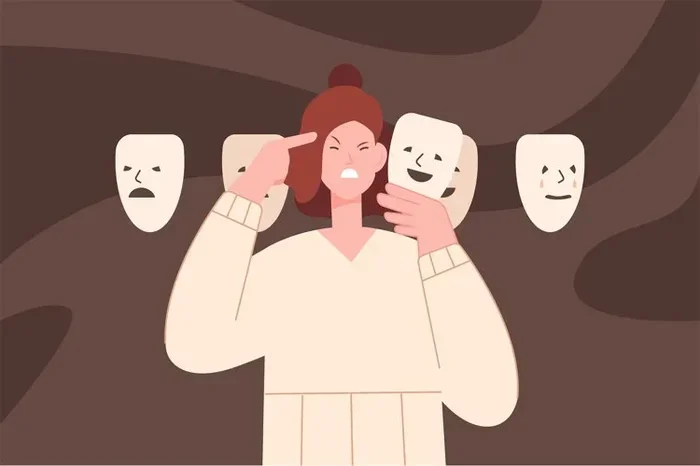
Many autistic women mask their traits every day without even knowing it. This invisible coping strategy helps them blend in but often leads to burnout and confusion. Understanding masking is the first step toward self-awareness and genuine self-acceptance. This article breaks down the signs, causes, and ways to stop hiding who you truly are.
Have you ever felt like you were performing a role in social situations? Like you were watching yourself from the outside while pretending to be someone else? If so, you might be masking without even realizing it.
Masking is when autistic people hide their natural behaviors to fit in with neurotypical social expectations. For many women, this happens so early in life that it becomes second nature. You might not even notice you are doing it. This is what makes masking autism so tricky and so exhausting.
In this article, we will explore whether autistic women can truly mask without realizing it. We will look at the signs, the reasons behind it, and what happens when you finally start to unmask. Whether you suspect you might be masking or you are trying to understand someone else, this guide will help you make sense of it all.
Key Takeaways
- Masking is often unconscious: Many autistic women copy social behaviors without realizing they are doing it.
- It can cause burnout: Constantly pretending to be someone else drains your mental and physical energy over time.
- Late diagnoses are common: Women often go undiagnosed for years because their masking skills hide their autistic traits.
- Unmasking takes time: Letting go of learned behaviors is a gradual process that requires patience and support.
- Boundaries help: Learning to set limits with others gives you space to be your authentic self.
- Self-awareness is key: Recognizing masking patterns is the first step toward living a more genuine life.
📑 Table of Contents
- What Does It Mean to Mask as an Autistic Woman?
- Signs You Might Be Masking Without Knowing It
- Why Autistic Women Often Go Undiagnosed
- The Hidden Costs of Constant Masking
- How to Start Unmasking and Being Your True Self
- Common Mistakes People Make When They Discover They Have Been Masking
- Final Thoughts on Masking and Self-Acceptance
What Does It Mean to Mask as an Autistic Woman?
Masking means hiding your autistic traits to appear more “normal” in social settings. It is a coping mechanism that many autistic people develop early in life. For women especially, masking often looks like copying the behavior of those around you.
When you mask, you might:
- Practice smiles in the mirror before going out
- Copy the body language of people you are with
- Force yourself to make eye contact even when it feels uncomfortable
- Hide your special interests because they seem “too much”
- Suppress your stimming behaviors in public
- Pretend to understand jokes or social cues you do not really get
These behaviors can feel like second nature. Over time, they become so automatic that you stop noticing you are doing them. This is why many autistic women mask without realizing it. The line between who you truly are and who you pretend to be starts to blur.
Why Do Autistic Women Mask So Much?
The pressure to mask often starts in childhood. Girls are frequently told to be quiet, polite, and agreeable. When autistic girls grow up in a world that does not understand their neurodivergent needs, they learn to adapt. They copy others to avoid standing out.
Society also sends subtle messages. Women are expected to be warm, social, and emotionally available. For an autistic woman, meeting these expectations can feel impossible without social masking. The fear of rejection or bullying pushes many women to hide their true selves.
Signs You Might Be Masking Without Knowing It
Masking can be so deeply ingrained that you might not recognize it in yourself. Here are some common signs that you could be masking without realizing it:
You Feel Exhausted After Social Events
If you often feel drained after spending time with others, this could be a sign of social exhaustion. Masking takes a lot of mental energy. You are constantly monitoring your words, expressions, and body language. By the end of the day, you feel like you ran a marathon.
You Feel Like a Imposter in Social Settings
Do you ever feel like you are “faking it” even around people you trust? Many autistic women describe this feeling as being a fraud. You might wonder why socializing feels so hard when everyone else seems to make it look easy.
You Lose Track of Your Own Preferences
When you spend years copying others, you might start to forget what you actually like. You might enjoy certain foods, music, or activities just because the people around you do. Losing touch with your own identity is a strong sign of deep masking.
You Have Difficulty Recognizing Your Own Emotions
Masking often involves suppressing your true feelings. Over time, you might struggle to identify what you are actually experiencing. This can lead to emotional dysregulation and sudden emotional outbursts that feel confusing and overwhelming.
Why Autistic Women Often Go Undiagnosed
One of the biggest reasons autistic women go undiagnosed is masking. Doctors and psychologists have historically relied on male-centered criteria for autism spectrum diagnoses. This means the way autism shows up in women often gets overlooked.
When a woman is skilled at masking, she might score “normally” on screening tests. Her autistic traits in women look different from what traditional assessments expect. As a result, many women receive a diagnosis much later in life, sometimes not until their 30s or 40s.
A late diagnosis can bring mixed emotions. On one hand, it finally explains years of confusion. On the other hand, it can also bring grief for all the years spent hiding who you truly are. Understanding that you have been masking without realizing it can be both a relief and a painful awakening.
The Connection Between Masking and Late Diagnosis
Research shows that women who mask effectively are far more likely to be diagnosed later in life. Their ability to “pass” as neurotypical tricks professionals into thinking they do not have autism. The truth is, masking behavior is often a sign of undiagnosed autism, not the absence of it.
The Hidden Costs of Constant Masking
While masking can help you navigate social situations, it comes with serious costs. Living behind a mask every day takes a toll on your mental and physical health.
Autistic Burnout
Autistic burnout is a state of extreme physical and mental exhaustion caused by years of masking. It is different from regular tiredness. Burnout can make it hard to function in daily life. You might lose skills you once had, feel completely unmotivated, or struggle with basic tasks like showering or cooking.
Anxiety and Depression
Constantly pretending to be someone you are not can lead to chronic anxiety and depression. The pressure to maintain your mask never really goes away. Even in safe spaces, many autistic women find it hard to stop performing. This ongoing stress can seriously impact your emotional regulation and overall well-being.
Strained Relationships
When you hide your true self from others, your relationships suffer. People might like the “masked” version of you but struggle to connect with the real you. Over time, this creates a cycle of loneliness and isolation. You might feel like no one truly knows you, even when you are surrounded by people.
How to Start Unmasking and Being Your True Self
Unmasking does not mean suddenly throwing away all your coping strategies. It means slowly peeling back the layers to reveal who you really are underneath. This process looks different for everyone, but here are some practical steps you can take.
Start by Noticing When You Mask
The first step is building self-awareness. Pay attention to your behavior in different social settings. Do you find yourself copying others? Do you feel relief when you are alone? Noticing these patterns helps you understand when and why you mask.
Practice Being Honest in Safe Spaces
Start small. Share one genuine thought or feeling with someone you trust. You do not have to reveal everything at once. Gradually, being honest becomes easier. If you struggle with opening up, remember that why is it so hard to speak up for yourself is a common struggle that many people share, including neurodivergent individuals.
Set Boundaries to Protect Your Energy
Learning to say no is a powerful part of unmasking. You do not have to attend every social event or pretend to enjoy every activity. Setting boundaries with friends gives you the space to recharge and be yourself without pressure. It is okay to step back when you need to.
Let Go of the Need to Please Everyone
Masking often stems from a deep desire to make others comfortable. But you cannot pour from an empty cup. Part of letting go of things that unburden your life includes releasing the need to be liked by everyone. Focus on the people who appreciate the real you.
Seek Support from Understanding Communities
Connecting with other autistic women can be incredibly healing. You will realize you are not alone in your experiences. Online communities, local support groups, and therapy with neurodiversity-affirming professionals can all help you on your journey toward finally having peace with yourself.
Common Mistakes People Make When They Discover They Have Been Masking
When autistic women realize they have been masking, they often make a few common mistakes. Being aware of these can help you avoid unnecessary pain.
- Guilt: Many women feel guilty for “deceiving” others. Remember that masking was a survival strategy, not a choice you made lightly.
- Overcorrecting: Some people swing from masking to completely withdrawing from social life. Balance is key. You can unmask gradually without isolating yourself.
- Expecting Others to Understand Immediately: Unmasking is a personal journey. Not everyone in your life will understand or accept the real you right away, and that is okay.
- Ignoring Your Needs: Even after you stop masking, you might still neglect your own needs. Practice checking in with yourself regularly.
Healing from years of masking takes time. Be gentle with yourself throughout the process. Every small step toward authenticity is a step worth celebrating.
Final Thoughts on Masking and Self-Acceptance
The question “can autistic women mask without realizing it” has a clear answer: yes, absolutely. Masking becomes so woven into your daily life that it often operates below your conscious awareness. This invisible survival strategy helps you navigate a world that was not designed for neurodivergent minds.
But living behind a mask forever is not sustainable. The exhaustion, the burnout, the loneliness, and the loss of identity all add up. Recognizing that you have been masking is a powerful moment of self-discovery. It opens the door to a more authentic and fulfilling life.
You do not have to unmask all at once. You do not have to explain yourself to everyone. But you do deserve to live as your true self. The world needs the real you, not the version you have been performing for others.
Start where you are. Be patient with yourself. And remember that self-acceptance is not a destination, it is a journey. Every step you take toward being honest about who you are is a step toward a happier, healthier life.
Frequently Asked Questions
What does it mean to mask as an autistic woman?
Masking means hiding your natural autistic behaviors and copying neurotypical social cues to fit in. Autistic women often mask by suppressing stimming, forcing eye contact, and mimicking others’ body language. Many do this without even realizing it because it becomes such a deeply ingrained habit.
Why do autistic women mask without realizing it?
Masking often starts in childhood as a survival strategy. Over the years, it becomes so automatic that it fades into the background of your consciousness. The behaviors feel natural, which makes it hard to recognize you are doing them. Society’s pressure to be social and agreeable also reinforces masking without your awareness.
What are the signs that I might be masking?
Common signs include feeling exhausted after social events, feeling like an imposter, losing track of your own preferences, and struggling to identify your real emotions. You might also feel relief when you are alone and able to drop the mask. If these sound familiar, you might be masking without realizing it.
Can masking cause mental health problems?
Yes, constant masking can lead to autistic burnout, anxiety, and depression. The mental energy required to pretend to be someone else is enormous. Over time, this exhaustion can seriously impact your well-being. Many autistic women experience these mental health challenges before they even know they have been masking.
How can I start unmasking safely?
Start by noticing when you mask in different situations. Practice being honest in safe spaces with trusted people. Set boundaries to protect your energy and let go of the need to please everyone. Seek support from autistic communities or professionals who understand neurodiversity. Unmasking is a gradual process, so be patient and gentle with yourself.
Is it possible to stop masking completely?
While it is difficult to stop masking entirely, you can significantly reduce it over time. The goal is not to abandon all coping strategies but to be your authentic self more often. Some masking in unsafe environments may still be necessary, and that is okay. Focus on creating spaces where you feel safe enough to let your guard down and be the real you.
