
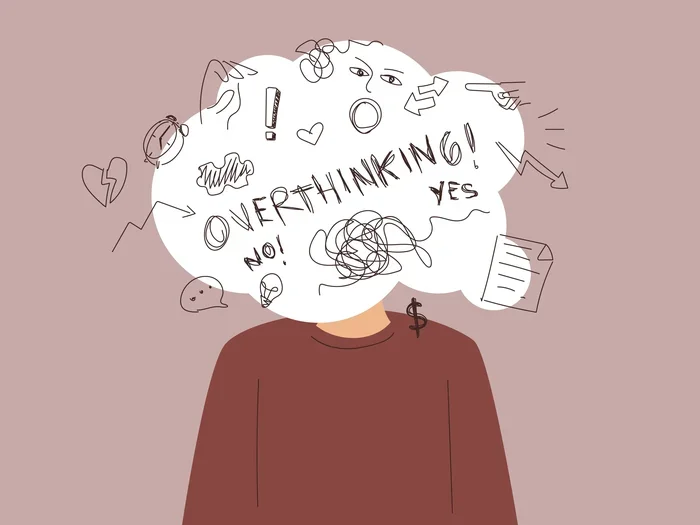
The mistake people make when they like someone often comes down to losing yourself, overthinking everything, and ignoring your own needs. You start changing who you are to impress someone, and that always backfires. Understanding this pattern early can save your self-respect and lead to healthier connections.
Have you ever liked someone so much that you forgot who you were? You changed your opinions. You canceled plans with friends. You told yourself that everything was fine, even when your gut said otherwise. If this sounds familiar, you are not alone. The mistake people make when they like someone is one of the most common relationship patterns out there. It happens to kind, caring people who simply want to connect. But this mistake can quietly destroy your confidence and your relationships. In this article, we will break down exactly what this mistake is, why it happens, and how to stop doing it today.
When you like someone, your brain floods with chemicals that make you feel excited and hopeful. That feeling is beautiful. But it can also cloud your judgment. You start putting the other person on a pedestal. You ignore red flags. You tell yourself that if you just try harder, everything will work out. The truth is, liking someone the wrong way often causes more harm than not liking them at all. Understanding this pattern is the first step toward building relationships that actually make you happy.
Key Takeaways
- You lose your identity: Changing your values, hobbies, or opinions to impress someone is the core mistake.
- Overthinking kills connection: Analyzing every text and gesture creates anxiety, not intimacy.
- Attachment styles matter: Your early relationships shape how you behave when you like someone.
- People pleasing backfires: Putting their needs above yours always leads to resentment.
- Healthy liking respects both people: You can care deeply without losing yourself.
- Boundaries are essential: Knowing where you end and they begin protects your emotional health.
- Self-worth comes first: You cannot build a strong relationship on a foundation of insecurity.
📑 Table of Contents
What Is the Biggest Mistake When You Like Someone?
The biggest mistake is simple but powerful. You sacrifice who you are to make someone else happy. You drop your boundaries. You ignore your own needs. You pretend to like things you do not enjoy just because they do. This is not love. This is fear. Fear of being rejected. Fear of not being enough. Fear of being alone.
When you like someone, it is natural to want to impress them. But there is a big difference between making a good impression and losing yourself entirely. Making a good impression means sharing your best self. Losing yourself means hiding your true self and hoping they will stay.
Here are the most common ways this mistake shows up:
- You agree with everything they say, even when you disagree.
- You abandon your hobbies and friendships to spend all your time with them.
- You ignore your gut feelings about things that feel wrong.
- You overanalyze their messages and read into every word.
- You avoid expressing your needs because you are afraid they will leave.
None of these behaviors come from a place of strength. They come from a place of insecurity. And insecurity will always sabotage your romantic feelings if you let it.
The Difference Between Admiration and Obsession
It helps to understand the line between healthy admiration and unhealthy obsession. Admiring someone means you appreciate them for who they are. You still feel whole on your own. Obsession means you need them to feel whole. You cannot think about anything else. Your mood depends entirely on how they treat you. That is not a love interest. That is an emotional dependency.
Admiration says, “I really enjoy being around you.” Obsession says, “I cannot live without you.” One feels light. The other feels heavy. Make sure you know which one you are experiencing.
Why We Make This Mistake (The Root Causes)
Understanding why you make this mistake is just as important as knowing what the mistake is. Most people do not choose to lose themselves in love. It happens because of deeper emotional patterns that started long before the current relationship.
Why Do We Overthink When We Like Someone?
Overthinking is one of the first signs that you are falling into this trap. You send a message and then check your phone every three seconds. You replay conversations in your head. You wonder what they really mean when they say “good morning.” This constant overthinking in relationships drains your energy and makes you miserable.
The reason you overthink is simple. You want certainty. You want to know that they feel the same way. But certainty is something you can never get from another person. The only thing you can control is how you show up. When you stop trying to control their feelings, the overthinking starts to fade.
The Role of Past Experiences
Your past plays a huge role in how you behave now. If you grew up with emotional needs that were not met, you might look for someone to fill that void. You might think that finding the right person will finally make you feel worthy. But no one can fix your self worth in relationships. Only you can do that work.
Past heartbreak, childhood neglect, or even growing up in a chaotic home can all contribute to this pattern. You learned early on that love is unpredictable. So when you find someone you like, you hold on tighter. You give more. You fear losing them more than you fear losing yourself.
How This Mistake Shows Up in Real Life
Theoretical knowledge is helpful, but real-world examples make this mistake click. Let us look at how this mistake plays out in everyday situations.
People Pleasing
People pleasing is probably the most common form of this mistake. You say yes to every request. You drop everything when they need you. You never say no because you are afraid of conflict. You tell yourself that being a good partner means being available 24 7.
But here is the truth. It is not your job to make others happy at the expense of your own well-being. People pleasing does not earn you love. It earns you exhaustion. And eventually, the person you are trying so hard to impress will take you for granted.
Real people pleasing looks like this:
- Canceling your plans to be available for them.
- Eating food you do not like because they suggested it.
- Hiding your true opinions to keep the peace.
- Feeling guilty when you do something for yourself.
- Always being the one to apologize first.
If this sounds like your life, it is time to step back and ask yourself some hard questions.
Ignoring Red Flags
Another way this mistake shows up is through ignoring red flags. When you really like someone, you want to see the best in them. You make excuses for their behavior. You tell yourself they are going through a tough time. You minimize things that should bother you.
But ignoring red flags does not protect the relationship. It delays the inevitable. Eventually, the truth comes out, and you realize you wasted months or even years hoping they would change.
Red flags are not small things. They are patterns. If someone consistently disrespects your time, dismisses your feelings, or makes you feel small, that is not a phase. That is who they are.
Losing Your Identity
The most painful version of this mistake is losing your identity completely. You stop doing the things you love. You change your style, your music taste, your opinions. You become a mirror image of the person you like. And when they finally see you, they do not recognize the person standing in front of them.
You cannot build a real connection on a fake version of yourself. The person who likes you needs to like the real you. Not the version you created just to impress them.
The Connection Between Attachment Styles and This Mistake
Not everyone makes this mistake for the same reasons. Psychologists have found that your attachment style plays a major role in how you behave when you like someone. Understanding your attachment style can help you break free from destructive patterns.
Anxious Attachment and Liking Someone Too Much
People with an anxious attachment style are the most likely to make this mistake. They crave closeness and reassurance. They fear abandonment more than anything. When they like someone, they become hyper-vigilant. They watch for signs that the other person is pulling away.
This constant need for reassurance leads to behaviors like excessive texting, jealousy, and emotional clinginess. The person with an anxious attachment style often feels like crying for no reason because their emotional system is always on high alert. They are not weak. They are simply wired to seek connection as a survival mechanism.
How Attachment Styles Shape Your Behavior
Different attachment styles lead to different relationship patterns. Here is a quick comparison:
- Anxious attachment: Clings too tightly, overthinks constantly, fears abandonment.
- Avoidant attachment: Pulls away when things get deep, values independence over connection.
- Secure attachment: Balances closeness with independence, communicates needs clearly.
- Disorganized attachment: Wants closeness but fears it, creates chaotic relationship cycles.
If you struggle with an avoidant or disorganized attachment style, you might also make related mistakes. For example, people with avoidant styles often confuse giving space with the difference between the silent treatment and giving space. They pull away not out of calm but out of fear. Understanding this distinction is crucial for building healthy bonds.
People who want to learn how to build healthier bonds can explore resources on how to meet the needs of an avoidant attachment style or how to work with your own attachment patterns. The goal is not to change who you are but to understand why you behave the way you do.
How to Stop Making This Mistake
The good news is that this mistake is reversible. You can unlearn the patterns that lead to losing yourself in love. It takes awareness, patience, and practice. But it is absolutely possible.
Set Boundaries
Boundaries are not walls. They are guidelines that protect your emotional health. When you like someone, it is tempting to drop all your boundaries. You think that being flexible and accommodating will make them stay. But the opposite is true. People respect those who respect themselves.
Start by identifying your non-negotiables. What behaviors will you not accept? What values will you not compromise? Write them down if you need to. Boundaries give you clarity and confidence.
Focus on Yourself
This might sound selfish, but it is not. You cannot pour from an empty cup. When you invest in your own growth, your hobbies, your friendships, and your goals, you become a more attractive and fulfilled person. The right person will love you for who you are, not who you pretend to be.
Some practical ways to focus on yourself include:
- Spend time alone without feeling guilty.
- Continue doing the hobbies and activities you love.
- Invest in your physical and mental health.
- Surround yourself with friends who support you.
- Journal about your feelings and needs.
Communicate Honestly
Honesty is the foundation of every strong relationship. If something bothers you, say so. If you need space, ask for it. If you feel overwhelmed, tell them. Hiding your feelings to keep the peace is another form of people pleasing, and it will eventually catch up with you.
Healthy communication also means listening to what they say without immediately trying to fix it. Sometimes people just want to be heard. Sometimes they need space to process. Giving them that space shows emotional maturity and respect.
Recognize When You Need Support
Sometimes the patterns that lead to this mistake are too deep to handle alone. If you find yourself constantly overthinking in relationships or feeling like you cannot function without someone, it might be time to seek professional support. A therapist can help you understand your attachment patterns and build healthier relationship habits.
You can also explore resources about emotional availability and how to build secure connections. The journey toward healthy love starts with understanding yourself.
What Healthy Liking Actually Looks Like
Now that we have covered what goes wrong, let us talk about what going right looks like. Healthy liking means you care about someone without losing yourself. You enjoy their company without depending on it. You feel excited about their presence without being consumed by it.
Healthy liking is built on two pillars: respect and balance. Respect means you honor the other person as a whole human being, not a project to fix or a prize to win. Balance means you give and receive in equal measure. Neither person dominates the emotional landscape.
Here is what healthy liking looks like in practice:
- You maintain your own friendships and interests.
- You can disagree without fear of abandonment.
- You express your needs without guilt.
- You enjoy the connection without needing it to be perfect.
- You accept that you cannot control how they feel.
When you like someone in a healthy way, you feel energized, not drained. You feel excited, not anxious. You feel valued, not desperate. That is what real connection feels like.
Respecting Both People
Healthy relationships honor both people equally. You both have space to be yourselves. You both have room to grow. You both feel safe enough to be honest. This kind of balance does not happen by accident. It happens because both people are willing to show up as their authentic selves.
Enjoying someone without losing yourself is the ultimate goal. It is possible to care deeply about someone and still maintain your sense of identity. In fact, that is the only kind of love that lasts.
Conclusion
The mistake people make when they like someone is losing themselves in the process. You change who you are. You ignore your own needs. You pretend to be someone you are not. And in the end, you neither keep the person you liked nor the person you used to be.
The solution is not to stop liking people. The solution is to like them from a place of wholeness, not emptiness. Set boundaries. Focus on your own growth. Communicate honestly. And remember that the right person will love the real you, not the version you created just to impress them.
Your worth does not depend on anyone else’s feelings. You are enough, exactly as you are. Start from that place, and watch your relationships transform.
Frequently Asked Questions
Why do I lose myself when I like someone?
You lose yourself when you like someone because you are afraid of being rejected. You try to become who you think they want you to be. This usually comes from past experiences where your emotional needs were not met. Building your self-worth independently can help you stop losing yourself.
Is it normal to overthink when you like someone?
Yes, some overthinking is normal when you like someone. But constant overthinking that affects your daily life is a sign of insecurity. If you find yourself unable to stop analyzing every message or gesture, it might be time to work on your attachment patterns.
How do I know if I am people pleasing in a relationship?
You are people pleasing if you always agree with them, cancel your plans for them, and feel guilty when you do something for yourself. People pleasing comes from a fear of conflict and rejection. It is not the same as being a caring partner.
Can a relationship survive if one person loses themselves?
Short term, maybe. But long term, no. A relationship built on one person sacrificing their identity will eventually collapse. The person who lost themselves will feel resentful and empty. The other person will feel burdened and confused. Both deserve better.
What is the difference between liking someone and being obsessed with them?
Liking someone means you enjoy their presence but still feel whole on your own. Being obsessed means you need them to feel complete. Obsession creates anxiety and emotional dependency. Healthy liking creates joy and connection.
How can I build my self-worth before entering a relationship?
Start by investing in yourself. Pursue your passions, strengthen your friendships, and practice self-compassion. Therapy can also help you heal past wounds. When you feel secure on your own, you bring that security into every relationship you build.
