
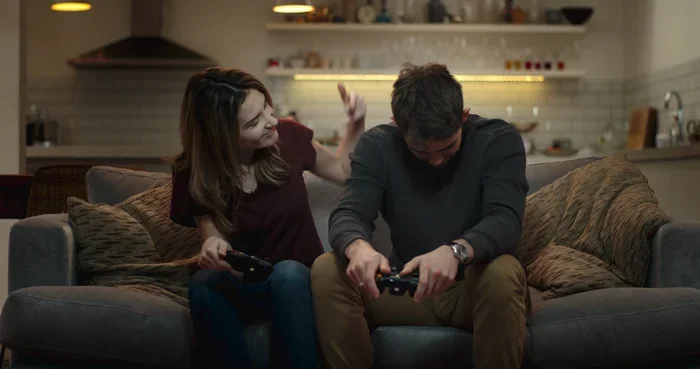
When a husband is addicted to gaming, it can quietly drain the emotional connection from your marriage. Many partners feel ignored, lonely, and unsure how to bring balance back into their daily life. This guide shares clear, compassionate steps to address the issue without blame, rebuild intimacy, and create healthier habits together. You will learn how to communicate your needs, set realistic boundaries, and decide when professional support might help.
Few things feel as quietly painful as watching someone you love drift into a screen. You might sit across the room and notice the same pattern again and again. The controller stays in hand. The conversation never really starts. The distance grows, and you start wondering if your marriage is fading into the background. If you are feeling this way, you are not alone, and your concerns are completely valid.
A husband is addicted to gaming when the habit starts controlling daily life instead of simply adding fun. It can show up as missed dinners, shortened conversations, irritability when asked to pause, or a general pullback from shared moments. The good news is that this pattern can change. Real progress usually begins with honest communication, clear boundaries, and a willingness to understand what the gaming is giving him.
This article walks you through what to look for, how to talk about it, and what practical steps can help you both find balance again. You will also see when it may be time to bring in outside support. The goal is not to shame anyone. The goal is to rebuild connection before the distance becomes too deep to cross.
Key Takeaways
- Recognize the signs early: Look for changes in mood, skipped responsibilities, and emotional distance that point to unhealthy gaming habits.
- Communicate with calm honesty: Use gentle, specific language to share how his screen time affects your relationship and your feelings.
- Set clear, mutual boundaries: Agree on screen-free times, shared activities, and realistic expectations that respect both partners.
- Replace isolation with connection: Introduce low-pressure date ideas, hobbies, and routines that encourage real-world interaction.
- Understand the root causes: Gaming often fills stress, loneliness, or avoidance, so address the emotions behind the behavior.
- Seek support when needed: If the pattern feels stuck or damaging, couples counseling or individual therapy can provide fresh tools.
- Protect your own well-being: Keep your social connections, hobbies, and self-care strong while you work through these challenges.
📑 Table of Contents
- Why Gaming Feels So Compelling to Him
- Signs Your Marriage Is Being Affected
- How to Talk About It Without Starting a Fight
- Setting Healthy Boundaries That Actually Work
- Rebuilding Connection After Gaming Has Drifted You Apart
- When It May Be Time to Get Outside Help
- Taking Care of Yourself While You Navigate This
- Bringing It All Together
Why Gaming Feels So Compelling to Him
Before you can address the problem, it helps to understand why gaming can become so absorbing. For many people, games offer a fast feedback loop. They provide clear goals, instant rewards, and a sense of progress that real life does not always offer. That combination can be very tempting, especially during stressful seasons.
The emotional pull behind the screen
Games can become a safe escape. They may help him unwind after work, avoid conflict, or feel capable when other parts of life feel messy. If he is dealing with gaming addiction tendencies, the screen may be serving a purpose beyond entertainment. It might be soothing anxiety, filling loneliness, or giving him a place where he feels in control.
This does not excuse hurtful behavior, but it does explain why pulling him away can feel so hard. When a habit meets an emotional need, simple requests like “just log off” often fail. A better approach is to understand what the gaming is doing for him, and then help meet those needs in healthier ways.
When fun turns into avoidance
Healthy gaming usually fits around life. It leaves room for work, chores, sleep, and relationships. The shift toward video game obsession often happens slowly. He may start staying up later, skipping conversations, or choosing the game over plans he once enjoyed. Over time, the habit can become a way to avoid discomfort instead of a way to relax.
If you notice this pattern, try to view it as a signal rather than a personal attack. The more you understand the “why,” the easier it becomes to respond with clarity instead of frustration.
Signs Your Marriage Is Being Affected
It can be tricky to know when a hobby becomes a problem. The difference often comes down to impact. If gaming is quietly replacing connection, responsibilities, or intimacy, it is worth paying attention. Here are some common signs that the habit is starting to hurt your relationship.
Common warning signs to watch for
- He regularly chooses gaming over planned time together.
- Conversations feel short, distracted, or delayed until he is done playing.
- He becomes irritated, defensive, or tense when you ask him to stop.
- Household tasks, sleep, or self-care start slipping.
- You feel lonely even when he is physically in the same room.
- Intimacy declines because he seems mentally checked out.
- He spends more time talking about the game than about your life together.
These signs do not automatically mean the relationship is over. They do mean something needs to change. A husband is addicted to gaming when the behavior keeps repeating even after it has caused problems. If you see several of these patterns at once, it may be time to step in with a calm, direct conversation.
How it feels on your side
Many partners describe a heavy sense of rejection. You may feel like you are competing with a screen for attention. You may also feel guilty for bringing it up, because he is not “doing anything wrong” in a dramatic way. Still, your need for connection matters. A healthy marriage needs presence, not just proximity.
If you have been carrying this alone, it can help to name what you are feeling. Loneliness, frustration, sadness, and worry are all normal responses. Once you can describe the impact clearly, you will be in a stronger position to ask for what you need.
How to Talk About It Without Starting a Fight
The way you bring this up matters a lot. If the conversation feels like an attack, he may shut down or argue. If it feels like an invitation to understand each other, he may actually listen. The goal is to create a safe opening, not to win a debate.
Choose the right moment
Do not start this talk while he is in the middle of a match or right after he loses one. Pick a calm moment when neither of you is rushed or irritated. A quiet evening, a walk, or a relaxed weekend morning can work well. The setting should feel neutral and low-pressure.
Use clear, gentle language
Focus on your experience instead of labeling his character. Say what you have noticed and how it affects you. For example, you might say, “I miss spending time with you,” or “I feel disconnected when most of our evenings disappear into gaming.” This keeps the focus on the relationship rather than on blame.
If you want to make the conversation even clearer, keep these tips in mind:
- Speak in short, simple sentences.
- Use “I” statements instead of accusations.
- Mention specific moments that hurt, not vague complaints.
- Ask questions to understand his experience too.
- Stay calm even if he gets defensive at first.
This kind of relationship communication can feel uncomfortable, but it is one of the most important steps you can take. When both people feel heard, change becomes much more possible.
Ask what the game means to him
You may learn that he uses gaming to decompress, socialize with friends online, or cope with stress. That information matters. It gives you a starting point. If the game is his main stress relief, the solution is not simply to remove it. The solution is to help him build a fuller set of coping tools.
You can ask questions like:
- What do you enjoy most about this game?
- How do you feel before and after playing?
- Is there anything stressing you out that gaming helps you avoid?
- What would make it easier for you to unplug at a reasonable time?
These questions show curiosity instead of criticism. That shift can lower defensiveness and open the door to real change.
Setting Healthy Boundaries That Actually Work
Once the conversation starts, the next step is creating structure. Boundaries are not punishments. They are agreements that protect your time, your energy, and your marriage. The best boundaries are clear, realistic, and mutually understood.
Make the expectations specific
Vague requests usually lead to vague results. “Spend less time gaming” is hard to follow. “No gaming after 9 p.m.” or “Let’s keep Sunday mornings screen-free” is much easier to understand. Specificity reduces arguments because there is less room for guesswork.
You might agree on things like:
- A daily time limit for gaming on weekdays.
- Screen-free meals.
- One shared activity each week that does not involve devices.
- A rule that important conversations happen before gaming starts.
- A plan for handling late-night play so sleep is not disrupted.
If you want a smoother transition, start with one or two changes instead of overhauling everything at once. Small wins build trust.
Keep the focus on connection, not control
Boundaries work best when they are framed around shared values. You are not trying to control his freedom. You are trying to protect your relationship. That distinction matters. A husband is addicted to gaming in a damaging way when the habit starts taking more than it gives. The goal is balance, not deprivation.
It can also help to create positive reinforcement. If he sticks to the agreement, notice it. Thank him. Acknowledge the effort. Positive feedback often works better than repeated frustration. People are more likely to keep changing when they feel supported rather than monitored.
When boundaries get tested
He may slip at first. That is normal. Habits do not change overnight. If he breaks the agreement, stay calm and revisit the plan. Ask what made it hard and what could make it easier next time. If the pattern keeps repeating, you may need a firmer agreement or outside support.
A useful rule is this: boundaries are only effective when they are followed consistently. If the limit is always negotiable, it stops meaning much. Clarity and follow-through are what make the difference.
Rebuilding Connection After Gaming Has Drifted You Apart
Cutting back on gaming is only part of the solution. You also need new ways to connect. If the screen has been the main source of his engagement, the relationship needs fresh energy to compete with it. That does not mean grand gestures. It means consistent, low-pressure moments of real interaction.
Start with small shared moments
Big changes can feel overwhelming. Small ones are easier to sustain. Try simple activities that create conversation and shared focus. A short walk, cooking together, a board game, or a coffee routine can all help rebuild familiarity. The point is to create moments where you both show up fully.
Here are a few easy ideas:
- Take a ten-minute walk after dinner.
- Cook one meal together each week.
- Watch one show or movie as a shared date night.
- Plan a weekend outing that both of you choose together.
- Set aside a few minutes each day for a real check-in.
These moments matter because they remind both of you that the relationship is still alive and worth investing in. Rebuilding intimacy often starts with presence, not perfection.
Make room for emotional closeness
Gaming can crowd out more than time. It can also crowd out emotional honesty. If you have been distant, you may need to rebuild the habit of sharing thoughts and feelings. Ask open questions. Share a little about your day. Notice what is going well. Let the conversation breathe.
If he has been withdrawn, do not force deep talks immediately. Start gently. A simple “How are you feeling about everything lately?” can open the door. If he answers briefly, that is okay for now. Keep showing up. Trust grows through repeated safe interactions.
Bring back affection and appreciation
When a relationship feels strained, people often stop saying the good things too. Try to notice what he does well, even if the overall situation is hard. Appreciation can soften tension. It also reminds him that he is seen as a person, not just as a problem to fix.
At the same time, keep your own needs visible. You can be kind and still be honest. You can appreciate him and still say, “I need more time together.” A healthy marriage needs both warmth and clarity.
When It May Be Time to Get Outside Help
Sometimes the pattern is too sticky to fix on your own. If the gaming habit is deeply tied to stress, depression, avoidance, or long-standing relationship wounds, extra support can make a real difference. There is no shame in asking for help. In fact, it is often the smartest move.
Signs that professional support could help
- He denies the problem even when the impact is obvious.
- The same arguments keep happening with no change.
- Gaming is affecting sleep, work, finances, or basic responsibilities.
- You feel exhausted, hopeless, or like you are losing yourself.
- The relationship has become tense, cold, or full of resentment.
If any of these sound familiar, it may be time to bring in a counselor or therapist. A neutral third party can help both of you speak more clearly and hear each other better. That can be especially useful when relationship communication has broken down.
Individual support matters too
Sometimes the issue is not only about the marriage. He may be using gaming to cope with something deeper. Individual therapy can help him understand what is driving the habit and build healthier coping skills. You can also benefit from support on your own. A therapist can help you set boundaries, manage stress, and decide what you need moving forward.
If he is not ready for counseling, you can still start with a conversation about why it might help. Frame it as a tool for relief and clarity, not as a punishment or a sign that he is broken.
Taking Care of Yourself While You Navigate This
It is easy to become so focused on his behavior that you neglect your own life. Do not let that happen. Your well-being matters, whether or not he changes quickly. A strong, grounded you is better able to handle the situation with clarity and patience.
Keep your own life full
Stay connected with friends. Keep up with hobbies. Move your body. Rest when you need to. These basics are not distractions from the real issue. They are part of the foundation that keeps you steady. If your whole world shrinks to one problem, the problem feels bigger than it is.
A few self-care habits can help:
- Schedule regular time with people who support you.
- Keep doing things that bring you joy, even in small ways.
- Write down your thoughts so they do not loop in your head.
- Protect your sleep and daily routines.
- Remind yourself that your needs are legitimate.
Know what you can and cannot control
You can invite change. You can communicate clearly. You can set boundaries. You can encourage healthier habits. What you cannot do is force him to want change. That truth is hard, but it is important. A husband is addicted to gaming in a way that affects you both, but only he can choose to step away from the screen and back into the relationship.
If he is willing, you can work as a team. If he is not willing, you still have choices. You can decide how long you will wait, what boundaries you need, and whether the relationship is still healthy for you. Those are serious questions, and they deserve honest answers.
Bringing It All Together
When a husband is addicted to gaming, the pain is real. You may miss his attention, his presence, and the easy closeness you once had. You may also feel confused because the problem is not dramatic on the surface. A screen can hide a lot of distance before anyone names it.
The path forward usually starts with calm honesty. Notice the signs. Speak about the impact without attacking his character. Set clear, realistic boundaries. Build new moments of connection. And if the pattern is too entrenched, ask for help. You do not have to carry this alone.
Most importantly, remember that a marriage is meant to be a shared life, not a solo waiting room. If both of you are willing, there is room to recover trust, rebuild intimacy, and create a healthier rhythm. If only one person is willing, the next step is to protect your own well-being while you decide what comes next. Either way, your feelings matter, your needs matter, and the relationship deserves an honest chance to heal.
Frequently Asked Questions
How do I know if my husband’s gaming is a problem or just a hobby?
It becomes a problem when gaming starts hurting your relationship, his responsibilities, or his well-being. If he regularly chooses games over time together, gets irritable when asked to stop, or seems emotionally distant, the habit may be out of balance.
What should I say first when I bring up his gaming?
Start with a calm, specific statement about how you feel. You might say you miss spending time with him or feel disconnected when evenings disappear into gaming. Keep the focus on the relationship and avoid attacking his character.
Can we set limits without causing a big argument?
Yes, especially if the limits are clear and realistic. Specific agreements like screen-free meals or a cutoff time work better than vague requests. If you frame the boundaries around connection rather than control, he may be more open.
Why does he get so defensive when I mention his gaming?
He may feel criticized, ashamed, or pressured to give up something that helps him cope. Defensiveness often shows that the issue touches on stress, avoidance, or a habit that feels hard to change. Staying calm and curious can lower the tension.
How can we rebuild intimacy if gaming has created distance?
Start with small, consistent moments of connection like walks, shared meals, or short daily check-ins. Focus on being present with each other and slowly rebuild emotional closeness. Intimacy often returns when both people feel seen and included again.
When should we consider counseling for this issue?
Counseling can help if the pattern keeps repeating, if he denies the impact, or if the relationship feels tense and stuck. It is also worth considering if gaming is affecting sleep, work, or basic responsibilities. A professional can help you both communicate more clearly and find healthier patterns.
