
Words shape reality. If you want healthier connections, you must stop using language that drains trust and energy. This guide reveals the 13 common words emotionally intelligent people avoid you should too so you can speak with clarity and kindness. Small changes in your vocabulary create big shifts in how others see you. Start today and watch your relationships transform.
Key Takeaways
- Words carry weight: The phrases you use daily shape how others feel around you.
- Emotional intelligence matters: High EQ people choose language that builds trust instead of breaking it.
- Avoid blame language: Words like “always” and “never” shut down honest conversation fast.
- Drop dismissive terms: Phrases that minimize feelings make people feel unseen and unheard.
- Replace judgment with curiosity: Asking questions works better than making harsh statements.
- Practice mindful speech: Pausing before you talk helps you pick kinder, clearer words.
- Small shifts create big results: Changing a few key phrases can improve love, work, and friendships.
📑 Table of Contents
- Why Your Daily Words Matter More Than You Think
- The 13 Common Words Emotionally Intelligent People Avoid You Should Too
- Why These Phrases Trigger Defensiveness and Distance
- How to Replace Harmful Words With Clear, Kind Language
- What Emotionally Intelligent People Say Instead
- How Better Word Choices Improve Love, Work, and Friendships
- Common Mistakes When Trying to Change Your Speech
- Final Thoughts on Choosing Words That Build Trust
Why Your Daily Words Matter More Than You Think
We speak thousands of words each day. Most of us do not think about the impact of each phrase. Yet every sentence sends a signal. Some signals build bridges. Others burn them. When you learn the 13 common words emotionally intelligent people avoid you should too, you start to see how language shapes trust, love, and peace.
Think about a time when someone said something that stung. Maybe it was a quick remark at work. Maybe it was a careless line at home. The words may have been short. The hurt lasted longer. That is the power of speech. You do not need a big vocabulary to be kind. You just need to notice what you say and choose better.
Emotionally intelligent people understand this truth. They watch their words like they watch their steps on a slippery road. They know that a single phrase can calm a tense moment or spark a fight. They also know that words reveal what is happening inside. If you speak with patience, people feel safe. If you speak with blame, people put up walls.
This article will walk you through the exact phrases that drain connection. You will see why they cause problems. You will also learn simple swaps that keep your message clear without the sting. The goal is not to sound perfect. The goal is to speak with care so your relationships can grow.
What Emotional Intelligence Really Means in Speech
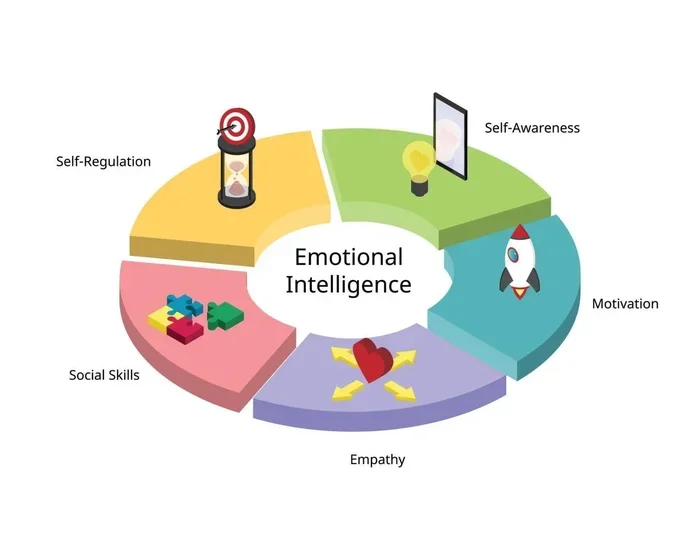
Emotional intelligence is not about being soft. It is about being aware. It means you notice your own feelings before you react. It means you guess how your words will land on someone else. When you speak with high EQ, you think about the person listening, not just the point you want to make.
People with strong emotional skills tend to use fewer harsh labels. They describe situations instead of attacking character. They ask for what they need instead of demanding it. They also know when to stay quiet. Silence can be a kind of wisdom when the room is hot and the mind is loud.
You do not have to be born with this skill. You can train it. Start by noticing your go-to phrases. Write them down if you must. Then test new options. Over time, your speech becomes a tool for connection instead of conflict. That is the real payoff of learning the 13 common words emotionally intelligent people avoid you should too.
How Language Shapes Trust and Connection
Trust grows in small moments. A gentle reply can repair a rough day. A sharp remark can undo weeks of goodwill. Words act like signals. They tell people whether you are open or closed, safe or risky, ready to listen or ready to fight. When you repeat the same harmful phrases, people learn to expect the worst.
On the other hand, careful speech builds a track record of safety. People relax when they know you will not mock them or dismiss them. They share more. They cooperate more. They stay closer. This is true in love, friendship, family, and work. The pattern is the same. Kind words open doors. Careless words lock them.
If you want deeper bonds, look at your default language. Ask yourself what each phrase teaches the people around you. Does it teach respect? Does it teach patience? Or does it teach fear? Your answer will show you where to start.
The 13 Common Words Emotionally Intelligent People Avoid You Should Too
Below you will find the exact phrases that often cause more harm than good. Each one comes with a short explanation and a kinder swap. Use this list as a mirror, not a weapon. The point is growth, not guilt.
1. Always
This word turns a single mistake into a permanent trait. It makes people feel boxed in. Nobody is always anything. When you say “You always forget,” you erase the times they did remember. That feels unfair. Try “I noticed this happened a few times” instead.
2. Never
“Never” is just as heavy as “always.” It shuts down hope and invites defensiveness. A partner who hears “You never listen” will likely stop trying to prove otherwise. Swap it for a clear observation. “I feel unheard right now” lands much better.
3. Should
“Should” sounds like a rule from a strict teacher. It implies someone failed to meet your standard. That creates shame, not change. People move better when they feel supported. Try “It would help if you could” or “I would love it if.”
4. Stupid
Name-calling attacks character. It hurts pride and kills trust fast. Even in frustration, this word does more damage than you think. Describe the action instead of labeling the person. “That choice caused a problem” is clear without being cruel.
5. Lazy
Calling someone lazy ignores the real story. People struggle for many reasons. Stress, fear, fatigue, and overwhelm can all look like laziness from the outside. Speak to the behavior you see. “I noticed the task is still pending” keeps the focus on facts.
6. Crazy
This word dismisses real feelings and turns pain into a joke. It can make people hide their struggles to avoid being mocked. If someone’s reaction seems intense, get curious. “I see this is really upsetting you” shows care instead of judgment.
7. Wrong
“Wrong” can be useful in facts, but it often feels like a verdict in personal talks. It puts people on trial. When emotions are high, try “I see it differently” or “Let’s check the details.” That keeps the door open for dialogue.
8. Fine
“Fine” often hides real feelings. It can end a conversation before anyone understands what is actually going on. If you mean something else, say it. “I am upset but I do not want to talk yet” is honest and respectful.
9. Whatever
This word signals that you do not care. It can feel like a door slam in the middle of a discussion. Even when you are tired, a better phrase helps. “I need a break and want to come back to this later” shows respect for the issue and the person.
10. Obviously
“Obviously” makes people feel small when they do not know something. It assumes everyone shares your view, which is rarely true. Remove it. Say “As you may know” or simply state the point without the pressure.
11. Just
“Just” can minimize what someone is feeling or asking for. “You are just overreacting” tells a person their pain does not count. Drop the word. Let the feeling stand. “I hear that this is hard for you” keeps the connection intact.
12. Impossible
This word kills momentum. It tells everyone to stop looking for solutions. Some problems are hard, but few are truly impossible. Try “This is a tough one” or “Let’s look at what we can do.” That keeps hope alive.
13. Ugly
Calling something ugly, especially about a person or their choices, cuts deep. It attacks worth instead of addressing behavior. If you dislike a choice, say why. “I do not think this fits our goal” is honest without being hurtful.
Why These Phrases Trigger Defensiveness and Distance
Harsh words put the brain on alert. When people feel judged, they often stop listening. They start protecting themselves. That means they may argue, shut down, or walk away. None of those responses help the real issue get solved. The problem grows while the conversation dies.
These phrases also create a scoreboard. Words like “always” and “never” make people feel like they are failing a test. That breeds resentment. Over time, the other person may stop sharing the truth because they fear being labeled again. Once that happens, trust takes a long time to rebuild.
The good news is that you can break this cycle. You do not need fancy therapy words. You need simple, clear language that focuses on the present moment. When you describe what happened and what you need, people can hear you. When you attack who they are, they cannot.
How Blame Words Shut Down Honest Conversation
Blame words act like a red flag to a bull. They trigger fight, flight, or freeze. A person who feels blamed may counterattack to protect their pride. Or they may go quiet to avoid more pain. Either way, the real topic gets lost. The talk becomes about the attack, not the issue.
To keep conversation alive, use “I” statements. Share your experience instead of diagnosing theirs. “I felt worried when the call was missed” is very different from “You are so irresponsible.” One invites understanding. The other invites armor.
The Hidden Cost of Dismissive Language
Dismissive words tell people their feelings do not matter. That can lead to silence, distance, and broken trust. People stop reaching out when they expect to be minimized. They may also start hiding problems because they fear being mocked or brushed off.
Over time, this pattern can damage close bonds. If you want to understand what is really happening in your relationship, you need a safe space for honest talk. You can learn more about relationship communication mistakes to avoid so you can keep your words from quietly pushing people away.
How to Replace Harmful Words With Clear, Kind Language
Changing your speech is a practice, not a performance. You will slip up sometimes. That is normal. What matters is that you keep returning to words that build rather than break. The easiest way to start is to pick one phrase from the list and swap it for a better option.
For example, replace “You always forget” with “I noticed this has happened a few times.” Replace “You are overreacting” with “I can see this is really affecting you.” These small changes keep your message clear while lowering the heat. People hear the point without feeling attacked.
Another helpful move is to slow down before you speak. Take one breath. Ask yourself what you want the other person to feel after your words. If the answer is defensive, try again. If the answer is understood, you are on the right track.
Simple Swaps That Keep Your Message Clear
Here are a few quick swaps you can use right away:
- Instead of “always”: use “I have noticed this happening often.”
- Instead of “never”: use “This has not happened yet.”
- Instead of “should”: use “It would help if you could.”
- Instead of “stupid”: use “That choice caused a problem.”
- Instead of “whatever”: use “I need a pause and want to return to this.”
These swaps are not about being fake. They are about being precise. Clear language reduces confusion. It also lowers the chance that your words will be misread as an attack. That is a win for everyone involved.
A Quick Practice Routine for Mindful Speech
Try this simple routine for one week. Each evening, write down one moment when your words landed poorly. Note what you said and what you wished you had said. Then pick one better phrase for tomorrow. Small reflection creates real change.
You can also ask a trusted friend to give you gentle feedback. Tell them you are working on speaking with more care. Ask them to flag moments when your tone feels harsh. Outside eyes help you see patterns you might miss on your own.
What Emotionally Intelligent People Say Instead
People with strong emotional skills do not avoid honesty. They shape it with care. They describe what they see. They name their feelings. They ask for what they need. They also leave room for the other person to respond. That balance keeps conversations productive.
For example, instead of saying “You never help,” an emotionally intelligent person might say, “I feel overwhelmed with the housework and could use support this week.” That statement is honest and specific. It invites help instead of inviting a fight. It also makes the request feel doable.
Instead of saying “That is a bad idea,” they might say, “I am worried about the risk here. Can we look at another option?” This keeps the focus on the problem, not the person. It also shows respect for the other person’s effort. That kind of language builds teamwork.
Curiosity Over Judgment in Daily Talks
Curiosity is one of the most powerful tools you have. When you feel annoyed, ask a question before you make a claim. “What is going on for you right now?” can change the whole tone of a conversation. It shows you care enough to understand.
Questions also slow things down. They give both people a chance to think. That can prevent a small spark from becoming a big fire. If you want to keep your bond strong, make curiosity a habit. You can also read more about signs he loves you deeply to see how steady, respectful communication often shows up in healthy love.
Building a Habit of Thoughtful Communication
Good communication is a muscle. You strengthen it with repetition. Start with low-stakes moments. Practice gentle words with a barista, a coworker, or a friend. The more you use careful speech in easy situations, the easier it becomes in hard ones.
It also helps to notice what triggers your harsh words. Are you tired? Hungry? Feeling dismissed? Once you know your triggers, you can prepare for them. You might take a short break before a tough talk. You might write down your main point first. Preparation reduces reactive speech.
How Better Word Choices Improve Love, Work, and Friendships
Better words do more than prevent fights. They create a climate where people feel safe to try, share, and grow. In love, that means more honesty and less guessing. In work, it means more collaboration and less drama. In friendships, it means more trust and less cleanup after careless remarks.
When you remove the most damaging phrases from your routine, people notice. They feel more relaxed around you. They may even start to mirror your tone. That is how a healthier culture begins. It starts with one person choosing better words, then another, then another.
This shift also helps you feel better. Harsh speech keeps your own nervous system on edge. Kind, clear speech lowers the temperature for everyone, including you. You spend less energy defending yourself and more energy solving problems. That is a better use of your day.
Why This Matters for Long-Term Relationship Health
Long-term bonds survive on repair, not perfection. You will still disagree. You will still have rough days. The difference is that careful language makes repair easier. It is simpler to come back together when the words did not leave deep scars.
If you want to keep your connection strong, make your speech part of your relationship care. Check in with yourself before hard talks. Ask what your words are trying to do. Are they trying to win, or are they trying to understand? That question alone can change the outcome.
You can also learn more about relationship check in questions every couple should ask weekly to keep your conversations steady, honest, and connected over time.
Common Mistakes When Trying to Change Your Speech
One common mistake is trying to fix everything at once. That usually leads to burnout. Pick one or two phrases first. Master those swaps. Then move to the next ones. Slow progress is still progress.
Another mistake is focusing only on the words and ignoring the tone. A soft word said with sarcasm can still sting. Pay attention to your voice, your face, and your timing. The full message matters, not just the script.
A third mistake is using “nice” words to avoid real issues. Kindness is not the same as avoidance. You still need to address problems. The goal is to do it in a way that keeps dignity intact. Clear and kind can live in the same sentence.
When to Pause Instead of Speak
Sometimes the best word is no word at all, at least for a moment. If you feel flooded, ask for a pause. “I want to give this my full attention, so I need ten minutes to calm down” is a strong choice. It protects the conversation from damage.
Use the pause to breathe, not to rehearse your attack. Come back when your heart rate is lower and your thoughts are clearer. That is when you can speak with the most care and the least damage.
Final Thoughts on Choosing Words That Build Trust
Your words are tools. You can use them to cut or to connect. The 13 common words emotionally intelligent people avoid you should too are not magic triggers, but they do reveal where your speech may be causing silent damage. When you replace blame with clarity and judgment with curiosity, you make room for healthier bonds.
Start small. Choose one phrase to retire this week. Notice how people respond. Notice how you feel after the talk. Over time, these small changes add up to a calmer voice, a steadier presence, and stronger relationships. That is the real power of speaking with emotional intelligence.
Frequently Asked Questions
What are the most common words emotionally intelligent people avoid?
They usually avoid harsh labels, absolute words like “always” and “never,” and dismissive phrases that minimize feelings. These words tend to trigger defensiveness and reduce trust. Swapping them for clear, specific language keeps conversations calmer and more productive.
Why do words like “always” and “never” cause so much conflict?
These words turn a specific issue into a permanent character judgment. That makes people feel unfairly boxed in and often leads them to defend themselves instead of listening. A more accurate observation keeps the focus on the real problem.
How can I stop using harmful phrases in the heat of the moment?
Start by pausing for one breath before you reply. Ask yourself what you want the other person to feel after your words. If your first thought sounds blaming, try a simpler statement about your experience or the situation. Practice this habit in low-stakes moments so it gets easier over time.
What should I say instead of “you are overreacting”?
Try something like “I can see this is really affecting you” or “I want to understand what feels so big about this.” Those responses validate the person’s experience without judging it. That usually lowers tension and opens the door to real conversation.
Can changing my words really improve my relationships?
Yes, because words shape how safe people feel around you. When your speech is clearer and less attacking, people are more likely to share honestly and stay connected. Small changes in vocabulary can reduce fights and make repair much easier after disagreements.
What if I slip up and use one of these words again?
That is normal, especially when you are tired or upset. The important part is to notice it, repair it, and try a better phrase next time. A simple correction like “I did not mean to sound harsh. Let me say that differently” can go a long way.
