
Does a mortgage pre approval affect credit score? Yes, it typically causes a small, temporary dip due to a hard inquiry. However, the impact is usually minor and fades quickly within a few months. Shopping around within a short window is often treated as a single inquiry by scoring models. Understanding this process helps you buy a home without fearing long-term damage to your financial profile.
Does a mortgage pre approval affect credit score? This is one of the most common questions home buyers ask before starting their journey. Buying a home is exciting. It is also stressful. You want to make sure your finances are ready. You also want to avoid surprises. Many people worry that checking their credit will hurt their chances. The good news is that the impact is usually small. It is also temporary. You do not need to fear the process if you understand how it works.
Your credit score is a number that shows lenders how risky you are. They use it to decide if they should lend you money. They also use it to set your interest rate. A higher score means better terms. A lower score might cost you more money over time. When you apply for a mortgage, the lender needs to see your full credit report. This requires a hard inquiry. This is different from a soft inquiry. A soft inquiry happens when you check your own score. It does not change your number. A hard inquiry happens when a lender checks your file for a loan decision. This is where the concern comes from.
We will break down everything you need to know. You will learn about hard pulls and soft pulls. You will see how much your score might drop. You will also learn how to minimize the impact. Knowledge is power. When you know the facts, you can move forward with confidence. Let us dive into the details of mortgage pre approval and credit scores.
Key Takeaways
- Hard Inquiry Impact: A mortgage pre approval triggers a hard pull, which may lower your score by a few points temporarily.
- Short-Term Effect: The dip usually lasts only a few months and rarely affects long-term financial health significantly.
- Rate Shopping Window: Multiple inquiries for the same loan type within 14-45 days are often counted as one single inquiry.
- Pre-qualification Difference: Pre-qualification typically uses a soft pull and does not impact your credit score at all.
- Timing Matters: Apply for pre approval before making other large purchases to keep your debt-to-income ratio low.
- Score Recovery: Your credit score typically rebounds quickly after the initial inquiry impact fades away.
- Financial Confidence: Getting pre approved shows sellers you are serious, which can help you win bidding wars.
📑 Table of Contents
Understanding Mortgage Pre Approval and Credit Checks
Before we talk about scores, we need to define pre approval. Many people confuse pre qualification with pre approval. They sound the same. They are not the same. Pre qualification is a rough estimate. It is based on information you give the lender. They do not verify everything. They often do not check your credit deeply. This is usually a soft pull. It does not hurt your score.
Pre approval is more serious. The lender verifies your income. They check your assets. They also pull your credit report. This is a hard inquiry. This step tells you exactly how much you can borrow. It makes you a serious buyer. Sellers love pre approved buyers. It shows you have the money. It shows you are ready to close the deal. But yes, this step involves a credit check.
Hard Pull vs. Soft Pull
It is important to know the difference between these two types of checks. A soft pull is like looking in a mirror. It does not change anything. You can check your own score anytime. You can also get pre qualified without a hard pull. A hard pull is like opening a door. It leaves a mark. Lenders do this when you apply for new credit. This includes mortgages, car loans, and credit cards.
The hard pull tells the lender you are seeking new debt. They want to see if you are taking on too much risk. They look at your recent history. If you have many hard pulls in a short time, it might look bad. It suggests you might be in financial trouble. However, there are exceptions for mortgages. Scoring models understand that people shop around for the best rates. We will talk more about that later.
Why Lenders Need Your Credit Report
Lenders need to protect themselves. They want to make sure you can pay back the loan. Your credit report shows your past behavior. It shows if you pay bills on time. It shows how much debt you already have. It shows if you have ever declared bankruptcy. All this information helps them make a decision. They cannot do this without accessing your report. So, a hard inquiry is a necessary step for pre approval.
You should not avoid pre approval because of this. The benefit of knowing your budget is worth the small dip in your score. Without pre approval, you might waste time looking at homes you cannot afford. You might also lose out on a great house because you were not ready. The key is to manage the process wisely.
Does a Mortgage Pre Approval Affect Credit Score Directly?
Now let us answer the main question directly. Does a mortgage pre approval affect credit score? Yes, it does. But the effect is usually very small. Most people see a drop of a few points. It is rarely a large drop. You might see your score go down by five points. You might see it go down by ten points. It depends on your current credit profile.
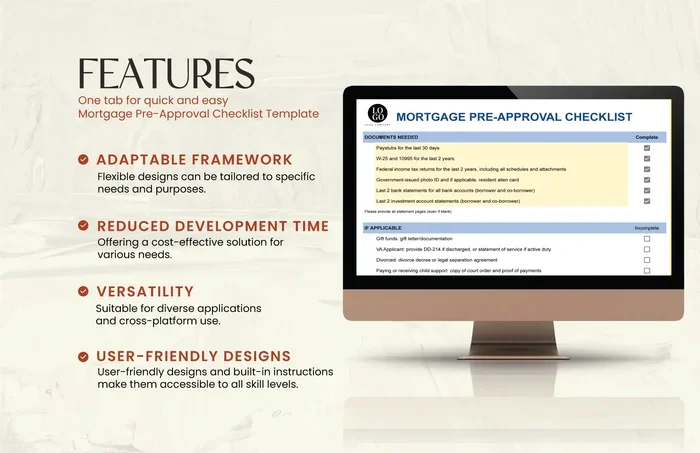
Visual guide about Mortgage pre approval documents
Image source: images.template.net
If you have a very high score, the drop might be noticeable. If you have a lower score, the drop might be negligible. The inquiry itself is just one factor. It is not the biggest factor. Your payment history is much more important. Your credit utilization is also more important. Do not let the fear of a few points stop you from buying a home.
How Much Does It Typically Drop?
There is no single number for everyone. It varies by person. However, most experts agree on a range. A single hard inquiry usually costs less than five points. Sometimes it costs nothing at all. Some people see no change. This is because the inquiry is a small part of the scoring model. It is only about ten percent of your FICO score. The rest is based on other things.
If you have a thin credit file, the impact might be slightly higher. This means you do not have many accounts. In this case, every new inquiry matters more. But for most people with established credit, the impact is minimal. You should not panic if you see a small change. It is normal.
How Long Does the Impact Last?
The good news is that the impact does not last forever. A hard inquiry stays on your report for two years. However, it only affects your score for a shorter time. Usually, the impact fades within a few months. Many people see their score bounce back within thirty days. Others might take a few months. It depends on the rest of your credit history.
After one year, the inquiry stops affecting your score completely. Even though it stays on the report, the scoring model ignores it. So, even if you apply for a mortgage today, it will not hurt your score next year. This is important to remember. Do not worry about long-term damage. It is a short-term blip.
Shopping for Rates and Multiple Inquiries
Many buyers worry about applying to multiple lenders. They think every application will hurt their score. They might stick with one lender to be safe. This is not always the best strategy. You want the best interest rate. A lower rate saves you money over the life of the loan. To get the best rate, you should compare offers. You need to know if multiple checks will ruin your score.
Fortunately, scoring models are smart. They know that people shop for mortgages. They do not want to punish you for being a smart shopper. They group inquiries together. This is called deduplication. If you apply to several lenders for the same type of loan, they count it as one inquiry. This protects your score while you shop.
The Rate Shopping Window
There is a specific time frame for this. It is called the rate shopping window. For FICO scores, this window is usually fourteen days. Some newer models extend this to forty-five days. During this time, multiple mortgage inquiries count as one. This means you can apply to five different banks. It will look like only one hard pull on your report.
You should try to do all your applications within this window. Do not spread them out over several months. If you apply in January and then again in March, it might count as two inquiries. Keep your shopping tight. This minimizes the impact on your credit. It also helps you compare rates quickly.
Tips for Minimizing Credit Impact
Here are some practical tips to protect your score. First, check your own credit before applying. Make sure there are no errors. Fix any mistakes before the lender sees them. Second, avoid applying for other credit during this time. Do not open new credit cards. Do not buy a car on credit. Keep your financial profile stable.
Third, ask lenders about their process. Some might use a soft pull for an initial estimate. You can get a sense of your rate without a hard pull. Then, you can choose the best one for pre approval. This saves you from unnecessary hard inquiries. Fourth, be ready with your documents. Have your pay stubs and tax returns ready. This speeds up the process. It reduces the time you spend in the shopping window.
- Check your credit report for errors beforehand.
- Avoid opening new credit lines during the process.
- Ask lenders if they use soft pulls for initial estimates.
- Submit all mortgage applications within a two-week window.
- Keep your debt-to-income ratio low before applying.
Pre Qualification vs. Pre Approval: What Is the Difference?
We mentioned this earlier, but it is worth repeating. Understanding the difference helps you plan. Pre qualification is the first step. It is informal. You tell the lender your income. You tell them your debts. They give you a rough number. This usually does not involve a hard credit check. It is safe to do this multiple times.
Pre approval is the second step. It is formal. The lender verifies everything. They pull your credit. They give you a conditional commitment. This is what sellers want to see. This is where the credit score impact happens. You should move to pre approval when you are ready to buy. Do not get pre approved too early if you are not ready. Wait until you are serious about making an offer.
When to Choose Each Option
If you are just dreaming about a home, start with pre qualification. It helps you know your budget. It does not hurt your credit. If you are ready to look at homes seriously, get pre approved. This strengthens your offer. In a competitive market, pre approval is essential. Sellers might reject offers without it. So, weigh the small credit impact against the benefit of winning the home.
Some buyers get pre approved and then wait months to buy. This is okay. The pre approval letter usually expires after ninety days. You might need to update it. Updating it might require another credit check. Ask the lender if they need a fresh pull. Sometimes they can use the old one. This saves you another inquiry.
Expert Insights on Credit Health During Home Buying
Financial experts agree on a few key points. First, do not stop using your credit cards. Keep them active. But keep the balances low. High utilization hurts your score more than an inquiry. Second, pay all your bills on time. One late payment during this process can be damaging. It is worse than a hard inquiry. Stay disciplined with your payments.
Third, do not make large purchases before closing. Even after pre approval, your finances are monitored. If you buy a new car, your debt-to-income ratio changes. This can cause the loan to be denied. Keep your financial life stable from application to closing. This is called maintaining your credit health. It is just as important as the score itself.
Common Mistakes to Avoid
Many people make mistakes during this process. One common mistake is applying for store credit cards. You might get an offer for ten percent off furniture. Do not take it. The hard inquiry will hurt your score. It is not worth the discount. Another mistake is co-signing a loan for a friend. This adds debt to your profile. It makes you look riskier to mortgage lenders.
Another mistake is ignoring errors on your report. If you see something wrong, fix it. Dispute it with the credit bureau. This can improve your score before you apply. It is better to fix it early. Do not wait until the lender finds it. Take control of your credit health.
- Avoid store credit card offers during the home buying process.
- Do not co-sign loans for friends or family.
- Pay all existing bills on time without exception.
- Keep credit card balances below thirty percent of limits.
- Monitor your credit report for unauthorized activity.
Conclusion
So, does a mortgage pre approval affect credit score? Yes, but only slightly. The drop is temporary. The benefit of buying a home outweighs the small cost. You can shop for rates without fear. Just keep your applications within a short window. Understand the difference between soft and hard pulls. Protect your credit by avoiding new debt. Stay disciplined with your payments.
Buying a home is a big step. It is normal to worry about your finances. But do not let credit score fears stop you. The impact is manageable. The long-term gain is much bigger. You are building equity. You are investing in your future. A small dip in your score is a small price to pay for that future. Move forward with confidence. You have the knowledge to handle this wisely.
Remember that your credit score will recover. It will bounce back quickly. Focus on the big picture. Focus on finding the right home. Focus on getting the best loan terms. Use pre approval as a tool. It is there to help you succeed. Use it wisely, and you will be just fine.
Frequently Asked Questions
Does a mortgage pre approval show up on my credit report?
Yes, a pre approval appears as a hard inquiry on your credit report. It is visible to other lenders who check your file. However, it is standard for mortgage shopping and does not look negative if done within a short window.
Can I get pre approved without hurting my credit score?
You can get pre qualified without a hard pull, which does not hurt your score. However, full pre approval usually requires a hard inquiry. Some lenders offer initial rate checks with a soft pull before the formal application.
How many points does a mortgage pre approval drop my score?
Typically, a single hard inquiry drops your score by less than five points. In some cases, there may be no change at all. The impact is minor compared to other factors like payment history.
Does rate shopping for mortgages hurt my credit?
Rate shopping within a specific window, usually fourteen to forty-five days, counts as a single inquiry. This allows you to compare lenders without multiple hits to your credit score. Spreading applications out over months could cause more impact.
How long does a mortgage inquiry stay on my credit report?
A hard inquiry remains on your credit report for two years. However, it only affects your credit score for about twelve months. After that, it is visible but no longer impacts your scoring calculation.
Should I wait to get pre approved until I find a house?
It is better to get pre approved before you start looking seriously. This shows sellers you are ready and strengthens your offer. Waiting until you find a house might slow down the process in a competitive market.
