
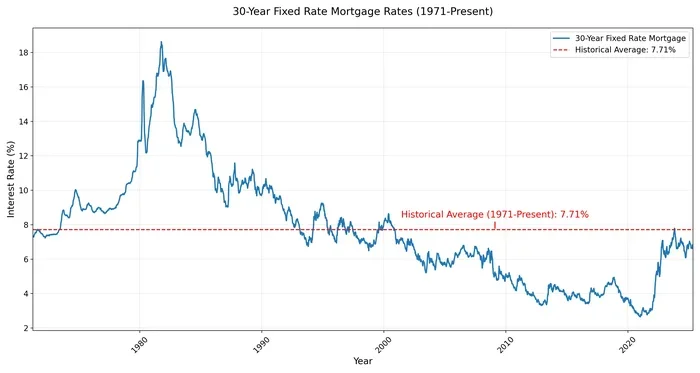
Why are mortgage rates so high right now is a question on every homebuyer’s mind. Inflation and Federal Reserve policies are the main drivers pushing costs up. Understanding these factors helps you plan better for your future home purchase.
Buying a home is one of the biggest dreams for many people. But lately, the cost of borrowing money has become a major worry. You might look at the numbers and feel confused. It seems like everything is more expensive than it used to be. This includes the interest you pay on a home loan.
Many people ask why are mortgage rates so high right now. It is not just one thing causing this. It is a mix of big economic forces. Inflation plays a huge role here. When prices go up everywhere, lenders need to charge more. They want to make sure they do not lose value on the money they lend you.
The government also plays a part. The Federal Reserve tries to keep the economy stable. Sometimes they raise rates to stop prices from rising too fast. This trickles down to banks and lenders. They pass those costs on to you. It can feel frustrating when you are ready to buy. But understanding the reasons helps you make smarter choices.
Key Takeaways
- Inflation Impact: High inflation forces lenders to charge more to protect their money’s value.
- Federal Reserve Role: The Fed raises interest rates to cool down the economy, affecting mortgages.
- Bond Market Connection: Mortgage rates often track the yield on the 10-year Treasury note.
- Housing Demand: Strong demand can keep rates elevated even when other factors shift.
- Credit Score Matters: Your personal financial health influences the specific rate you get offered.
- Timing Strategy: Waiting for rates to drop might not be the best strategy for everyone.
- Refinancing Option: You can refinance later if rates decrease significantly in the future.
📑 Table of Contents
Understanding the Economic Factors Behind Rates
To really get it, you need to look at the big picture. The economy is like a giant machine. When one part moves, other parts move too. Interest rates are the price of money. When money becomes scarce or risky, the price goes up. This is basic supply and demand.
Right now, the supply of cheap money is lower. Lenders are more careful. They worry about borrowers paying back loans. If the economy looks shaky, they charge more interest. This protects them from losing money. It is a safety measure for banks.
The Role of Inflation
Inflation is when prices for goods and services rise. Everything costs more than it did before. This includes food, gas, and housing. When inflation is high, the dollar buys less. Lenders know this. They want to be paid back with money that holds value.
If they lend you money at a low rate during high inflation, they lose purchasing power. So, they raise rates to match inflation. This is why why are mortgage rates so high right now is such a common question. The cost of living is up, and borrowing costs follow suit.
Think about it like this. If you lend a friend twenty dollars today, you want twenty dollars back later. But if prices double, that twenty dollars buys half as much. You would want more money back to make it fair. Banks think the same way about home loans.
Federal Reserve Policies
The Federal Reserve is the central bank of the United States. They control the base interest rates. This influences almost all other rates. When they raise the federal funds rate, it becomes more expensive for banks to borrow money. Banks then charge you more.
The Fed tries to balance growth and stability. If the economy grows too fast, prices skyrocket. They raise rates to slow things down. This can cool off the housing market. But it also makes buying a home harder for regular people. It is a tough balance to strike.
Many people watch what the Fed says. Their meetings can move markets. If they hint at raising rates, mortgage rates often jump. If they hint at cutting rates, rates might drop. It is a constant dance between policy and the market.
The Bond Market Connection
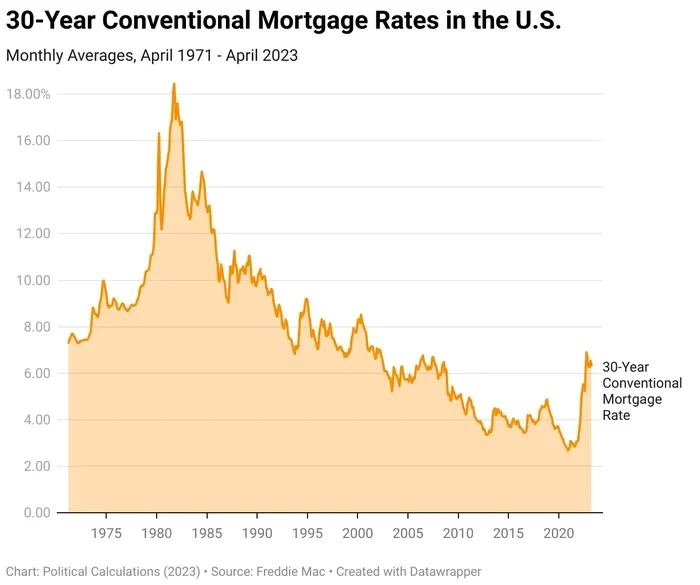
You might not think bonds matter for your home loan. But they are very important. Mortgage rates often follow the yield on the 10-year Treasury note. This is a government bond. Investors buy these bonds to save money safely.
Visual guide about mortgage rate chart graph
Image source: blogger.googleusercontent.com
When investors buy lots of bonds, the yield goes down. When they sell, the yield goes up. Mortgage lenders look at this yield. They set rates based on what they can earn elsewhere. If bonds pay more, mortgages must pay more to attract investors.
This link is strong. It is not perfect, but it is close. If you see the 10-year yield rise, expect mortgage rates to follow. This is a key reason why are mortgage rates so high right now. Investors are demanding higher returns on their money.
Investor Behavior
Investors are always looking for the best return. They move money around to find it. Sometimes they prefer stocks. Sometimes they prefer bonds. When they prefer bonds, rates might drop. When they fear inflation, they want higher yields.
This behavior changes daily. It creates fluctuations in rates. You might see rates go up one week and down the next. This volatility can be stressful. It makes planning difficult for buyers. But it is all part of the market dynamics.
Housing Market Demand and Supply
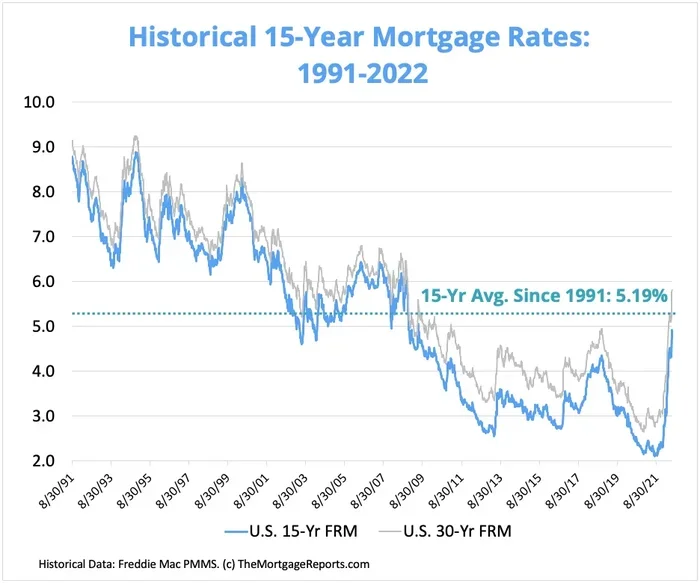
The housing market itself affects rates too. If many people want to buy homes, demand is high. Lenders know this. They might keep rates steady because they have plenty of customers. But if demand drops, they might lower rates to attract buyers.
Visual guide about mortgage rate chart graph
Image source: assets.themortgagereports.com
Supply is also key. There are not enough homes for sale in many areas. This scarcity keeps prices high. High prices mean larger loans. Larger loans mean more risk for lenders. They might charge more interest to cover that risk.
This creates a cycle. High prices lead to high rates. High rates make homes less affordable. But low supply keeps prices up anyway. It is a complex situation for everyone involved.
Local Market Variations
Not every place is the same. Some cities have more homes available. Others have very few. Local economies matter too. A city with lots of jobs might have more buyers. This can push rates or prices up locally.
You should look at your specific area. National news is important. But your local market tells the real story. Talk to local lenders. They know the trends in your neighborhood. They can give you better advice than national reports.
Your Personal Financial Picture
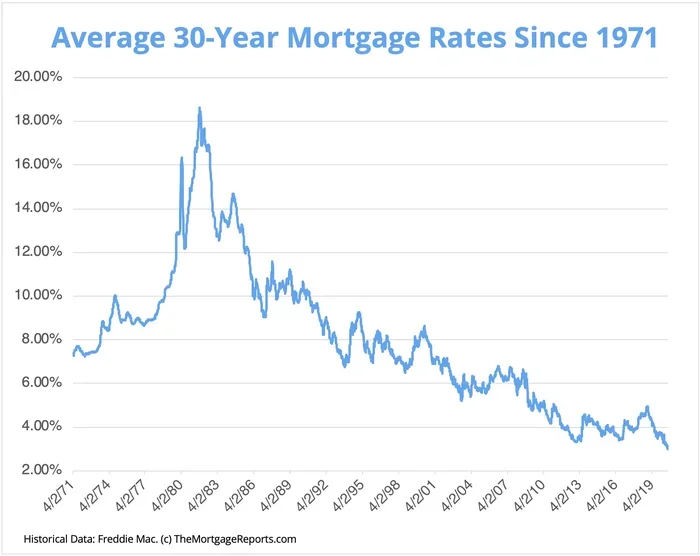
National rates are one thing. Your personal rate is another. Lenders look at you individually. They check your credit score. They look at your income. They want to know if you can pay them back.
Visual guide about mortgage rate chart graph
Image source: assets.themortgagereports.com
If you have a high credit score, you might get a better rate. This is true even when general rates are high. A good score shows you are responsible. It lowers the risk for the lender. They reward this with lower interest costs.
Your down payment matters too. Putting more money down reduces the loan size. It shows you have skin in the game. Lenders like this. It can help you secure a better deal. This is a practical way to fight high rates.
Improving Your Credit
You can work on your credit before applying. Pay your bills on time. Keep your credit card balances low. Do not open new credit accounts right before applying. These steps help your score go up.
Even a small improvement helps. It can save you thousands over the life of the loan. Take your time to fix your finances. It is worth the effort. You want the best possible terms for your home.
Strategies for Buyers in a High Rate Environment
So what can you do? You cannot control the economy. But you can control your actions. Do not panic if rates are high. Focus on what you can afford. Look at the monthly payment, not just the rate.
Consider different loan types. Some loans have lower initial rates. Others offer flexibility. An adjustable-rate mortgage might start lower. But be careful with future changes. Know the risks before you sign.
You can also try to buy down the rate. This means paying extra upfront. It lowers your interest rate for a while. This can help if you plan to sell soon. Calculate the break-even point. Make sure it makes financial sense for you.
Refinancing Later
Remember that rates change over time. You do not have to keep the same loan forever. You can refinance later. If rates drop in a few years, you can get a new loan. This can lower your monthly payment.
Many people plan for this. They buy now and refinance later. It is a valid strategy. Just make sure you can afford the payment now. Do not stretch yourself too thin hoping for rates to drop. Plan for the worst-case scenario.
Common Mistakes to Avoid
Buying a home is stressful. People make mistakes when they are worried. One big mistake is waiting too long. Trying to time the market perfectly is hard. You might miss out on a good home.
Another mistake is ignoring closing costs. These are extra fees you pay at the end. They can add up to thousands of dollars. Make sure you have savings for this. Do not spend all your cash on the down payment.
Also, do not skip shopping around. Different lenders offer different rates. One bank might be higher than another. Get quotes from several places. Compare the total cost, not just the interest rate. Fees vary too.
Expert Insights on Timing
Experts say time in the market matters more than timing the market. Waiting for the perfect rate might mean waiting forever. Life goes on. You need a place to live. Focus on your long-term goals.
If you plan to stay in the home for many years, the rate matters less. You can refinance later. If you plan to move soon, the rate matters more. Think about your timeline. Let that guide your decision.
Final Thoughts on Affordability
High rates are challenging. But people still buy homes. You can too. It requires planning and patience. Understand why are mortgage rates so high right now so you are not surprised. Knowledge is power in this process.
Work with a good real estate agent. Find a lender you trust. They can guide you through the steps. Do not let fear stop you from starting. Homeownership is still a great goal. It builds wealth over time.
Keep an eye on the economy. Stay informed about changes. But do not obsess over daily rate fluctuations. Focus on your budget. Focus on your needs. Find a home that fits your life. That is the most important thing.
In the end, the market will shift. Rates will go up and down. Your goal is to be ready. Be financially healthy. Be ready to act when the time is right for you. Do not rush, but do not wait indefinitely. Your home is waiting for you.
Frequently Asked Questions
What causes mortgage rates to rise suddenly?
Mortgage rates often rise due to inflation data or Federal Reserve announcements. When investors expect higher inflation, they demand higher yields on bonds. This pushes mortgage rates up quickly in response to economic news.
Will mortgage rates go down in the future?
No one can predict the future with certainty. Rates depend on economic conditions and policy changes. Many experts believe rates may stabilize or drop if inflation cools down significantly over time.
How does my credit score affect my mortgage rate?
A higher credit score usually gets you a lower interest rate. Lenders see you as less risky when you have good credit. Improving your score before applying can save you money on monthly payments.
Is it better to wait for lower rates to buy a home?
Waiting might mean missing out on a home you love. Prices could also rise while you wait. It is often better to buy what you can afford now and refinance later if rates improve.
What is a rate buydown and how does it work?
A rate buydown involves paying upfront fees to lower your interest rate. This reduces your monthly payment for the first few years. It is helpful if you plan to sell or refinance soon after buying.
Do all lenders offer the same mortgage rates?
No, rates vary between different lenders and banks. Some offer lower rates but higher fees. It is important to compare the annual percentage rate and total closing costs from multiple providers.
