

If I pay 500 extra on my mortgage each month, I can save thousands in interest and shorten my loan term significantly. This simple habit builds home equity faster and reduces monthly financial stress. Before starting, check for prepayment penalties and ensure your budget planning supports the extra payment. Small, consistent payments create big long-term savings over time.
Many homeowners ask the same question: if I pay 500 extra on my mortgage, what actually happens? The short answer is that your money works harder. Extra payments reduce your principal balance faster. That means less interest builds up over time. It also means you could own your home sooner.
This idea sounds simple, but the details matter. Your loan type, interest rate, and payment schedule all change the outcome. Some people use extra payments to cut years off their loan. Others use them to lower stress and build equity. Either way, the move can be smart if it fits your budget planning and financial goals.
In this guide, we will walk through the real impact of adding 500 dollars each month. We will look at interest savings, loan term changes, equity growth, and common mistakes. We will also share practical tips so you can decide if this strategy fits your life. Let us start with the basics and build from there.
Key Takeaways
- Interest Savings: Paying 500 extra monthly can cut tens of thousands in total interest costs over the life of your loan.
- Faster Payoff: Extra payments shorten your mortgage term, helping you own your home years earlier than planned.
- Equity Growth: Each extra dollar goes directly toward principal, building home equity faster and improving your net worth.
- Budget Check: Always review your monthly budget and emergency fund before committing to extra payments.
- Prepayment Rules: Confirm with your lender that there are no prepayment penalties or restrictions on extra payments.
- Consistency Matters: Regular extra payments work better than one-time spikes for long-term financial planning.
- Goal Alignment: Match extra payments to your financial goals, whether that is debt freedom, investment, or retirement savings.
📑 Table of Contents
- How Extra Payments Change Your Mortgage
- If I Pay 500 Extra on My Mortgage, How Much Can I Save?
- Building Equity and Gaining Flexibility
- Is It Better to Pay Extra or Invest the Money?
- Extra Mortgage Payments vs. Investing
- Smart Ways to Make the Extra Payment Work
- When Extra Payments May Not Be the Best Move
- Final Thoughts on Paying Extra
How Extra Payments Change Your Mortgage
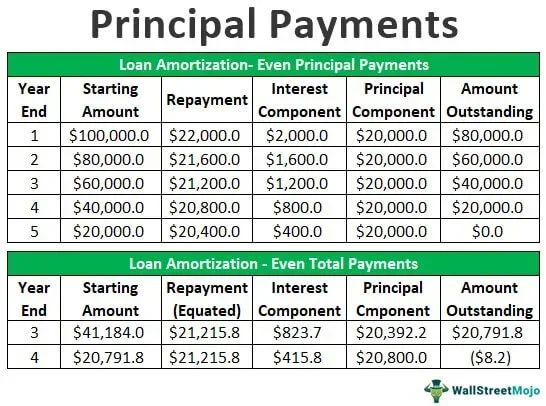
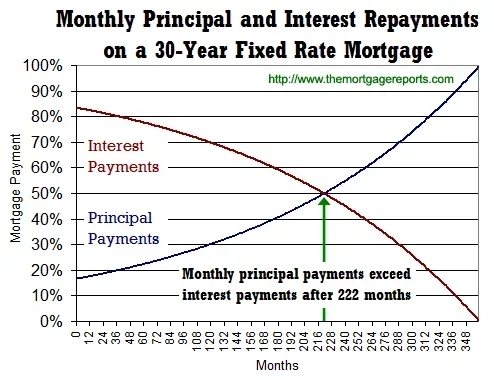
Your mortgage has two main parts: principal and interest. Principal is the amount you borrowed. Interest is the cost of borrowing that money. In the early years, most of your payment goes toward interest. That is why progress can feel slow at first.
When you pay 500 extra, that money usually goes straight to principal. This is important because a smaller principal means less interest in the future. Think of it like a snowball rolling downhill. The less snow you have at the top, the less gathers as you move forward.
Here is what happens step by step:
- Your principal balance drops faster.
- Future interest charges become smaller.
- More of your regular payment goes toward principal over time.
- Your loan payoff date moves earlier.
This process works best when you stay consistent. One extra payment helps, but repeated extra payments create a stronger effect. If you can keep this up month after month, the results grow over time. That is the power of steady debt reduction.
Why Principal Matters So Much
Principal is the core of your loan. Interest is calculated based on that balance. So when you lower the balance, you lower the cost of the loan itself. This is why extra payments can feel small at first but become powerful later.
For example, if your interest rate is moderate, a 500 monthly extra payment can reduce your total interest by a meaningful amount. The exact number depends on your rate and remaining term. Still, the direction is clear: less principal means less interest.
Quick Tip: Ask Where the Money Goes
Before you send extra money, confirm that your lender applies it to principal. Some systems may treat it as an early payment for next month. That does not help as much. You want the extra amount to reduce the balance now.
If I Pay 500 Extra on My Mortgage, How Much Can I Save?
This is the big question. The exact savings depend on your interest rate, loan balance, and remaining term. But we can talk about the general pattern. Extra payments usually create two types of savings: less interest and a shorter loan term.
Visual guide about mortgage principal payment
Image source: wallstreetmojo.com
Let us look at the logic in simple terms. Suppose you have a 30-year loan and you add 500 each month. Over time, that extra money reduces the balance faster than the original schedule. Because interest is recalculated on the smaller balance, you pay less over the life of the loan.
The savings can be substantial. In many cases, consistent extra payments can save borrowers thousands of dollars in interest. They can also shave years off the loan. That is a double win. You keep more money and gain freedom sooner.
What Affects the Savings Most
A few factors change the result:
- Interest rate: Higher rates usually mean bigger interest savings from extra payments.
- Remaining term: The more time left on the loan, the more time interest has to build up.
- Current balance: A larger balance can mean larger absolute savings.
- Payment consistency: Regular extra payments usually outperform occasional ones.
If you want a clearer picture, use a mortgage calculator. Enter your balance, rate, and extra payment amount. Then compare the payoff date and total interest. This gives you a realistic view of your potential long-term savings.
Common Mistake: Ignoring the Full Picture
Some people focus only on the extra payment amount and forget the rest of their finances. That can create strain. Always check your monthly budget first. Make sure you still have room for savings, bills, and emergencies.
Building Equity and Gaining Flexibility
Equity is the part of your home you truly own. It grows when your balance drops and when your home value rises. Extra payments speed up the balance drop. That means you build equity faster.
Visual guide about mortgage principal payment
Image source: assets.themortgagereports.com
Why does this matter? Equity gives you options. If you ever need to sell, a higher equity position can mean more cash after the sale. If you ever want to refinance, more equity can improve your position. It can also help you feel more secure in your home.
When you ask if I pay 500 extra on my mortgage, you are really asking about control. Extra payments give you more control over your financial path. They reduce debt and increase ownership. That can be very rewarding.
How Equity Supports Your Bigger Plans
Equity is not just a number. It can support real-life goals. For example, it may help with:
- Future moves: More equity can make it easier to buy another home later.
- Financial safety: Lower debt can reduce pressure during tough months.
- Wealth building: Ownership is a key part of many financial planning strategies.
- Retirement goals: Entering retirement with less debt can simplify your budget.
This does not mean extra payments are always the best move for everyone. If you have high-interest debt elsewhere, that may need attention first. If your retirement savings need work, that may also matter. The best choice depends on your full financial picture.
Expert Insight: Balance Debt Payoff and Savings
Financial decisions work best when they fit your whole life. Paying down a mortgage is good, but it should not leave you exposed. Keep an emergency fund. Keep saving for future needs. A balanced plan usually lasts longer than an extreme one.
Is It Better to Pay Extra or Invest the Money?
This is one of the most common debates in personal finance. Extra mortgage payments are safe and predictable. Investing can offer higher growth, but it also comes with risk. There is no single answer for everyone.

Visual guide about mortgage principal payment
Image source: storage.googleapis.com
The right choice depends on your interest rate, comfort with risk, and other goals. If your mortgage rate is low, some people prefer to invest extra money instead. If your rate is higher, extra payments may feel more valuable because they guarantee a return in the form of interest savings.
Here is a simple comparison:
Extra Mortgage Payments vs. Investing
| Factor | Extra Mortgage Payments | Investing |
|---|---|---|
| Certainty | High. You know the interest savings. | Lower. Returns can vary. |
| Risk | Low. It reduces debt directly. | Higher. Market values can move up or down. |
| Liquidity | Lower. Money goes into the home. | Higher. Investments may be easier to access. |
| Emotional Benefit | Strong. Debt feels lighter. | Variable. Depends on market performance. |
| Best For | Borrowers who value stability and debt reduction. | Borrowers who can handle risk and want growth. |
How to Decide for Your Situation
Ask yourself a few questions:
- Do I want a guaranteed return through interest savings?
- Do I feel stressed by debt and want it gone sooner?
- Do I have other higher-rate debts to handle first?
- Am I already saving enough for retirement and emergencies?
If you value peace of mind, extra payments can be a great fit. If you are more growth-focused and already have a solid plan, investing may make sense too. Some people even do both in balanced amounts.
Common Mistake: All-or-Nothing Thinking
You do not have to choose one path forever. Your plan can change. You can start with extra payments and shift later. You can also split your extra money between debt and investments. Flexibility is a strength in financial planning.
Smart Ways to Make the Extra Payment Work
If you decide to move forward, a few simple habits can help. The goal is to make the process easy, clear, and sustainable. You do not need a complicated system. You just need a plan you can stick with.
Start by setting up a reminder. Extra payments are easy to forget if they are not part of your routine. Some people schedule them right after their regular mortgage payment. Others align them with payday. Pick a rhythm that feels natural.
Practical Tips for Consistency
- Automate if possible: Automatic payments reduce the chance of forgetting.
- Label the money: Treat the 500 as a separate goal so it does not get spent elsewhere.
- Track progress: Watching your balance drop can keep you motivated.
- Review yearly: Check your loan statement and update your plan as needed.
It also helps to keep an eye on your cash flow. If your income changes, you may need to adjust the extra amount. That is okay. A smaller extra payment is still better than none. The key is to stay engaged with your budget planning.
Quick Tip: Use Windfalls Wisely
Sometimes you receive extra money from bonuses, refunds, or gifts. You can use part of that to make a lump sum payment. This can boost your progress without changing your monthly routine. Just make sure your emergency cushion stays intact.
When Extra Payments May Not Be the Best Move
Extra payments are helpful, but they are not perfect for every situation. Sometimes your money can do more good elsewhere. The key is to look at the whole picture before you commit.
For example, if your mortgage rate is very low, the interest savings may be smaller than the potential growth from investing. If you have credit card debt or other high-rate loans, those may need priority. If your emergency fund is thin, building that fund may matter more than speeding up your mortgage.
Signs You Should Pause and Reconsider
- You are struggling to cover basic bills each month.
- You have high-interest debt that is growing faster.
- Your emergency savings are below a comfortable level.
- Your mortgage has prepayment penalties or special restrictions.
- You expect a major expense soon, like home repairs or medical costs.
These are not reasons to give up on your goals. They are signs to slow down and plan smarter. Good financial goals should support your life, not create stress.
Expert Insight: Protect Your Flexibility
Homeownership comes with surprises. Roofs leak. Appliances fail. Jobs change. That is why many experts suggest keeping a cushion before locking extra money into your mortgage. Flexibility can be just as valuable as debt reduction.
Final Thoughts on Paying Extra
So, if I pay 500 extra on my mortgage, the result is usually positive if it fits your budget and goals. You can reduce interest, shorten your loan, and build equity faster. You may also feel more in control of your home and your money.
The best approach is steady and thoughtful. Check your loan terms. Protect your emergency fund. Compare your options. Then choose the path that supports your life now and in the future. Small actions done consistently can create meaningful change over time.
If you want, you can start small and review your progress after a few months. That gives you real data instead of guesses. And once you see the balance dropping, the habit often becomes easier to keep.
Frequently Asked Questions
Does paying 500 extra each month really make a difference?
Yes, it can make a meaningful difference over time. The extra money reduces your principal faster, which lowers future interest and can shorten your loan term.
Will my lender apply the extra payment to principal automatically?
Not always. Some lenders apply extra money to future payments unless you specify otherwise. It is best to confirm how your extra payment will be handled.
Should I pay extra on my mortgage if I have other debt?
It depends on the interest rates. If you have higher-rate debt, that may be a better target first. Many people prioritize the most expensive debt before speeding up a mortgage.
Can I stop extra payments later if I need the money?
Yes, extra payments are usually optional. You can adjust or pause them if your budget changes. That flexibility is one reason this strategy can work well for many households.
What if my mortgage has a prepayment penalty?
If there is a penalty, extra payments could cost you more than expected. Always review your loan terms before sending additional money so you do not trigger any fees.
Is it better to make one large extra payment or many small ones?
Both can help, but regular small payments are often easier to maintain. Consistency usually matters more than the size of a single payment, especially for long-term progress.