
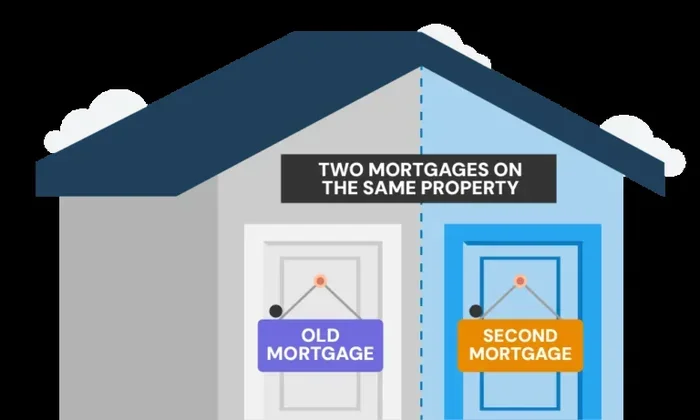
Can I Have Two Mortgages on Two Different Houses? Absolutely. Many buyers secure two home loans at once or buy a second property later. Lenders will check your debt-to-income ratio, credit score, and down payment funds. You must show steady income and enough cash reserves. With smart planning, buying multiple properties can build wealth and give you flexibility. This guide breaks down the rules, the costs, and the best steps to take.
Key Takeaways
- Yes, it is possible: You can carry two mortgages on two different houses if you meet lender requirements.
- Debt-to-income ratio matters: Most lenders want your total monthly debt below 43% of your gross income.
- Credit score counts: A strong credit score helps you qualify for better rates on both loans.
- Down payment funds are key: You need enough cash for down payments, closing costs, and reserves on both properties.
- Lender documentation is strict: Expect to share tax returns, pay stubs, bank statements, and proof of income.
- Rental income can help: Some lenders count projected rental income toward your qualifying power.
- Plan for extra costs: Two homes mean double the maintenance, taxes, insurance, and repairs.
📑 Table of Contents
- Can I Have Two Mortgages on Two Different Houses? The Short Answer
- Understanding the Basic Rules of Two Home Loans
- Debt-to-Income Ratio and Why It Matters So Much
- Credit Score Requirements for Multiple Property Loans
- Buying a Second Home vs. an Investment Property
- The Real Costs of Owning Two Houses
- Two Mortgages and the Importance of Cash Flow
- Qualifying for Two Mortgages Step by Step
- Common Mistakes When People Pursue Multiple Property Loans
- Expert Insights on Managing Two Home Loans
- Final Thoughts on Can I Have Two Mortgages on Two Different Houses
Can I Have Two Mortgages on Two Different Houses? The Short Answer
Many people ask this question when they want to grow their real estate portfolio or buy a second home for family. The short answer is yes. You can have two mortgages on two different houses. Lenders do this every day. They approve buyers for multiple property loans as long as the numbers make sense. The process is not magic. It is math. You need enough income, a solid credit profile, and enough cash to cover both homes. If you plan well, you can manage two home loans without feeling overwhelmed. If you rush, you can stretch your budget too thin. This guide walks you through the rules, the costs, and the smart steps to take. You will learn how lenders think, what they look for, and how to keep your finances stable while buying multiple properties.
Understanding the Basic Rules of Two Home Loans

Visual guide about two houses with separate mortgages
Image source: png.pngtree.com
Lenders follow clear guidelines when they review two mortgages. They want to know that you can pay both loans on time. They look at your full financial picture. They do not just focus on one house. They add up everything. This includes the new payment, the existing payment, car loans, student loans, credit cards, and other debts. Then they compare that total to your income. This is called the debt-to-income ratio. Most lenders prefer this ratio to stay below 43%. Some programs allow a bit more, but lower is safer. A lower ratio shows you have breathing room. It also shows you can handle surprises. You should also expect a close look at your credit score. A higher score usually means better rates and smoother approval. A lower score can still work, but the terms may be tighter. Lenders also check your employment history. They want steady income. They want to see that your job is stable. If you are self-employed, you may need extra paperwork. Tax returns and profit reports help show your true earning power. The goal is simple. The lender wants proof that two home loans will not become a burden.
What Lenders Look at First
Lenders start with the basics. They check your income. They check your debts. They check your credit score. They also check your cash on hand. This includes your down payment money and your reserves. Reserves are the funds you keep after closing. They act like a safety net. Many lenders want to see several months of payments in the bank for each property. This shows you can handle vacancies, repairs, or job changes. If you are buying a second home for personal use, the rules may feel a bit more flexible. If you are buying an investment property, the standards are often stricter. Investment loans usually need a larger down payment. They may also carry a higher interest rate. This is because rental properties carry more risk. Vacancies happen. Maintenance happens. Lenders price that risk into the loan. You should know this before you start. It helps you budget better. It also helps you compare options with a clear head.
The Role of Down Payment and Cash Reserves
Cash is a big part of the puzzle. You need enough for both deals. The first house may need a down payment. The second house will need one too. If you already own one home, you may have some equity. That equity can help. You can sometimes use it for the second purchase. This can reduce the cash you need upfront. But you still need reserves. Reserves matter a lot. They show lenders you are not living on the edge. They also help you sleep better at night. A good rule is to keep several months of payments for each property. This covers mortgage payments, taxes, insurance, and basic upkeep. If you plan to rent one house, keep extra cash for repairs and vacancy periods. Rental income is helpful, but it is not always immediate. Tenants move out. Appliances break. You want a cushion. A strong down payment plus solid reserves makes you a safer borrower. It also gives you more peace of mind.
Debt-to-Income Ratio and Why It Matters So Much

Visual guide about two houses with separate mortgages
Image source: littlethings.com
Your debt-to-income ratio is one of the most important numbers in the process. It tells lenders how much of your income is already spoken for. If your ratio is too high, you may not qualify for two mortgages. If it is moderate, you may still qualify, but your options could be limited. If it is low, you are in a strong position. You should know your number before you apply. Start by adding up all your monthly debt payments. Include the current mortgage, car payments, student loans, credit card minimums, and any other loans. Then divide that total by your gross monthly income. The result is your ratio. For example, if your total debts are $3,000 and your income is $8,000, your ratio is 37.5%. That is usually a healthy range. If you add a second mortgage payment, the ratio will rise. You need to make sure the new total still fits lender guidelines. You can lower the ratio by paying down debt, increasing income, or putting more money down on the second house. A larger down payment reduces the monthly payment. That can help a lot. You can also remove small debts if they are not useful. The key is to keep your finances balanced. Buying multiple properties should build your future, not strain your present.
How to Improve Your Debt-to-Income Ratio Quickly
You can take a few simple steps to improve your ratio. First, pay down credit card balances. Lower balances can reduce your monthly minimums. Second, avoid opening new credit lines before you apply. New debt can raise your ratio and lower your credit score. Third, look for ways to increase income. A raise, a side gig, or a second job can help. Even a small boost matters. Fourth, consider a larger down payment on the second house. A smaller loan means a smaller payment. That helps your ratio right away. Fifth, keep your records clean and current. Lenders like clear paperwork. It speeds up the review and reduces stress. These steps are simple, but they work. They show lenders that you are careful with money. That matters a great deal when you want two home loans.
Credit Score Requirements for Multiple Property Loans

Visual guide about two houses with separate mortgages
Image source: yournashvilleconnection.com
Your credit score plays a major role in approval and pricing. A strong score can open doors. It can also lower your interest rate. A lower rate saves you money every month for years. If you want two mortgages, you should aim for a solid score before you apply. Different loan programs have different standards. Some conventional loans want a higher score for second homes or investment properties. Government-backed loans may have more flexible rules, but they still check your credit closely. The exact number matters, but the overall trend matters too. Lenders like to see on-time payments. They like to see low credit card usage. They like to see a clean history over time. If your score is lower, you still have options. You can work on paying down debt. You can fix errors on your report. You can avoid new credit inquiries while you prepare. These moves can help your score climb. They can also make you feel more confident. When you apply for multiple property loans, confidence helps. You will know your finances are in good shape. That makes the whole process smoother.
Simple Ways to Strengthen Your Credit Profile
Start by checking your credit reports. Look for mistakes. Dispute anything that is wrong. Then focus on your payment habits. Pay every bill on time. Even one late payment can hurt. Next, lower your credit card balances. Try to keep usage low. A lower balance usually helps your score. Also, keep old accounts open if they are in good shape. Length of history can help. Avoid closing accounts right before you apply. It is also wise to limit new credit applications. Each application can cause a small dip. That dip is usually temporary, but it can still matter during a mortgage review. If you are planning to buy two houses, timing matters. Give yourself a little room to prepare. A few months of careful credit habits can make a real difference. Strong credit gives you more leverage. It also gives you better terms on two mortgages.
Buying a Second Home vs. an Investment Property
Not all second houses are the same. A second home for personal use is different from a rental property. The rules can differ. The costs can differ too. A second home is usually for vacations, family, or future plans. It is not mainly for income. Lenders often treat it with slightly more flexibility. An investment property is bought to earn rental income. Lenders usually require a larger down payment for this type of loan. They may also charge a higher rate. This is because rental properties carry more uncertainty. You may have periods without tenants. You may have higher maintenance costs. You should think about your goal before you choose. If you want a place for yourself, a second home loan may fit better. If you want income, an investment loan may be the right path. Some buyers use rental income to help qualify. Some lenders allow this if you have a lease or a strong rental history. They may count a portion of the expected income. This can improve your qualifying power. But do not count on every dollar. Be conservative. Plan for the real costs of being a landlord. That includes repairs, insurance, taxes, and management time. Buying multiple properties can be rewarding, but it works best when you match the loan to your real goal.
Which Path Fits Your Situation
Choose the path that matches your life. If you need a vacation home, focus on comfort and location. If you want a rental, focus on cash flow and demand. Look at the neighborhood. Check local rents. Think about seasonality. A beach house may earn more in summer. A city condo may rent year-round. Each option has a different rhythm. Your budget should reflect that rhythm. Also think about your time. A rental needs attention. You may need a property manager. That adds cost, but it can save energy. A second home for family may need less day-to-day work. It still needs upkeep, but the pressure may be lower. Ask yourself what you want most. Is it lifestyle? Is it income? Is it long-term equity growth? Your answer should guide the loan type, the location, and the budget. Clear goals make two home loans easier to manage.
The Real Costs of Owning Two Houses
Owning two homes means more than two mortgage payments. You also face property taxes, insurance, utilities, maintenance, and repairs. These costs add up fast. You should build a full budget before you commit. A mortgage payment is only part of the story. Property taxes can be significant. They vary by location. Insurance also varies. A second home in a coastal area may need special coverage. A rental property may need a different policy too. Maintenance is another big piece. Roofs age. Water heaters fail. Paint fades. Landscaping needs care. If you own two houses, you need a plan for each one. Some people set aside a monthly maintenance fund. This is a smart habit. It keeps surprises from becoming crises. You should also think about vacancy risk if one house is rented. No tenant means no rent, but the mortgage still needs paying. Cash reserves help here. They give you time to find a new tenant or handle a repair. The goal is not just to buy two homes. The goal is to keep them healthy and affordable. Good planning turns multiple property loans from a risk into a stable strategy.
A Quick Cost Comparison
Below is a simple comparison to help you think through the differences. This is not a full quote. It is a planning tool. Use it to see where your money will go.
Two Mortgages and the Importance of Cash Flow
Cash flow is the lifeblood of any property plan. You need money coming in and money going out. If the numbers are tight, stress grows quickly. That is why you should track every cost. Start with the mortgage payment. Add taxes and insurance. Add utilities and maintenance. Add any HOA fees. Then compare that total to your income and savings. If one house is rented, count the rent as income, but be careful. Use a realistic number. Leave room for vacancies and repairs. This keeps your plan grounded. Good cash flow gives you options. It lets you save for upgrades. It lets you handle emergencies. It also makes it easier to qualify for future loans if you want to expand later. Lenders like stable cash flow. They like to see that you can cover costs without struggle. So build your budget with honesty. Do not guess. Use real numbers. That is the best way to keep two mortgages manageable.
How to Build a Simple Property Budget
Create a one-page budget for each house. List the monthly payment first. Then list taxes, insurance, utilities, and maintenance. Add a reserve line for repairs. Add another line for vacancy if it is a rental. Then compare the total to your monthly income. If the total feels heavy, adjust the plan. You can choose a cheaper property. You can increase your down payment. You can pay off small debts to free up cash. You can also delay the second purchase until you save more. There is no prize for rushing. The prize is stability. A calm budget leads to better decisions. It also makes buying multiple properties much less stressful.
Qualifying for Two Mortgages Step by Step
The process is easier when you break it into steps. First, check your finances. Know your income, debts, credit score, and cash available. Second, decide what kind of second home you want. Personal use or rental? Third, talk to a lender early. Ask about multiple property loans and the requirements for each type. Fourth, gather your documents. Tax returns, pay stubs, bank statements, and proof of assets help a lot. Fifth, get pre-approved. This shows what you can afford and strengthens your offer. Sixth, shop with a clear budget. Do not fall in love with a house that breaks your numbers. Seventh, plan for closing costs and reserves. Do not spend every dollar on the down payment. Keep a cushion. Eighth, stay steady during underwriting. Reply quickly to requests. Keep your finances unchanged. Do not open new credit cards or make big purchases. Small moves can affect approval. Follow these steps, and the path becomes much clearer. You will know what to expect. You will also feel more in control of two home loans.
Documents You Should Have Ready
Lenders usually ask for a standard set of papers. Have them ready before you apply. This saves time and reduces stress. Common items include recent pay stubs, W-2s, tax returns, bank statements, and proof of any other income. If you are self-employed, gather your profit and loss statements too. If you have assets, list them clearly. If you already own a home, have details ready for that loan. The more organized you are, the smoother the review. Good paperwork also shows you are serious. That matters when you want qualifying for two mortgages to go well.
Common Mistakes When People Pursue Multiple Property Loans
Some buyers make the same errors over and over. Learning from them can save you trouble. One common mistake is underestimating costs. People focus on the mortgage payment and forget taxes, insurance, and repairs. Another mistake is overusing credit before applying. New debts can hurt your credit score and raise your ratio. Another mistake is counting rental income too optimistically. It is safer to be conservative. Another mistake is skipping reserves. If you use all your cash for the down payment, you may feel stuck later. Another mistake is rushing the process. Buying two houses is a big step. It deserves careful thought. Another mistake is not comparing loan options. Different programs fit different goals. Take your time and look at the full picture. That is how you avoid regret. That is also how you keep two mortgages from becoming a headache.
Quick Tips to Stay on Track
Keep these tips in mind as you move forward.
- Check your numbers first: Know your income, debts, and cash before you apply.
- Keep your ratio low: A healthy debt-to-income ratio makes approval easier.
- Protect your credit: Pay on time, keep balances low, and avoid new debt.
- Save for reserves: Cash left over after closing is your safety net.
- Be realistic about rent: Use conservative income estimates if one house is rental.
- Ask questions early: A lender can explain multiple property loans before you commit.
Expert Insights on Managing Two Home Loans
Experienced buyers often say the same thing: plan for the boring stuff. The fun part is finding the house. The important part is keeping it affordable. That means tracking payments, setting aside repair money, and watching your cash flow. It also means staying flexible. Life changes. Jobs change. Family needs change. Your plan should be strong, but not rigid. If one house becomes a rental, treat it like a business. Keep good records. Track income and expenses. Review the property often. If one house is for family use, think about how you will share costs and responsibilities. Clear expectations prevent friction. Another smart insight is to build a support team. A good lender, a real estate agent, and a property manager can make a big difference. You do not have to do everything alone. The best results usually come from steady habits, not big gambles. That is true for two mortgages just as much as it is true for one.
Key Takeaways for Long-Term Success
- Stay organized: Keep records, receipts, and budget sheets in one place.
- Review often: Check your finances each month, not just once a year.
- Keep reserves healthy: Rebuild your cushion after big repairs or vacancies.
- Communicate clearly: If family uses the second home, agree on costs early.
- Think long term: Buying multiple properties works best when you plan for years, not just months.
Final Thoughts on Can I Have Two Mortgages on Two Different Houses
So, can I have two mortgages on two different houses? Yes, you can. Many people do it every year. The key is preparation. You need enough income, a strong credit score, a manageable debt-to-income ratio, and enough cash for down payments and reserves. You also need a clear goal. Are you buying a second home for your family? Are you buying a rental for income? Your answer shapes the loan, the budget, and the risks. Take your time. Ask questions. Read the numbers carefully. Build a budget that leaves room for life. If you do that, two home loans can work in your favor. They can give you space, flexibility, and a stronger financial future. Just remember that every house comes with responsibility. Two houses come with double the planning. With the right mindset, that planning becomes power.
Frequently Asked Questions
Can I Have Two Mortgages if I Already Own One Home?
Yes, you can. Lenders will review your current mortgage, your income, and your debts to see if you can handle two mortgages. A strong credit score and enough cash reserves help a lot.
Do I Need a Larger Down Payment for a Second Property?
Often, yes. Second homes and investment properties usually require more money upfront than a first home loan. A larger down payment can also lower your monthly payment and improve your debt-to-income ratio.
Can Rental Income Help Me Qualify for Two Home Loans?
Sometimes it can. Some lenders count a portion of expected rental income if you have a lease or a solid rental history. It is best to be conservative and not rely on every dollar of projected rent.
Will Two Mortgages Hurt My Credit Score?
Not necessarily. Applying may cause a small, temporary dip from the credit check. But if you make payments on time and keep debts under control, your credit score can stay healthy over time.
What Is the Biggest Risk When Buying Multiple Properties?
The biggest risk is cash flow strain. If you do not plan for taxes, insurance, repairs, and vacancies, the costs can pile up fast. Keeping strong reserves is the best way to reduce that risk.
Should I Talk to a Lender Before I Shop for a Second House?
Yes, that is a smart move. A lender can explain multiple property loans, your likely budget, and the documents you need. Getting pre-approved early helps you shop with confidence and avoid costly surprises.
