
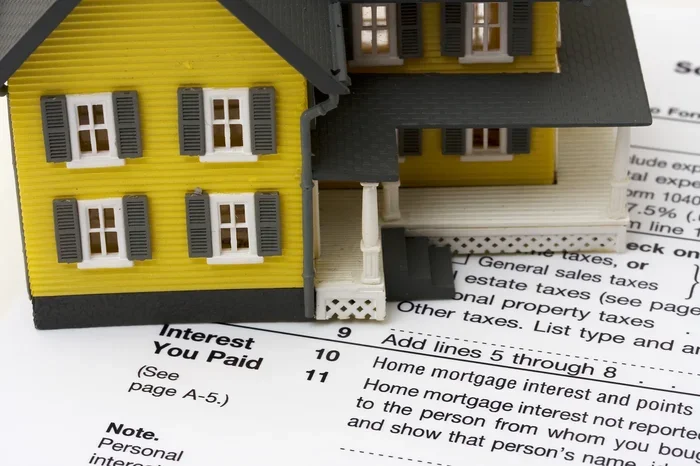
If my mortgage company didn t pay my property taxes, you need to act quickly to avoid penalties or a tax lien. This guide explains why escrow payments fail, how to verify your account, and what steps to take immediately. You will also learn how to protect your home and prevent future payment issues.
Finding out that my mortgage company didn t pay my property taxes can feel scary and confusing. You expect your monthly payment to cover everything, including your tax bill. When that payment does not show up, you may worry about late fees, penalties, or even a tax lien on your home.
The good news is that this problem often has a clear fix. Most of the time, the issue comes from a processing delay, a miscommunication, or an escrow account that needs adjustment. In this guide, you will learn why this happens, what to do right away, and how to protect your home moving forward.
Key Takeaways
- Check your escrow account first: Review your mortgage statement and tax payment history to confirm whether the payment was missed or delayed.
- Contact your servicer immediately: Call your mortgage companys customer service line and ask for a written explanation of the missed tax payment.
- Pay the tax bill yourself if needed: If the deadline is close, pay the taxes directly to protect your home from penalties or a tax sale.
- Request an escrow analysis: Ask your lender to review your monthly escrow amount to ensure enough funds are collected for future tax bills.
- Keep detailed records: Save all letters, payment receipts, and phone logs to prove you acted in good faith if disputes arise.
- Know your legal rights: Federal and state laws often require mortgage servicers to pay taxes from escrow and cover penalties caused by their errors.
- Monitor future tax deadlines: Set calendar reminders and verify each tax payment until you rebuild trust in your servicers handling of escrow.
📑 Table of Contents
- Why My Mortgage Company Didn T Pay My Property Taxes
- What to Do First When Taxes Are Not Paid
- How Escrow Accounts and Tax Payments Work
- How to Protect Your Home From Tax Liens
- When to Escalate the Issue
- How to Prevent This Problem in the Future
- Quick Tips for Handling Escrow Payment Issues
- Common Mistakes to Avoid
- Key Takeaways for Moving Forward
Why My Mortgage Company Didn T Pay My Property Taxes
When you send money to your mortgage servicer each month, a portion often goes into an escrow account. That account holds funds for property taxes and homeowners insurance. The servicer is supposed to use those funds to pay your tax bill when it arrives. If that payment never happens, several things may be going on.
First, the servicer may have received your tax bill late or never received it at all. Some counties mail the bill only to the homeowner, not to the lender. If your servicer does not have the correct address or billing information, the payment can be missed. Second, there may be a shortage in your escrow account. If the tax bill went up and the monthly escrow amount was not adjusted, the servicer may not have enough money on hand.
Third, administrative errors happen more often than many people realize. A payment can be delayed in processing, misapplied, or lost in the system. Sometimes the servicer pays the wrong taxing authority or uses the wrong account number. In other cases, the payment is made just after the deadline, which can still trigger a late fee.
Common Reasons Escrow Payments Fail
Understanding the root cause helps you respond the right way. Here are some of the most common reasons a tax payment gets missed:
- Outdated tax bill mailing address: The county sent the bill to the wrong place.
- Escrow shortage: The account did not collect enough money for the new tax amount.
- Processing delay: The payment was scheduled too late to meet the deadline.
- Incorrect tax ID or account number: The servicer paid the wrong property or account.
- Forgotten renewal or reassessment: A tax increase was not reflected in the escrow calculation.
- System or staffing errors: Human mistakes and software issues can interrupt payments.
If you are dealing with this issue, it helps to stay calm and organized. Start by gathering your mortgage statements, tax bills, and any letters from your servicer. Then you can move through the fix step by step.
What to Do First When Taxes Are Not Paid
If you see that my mortgage company didn t pay my property taxes, do not wait for the next statement. Tax deadlines can move quickly, and penalties can grow fast. Your first goal is to confirm the problem and protect your home from immediate risk.
Visual guide about Mortgage property tax documents
Image source: img.apmcdn.org
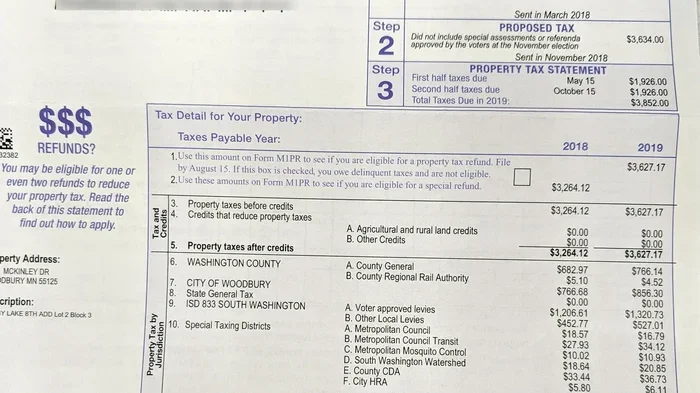
Start by checking your most recent mortgage statement and escrow summary. Look for the tax payment line item and the expected payment date. Then compare that information with your county tax bill. If the bill shows no payment or a pending balance, you need to act.
Verify the Tax Bill and Payment Status
Before you call anyone, collect the facts. This makes your conversation clearer and more productive. Here is a simple checklist:
- Locate your latest tax bill: Check the due date, amount owed, and payment history.
- Review your escrow statement: See whether the payment was scheduled and whether funds were available.
- Check your online account: Some servicers show payment status and tax remittance details.
- Note any late fees: Write down the amount and the date they appeared.
- Save copies of everything: Keep digital and paper copies for your records.
Once you have the details, call your mortgage servicers customer service line. Ask directly whether the tax payment was sent, when it was sent, and to which authority. If they say it was paid, ask for proof such as a confirmation number or a copy of the remittance. If they admit it was not paid, ask why and request a written explanation.
Pay the Tax Bill Yourself If Needed
If the deadline is close or has already passed, you may need to pay the taxes yourself to stop penalties from growing. This is not ideal, but it can protect your home. Keep every receipt and note that you paid because the servicer failed to handle the escrow payment.
After you pay, send the proof to your mortgage company and request reimbursement from your escrow account. Many servicers will repay you once they confirm the payment was made. If they resist, stay calm and keep documenting everything. A clear paper trail often helps resolve the dispute faster.
How Escrow Accounts and Tax Payments Work
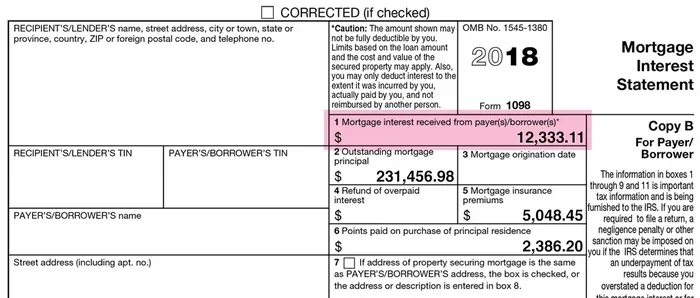
Many homeowners do not fully understand how escrow works, so a missed tax payment can feel even more frustrating. In simple terms, escrow is a holding account inside your mortgage setup. Each month, you pay a little extra with your principal and interest. That extra money sits in escrow until the tax bill or insurance premium is due.
Visual guide about Mortgage property tax documents
Image source: activerain-store.s3.amazonaws.com
Your servicer is responsible for paying those bills on time, at least in most standard mortgage agreements. If they fail to do so, the issue is usually tied to account management rather than your personal payment history. That distinction matters because it affects how you approach the fix.
Escrow Shortage vs. Servicer Error
It is helpful to know whether the problem comes from a shortage or an error. A shortage means the account did not have enough money. An error means the money was there, but the payment was not made correctly. The solution differs in each case.
If there is a shortage, your servicer may need to adjust your monthly payment. They might also ask you to make a lump sum contribution to bring the account current. If the problem is an error, the servicer should correct it, pay the tax bill, and cover any penalties caused by their mistake when required by law or your loan terms.
How to Protect Your Home From Tax Liens
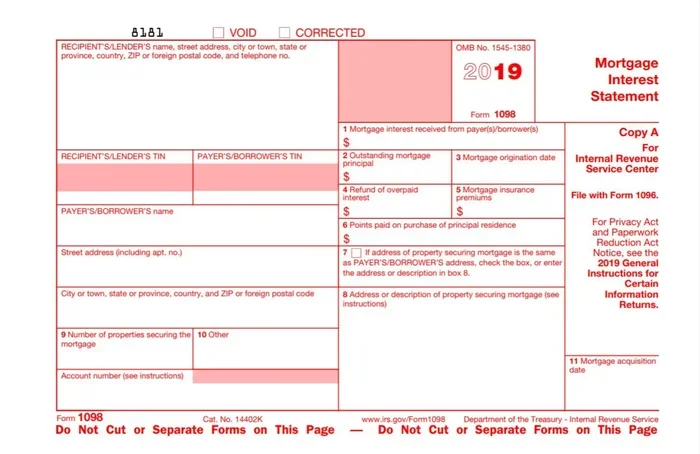
Unpaid property taxes can lead to serious consequences. A taxing authority may place a lien on your home, charge added fees, or eventually start a tax sale process if the balance stays unpaid too long. That is why quick action matters when you notice that my mortgage company didn t pay my property taxes.
Visual guide about Mortgage property tax documents
Image source: investopedia.com
The first line of defense is communication. Contact your servicer and your county tax office if needed. Let the tax office know you are working on the issue and ask whether they can note your account while you resolve it. Some offices may pause penalties for a short time if you show good faith effort.
Steps to Reduce Risk Quickly
Use this simple action plan to lower your risk:
- Call your servicer today: Report the missed payment and ask for a timeline.
- Confirm the exact amount due: Include taxes, penalties, and any administrative fees.
- Pay urgent amounts first: Cover the most time-sensitive part of the bill if necessary.
- Request written confirmation: Ask the servicer to document the error and the correction plan.
- Follow up in writing: Send a secure message or letter summarizing your phone call.
- Watch the next deadline: Verify that the next tax payment is made on time.
If your servicer is slow to respond, do not ignore the problem. Keep notes of every call, including the date, the representative name, and what was promised. If needed, ask to speak with a supervisor or the dispute department.
When to Escalate the Issue
Sometimes the normal customer service process is not enough. If your servicer keeps giving vague answers, refuses to correct the mistake, or does not reimburse you after you paid the taxes, it may be time to escalate. You can start by sending a formal written complaint to the servicer. Be clear, brief, and specific.
Include your loan number, the property address, the tax bill amount, and the dates of your previous calls. State what you want them to do, such as pay the tax bill, reimburse you, or provide a written explanation. Keep a copy for yourself. If the issue still is not resolved, you may have additional options through regulatory agencies or a housing counselor, depending on where you live.
Expert Insight: Keep the Focus on Proof
Experts often advise homeowners to treat escrow problems like a documentation project. The more evidence you have, the easier it is to show that the servicer made a mistake. Save payment records, tax bills, emails, and timestamps. If a penalty is charged because of the servicers delay, point that out clearly and ask for it to be removed.
It also helps to stay polite but firm. You are not trying to start a fight. You are trying to fix a serious administrative problem that affects your home. Clear communication and strong records usually work better than emotional complaints.
How to Prevent This Problem in the Future
Once the immediate issue is resolved, take a few steps to reduce the chance of it happening again. Prevention is easier when you stay engaged with your escrow account instead of assuming everything is automatic.
Start by reviewing your annual escrow analysis statement. This document shows whether your monthly escrow amount is enough to cover expected taxes and insurance. If your taxes have gone up, your payment may need to increase too. If the analysis looks wrong, ask questions right away.
Smart Habits for Homeowners
Here are a few practical habits that can help:
- Check your tax bill each year: Compare the amount with your escrow estimate.
- Confirm the servicer has your tax info: Make sure they know your county and account details.
- Set a calendar reminder: Note the tax due date so you can verify payment before the deadline.
- Review statements every month: Look for missing or delayed escrow items.
- Ask for alerts: Some servicers offer notifications for upcoming payments.
- Keep a backup plan: Know how you would pay the tax bill directly if needed.
These habits do not take much time, but they can save you from stress later. A small amount of attention now can prevent a big problem later.
Quick Tips for Handling Escrow Payment Issues
If you want a fast reference, keep these quick tips in mind:
- Act early: Do not wait until the penalty date passes.
- Get it in writing: Verbal promises are hard to track later.
- Pay critical amounts first: Protect your home from immediate tax risk.
- Document every step: Records matter if you need to dispute charges.
- Request reimbursement: If you paid because of their mistake, ask for repayment.
- Rebuild trust slowly: Verify future payments until the issue is fully resolved.
Common Mistakes to Avoid
When homeowners face a missed tax payment, a few mistakes can make the situation worse. Avoiding these pitfalls can save time, money, and frustration.
- Ignoring the bill: Waiting too long can increase penalties and stress.
- Assuming it will fix itself: Escrow problems often need direct follow-up.
- Paying without keeping proof: Receipts and confirmations matter.
- Not checking the escrow analysis: A shortage may repeat if no one adjusts the account.
- Getting angry and losing focus: Stay calm so you can solve the problem efficiently.
- Failing to follow up: One call may not be enough if the issue is urgent.
Key Takeaways for Moving Forward
When my mortgage company didn t pay my property taxes, the most important thing is to respond quickly and stay organized. Confirm the facts, protect your home from penalties, and ask your servicer to correct the mistake. If you have to pay the tax bill yourself, keep your receipts and request reimbursement. Going forward, monitor your escrow account and verify each tax payment until you feel confident the issue is resolved.
You do not need to handle this alone or guess at the next step. With a clear plan, steady follow-up, and good records, you can usually get the problem corrected and reduce the chance of it happening again.
Frequently Asked Questions
What should I do if my mortgage company missed my property tax payment?
Check your tax bill and escrow statement right away, then call your mortgage servicer to confirm whether the payment was sent. If the deadline is close, consider paying the taxes yourself to avoid penalties and request reimbursement from your escrow account.
Can I be penalized if my mortgage company failed to pay my taxes?
You may still receive penalties if the payment is late, but many loan agreements and state rules expect the servicer to address errors caused by their own delay. Keep your records strong and ask the servicer to remove penalties that resulted from their mistake.
Why would my escrow account not have enough money for taxes?
An escrow shortage can happen when property taxes increase, your loan was recently set up, or the monthly collection amount was not adjusted in time. In that case, your servicer may need to update your escrow payment or ask for a catch-up contribution.
Should I pay the tax bill myself if the lender is late?
If the due date is near or has passed, paying directly can protect your home from added fees or a tax lien. Just save every receipt and send the proof to your mortgage company so they can reimburse you if appropriate.
How do I prove that my mortgage servicer missed the tax payment?
Gather your tax bill, mortgage statements, escrow analysis, payment receipts, and notes from phone calls. If possible, request a written explanation from the servicer that shows whether the payment was sent, delayed, or misapplied.
What if my mortgage company keeps ignoring my complaints?
Send a clear written complaint with your loan number, property address, and a summary of the problem. If you still do not get a satisfactory response, consider escalating through the servicers dispute process or seeking help from a local housing counselor or consumer protection resource.