

Do you still pay mortgage when selling your house? The short answer is yes, you keep paying your home loan until the sale closes and the balance is paid off. Your monthly payment, interest charges, and any late fees still apply while you wait for the buyer to finalize everything. Understanding how your mortgage fits into the selling process helps you plan your budget and avoid stress. This guide explains what happens to your loan, how closing works, and what you should do to stay on track.
What Happens to Your Mortgage When You Sell Your Home
Many homeowners ask the same question during a big move: do you still pay mortgage when selling your house? The answer is simple, but the details matter. Your mortgage is a loan tied to your property, and it stays active until the sale is complete. That means your regular payment, interest, and any fees still apply while your home is on the market.
Selling a home does not cancel your loan automatically. The loan gets paid off from the sale proceeds at closing, but only after every step is finished. Until then, you are still the owner, and the lender still expects your payment. If you stop paying too early, you could face late fees or damage your credit.
This process can feel confusing at first, especially if you are moving, upgrading, or downsizing. The good news is that the timeline is predictable once you know how it works. Let’s walk through the key parts so you can plan with confidence.
Do You Still Pay Mortgage When Selling Your House During the Listing Period
Yes, you usually keep making payments while your home is listed. This period can last a few weeks or a few months, depending on your market and your price. During that time, your mortgage payment is still part of your monthly budget.

Visual guide about home selling keys concept
Image source: static.vecteezy.com
Here is what typically continues:
- Monthly principal and interest: These payments keep reducing your loan balance.
- Property taxes and insurance: If these are in your escrow account, they may still be collected through your mortgage payment.
- HOA fees: If your home is in a community with shared costs, those fees may continue until ownership changes.
If your home sells quickly, you may only make one or two extra payments. If it takes longer, you may need to cover more months while also paying moving costs. That is why it helps to estimate your timeline before you list.
A good rule is to keep your finances steady during the sale. Avoid big new purchases if you can, because your debt-to-income picture can affect your next loan if you plan to buy another home.
How Your Mortgage Gets Paid Off at Closing
At closing, the sale proceeds are used to pay off your existing loan. This is one of the most important steps in the whole process. The title company or closing agent usually handles the paperwork and sends the payoff amount to your lender.

Visual guide about home selling keys concept
Image source: c8.alamy.com
A few things happen at this stage:
- The payoff amount is confirmed: This is the total needed to fully release your loan.
- Your equity is applied: If your home sells for more than you owe, the extra funds go to you after closing costs.
- Any remaining balance is cleared: Once the lender receives the payoff, your loan is satisfied and the lien is removed.
If your sale price covers your loan and closing costs, you may walk away with money in your pocket. If the numbers are tight, you may break even. If the market is not in your favor, you could even end up short, which leads to the next important topic.
What If You Owe More Than Your Home Is Worth?
Sometimes a homeowner owes more on the mortgage than the current market value. This can happen after a price drop, a job move, or a financial change. In that case, the sale may not automatically cover the full loan.
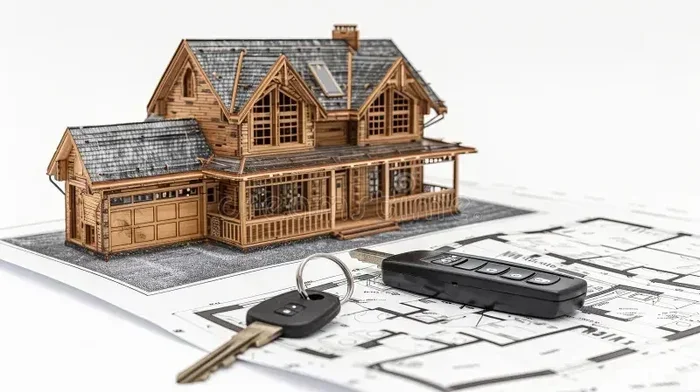
Visual guide about home selling keys concept
Image source: thumbs.dreamstime.com
You may have a few options:
- Bring cash to closing: You can pay the difference out of pocket if you are able.
- Negotiate with your lender: Some lenders may approve a short sale, where the home sells for less than the loan balance.
- Explore other solutions: If a sale is not the right move yet, you may need a different plan for your situation.
If you are worried about this possibility, do not guess. Get a clear estimate of your home’s likely sale price and compare it with your loan balance. That gives you a realistic starting point.
Why a Payoff Quote Matters
Your monthly statement shows a current balance, but that is not always the same as the payoff amount. The payoff quote includes interest up to a specific date and may include other charges. That is why you should request an official payoff figure from your lender before you set your closing date.
This step helps you avoid surprises. It also helps you understand how much money you may have left after the sale. A precise number makes budgeting much easier.
Common Costs to Expect When Selling Your House
Many people focus only on the mortgage, but selling a home comes with other costs too. These expenses can affect how much you keep from the sale. It helps to think of them as part of your total plan.
Common costs may include:
- Real estate commissions: These are often paid by the seller, though terms can vary.
- Closing fees: Title, escrow, recording, and transfer costs may apply.
- Repairs or prep work: Some sellers fix small issues to make the home more appealing.
- Holding costs: Utilities, insurance, and mortgage payments continue while the home is on the market.
If you are planning your next move, it is smart to look at the full picture. That way, you know what the sale really costs and what you may have left for your next home or savings.
Smart Steps to Take Before You List
A little preparation can make the sale smoother and less stressful. If you know what to expect, you can avoid last-minute panic and make better decisions.
Try these steps before you list:
- Check your mortgage balance: Know what you still owe and request a payoff quote.
- Estimate your home value: Look at recent sales in your area and talk with a real estate professional.
- Review your budget: Plan for mortgage payments, holding costs, and moving expenses.
- Gather documents: Keep your loan info, tax records, and sale paperwork easy to find.
- Ask about timing: Coordinate your closing date so your mortgage payoff aligns with the sale.
These steps do not have to be complicated. Even a simple checklist can help you stay organized and confident.
What to Do If Your Situation Feels Complicated
Some sales are straightforward, and some are not. You may be dealing with a divorce, a job relocation, a financial setback, or a home that needs more work than you expected. In those cases, the mortgage question can feel bigger than the sale itself.
If that sounds familiar, slow down and get clarity. It can help to talk with a professional who understands both the sale process and your loan. You may also want to read guidance on related relationship and life decisions if stress is affecting your choices, such as what to do when you don’t know what to do. Sometimes a calm plan is more useful than a rushed one.
You may also want to consider how your home sale fits into your larger goals. If you are trying to reset your finances or your routine, a mid-year reset for your life can help you think clearly about money, timing, and next steps.
Key Takeaways for a Smooth Sale
Selling a home is a big event, and your mortgage is part of that story until the very end. The main thing to remember is that your loan stays active until closing, and your payments should continue on time. Once the sale is complete, the loan is paid off from the proceeds, and the lien is removed.
To keep things simple:
- Stay current on payments: Do not stop paying just because the home is listed.
- Get a payoff quote: Use the official number, not just your statement balance.
- Plan for extra costs: Include commissions, closing fees, and holding costs in your budget.
- Know your equity: Understand whether your sale will cover the loan and leave extra funds.
- Ask for help early: If your situation is complicated, get advice before you make big decisions.
The more you understand now, the easier the sale will feel later. A little planning goes a long way when you are moving from one home to the next.
Key Takeaways
- You keep paying your mortgage until closing: Your loan does not stop the moment you list your home, so continue making payments on time.
- Your payoff amount may differ from your balance: Ask your lender for a payoff quote because interest and fees can change the final number.
- Equity helps cover the loan: If your home sells for more than you owe, the extra money can pay off the mortgage at closing.
- Negative equity needs a plan: If you owe more than your home is worth, you may need a short sale or other options.
- Closing costs are separate from your mortgage: Expect fees for title, escrow, and paperwork, so budget for them early.
- Timing matters: Align your sale date with your loan payoff to avoid double payments or gaps.
- Talk to your lender early: A quick conversation can clarify your payoff, penalties, and next steps.
📑 Table of Contents
- What Happens to Your Mortgage When You Sell Your Home
- Do You Still Pay Mortgage When Selling Your House During the Listing Period
- How Your Mortgage Gets Paid Off at Closing
- What If You Owe More Than Your Home Is Worth?
- Common Costs to Expect When Selling Your House
- Smart Steps to Take Before You List
- What to Do If Your Situation Feels Complicated
- Key Takeaways for a Smooth Sale
Frequently Asked Questions
Do you still pay mortgage when selling your house before closing?
Yes, you usually keep making mortgage payments until the sale closes. The loan is not canceled just because the home is listed or under contract. Your payment continues until the lender receives the payoff at closing.
Does your mortgage get paid off automatically when you sell?
It is paid off from the sale proceeds at closing, but it is not fully automatic in the sense that you can ignore it. The closing agent or title company typically handles the payoff, and you still need to keep the loan current until then.
What is a mortgage payoff quote?
A payoff quote is the exact amount needed to fully pay off your loan on a specific date. It usually includes the balance, accrued interest, and any applicable fees. Always ask your lender for this number before closing.
What happens if your home sells for less than you owe?
If the sale price is lower than your mortgage balance, you may need to bring cash to closing or work with your lender on a short sale. This situation can be stressful, so it is best to understand your numbers early and explore your options.
Do you keep paying property taxes while selling your home?
Usually yes, because property taxes remain due while you still own the home. If your taxes are paid through escrow, they may still be included in your mortgage payment. Check your local rules and your loan details to be sure.
Should you stop your mortgage payment after you get an offer?
No, you should not stop paying just because you have an offer. The sale is not complete until closing, and missed payments can cause fees or credit problems. Keep paying until your loan is officially paid off.
