
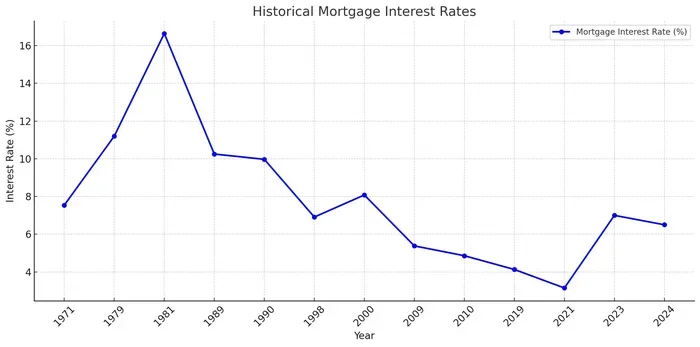
If you are asking whether 575 a good interest rate for a mortgage, you are likely comparing numbers from different loan offers. Mortgage rates change daily based on the economy, your credit score, and the type of loan you choose. A rate that looks high today might be average tomorrow, so context matters more than the number alone. We will help you understand how to judge this rate against current market trends and your personal financial goals. By the end, you will know exactly what questions to ask your lender.
This is a comprehensive guide about Is 575 A Good Interest Rate For A Mortgage.

Visual guide about mortgage interest rate concept
Image source: blogger.googleusercontent.com
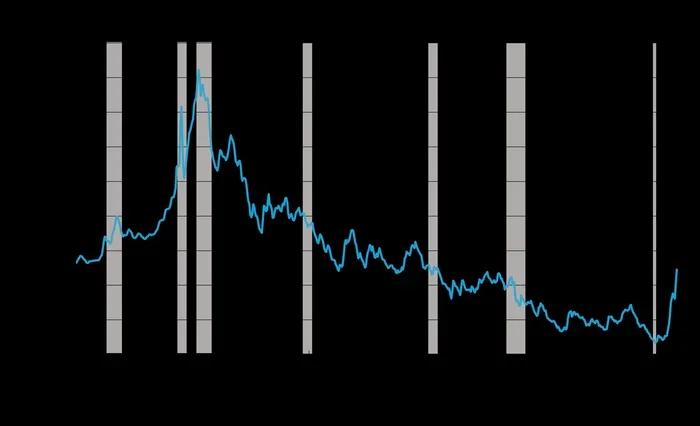
Visual guide about mortgage interest rate concept
Image source: neohomeloans.com
Visual guide about mortgage interest rate concept
Image source: ukpropertymarketnews.co.uk
Key Takeaways
- Context matters most: A rate like 575 must be compared to current national averages and your specific loan type.
- Credit score impacts cost: Higher credit scores usually unlock lower mortgage rates and better loan terms.
- Loan term changes everything: Fifteen-year loans often have lower rates than thirty-year loans, but higher monthly payments.
- Points can lower rates: Paying upfront fees called discount points can reduce your interest rate over time.
- Market timing is tricky: Rates fluctuate daily, so locking in a rate at the right moment can save you money.
- Total cost beats monthly payment: Focus on the total interest paid over the life of the loan, not just the monthly bill.
- Shop multiple lenders: Getting quotes from at least three lenders helps you find the best deal for your situation.
[FEATURED_IMAGE_PLACEHOLDER]
Is 575 a Good Interest Rate for a Mortgage in Today’s Market
Buying a home is one of the biggest financial decisions you will ever make. The interest rate on your mortgage plays a huge role in how much you pay over time. When you see a number like 575, it is easy to panic or feel confused. You might wonder if you are getting a bad deal or if this is just how the market works right now. The truth is that mortgage rates are not one-size-fits-all. They depend on many factors that are unique to your life and your finances.
To understand if 575 a good interest rate for a mortgage, you need to look at the bigger picture. You have to compare it to what other lenders are offering. You also need to think about your credit history, the size of your down payment, and the type of loan you want. A rate that seems high for one person might be perfectly fine for another. This guide will walk you through everything you need to know. We will break down how rates work, what influences them, and how you can make the best choice for your wallet.
Understanding How Mortgage Rates Work
Mortgage rates are the cost of borrowing money from a lender to buy a home. Think of it as the price you pay for using someone else’s money over a long period. Lenders set these rates based on many things. They look at the overall economy, inflation, and the bond market. They also look at your personal financial health. When the economy is strong, rates often go up. When the economy slows down, rates might drop to encourage borrowing.
Your credit score is one of the biggest factors lenders consider. A higher credit score tells the lender you are less risky. This usually means you get a lower interest rate. If your score is lower, the lender sees more risk. They might charge you a higher rate to protect themselves. This is why two people can apply for the same loan and get very different offers. Your debt-to-income ratio also matters. This is the amount of debt you have compared to your income. Lenders want to see that you can afford the monthly payment without struggling.
Fixed Rate vs. Adjustable Rate Mortgages
There are two main types of mortgage rates you will encounter. The first is a fixed-rate mortgage. This means your interest rate stays the same for the entire life of the loan. Your monthly payment never changes. This is great for people who want stability and plan to stay in their home for a long time. The second type is an adjustable-rate mortgage, often called an ARM. With an ARM, your rate starts lower but can change after a certain period. It might go up or down based on market conditions. This can be risky if rates rise significantly later on.
When you are looking at a number like 575, you need to know which type of loan it is for. A fixed rate of 575 might be compared differently than an adjustable rate. Fixed rates are usually safer for long-term planning. Adjustable rates can be tempting because they start lower. However, you must be ready for the possibility that your payment could increase in the future. Understanding this difference helps you judge whether the rate fits your lifestyle and your risk tolerance.
Comparing 575 to Current Market Averages
To really answer whether 575 a good interest rate for a mortgage, you must compare it to current averages. Mortgage rates change almost every day. What was true last month might not be true today. You should look at national averages for similar loans. For example, compare a thirty-year fixed loan to other thirty-year fixed loans. Do not compare a fifteen-year loan to a thirty-year loan because the rates are usually different. Fifteen-year loans often have lower rates because you pay the money back faster.
You also need to consider your location. Rates can vary by state or region. Local lenders might have different standards than national banks. Some areas have higher housing costs, which can affect how lenders price their loans. Online tools can help you see the current average rates in your area. However, these are just averages. Your personal offer might be higher or lower based on your specific details. If 575 is close to the average for your credit profile, it might be a fair deal. If it is much higher, you should keep looking.
The Role of the Federal Reserve
Many people wonder how the Federal Reserve affects their mortgage rate. The Fed sets the base interest rate for the country. This influences how much it costs banks to borrow money. When the Fed raises rates, mortgage rates often follow. When the Fed lowers rates, mortgages might become cheaper. However, mortgage rates do not move exactly in lockstep with the Fed. They are also tied to the bond market. Long-term bonds often predict where mortgage rates are heading. Keeping an eye on economic news can help you understand why rates are moving the way they are.
If you are seeing a rate like 575, it might reflect recent changes in the economy. Inflation is another big driver. When prices rise quickly, lenders charge more to protect their profit. This pushes mortgage rates up. If inflation is cooling down, rates might stabilize or drop. Understanding these broader forces helps you feel less confused about the number you are quoted. It is not just about your personal finances. The whole financial world plays a part in what you pay.
Factors That Influence Your Personal Rate
Your personal financial picture is just as important as the market. Lenders look at you as an individual. They want to know if you will pay them back on time. This is why your credit history matters so much. Late payments, high credit card balances, or recent bankruptcies can hurt your score. A lower score often leads to a higher interest rate. If you are offered 575, check your credit report first. See if there are errors or if you can improve your score before locking in the loan.
Your down payment is another key factor. Putting more money down reduces the lender’s risk. It also means you are borrowing less money. This can sometimes help you get a better rate. If you put down less than twenty percent, you might also have to pay for private mortgage insurance. This adds to your monthly cost. Sometimes a slightly higher interest rate is worth it if you can avoid extra insurance costs. You have to look at the total picture, not just the rate number in isolation.
Debt-to-Income Ratio and Employment History
Lenders also check how much debt you already have. This is your debt-to-income ratio. If you have many car loans, student loans, or credit card payments, your ratio is higher. A high ratio makes you look riskier to lenders. They might offer you a higher rate or deny the loan altogether. Keeping your debt low before applying can help you secure a better deal. Your employment history matters too. Lenders like to see stable income. If you have changed jobs frequently or have gaps in your work history, it might affect your offer.
Self-employed people often face more scrutiny. Their income can vary from month to month. Lenders might ask for more documentation to prove you can afford the loan. This extra risk can sometimes lead to a higher interest rate. If you are self-employed, make sure your tax returns and financial records are in order. This helps you present yourself as a reliable borrower. All these factors work together to determine the final number you see on your loan estimate.
Strategies to Secure a Better Mortgage Rate
If you feel that 575 a good interest rate for a mortgage is not the best you can get, there are steps you can take. Shopping around is the most important thing you can do. Do not just accept the first offer you receive. Contact at least three different lenders. This could include big banks, local credit unions, and online lenders. Each one might offer something different. Some lenders specialize in helping people with certain credit profiles. Others might have lower fees that make the overall deal better.
You can also try to improve your credit score before applying. Pay down credit card balances and make all your payments on time. Even a small increase in your score can lead to a better rate. If you have time, wait a few months to see if your score improves. You might also consider paying discount points. Points are fees you pay upfront to lower your interest rate. This makes sense if you plan to stay in the home for a long time. The upfront cost is paid back over time through lower monthly payments. Calculate the break-even point to see if this is worth it for you.
Locking Your Rate at the Right Time
Timing is everything when it comes to mortgage rates. Once you find a rate you like, you can ask the lender to lock it in. A rate lock guarantees that you will get that rate even if market rates go up before you close. However, locks usually last for a specific period, like thirty or forty-five days. If your loan takes longer to process, you might lose the lock. Some lenders charge a fee for locking a rate. Make sure you understand the terms before you commit. If rates are trending down, you might choose not to lock immediately. But this is risky because rates could go up instead.
Talk to your lender about float-down options. This allows you to lock a rate but still benefit if rates drop before you close. It gives you some protection against rising rates while keeping the chance to get a lower rate. This can be a smart move in a volatile market. Always ask your lender about all available options. They want to help you close the loan, so they should be willing to explain the tools that can save you money. Being proactive about timing can make a big difference in your final cost.
Common Mistakes When Evaluating Mortgage Rates
Many homebuyers make mistakes when looking at mortgage offers. One common mistake is focusing only on the monthly payment. A lower monthly payment might come with a longer loan term or higher fees. You need to look at the annual percentage rate, or APR. The APR includes the interest rate plus other costs like points and fees. This gives you a better picture of the true cost of the loan. Comparing APRs is often more useful than comparing interest rates alone.
Another mistake is ignoring the total interest paid over the life of the loan. A small difference in the interest rate can add up to thousands of dollars over thirty years. Use a mortgage calculator to see the total cost. This helps you understand the long-term impact of the rate you choose. Some people also forget to read the fine print. There might be prepayment penalties or other hidden costs. Always ask questions if something is not clear. You have the right to understand every part of your loan agreement before you sign.
Overlooking Closing Costs and Fees
Interest rates are not the only cost of getting a mortgage. Closing costs can be significant. These include appraisal fees, title insurance, and origination fees. Sometimes a lender offers a very low rate but charges high closing costs. This might not be the best deal overall. You should ask for a loan estimate from each lender. This document lists all the costs involved. Compare the closing costs side by side. A slightly higher rate with much lower fees might save you more money upfront. Look at the cash you need to bring to the closing table.
You can also negotiate some fees. Lenders might be willing to waive certain charges to win your business. Ask if there are any discounts available. Sometimes you can shop around for services like title insurance or appraisals. Choosing your own provider might cost less. Being aware of all these costs helps you make a smart decision. Do not let a shiny low rate distract you from the other expenses involved in buying a home. The total package matters more than any single number.
Making the Final Decision on Your Mortgage
Deciding on a mortgage is about balancing your current budget with your future goals. If you plan to move in a few years, an adjustable rate or a shorter-term loan might make sense. If you plan to stay for decades, a fixed rate provides stability. Think about how long you will keep the loan. This helps you choose the right type of rate. Also, consider your future income. If you expect your income to grow, you might be comfortable with a slightly higher payment now. If your income is stable, predictability might be more important.
Trust your instincts when reviewing offers. If something feels off, ask for clarification. A good lender will take the time to explain everything. If a lender pressures you to sign quickly, take a step back. You should feel confident in your choice. Remember that refinancing is an option later on. If rates drop significantly in the future, you might be able to refinance to a lower rate. This gives you some flexibility. However, refinancing costs money too, so it is not always the best solution. Buy the home that fits your life, and choose the loan that supports your financial health.
Conclusion
Figuring out if 575 a good interest rate for a mortgage takes some research and comparison. There is no single answer that works for everyone. You have to look at your credit, your down payment, and the current market. You also need to compare offers from multiple lenders to find the best fit. Focus on the total cost of the loan, not just the monthly payment. Use tools like APR and mortgage calculators to see the big picture. With the right preparation and knowledge, you can make a confident decision. Your home loan should support your dreams, not stress you out. Take your time, ask questions, and choose the path that feels right for you.
Frequently Asked Questions
What credit score do I need for the best mortgage rates?
Most lenders offer the best rates to borrowers with credit scores above 740. If your score is lower, you may still qualify but might face higher interest costs. Improving your score before applying can save you thousands over the life of the loan.
How much does a 1% difference in mortgage rate matter?
A 1% difference can change your monthly payment by hundreds of dollars. Over thirty years, this adds up to tens of thousands of dollars in extra interest. Even small rate changes have a big impact on your total cost.
Can I negotiate my mortgage interest rate?
Yes, you can sometimes negotiate by shopping around and asking lenders to match better offers. Paying discount points or improving your credit profile can also help lower your rate. Lenders want your business and may offer flexibility.
Should I choose a 15-year or 30-year mortgage?
A 15-year mortgage usually has a lower rate and less total interest, but higher monthly payments. A 30-year mortgage offers lower monthly payments and more flexibility. Choose based on your budget and how long you plan to stay in the home.
What are discount points on a mortgage?
Discount points are upfront fees you pay to lower your interest rate. One point usually costs 1% of the loan amount and reduces the rate by a fraction of a percent. This makes sense if you plan to keep the loan long enough to break even.
How often do mortgage rates change?
Mortgage rates can change daily based on economic data and market conditions. They may move up or down several times a week during active periods. Locking your rate protects you from increases while your loan is being processed.
