
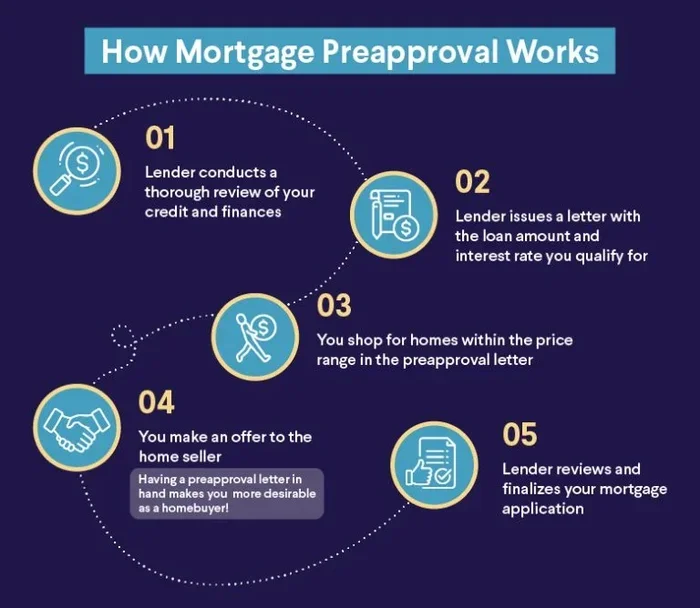
Should I get preapproved for a mortgage before looking for homes? The short answer is yes. Getting preapproved early shows sellers you are serious, helps you understand your true budget, and speeds up the entire buying process. It also prevents heartbreak by filtering out homes you cannot afford. Taking this step first puts you in a stronger position and reduces stress during your search.
Key Takeaways
- Preapproval strengthens your offer: Sellers take you seriously when you have verified financing.
- It clarifies your budget: You know exactly what you can afford before falling in love with a home.
- It speeds up closing: Much of the paperwork is done early, reducing delays.
- It helps identify credit issues: You can fix problems before making an offer.
- Preapproval is not the same as prequalification: Preapproval involves verified documents and a hard credit check.
- Timing matters: Get preapproved before serious house hunting, not after.
- Shop lenders too: Compare rates and terms to save money over the life of the loan.
📑 Table of Contents
- Why You Should Consider Preapproval Before House Hunting
- What Preapproval Really Means
- Preapproval vs. Prequalification at a Glance
- How Preapproval Helps You Shop Smarter
- When Preapproval Matters Most
- Common Mistakes to Avoid
- How to Get Preapproved the Right Way
- What Sellers and Agents Think About Preapproval
- Balancing Your Budget and Your Dreams
- Expert Insights on Timing
- Final Thoughts
Why You Should Consider Preapproval Before House Hunting
Buying a home is one of the biggest financial decisions you will ever make. It can feel exciting and overwhelming at the same time. Many people start by scrolling through listings and dreaming about their perfect space. But there is a smart step you should take first. You should ask yourself, should I get preapproved for a mortgage before looking at homes seriously.
The answer is usually yes. Preapproval gives you a clear picture of what you can afford. It also shows sellers that you are ready to buy. In a busy market, this can make a real difference. Buyers who skip this step often waste time on homes that do not fit their budget. They may also lose out to other buyers who come in with stronger offers.
Preapproval is not just a formality. It is a practical tool that helps you shop with confidence. When you know your price range, you can focus on homes that truly work for your life. You also avoid the disappointment of falling for a house you cannot finance. That peace of mind is worth the extra step.
What Preapproval Really Means
Visual guide about mortgage preapproval home search
Image source: effortlessmortgage.ca
People often confuse prequalification with preapproval. They sound similar, but they are not the same. Prequalification is a quick estimate based on basic information you provide. It is a helpful starting point, but it is not a promise. Preapproval goes much further.
With preapproval, a lender reviews your actual financial documents. They check your income, employment, debts, and credit history. They may also run a hard credit inquiry. If everything looks good, the lender gives you a conditional commitment for a specific loan amount. This is much stronger than a rough estimate.
Here is a simple comparison to make the difference clear:
Preapproval vs. Prequalification at a Glance

Visual guide about mortgage preapproval home search
Image source: api.curaytor.io
| Feature | Prequalification | Preapproval |
|---|---|---|
| Depth of review | Basic, self-reported info | Verified documents and credit check |
| Strength of signal | Weak | Strong |
| Best used for | Early exploration | Serious house hunting and offers |
| Time required | Quick | A few days to a week |
As you can see, preapproval carries more weight. It tells sellers that a lender has already looked closely at your finances. That matters when there are multiple offers on a home.
How Preapproval Helps You Shop Smarter
Visual guide about mortgage preapproval home search
Image source: realoq.com
One of the biggest benefits of preapproval is clarity. When you know your approved range, you can set a realistic search zone. This helps you avoid falling in love with a home that is out of reach. It also helps you focus on properties that fit your needs and your budget.
Another advantage is speed. When you find the right home, you want to move quickly. A preapproval letter shows that you are serious and ready. It also means much of the early paperwork is already done. That can help you move faster during the offer and closing stages.
Preapproval can also reduce stress. House hunting is emotional. It is easy to get attached to a home before you know the numbers. When you have a clear budget, you can make decisions with a cooler head. You will know what monthly payment feels comfortable, not just what loan amount looks possible.
Here are a few ways preapproval supports a smoother search:
- Narrow your search: Focus on homes in your verified price range.
- Act faster: Submit offers with confidence when the right home appears.
- Spot issues early: Fix credit or debt problems before they slow you down.
- Compare scenarios: Ask lenders about different down payments and terms.
- Feel more secure: Know your financing is likely to hold up during underwriting.
When Preapproval Matters Most
Preapproval is useful in many situations, but it matters especially in competitive markets. When inventory is low and demand is high, sellers often choose buyers who appear most ready. A preapproval letter can help your offer stand out. It tells the seller that your financing is already under review.
Preapproval also matters if you are buying with a deadline. Maybe you are relocating for work or trying to close before a lease ends. In those cases, time is tight. Starting the financing process early can save you from last-minute stress. It also gives you a better chance of closing on schedule.
There are times when you might wait a little longer. If you are only browsing and not ready to buy for many months, you may want to wait. Preapproval letters usually have an expiration date. They often last about 60 to 90 days. If your search will take longer, you may need to refresh it later. Still, getting an early read on your budget can be helpful even if you are not ready to make an offer right away.
Common Mistakes to Avoid
Some buyers make simple mistakes that slow them down or weaken their position. One common mistake is waiting until after they find a home to start the financing process. That can create pressure and delays. Another mistake is assuming prequalification is enough. It is a useful first step, but it does not carry the same weight as preapproval.
Another pitfall is shopping for a home before you know your true monthly comfort level. The loan amount you qualify for is not always the amount you should spend. You need to think about taxes, insurance, maintenance, and your other living costs. A lender can tell you what you qualify for, but you should also decide what feels right for your life.
Here are a few mistakes to watch for:
- Skipping preapproval entirely: This can leave you guessing about your budget.
- Confusing prequalification with preapproval: Sellers may not see prequalification as strong proof.
- Changing your finances during the search: New debt or job changes can affect approval.
- Not comparing lenders: Rates and terms can vary, and small differences add up.
- Ignoring closing costs: The purchase price is only part of the total cost.
How to Get Preapproved the Right Way
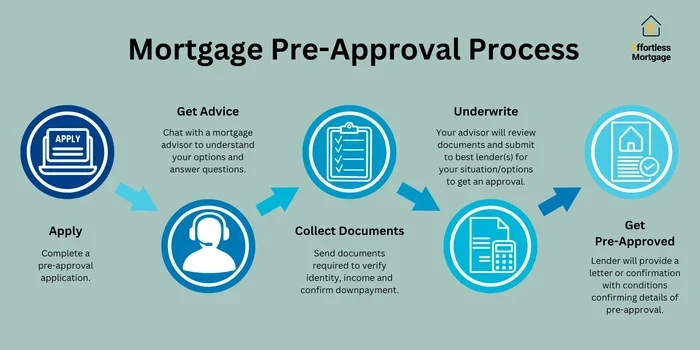
The process is straightforward, but it helps to be prepared. Start by gathering your basic documents. Lenders usually want proof of income, employment details, and information about your debts and assets. Having these ready can make the process smoother and faster.
Next, choose a lender you trust. You do not have to use the first one you speak with. It is smart to compare a few options. Ask about interest rates, fees, and the types of loans they offer. A good lender will explain things clearly and help you understand your choices.
Once you apply, the lender will review your information and run a credit check. If you are approved, you will receive a preapproval letter. Keep that letter handy when you start touring homes. You can share it with your real estate agent and include it with offers when needed.
A few practical tips can help:
- Check your credit first: A quick review can help you spot issues early.
- Be honest and accurate: Inconsistent information can slow things down.
- Ask questions: If something is unclear, speak up before you sign anything.
- Keep your finances steady: Avoid major purchases or new debt while you are searching.
- Refresh if needed: If your search takes longer than expected, ask about updating your letter.
What Sellers and Agents Think About Preapproval
From the outside, a preapproval letter looks like a sign of seriousness. It shows that a buyer has taken the time to verify their finances. That can be reassuring to sellers who want a smooth transaction. In many cases, it can make your offer more attractive than one without it.
Real estate agents also appreciate working with preapproved buyers. It helps them guide you toward homes that fit your budget from the start. That saves time for everyone. It also reduces the chance of awkward conversations later about financing gaps.
Of course, preapproval does not guarantee everything will go perfectly. Underwriting still happens after an offer is accepted. But starting with preapproval gives you a much stronger foundation. It lowers the odds of surprises and helps the process move along with fewer delays.
Balancing Your Budget and Your Dreams
It is easy to get excited about a home and stretch your budget in your mind. That is why preapproval is so useful. It brings reality into the conversation early. You can see what the numbers say, and then decide how they fit your goals.
Think about more than the loan amount. Consider your monthly payment, your savings, and your future plans. Do you want room in your budget for travel, hobbies, or family needs? Do you plan to make upgrades or handle repairs? These questions matter just as much as the price tag.
A thoughtful approach looks like this:
- Set a comfort zone: Choose a monthly payment that leaves you breathing room.
- Include all costs: Remember taxes, insurance, maintenance, and moving expenses.
- Keep some savings intact: An emergency fund matters after you buy.
- Stay flexible: Your needs may change, so leave room to adapt.
Expert Insights on Timing
Many experts suggest getting preapproved before you start serious house hunting. That does not mean you cannot look at listings casually before then. It simply means you should have your financing in order before you make decisions. That way, you are not rushing to get documents together after you already found a home you love.
Timing also depends on your situation. If your income is stable and your credit is in good shape, the process may be quick. If you expect changes soon, such as a job move or a major expense, it may make sense to wait until things settle. The goal is to apply when your financial picture is steady.
A good rule of thumb is to treat preapproval as part of your preparation, not an afterthought. When you combine it with a clear budget and a thoughtful search, you give yourself a much better experience. You will know where you stand, and you will be ready to act when the right home appears.
Final Thoughts
If you have been wondering, should I get preapproved for a mortgage before looking for a home, the answer is usually a smart yes. Preapproval helps you shop with confidence, shows sellers you are serious, and can make the whole process smoother. It also helps you avoid the frustration of falling for a home that does not fit your finances.
Take the time to gather your documents, compare lenders, and understand your true budget. That preparation can save you time, money, and stress later. Buying a home is a big step, and a little planning goes a long way. With preapproval in hand, you can focus on what matters most: finding a place that feels like home.
Frequently Asked Questions
Is preapproval required before I start looking at homes?
No, it is not required, but it is highly recommended. Preapproval helps you understand your budget and shows sellers you are serious when you are ready to make an offer.
How long does a preapproval letter usually last?
Preapproval letters often remain valid for about 60 to 90 days. If your search takes longer, you may need to update it with your lender.
Does preapproval guarantee I will get the mortgage?
No, preapproval is a conditional commitment, not a final guarantee. The loan still needs to go through underwriting after you make an offer and select a property.
Should I get preapproved if I am only browsing and not ready to buy?
It can still be useful because it clarifies your budget before you get attached to a home. However, if your search is far off, you may wait until you are closer to buying.
Can preapproval affect my credit score?
Yes, because lenders usually run a hard credit check during preapproval. The impact is often small, but it is something to keep in mind if you are shopping around.
What documents do I usually need for preapproval?
Lenders typically ask for proof of income, employment information, details about debts and assets, and identification. Having these ready can speed up the review.