

Paying off your mortgage is a huge milestone. You might wonder, should I receive a deed after paying off mortgage? The answer depends on your state and lender. This guide explains what to expect, how to get your documents, and why keeping them safe matters. You will learn the difference between a deed and a satisfaction letter. We also share tips on protecting your property rights.
This is a comprehensive guide about Should I Receive A Deed After Paying Off Mortgage.

Visual guide about paying off mortgage deed
Image source: tbilaw.co.uk

Visual guide about paying off mortgage deed
Image source: typecalendar.com
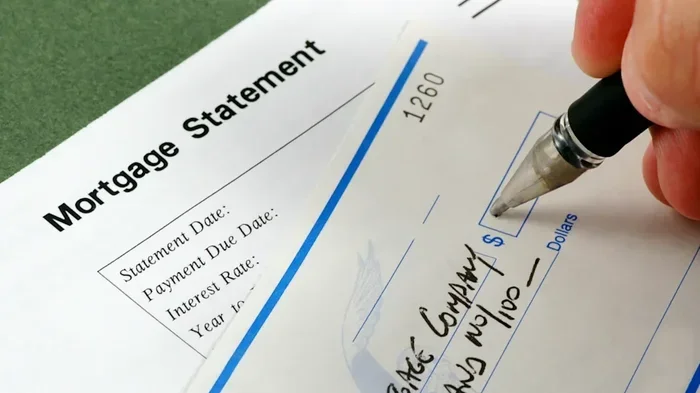
Visual guide about paying off mortgage deed
Image source: s.yimg.com
Key Takeaways
- Understanding the deed: A deed proves ownership, while a mortgage is a loan secured by the property.
- Lender responsibilities: Most lenders must record a satisfaction of mortgage after payoff, but practices vary.
- State laws matter: Requirements for returning deeds differ by location and loan type.
- Requesting documents: You can ask your lender for a payoff statement and confirmation of lien release.
- Safe storage: Keep your deed and related papers in a fireproof safe or with your attorney.
- Checking records: Visit your county recorder office to verify the lien release is on file.
- Professional help: Consult a real estate attorney if you face delays or missing documents.
[FEATURED_IMAGE_PLACEHOLDER]
What Happens When You Pay Off Your Mortgage
Paying off your mortgage feels amazing. You finally own your home free and clear. But many people ask, should I receive a deed after paying off mortgage? The short answer is that you already own the deed. You received it when you bought the home. What changes after payoff is the removal of the lender’s claim on your property.
When you take out a loan, the lender places a lien on your house. This lien gives them the right to take the property if you stop paying. Once you pay the loan in full, that lien must be removed. The lender does this by recording a satisfaction of mortgage or a release of lien. This step clears your title. A clear title means no one else has a legal claim to your home.
You do not usually get a new deed. The original deed stays with you. Some states require the lender to return the original deed after payoff. Other states keep the deed on file and just update the records. Either way, your goal is to confirm the lien is gone. You can do this by checking public records or asking your lender for proof.
The Difference Between a Deed and a Mortgage Satisfaction
People often confuse these documents. A deed shows who owns the property. It transfers title from one party to another. You get a deed at closing. It lists the grantor and the grantee. It also describes the property boundaries.
A mortgage satisfaction is different. It proves the loan is paid. It removes the lender’s lien. This document does not change ownership. It only clears the debt attached to the property. You need both documents for a clean record. The deed proves ownership. The satisfaction proves no debt remains.
Here is a quick comparison to make this clear:
| Document | Purpose | When You Get It |
|---|---|---|
| Deed | Shows ownership transfer | At home purchase closing |
| Mortgage | Creates a lien for the loan | At loan signing |
| Satisfaction of Mortgage | Removes the lien after payoff | After final payment |
| Release of Lien | Clears the title record | After lender files it |
This table shows why the deed and the satisfaction serve different roles. You already have the deed. You need the satisfaction to clear your title. Both matter for your property records.
Should I Receive a Deed After Paying Off Mortgage? Understanding the Basics
Let us answer the big question directly. Should I receive a deed after paying off mortgage? In most cases, no. You already hold the deed. The lender does not give you a new one. They only remove their lien. However, some situations can change this answer.
If your original deed is lost, you can get a copy. You do not need to wait for payoff to do this. You can request a certified copy from the county recorder at any time. Some lenders hold the original deed in certain states. If that happens, they must return it after payoff. This is rare but possible. Always check your loan documents and state rules.
The key point is this: payoff removes debt. It does not transfer ownership. You already own the home. The lender’s interest ends when the loan ends. Your title becomes clean. That is the real win. You gain full control without any lender claims.
When a Lender Might Hold Your Deed
Some states use a deed of trust instead of a mortgage. A deed of trust involves a trustee. The trustee holds the legal title until the loan is paid. Once you pay off the loan, the trustee must release the title. You then get the deed back or a reconveyance document. This process varies by state.
In these cases, you might receive a reconveyance deed. This document returns full title to you. It acts like getting your deed back. It also clears the trustee’s interest. If you live in a deed of trust state, ask your lender about the reconveyance process. Know the timeline. Ask for written confirmation.
Even in mortgage states, lenders sometimes keep the original deed for safekeeping. This is more common in older loans. If your lender holds your deed, request it after payoff. Get it in writing. Verify that the lien release is also filed. Do not assume everything is done automatically.
How to Get Your Documents After Payoff
You want proof that your loan is gone. You also want your ownership papers in order. Here is a simple step-by-step plan. Follow these steps to stay organized and protect your rights.
Step 1: Request a Payoff Statement
Before you make the final payment, ask for a payoff statement. This document shows the exact amount due. It also lists the per diem interest. Use this figure to avoid overpaying. Keep a copy for your records. This step prevents surprises and ensures a smooth closing of the loan.
Step 2: Make the Final Payment
Send the final payment as instructed. Use a traceable method. Keep the receipt. Note the date and amount. If you pay by check, keep a photo of the cleared check. If you pay online, save the confirmation page. Good records help if questions arise later.
Step 3: Ask for a Satisfaction of Mortgage
After payoff, ask your lender to record a satisfaction of mortgage. This is also called a release of lien. The lender must file it with the county. Some states set a deadline for this filing. Ask about that deadline. Follow up if the filing is late. You can also check the county records yourself.
Step 4: Verify the Lien Release
Go to your county recorder or clerk office. Search your property address or parcel number. Look for the satisfaction or release. Confirm the lender’s name matches. Confirm the date is recent. Save a copy of the filed document. This step gives you peace of mind. It proves the lien is gone.
Step 5: Secure Your Deed and Records
Gather your deed, satisfaction, and payoff papers. Store them in a safe place. A fireproof box or a safe deposit box works well. You can also give them to your attorney. Keep digital copies as a backup. Label everything clearly. Good storage saves time during future sales or refinances.
What If You Do Not Get Your Deed Back?
Sometimes things do not go smoothly. You might not receive your deed back. You might not see the satisfaction filed on time. Do not panic. There are clear steps to fix these issues. Start by gathering information. Then take action.
Contact Your Lender First
Call your lender’s payoff department. Ask for the status of the satisfaction filing. Ask if they hold your original deed. Request a written response. Keep notes on who you spoke with and when. A calm, clear conversation often solves the problem. If the lender is slow, send a follow-up letter. Keep a copy for your files.
Check County Records
Visit the county recorder’s office or website. Search your property. Look for the satisfaction or release. If you find it, print a copy. If you do not find it, note the gap. This information helps you escalate the issue. You can show the lender that the filing is missing. This often speeds up action.
Escalate If Needed
If the lender does not respond, contact a supervisor. You can also file a complaint with your state banking regulator. In some cases, a real estate attorney can help. An attorney can send a formal demand letter. They can also review your loan documents. This step is useful if the delay affects a sale or refinance.
Get a Copy of Your Deed
If you need a deed copy, request one from the county. There is usually a small fee. You can also ask your title company for help. If you had title insurance, contact the insurer. They may have records from closing. Having a copy on hand avoids stress later.
Why This Process Matters for Your Future
A clean title opens many doors. You can sell your home faster. You can refinance with less hassle. You can also pass the property to family with fewer complications. A missing satisfaction can slow these steps. It can also raise questions during a title search. Fixing issues early saves time and money.
Think about the long term. You worked hard to pay off your loan. You deserve a clear record. A clear record also protects your equity. It shows that no one else has a claim. This matters if you ever face legal questions or estate planning. Good documentation is a form of protection.
This topic connects to broader relationship and life goals. Many people compare financial security with personal stability. Just like emotional needs you should never ignore in a relationship, your property records need attention. Ignoring small details can cause stress later. Taking care of your deed and lien release is a smart habit. It supports your peace of mind.
There is also a lesson in patience and follow-through. Paying off a mortgage is a big achievement. The paperwork is the final step. Treat it with care. Keep asking questions until you have proof. That approach serves you well in many areas of life. It is similar to learning how to reconnect after a fight with your partner. Clear communication and follow-up restore trust. In property matters, clear records restore confidence.
Quick Tips for a Smooth Payoff Experience
Use these tips to stay organized and avoid delays. They are simple but powerful.
- Set reminders: Note the payoff date and follow-up dates for the satisfaction filing.
- Keep a paper trail: Save statements, receipts, and emails in one folder.
- Ask for deadlines: Find out how long the lender has to file the release in your state.
- Verify independently: Check county records yourself instead of relying only on the lender.
- Store originals safely: Use a fireproof safe or a safe deposit box for your deed and satisfaction.
- Update your files: When you get new documents, replace old copies and label them clearly.
- Seek help early: If you see a delay, contact the lender right away rather than waiting.
Common Mistakes to Avoid
Small errors can create big headaches. Watch out for these common pitfalls.
- Assuming the deed is new: You usually do not get a new deed after payoff. Do not expect one unless your state requires it.
- Skipping the verification step: Do not assume the lien is gone without checking records.
- Losing payoff papers: Keep your payoff statement and proof of payment. They are your evidence.
- Ignoring deadlines: Some states require the lender to file within a set time. Know that window.
- Not updating your copies: Old documents can cause confusion. Keep your records current.
- Forgetting digital backups: A scanned copy can save you if the original is damaged or lost.
Expert Insights on Title and Lien Release
Experts agree on one thing: confirm everything in writing. A verbal promise is not enough. Ask for the satisfaction filing number. Ask for the date it was recorded. Ask where your deed is held, if applicable. Written answers protect you if disputes arise.
Experts also suggest a title check after payoff. A quick title search can reveal missing releases. This step is especially useful if you plan to sell soon. It catches problems early. It also gives you a clean report to show buyers or lenders. A small effort now can prevent delays later.
Another insight is to treat your property papers like important life records. You protect your health records. You protect your financial accounts. Your deed and satisfaction deserve the same care. Store them well. Review them periodically. This habit keeps your ownership clear and ready for the future.
Key Takeaways
You now know the basics. You understand the difference between a deed and a satisfaction. You know how to request documents and verify the lien release. You also know what to do if something is missing. Use this checklist to stay on track.
- You likely already have the deed: Payoff removes the lien, not the ownership paper.
- Get the satisfaction filed: Confirm the lender records the release with the county.
- Verify on your own: Check public records to be sure the lien is gone.
- Keep everything safe: Store your deed, satisfaction, and payoff papers together.
- Act fast if delayed: Follow up early and escalate if needed.
- Use professional help when useful: An attorney or title pro can clear up tricky cases.
Conclusion
So, should I receive a deed after paying off mortgage? In most cases, you already own the deed. Payoff clears the lender’s lien and gives you a clean title. Your main task is to confirm the satisfaction is filed and to keep your documents safe. That is how you protect your ownership and your peace of mind.
Take the time to verify each step. Request your payoff statement. Make the final payment. Ask for the satisfaction. Check the county records. Store your papers well. These actions finish the job the right way. They also make future sales, refinances, and family transfers much easier.
You worked hard for this moment. Enjoy the freedom of owning your home outright. Then close the loop with solid records. That final step turns a big win into a lasting benefit.
Frequently Asked Questions
Do I get a new deed after paying off my mortgage?
Usually, no. You already received the deed when you bought the home. Payoff removes the lender’s lien, not the deed itself. If your original deed is lost, you can request a certified copy from the county recorder.
What document proves my mortgage is paid off?
A satisfaction of mortgage or a release of lien proves the loan is paid. This document removes the lender’s claim on your property. Ask your lender to record it and then verify it in county records.
How long does a lender have to file the satisfaction?
The deadline depends on your state law. Some states set a specific time window after payoff. Check your state rules or ask your lender for the deadline. Follow up if the filing is late.
What if my lender holds my original deed?
Some states or loan types allow the lender or trustee to hold the deed. If that applies, request the deed back after payoff. Get written confirmation and verify that the lien release is also filed.
How can I check if the lien is removed from my title?
Visit your county recorder or clerk office, or use their online search tool. Look up your property by address or parcel number. Search for a satisfaction of mortgage or release of lien filed by your lender.
Should I keep my deed in a safe place?
Yes. Store your deed, satisfaction, and payoff papers in a fireproof safe or a safe deposit box. Keep digital copies as a backup. Good storage protects you during sales, refinances, or family transfers.
