
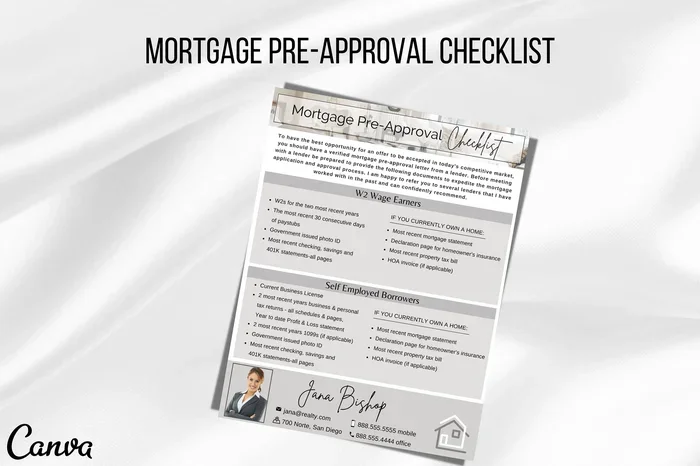
Yes, you can get more than one mortgage pre approval, and it is often a smart move for serious buyers. Applying with multiple lenders helps you compare rates, fees, and loan terms before you commit. Just know that credit inquiries may dip your score slightly, so plan your applications within a short window to minimize the impact.
This is a comprehensive guide about Can You Get More Than One Mortgage Pre Approval.
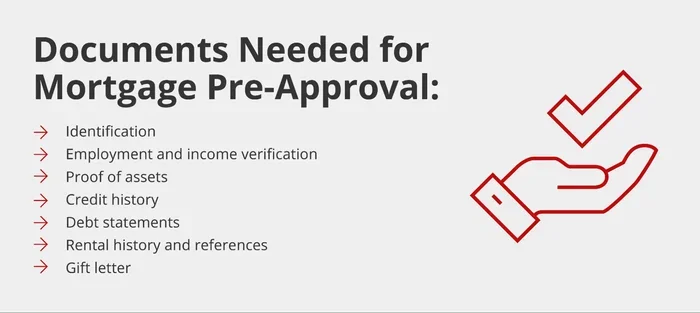
Visual guide about mortgage pre approval documents
Image source: griffinfunding.com
Visual guide about mortgage pre approval documents
Image source: effortlessmortgage.ca
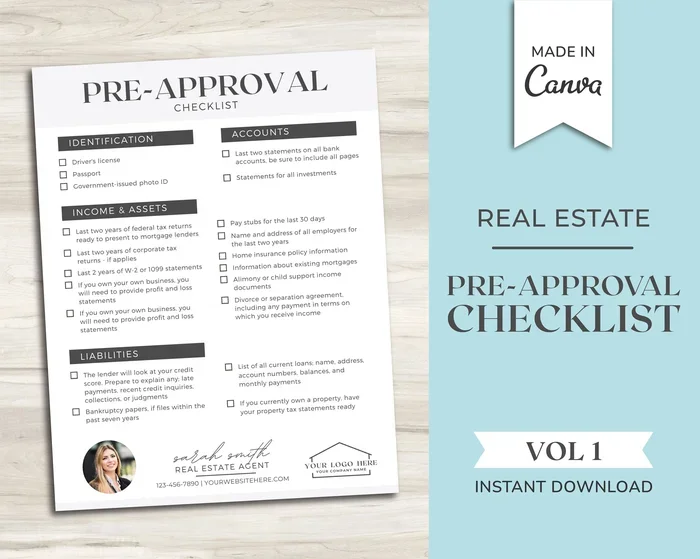
Visual guide about mortgage pre approval documents
Image source: i.pinimg.com
Key Takeaways
- Multiple pre approvals are allowed: Lenders do not restrict you from seeking pre approval from more than one company.
- Credit impact is manageable: Multiple mortgage inquiries within a short period usually count as one for scoring purposes.
- Shopping around saves money: Comparing loan estimates can lower your interest rate and reduce closing costs.
- Timing matters: Submit applications within 14 to 45 days to keep credit scoring models treating them as a single search.
- Pre approval is not a guarantee: Final loan approval depends on income, appraisal, title, and underwriting review.
- Keep your documents ready: Pay stubs, tax returns, bank statements, and employment verification speed up the process.
- Choose your best offer: Look at rate, fees, lock period, and customer service before you select a lender.
[FEATURED_IMAGE_PLACEHOLDER]
Buying a home is one of the biggest money moves you will ever make. Because the stakes are high, you want every advantage you can get. One of the best advantages is shopping around. Many buyers ask the same question: can you get more than one mortgage pre approval? The short answer is yes. In fact, getting more than one pre approval can help you compare options and feel more confident before you make an offer.
This guide breaks down how multiple pre approvals work, what they mean for your credit, and how to use them to your advantage. You will learn when to apply, what to compare, and how to avoid common mistakes. By the end, you will know exactly how to handle your home loan search with clarity and calm.
Why You Might Want More Than One Pre Approval
A pre approval tells you how much a lender is willing to lend you based on your income, debts, credit, and assets. It also shows sellers that you are serious. But not all pre approvals are the same. Different lenders offer different rates, fees, and loan programs. When you get more than one, you give yourself a chance to compare real numbers instead of guessing.
Think of it like shopping for a car. You would not buy the first one you see without checking the price, the features, and the financing. A mortgage works the same way. Even a small difference in interest rate can change your monthly payment and the total cost over time. That is why many buyers choose to speak with more than one lender before they start making offers.
Here are a few reasons buyers seek multiple pre approvals:
- Better rates and terms: One lender may offer a lower rate or fewer fees than another.
- Different loan options: Some lenders specialize in certain programs, such as first-time buyer loans or low down payment options.
- Stronger negotiation power: When you know your numbers, you can make smarter decisions during the offer process.
- Backup choices: If one lender slows down or changes terms, you have another option ready.
Of course, you do not need a dozen pre approvals. Two or three well-chosen lenders are usually enough. The goal is to compare, not to overload your inbox or your credit report.
How Multiple Pre Approvals Affect Your Credit
This is the part that makes many buyers nervous. They worry that applying with more than one lender will hurt their credit score. The good news is that credit scoring models are built to handle mortgage shopping. When you apply for a mortgage, the lender runs a hard credit check. That inquiry can lower your score by a small amount for a short time.
However, scoring models usually treat multiple mortgage inquiries as one if they happen within a focused shopping window. This means you can apply with several lenders in a short period without taking a big hit. The exact window can vary by scoring model, but it is commonly between 14 and 45 days. The safest approach is to keep your applications close together rather than spreading them out over months.
What the credit check looks for
A mortgage credit check reviews your payment history, balances, account ages, and recent inquiries. It also looks at your debt-to-income picture and any red flags. Lenders want to see that you manage credit responsibly. A few recent mortgage inquiries are generally not a problem if the rest of your file looks healthy.
Simple ways to protect your score
- Shop in a short window: Try to complete your applications within a few weeks.
- Use the same information: Consistent income and residence details help lenders compare your file accurately.
- Avoid new debt: Do not open new credit cards or finance a car while you are shopping for a home loan.
- Check your credit first: A quick review can help you spot errors before lenders see your file.
If you are concerned, you can ask lenders how they pull credit and whether they use a soft inquiry for an early quote. Some lenders offer a quick preview that does not affect your score, though a full pre approval usually requires a hard check.
What Lenders Look For During Pre Approval
A pre approval is more than a quick estimate. The lender reviews your financial picture to decide how much you can borrow and under what conditions. Understanding what they look for can help you prepare and avoid delays.
Income and employment
Lenders want steady income and a clear employment history. They usually ask for pay stubs, tax returns, and sometimes employer verification. If you are self-employed, expect to provide more paperwork, such as profit and loss statements or business tax returns.
Debts and monthly payments
Your existing debts matter because they affect how much you can afford. Lenders look at car payments, student loans, credit card minimums, and other obligations. They compare those payments to your income to understand your debt-to-income ratio. Lower ratios usually give you more borrowing flexibility.
Credit history
Your credit score and report help the lender judge risk. They look for on-time payments, reasonable balances, and a stable credit profile. A stronger credit history often leads to better rates and smoother approval.
Assets and down payment
Lenders also review your savings and other assets. They want to see that you have enough for the down payment, closing costs, and sometimes reserves. Bank statements and other records help confirm the source of your funds.
Quick Tips for a smoother review
- Gather documents early: Keep pay stubs, tax returns, and bank statements in one place.
- Explain odd items: If there is a large deposit or a gap in employment, be ready to explain it.
- Stay consistent: Use the same name, address, and income details across applications.
- Respond fast: Quick replies to lender questions can keep your file moving.
How to Compare Multiple Pre Approvals Effectively
Once you have more than one pre approval, the next step is comparison. Do not focus only on the loan amount. Look at the full picture, including rate, fees, lock terms, and service quality. A loan that looks cheaper at first may carry higher closing costs or a less flexible process.
What to compare side by side
Create a simple list or spreadsheet and compare these items:
- Interest rate: A lower rate can reduce your monthly payment and long-term cost.
- Annual percentage rate: This reflects the rate plus certain costs, which helps you compare the true price.
- Closing costs: Include lender fees, appraisal, title, and other charges in your comparison.
- Points and credits: Some offers let you pay points for a lower rate, while others offer lender credits.
- Rate lock period: A longer lock can protect you if closing takes more time.
- Loan program: Check whether the loan is conventional, FHA, VA, or another type that fits your situation.
- Communication and speed: A responsive lender can make the process much easier.
Common Mistakes to avoid
- Choosing by rate alone: Fees and terms can change the real cost of the loan.
- Ignoring the lock: A short lock may create stress if rates rise before closing.
- Forgetting to ask questions: If something is unclear, ask the lender to explain it in plain language.
- Waiting too long: Once you choose a lender, move forward so your pre approval stays current.
Here is a simple comparison table you can use while reviewing offers:
| Item | Lender A | Lender B | Lender C |
|---|---|---|---|
| Interest Rate | |||
| Estimated Closing Costs | |||
| Rate Lock Length | |||
| Loan Program | |||
| Customer Response Time |
Using a table like this helps you see the differences clearly. It also makes it easier to choose the offer that fits your budget and timeline.
When Multiple Pre Approvals Make the Most Sense
There are times when shopping around is especially helpful. If you are buying in a competitive market, a strong pre approval can matter a lot. If you are unsure about your budget, multiple offers can help you understand your real options. And if your situation is a little unusual, different lenders may give different advice.
Best times to shop around
- Early in your search: Before you tour homes, it helps to know your price range and loan choices.
- When rates are moving: If rates change often, comparing offers can help you understand your best timing.
- When your finances are complex: Self-employment, recent credit changes, or multiple income sources may benefit from different lender perspectives.
- When you want confidence: Seeing more than one offer can reduce doubt and help you decide with clarity.
When to be more careful
There are also moments when you should slow down. If you are about to make an offer, too many open applications can create confusion. If your credit is very sensitive right now, keep your shopping window tight. And if you have already chosen a lender, do not keep applying just to see if something better appears. At some point, action matters more than extra comparison.
Expert Insights on Getting More Than One Pre Approval
Mortgage professionals often say the same thing: comparison is part of the process. A pre approval is not a promise to use that lender. It is a starting point. The smartest buyers use that starting point to understand their options and choose the lender that gives them the best mix of price, service, and reliability.
Experts also remind buyers that a pre approval letter is usually valid for a limited time. If you wait too long, your letter may expire, and you may need to update your paperwork. That is another reason to keep your process organized. Once you know your budget and your preferred lender, move forward with purpose.
Expert Insights in plain language
- Shop early, not late: Get your comparisons done before you fall in love with a home.
- Ask for a loan estimate: This document helps you compare costs in a standard format.
- Keep your file clean: Avoid major financial changes while your loan is in progress.
- Trust communication: A lender who explains things well can save you time and stress.
Key Takeaways for Smart Buyers
Key Takeaways
- Multiple pre approvals are allowed: You can apply with more than one lender to compare offers.
- Credit impact is usually limited: Mortgage inquiries within a short window are often treated as one.
- Compare the full offer: Look at rate, fees, lock terms, and service, not just the loan amount.
- Stay organized: Keep documents, questions, and timelines in one place.
- Move with purpose: Once you choose a lender, focus on the next steps instead of endless shopping.
- Protect your file: Avoid new debt and large unexplained transactions during the process.
- Use pre approval as a tool: It helps you buy with confidence, not just approval.
Conclusion
So, can you get more than one mortgage pre approval? Yes, and in many cases, you should. Multiple pre approvals give you a clearer view of your options, help you compare real costs, and let you choose a lender that fits your needs. The key is to shop within a short window, keep your financial profile steady, and compare the full offer rather than just the headline rate.
When you approach the process with a simple plan, you reduce stress and make better decisions. Gather your documents, speak with a few trusted lenders, compare the numbers, and then move forward with the offer that feels right. A little comparison can save you money and give you stronger confidence as you step into the housing market.
Frequently Asked Questions
Can you get more than one mortgage pre approval without hurting your credit?
Yes, you can. Multiple mortgage inquiries made within a short shopping window are usually treated as one inquiry by scoring models, so the impact is often small. Keep your applications close together and avoid taking on new debt while you shop.
How many mortgage pre approvals should I get?
Two or three is usually enough. That gives you a useful comparison without creating unnecessary paperwork or confusion. The goal is to compare real offers, not to collect as many letters as possible.
Does a pre approval guarantee I will get the loan?
No, a pre approval is not a final loan guarantee. It shows that a lender is likely to approve you based on early review, but the final decision depends on underwriting, appraisal, title, and other conditions. Keep your finances stable until closing.
How long is a mortgage pre approval valid?
Pre approvals often last for a limited period, commonly around 60 to 90 days, though terms vary by lender. If your search takes longer, you may need to update your documents and refresh the letter. Always check the expiration date on your letter.
Should I tell lenders I am applying with other companies?
You do not have to, but it can be helpful to be honest if asked. Some buyers also use competing offers to encourage better service or clearer terms. Just stay organized so you can compare the options fairly.
What should I do after I choose a lender?
Notify the other lenders that you are moving forward elsewhere, then work closely with your chosen lender on the next steps. Respond quickly to document requests and avoid major financial changes while the loan is being processed.