
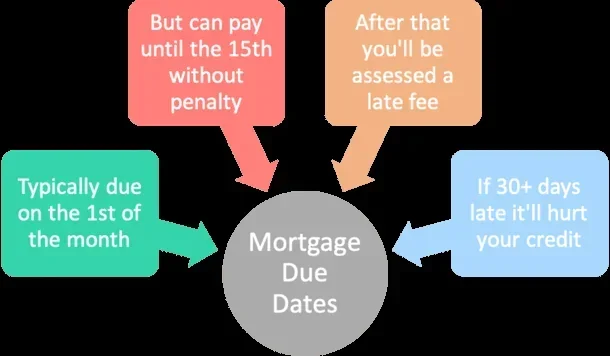
If you pay mortgage on the 31st, it is usually not late as long as you are within your lender’s grace period and have made your payment by the deadline. Most home loans offer a 15-day grace window after the due date, which means a payment made around the 31st often avoids penalties and credit damage. However, payment timing depends on your specific loan terms, how your lender processes payments, and whether you are paying online or by mail. Understanding your mortgage due date, grace period rules, and late fee policies can help you avoid unnecessary stress and extra costs.
Key Takeaways
- Mortgage due dates vary: Most home loans require payment on the 1st, but some lenders set different due dates, so always check your loan documents.
- Grace periods protect you: Many lenders give a 10-to-15-day grace period, meaning a payment on the 31st may still be on time if your due date is earlier in the month.
- Late fees depend on timing: A payment is usually considered late only after the grace period ends, not simply because it is past the due date.
- Credit reporting has a threshold: Most lenders do not report a missed payment to credit bureaus until it is 30 days late, but policies can differ.
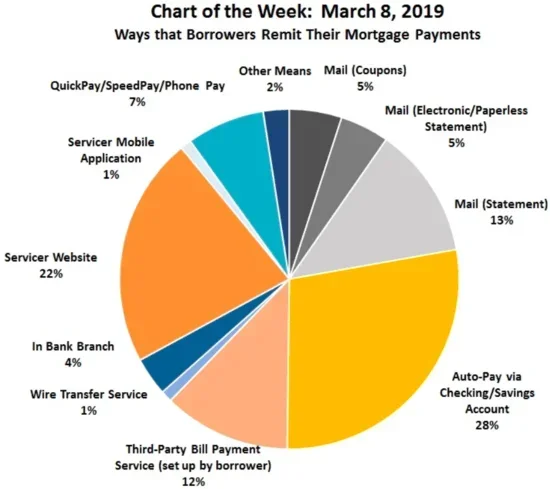
- Payment method matters: Online payments often post faster than mailed checks, which can affect whether your payment is considered on time.
- Consistency helps your credit: Paying on time regularly builds trust with your lender and supports a stronger credit profile over time.
- Communicate early if needed: If you are worried about a late payment, contact your lender before the deadline to ask about options and avoid surprises.
📑 Table of Contents
- If You Pay Mortgage on the 31st Is It Late
- Understanding Your Mortgage Due Date
- What a Grace Period Really Means
- If You Pay Mortgage on the 31st, Is It Late?
- How Late Payments Affect Your Credit and Costs
- Smart Ways to Avoid Late Mortgage Payments
- What to Do If You Are Close to the Deadline
- Common Mistakes That Make Payments Seem Late
- Key Takeaways for Paying on Time
- Conclusion
If You Pay Mortgage on the 31st Is It Late
Paying a mortgage can feel confusing when the calendar does not line up neatly with your budget. Many people ask the same question: if you pay mortgage on the 31st, is it late? The short answer is that it depends on your loan terms, your due date, and your lender’s grace period. In many cases, a payment made near the end of the month is still considered on time, especially if your mortgage due date is earlier and you are within the allowed grace window.
The important thing is not just the date on the calendar. It is how your lender defines “on time,” how they process payments, and when they consider a payment missed. Some homeowners worry needlessly because they see the due date and assume anything after that date is automatically late. That is not always true. A grace period can give you extra breathing room, and understanding that room can save you money and stress.
This article breaks down how mortgage due dates work, what a grace period really means, and what happens if your payment lands near the end of the month. You will also learn how late payments can affect your credit, how to avoid common mistakes, and what to do if your payment timing is tight. If you want clear, practical answers, you are in the right place.
Understanding Your Mortgage Due Date
Visual guide about mortgage payment due date
Image source: thumbs.dreamstime.com
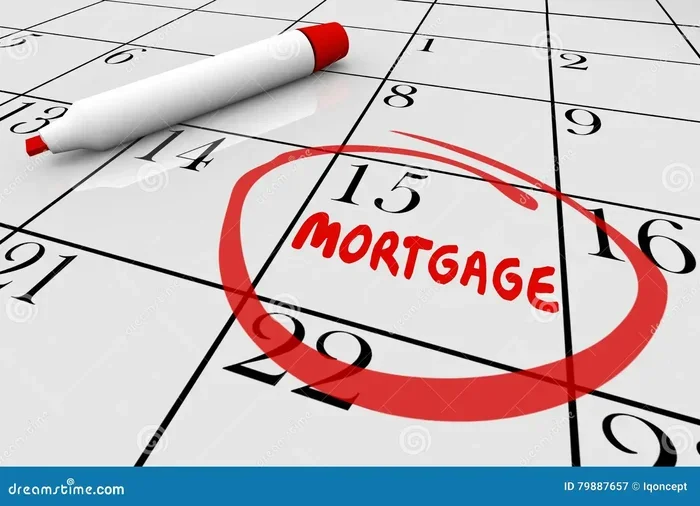
Your mortgage due date is the day your lender expects your regular payment. For many homeowners, that date falls on the first of the month. That is why so many people associate mortgage payments with the beginning of the month. But not every loan follows the same schedule. Some lenders set different due dates based on the loan origination date, the borrower’s preference, or the servicing system they use.
It helps to think of the due date as the official target, not a strict deadline that instantly triggers penalties. If your due date is the 1st, then a payment made on the 31st of the same month may look late at first glance. But if your lender offers a grace period, the payment may still be within the acceptable window. That is why the due date alone does not tell the full story.
You can usually find your exact due date in your mortgage statement, loan documents, or online account portal. If you are unsure, check the billing cycle and payment instructions carefully. Even small differences matter. A due date of the 1st with a 15-day grace period is very different from a due date of the 15th with no grace period at all.
Why Due Dates Are Not Always the Same
Mortgage due dates can vary for several reasons. Some loans are set up so the payment is due on the same day each month, while others follow a cycle based on when the loan closed. In some cases, the servicer may change the payment date during loan transfers or servicing updates. That means a homeowner who once paid on the 1st may later see a different due date.
Another reason for variation is the way lenders structure billing cycles. They may align payment dates to make processing easier or to match the borrower’s income schedule. If you are comparing your mortgage to a friend’s mortgage, do not assume the dates are identical. The safest approach is to confirm your own loan details instead of relying on general assumptions.
Where to Find Your Exact Payment Deadline
Your payment deadline should be listed clearly on your monthly mortgage statement. It may also appear in your online account, your loan agreement, or the lender’s payment portal. Look for language such as “payment due date,” “grace period ends,” or “late payment policy.” Those details tell you when your payment must be received, not just when you should send it.
If you pay by mail, remember that the postmark date may not be enough. Many lenders consider the payment late unless it is received by a certain time. If you pay online, the processing time may be faster, but it still depends on when the payment is submitted and when the lender posts it. That is why it is smart to submit payments early, especially near the end of a billing cycle.
What a Grace Period Really Means
Visual guide about mortgage payment due date
Image source: thetruthaboutmortgage.com
A grace period is extra time after the due date during which your payment can still be made without triggering a late fee or other penalty. This is the key concept behind the question, if you pay mortgage on the 31st, is it late? If your due date is earlier in the month and your grace period extends far enough, a payment made on the 31st may still be considered on time.
Grace periods are not universal. Some lenders offer them, and some do not. Even when they exist, the length can vary. A grace period may be 10 days, 15 days, or another length defined in your loan agreement. The important part is that the grace period usually applies to fees and penalties, not necessarily to credit reporting. That means you might avoid a late fee and still need to be careful about how late the payment is recorded.
It is also helpful to understand that a grace period does not mean your payment is free to be delayed forever. It is a temporary cushion, not a new due date. If you regularly rely on the grace period, you may still face risks if something changes, such as a holiday, a processing delay, or a shift in your lender’s posting rules.
Grace Periods and Late Fees
Late fees are one of the most common concerns for homeowners. In many cases, a late fee is charged only after the grace period ends. If your payment arrives before that cutoff, you may not owe extra money. That is good news if your due date is early in the month and you are paying near the end of the month within the grace window.
However, late fee rules can be specific. Some lenders charge a flat fee, while others calculate it as a percentage of the missed payment. The fee may also increase if the payment remains outstanding for too long. If you are close to the edge of the grace period, do not assume the fee will disappear automatically. Check your loan terms and confirm the exact cutoff date.
When a Payment Becomes Officially Late
A payment becomes officially late when it is not received by the deadline set in your loan agreement. That deadline may be the due date itself, or it may be the end of the grace period. Once that point passes, the lender may mark the payment late, charge a fee, and eventually report the delinquency if it remains unpaid.
This is where timing matters a lot. If your due date is the 1st and your grace period ends on the 15th, then a payment made on the 31st could be well past the grace period and considered late. On the other hand, if your due date is later in the month, the 31st might still fall within the acceptable window. The only way to know for sure is to compare your due date, grace period, and payment posting rules.
If You Pay Mortgage on the 31st, Is It Late?
Visual guide about mortgage payment due date
Image source: dm0qx8t0i9gc9.cloudfront.net
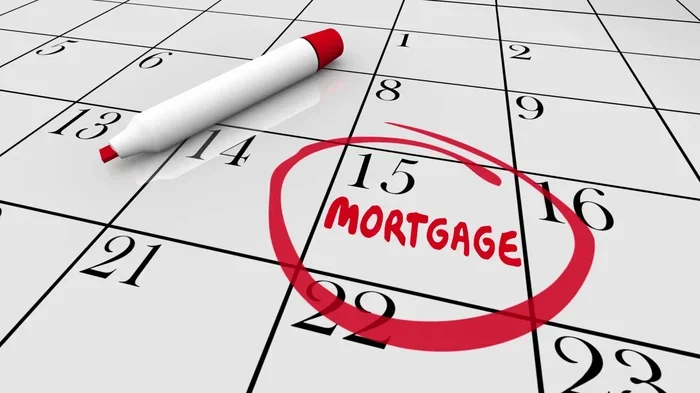
This is the central question, and the answer depends on three main factors: your due date, your grace period, and how your lender processes payments. If your mortgage payment is due earlier in the month and you pay on the 31st, the payment may be late unless your grace period covers that time. If your due date is near the end of the month, the 31st may still be within the normal payment window.
In other words, the 31st is not automatically late or automatically safe. It is simply a date. What matters is whether that date falls before or after your lender’s deadline for on-time payment. That is why it is so important to know your loan details instead of guessing based on the calendar alone.
Another layer is payment processing. A payment made on the 31st may be submitted on time, but if the lender does not post it until the next day, the record may show a later date. That can matter if the lender uses posting date rather than submission date to determine lateness. Online payments usually process faster, but even electronic payments can be affected by weekends, holidays, or system cutoffs.
Scenario: Due on the 1st With a Grace Period
Imagine your mortgage is due on the 1st and your lender gives you a 15-day grace period. In that case, the grace period would typically end around the 16th. A payment made on the 31st would likely be well past the grace period and could be considered late. You might face a late fee, and if the payment stays unpaid, the lender could eventually report the delinquency.
This scenario shows why the 31st can be risky if your due date is early in the month. The calendar may make it seem like the payment is only a few weeks late, but the lender’s rules may already treat it as missed. If you know this in advance, you can plan ahead and avoid the problem.
Scenario: Due Later in the Month
Now imagine your mortgage due date is the 20th, and your lender offers a short grace period. In that case, a payment made on the 31st might still be within the allowed window, depending on the exact grace period length. The payment could be considered on time, or only slightly delayed, without triggering immediate penalties.
This shows that the same calendar date can mean very different things depending on the loan. A payment on the 31st is not inherently good or bad. It is all about how your specific mortgage is structured. That is why checking your statement and loan documents is so valuable.
How Late Payments Affect Your Credit and Costs
Many homeowners worry about more than late fees. They also worry about credit damage. A late mortgage payment can affect your credit score, but the impact depends on how late the payment is and whether the lender reports it. In general, a payment that is a few days late may trigger a fee but not immediately damage your credit record. Once the payment becomes more significantly late, the risk increases.
Credit reporting usually follows a threshold. A payment that is 30 days late is more likely to be reported to the credit bureaus than a payment that is only a few days late. That does not mean a small delay is harmless, but it does mean that not every late payment has the same consequence. The severity grows as the payment remains unpaid.
Beyond credit, late payments can create a cascade of costs. You may pay a late fee, then interest continues to accrue, and the account may become harder to manage if the delay continues. If you are already stretching your budget, even a small fee can matter. That is why timing and communication both matter.
Late Fees vs. Credit Reporting
Late fees and credit reporting are related, but they are not the same thing. A late fee is a penalty charged by the lender for missing the payment deadline. Credit reporting is the process of sharing your payment history with the bureaus. A payment can be late enough to trigger a fee without yet being reported to credit agencies.
This distinction is important because some homeowners assume that any late payment will automatically hurt their credit. In reality, the timing and lender policy both matter. Still, you should not treat a grace period as a safety net for ignoring payments. The goal is to pay on time consistently so you avoid both fees and credit risk.
The Real Cost of Being a Few Days Late
Being a few days late may seem minor, but the costs can add up. A late fee can be frustrating on its own. If the delay becomes a habit, you may also face more serious consequences, including collection activity or credit damage. Even if the immediate impact feels small, repeated delays can create long-term stress.
There is also the emotional cost. Worrying about whether a payment is late can make money feel more overwhelming than it needs to be. When you understand your deadline and plan around it, you reduce that stress. Clear timing gives you more control over your budget and your peace of mind.
Smart Ways to Avoid Late Mortgage Payments
The best way to avoid the question of whether a payment on the 31st is late is to build a system that keeps your payments on track. You do not need a complicated plan. You just need a reliable routine. The more predictable your payment process is, the less likely you are to miss a deadline or cut it too close.
One simple strategy is to set a personal deadline earlier than the actual due date. If your mortgage is due on the 1st, aim to pay by the last day of the previous month. That gives you a buffer for processing delays, holidays, or unexpected life events. A little cushion can make a big difference.
Another helpful step is to use automatic payments if your lender offers them. Autopay can reduce the chance of forgetting a deadline. Just make sure you understand how the automatic payment is processed, when it is withdrawn, and what happens if your account balance is low. Automation helps, but only if it is set up correctly.
Set Your Own Earlier Deadline
Creating your own deadline is one of the easiest ways to stay ahead. If the official due date is the 1st, treat the 25th or 28th as your personal target. That way, you are not racing against the grace period. You are paying well before the pressure starts.
This approach is especially useful if your income arrives at a certain time each month. Match your mortgage payment to your cash flow so the money is available when you need it. When payment timing fits your budget, you are less likely to delay.
Use Autopay Carefully
Autopay can be a great tool, but it works best when you monitor it. Check that the payment amount is correct, especially if your escrow or interest changes over time. Also, confirm that your bank account has enough funds before the payment date. A failed autopay can create the same problems as a forgotten payment.
If you use autopay, review your statements regularly. That helps you catch errors early and stay aware of any changes in the payment amount. Automation should support your plan, not replace your attention.
Plan Around Holidays and Weekends
Payment timing can get tricky when the due date falls near a weekend or holiday. If the deadline is on a Saturday, Sunday, or bank holiday, the lender may still consider the payment due on that date or move the posting deadline. Mailed payments can be especially sensitive to delays.
If you know a deadline is approaching during a busy period, submit the payment early. A little planning can prevent a last-minute scramble. This is one of the simplest ways to protect yourself from unexpected lateness.
What to Do If You Are Close to the Deadline
If you realize your payment is going to be late, do not wait and hope it disappears. The sooner you act, the more options you may have. Even a small delay can be easier to manage if you address it directly instead of avoiding it.
Start by checking your account and confirming the due date, grace period, and payment status. If you can still make the payment before the grace period ends, do it as soon as possible. If you are already past the deadline, pay immediately and keep proof of the transaction. Documentation can help if there is any dispute later.
If you are facing a larger financial issue, contact your lender early. Some lenders may offer guidance or payment options if you communicate before the situation gets worse. The goal is to show that you are handling the problem responsibly. Silence usually makes things harder, not easier.
Contact Your Lender Early
If you know a payment will be delayed, reach out before the deadline if you can. Ask about your options, confirm when the payment must be received, and clarify whether a grace period applies. Lenders often appreciate proactive communication, and it can help you avoid unnecessary confusion.
Early contact is especially useful if your delay is unusual. A one-time issue is different from a pattern of missed payments. If you explain the situation honestly and promptly, you may get a clearer picture of what to expect.
Keep Proof of Payment
Whenever you make a mortgage payment, save the confirmation. That could be a receipt, a screenshot, a confirmation number, or a bank record. Proof matters if the payment is posted late or if there is a question about whether the payment was received on time.
Keeping records is a simple habit, but it can save a lot of trouble. If a payment on the 31st is questioned, your documentation can show when you submitted it and how you paid. That evidence can be very useful if you need to resolve a discrepancy.
Common Mistakes That Make Payments Seem Late
Many late-payment problems come from avoidable mistakes. One common mistake is assuming the due date is the same for every loan. Another is relying on the postmark instead of the receipt date. Some homeowners also wait too long because they think a grace period gives them unlimited flexibility. None of these assumptions are safe.
Another mistake is ignoring small changes in the payment amount. If your mortgage payment increases because of escrow adjustments or interest changes, you may underpay without realizing it. That can lead to a partial payment, which may not count as full payment by the lender. Always review the amount before you pay.
A third mistake is not accounting for processing time. A payment made at midnight on the 31st may not be posted until the next business day. If the lender uses posting time to determine lateness, that delay could matter. Planning ahead removes a lot of this risk.
Assuming All Lenders Work the Same
Lenders do not all use the same rules. Some are more flexible, some are stricter, and some have different posting procedures. That means a payment strategy that works for one person may not work for another. The safest approach is to learn your own lender’s policies and follow them closely.
If you are ever unsure, ask. A quick question can prevent a lot of guesswork. It is better to confirm than to assume.
Ignoring Partial Payments
A partial payment can create confusion. Some lenders accept it, but others may still treat the account as short. If you do not pay the full amount, the remaining balance may continue to accrue late consequences. That is why it is important to pay the full required amount by the deadline whenever possible.
If you cannot make the full payment, communicate early and ask what options exist. Partial payment may be better than nothing in some situations, but it is not a guaranteed fix.
Key Takeaways for Paying on Time
If you want to avoid the stress of asking whether a payment on the 31st is late, focus on clarity and consistency. Know your due date. Know your grace period. Know how your lender receives and posts payments. Then build a routine that keeps you ahead of the deadline.
The most reliable approach is to treat your mortgage payment as a priority, not an afterthought. Pay early when you can. Use automation carefully. Keep records. And if something changes, address it quickly. These habits make a big difference over time.
A mortgage payment is one of the biggest financial responsibilities many people manage. When you understand the timing rules, you can make better decisions and avoid unnecessary fees or credit issues. The goal is not just to answer the question, if you pay mortgage on the 31st, is it late. The goal is to create a system that keeps your payments on track every month.
Conclusion
So, if you pay mortgage on the 31st, is it late? It can be, but it does not have to be. The answer depends on your due date, your grace period, and how your lender processes payments. A payment made at the end of the month may be perfectly fine if your loan terms allow it, or it may be late if your deadline has already passed. The safest move is to know your specific mortgage rules and plan around them.
The best way to protect yourself is to stay ahead of the due date, understand your grace period, and keep proof of payment. If you are ever close to the edge, act early and communicate clearly. With a little planning, you can avoid late fees, credit concerns, and unnecessary worry. When it comes to mortgage payments, timing is not just about the calendar. It is about knowing your loan, managing your budget, and making steady choices that keep your home finances on solid ground.
Frequently Asked Questions
If I pay my mortgage on the 31st, will I automatically get a late fee?
Not necessarily. A late fee usually applies only after the grace period ends, so if your payment is still within that window, you may avoid the fee. Check your loan terms to see when your lender considers a payment late.
Does a mortgage payment on the 31st hurt my credit score?
It may not if the payment is made before the lender reports the delinquency. Credit damage is more likely when a payment becomes significantly late, often around 30 days past due. The exact impact depends on your lender’s reporting policy.
What if my mortgage due date is the 1st and I pay on the 31st?
That could be considered late if your grace period has already ended. In many cases, a payment made on the 31st would be well past an early-month due date, so it is best to confirm your deadline and pay sooner if possible.
Do lenders count the postmark date or the receipt date?
Many lenders count the receipt date, not the postmark date, especially for mailed payments. That means a check mailed on time may still be late if it arrives after the deadline. Online payments often post faster, but you should still submit them early.
Is it better to pay before the due date or use the grace period?
It is usually better to pay before the due date if you can. Using the grace period can be helpful in a pinch, but relying on it regularly may increase the risk of fees or mistakes. Paying early gives you more breathing room.
What should I do if I think my payment might be late?
Make the payment as soon as possible and keep proof of the transaction. If you are facing a larger issue, contact your lender early to ask about your options. Acting quickly can help reduce fees and prevent further complications.