

Can you lock in a mortgage rate on a weekend? The short answer is usually no, because most lenders and rate lock systems pause during non-business days. However, you can prepare ahead, use float-down options, or lock before Friday afternoon to protect yourself. Understanding how rate locks work helps you avoid stress and secure the best deal.
Buying a home is exciting, but rate changes can feel stressful. You want predictability. You want to know your payment will not jump overnight. That is why many buyers ask a simple question: can you lock in a mortgage rate on a weekend? The answer depends on how lenders operate, when markets move, and what tools you use to protect your rate. In this guide, I will walk you through the process in plain language. You will learn when locks happen, what weekend timing means, and how to stay in control.
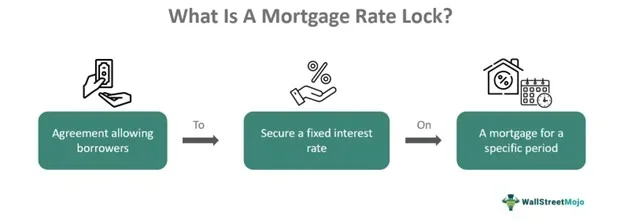
Let us start with the basics. A rate lock is a promise from your lender. It says your interest rate will stay the same for a set period. That period usually lasts from thirty to sixty days. During that window, your quoted rate should not change because of market moves. This protection matters because even a small rate change can affect your monthly payment and your total loan cost. When you understand the rules, you can plan better and feel calmer.
Key Takeaways
- Weekend locks are rare: Most lenders do not process new rate locks on Saturdays or Sundays.
- Timing matters: Locking before Friday afternoon often protects you through the weekend.
- Float-down options exist: Some lenders let you capture a lower rate if markets improve before closing.
- Market closures affect rates: Bond markets and economic data release on business days, so weekend moves are limited.
- Communication is key: Ask your loan officer about lock expiration, extensions, and fees.
- Prepare documents early: Having your file ready speeds up the lock process when the office reopens.
- Know your deadlines: Align your lock period with your expected closing date to avoid extra costs.
📑 Table of Contents
What Does It Mean to Lock a Mortgage Rate
A rate lock is a simple idea with a few moving parts. Your lender agrees to hold your interest rate while your loan moves through underwriting and closing. In return, you usually must meet certain conditions. You may need to provide documents on time. You may need to keep your credit profile stable. You may also need to close before the lock expires. If any of these pieces slip, your protection can change.
How a Rate Lock Works
When you lock, your lender records the rate, the points, and the lock expiration date. This record ties your loan to a specific market snapshot. If rates rise later, your rate stays put. If rates fall, you usually stay at the higher locked rate unless you have a float-down feature. That is why timing matters so much. You are not just picking a number. You are choosing a window of protection.
Why Buyers Want to Lock Early
Many buyers lock early to reduce anxiety. They want to know their payment will not surprise them. Others lock to secure a specific monthly budget. This is especially helpful when home prices are high and every dollar counts. A lock can also help you compare loan offers more clearly. When the rate is fixed, you can focus on closing details instead of daily market noise.
Can You Lock in a Mortgage Rate on a Weekend
Here is the core answer. In most cases, you cannot lock a new rate on a weekend because lender operations and market data pause. Most loan officers, underwriting teams, and lock systems work on business days. That means a Saturday or Sunday lock is uncommon. Some lenders may accept a lock request late on a Friday, but the actual lock often records on the next business day. This is an important detail because the market can move in the meantime.
Visual guide about mortgage rate lock document
Image source: i.ytimg.com
Why Weekend Locks Are Uncommon
Lenders rely on market data to set rates. They also rely on internal teams to verify details and approve locks. On weekends, those teams are usually offline. Even if you send an email or make a call, the lock may not be finalized until Monday. Some automated systems can process requests outside business hours, but the rate itself is still tied to the last available market snapshot. That is why a weekend lock is rare and sometimes risky if you expect real-time accuracy.
What Happens If You Request a Lock on Friday
If you lock on Friday, your rate is often protected through the weekend. This is the most common way to handle weekend timing. You ask your loan officer to lock before the office closes on Friday. Once the lock is in place, Saturday and Sunday market shifts usually do not affect your loan. This gives you peace of mind while the team continues processing your file. If you wait until Monday morning, rates may have changed based on overnight or international market activity.
How Mortgage Rates Move on Weekends
Rates do not sit completely still on weekends, but they usually move less than on business days. The big drivers are bond markets, economic reports, and investor activity. Those forces mostly operate during the week. Still, global events can affect sentiment overnight. If news breaks on Saturday or Sunday, markets may price that news when they reopen. That means your rate lock timing can matter, especially if you are close to a decision point.
Visual guide about mortgage rate lock document
Image source: wallstreetmojo.com
The Role of Bond Markets and Economic Data
Mortgage rates often follow long-term bond yields. When bond yields move, mortgage rates tend to follow. Most economic data releases happen on business days. That is why rate changes are more common Monday through Friday. On weekends, there is less fresh data to push rates up or down. This does not mean nothing happens. It just means the pace is slower and the moves are often smaller.
Why Timing Your Lock Still Matters
Even if weekend moves are smaller, they can still matter if you are unprotected. If you have not locked and something shifts over the weekend, your rate could change by Monday. That is why many buyers choose to lock before the weekend or right after a stable stretch in the market. You do not need to guess perfectly. You just need a plan that fits your closing timeline and your comfort level.
When You Can Actually Lock Your Rate
The best time to lock is when your loan is ready and your closing date is clear. You do not need to lock the moment you apply. In fact, locking too early can create problems if your closing gets delayed. On the other hand, waiting too long can expose you to rate changes. The sweet spot is usually when your file is far enough along that a lock makes sense, but early enough to protect your budget.
Visual guide about mortgage rate lock document
Image source: mashvisor.com
Locking Before the Weekend
Locking before Friday afternoon is a practical move. It helps you avoid weekend uncertainty. If your lender approves the lock, you can move into the weekend with your rate secured. This is especially useful if you are in a busy market and closings are moving fast. It also helps if you are worried about a rate shift after a big news event. A Friday lock can give you breathing room.
Locking Early in the Week
Some buyers prefer to lock early in the week when teams are fresh and communication is easy. This can be a good choice if your file is complete and your lender can act quickly. Early-week locking also gives you time to address issues before the weekend arrives. If you are still gathering documents, you may want to wait until your file is polished. A clean file usually means a smoother lock.
Smart Ways to Protect Your Rate
You have more control than you might think. Even if you cannot lock on a weekend, you can use strategies to reduce risk. The goal is to match your lock with your timeline and your market view. A good plan balances protection, flexibility, and cost. Here are some practical ways to stay protected.
Use a Float-Down Option If Available
A float-down option lets you capture a lower rate if markets improve before closing. This can be helpful if you expect rates to dip, but you still want protection if they rise. Not every lender offers this feature, and it may come with a fee or specific rules. Ask your loan officer how it works, when it can be used, and what triggers the adjustment. This option can be a nice middle ground between certainty and flexibility.
Choose the Right Lock Period
Lock periods are usually set in days. A shorter lock may cost less, but it gives you less time if your closing slows down. A longer lock may cost more, but it reduces the chance of an extension fee. Think about your expected closing date and add some cushion. If your transaction is straightforward, a standard lock period may be enough. If it is complex, a longer window can be worth it.
Keep Your File Ready
A rate lock can be delayed if your file has missing items. To avoid that, gather pay stubs, tax documents, bank statements, and any other requested papers early. Respond quickly to follow-up questions. A ready file helps your lender move faster when you are ready to lock. This is one of the easiest ways to reduce stress and keep things on schedule.
Ask About Lock Extensions and Fees
If your closing date moves, your lock may need an extension. Some lenders charge for this. Some include a small extension window at no cost. It is smart to ask about this before you lock. Knowing the rules ahead of time helps you avoid surprise fees. It also helps you plan for delays without panicking about your rate.
Practical Tips and Common Mistakes
A good rate lock strategy is part timing, part communication, and part preparation. Below are a few quick tips and common mistakes to watch for. These can help you make a confident choice without overthinking every market tick.
Quick Tips
- Lock when your file is complete: A ready loan moves faster and reduces delays.
- Confirm the expiration date: Know exactly when your lock ends.
- Compare lock costs: Shorter and longer locks can have different prices.
- Document everything: Keep notes on what was promised and when.
- Watch your closing timeline: Align the lock with a realistic closing date.
Common Mistakes
- Locking too early: This can create extension issues if closing slips.
- Locking too late: This can leave you exposed to rate changes.
- Ignoring fees: Extensions and float-downs may cost extra.
- Assuming weekend locks are normal: Most lenders still work on business days.
- Forgetting to ask questions: Clear answers now prevent confusion later.
Final Thoughts on Weekend Rate Locks
So, can you lock in a mortgage rate on a weekend? In most cases, the practical answer is no, but you can still protect yourself. A Friday lock, a float-down option, and a well-prepared file can go a long way. The key is to understand how your lender works and to plan around business-day timing. When you do that, you can move forward with more confidence and less worry.
Buying a home is a big step. Rate locks are there to give you stability while the process unfolds. If you stay organized, ask clear questions, and lock at the right time, you give yourself a strong chance of keeping your rate where you want it. That kind of preparation can make the whole experience feel much more manageable.
Frequently Asked Questions
Can you lock in a mortgage rate on a weekend?
In most cases, no. Most lenders process rate locks on business days, so a Saturday or Sunday lock is uncommon. If you want weekend protection, it is usually better to lock on Friday before the office closes.
What happens if I lock my rate on Friday?
If your lock is approved on Friday, your rate is typically protected through the weekend. Saturday and Sunday market changes usually do not affect your locked rate. This is a common way to reduce uncertainty.
Do mortgage rates change on weekends?
They can, but changes are often smaller because bond markets and economic data mostly move on business days. Still, news or global events can influence rates by the time markets reopen on Monday.
What is a float-down option?
A float-down option lets you adjust to a lower rate if market rates drop before closing. It gives you some protection if rates rise while still allowing you to benefit from a better rate later.
When is the best time to lock a mortgage rate?
The best time is when your loan file is complete and your closing date is reasonably clear. Locking too early can cause extension issues, while locking too late can expose you to rate changes.
Should I ask my lender about lock fees?
Yes. It is smart to ask about lock costs, extension fees, and any rules for float-down features. Knowing these details ahead of time helps you avoid surprises and choose the right lock period.
