
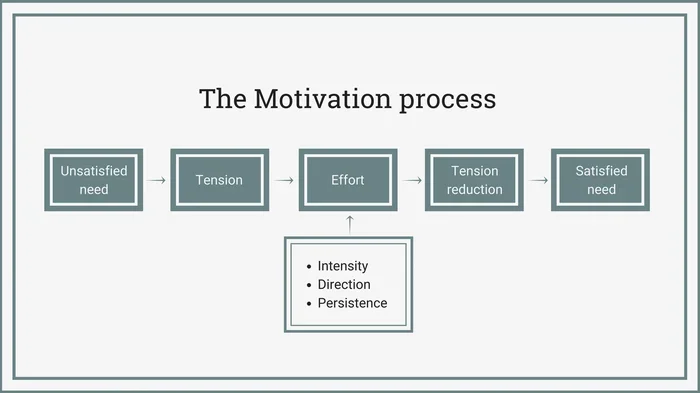
The drive reduction theory explains how our bodies and minds seek balance when needs arise. When you feel hungry, lonely, or stressed, your inner drive pushes you to act. Understanding this theory helps you see why you seek comfort, connection, and stability in relationships. You will learn how to manage these natural pushes without losing your sense of self.
Key Takeaways
- Drive reduction theory explains motivation as a push to restore balance.
- Primary drives come from basic survival needs like food, safety, and rest.
- Secondary drives develop through life experience and social learning.
- Relationships often reflect unmet drives for comfort, closeness, and security.
- Homeostasis is the natural state of balance your mind and body seek.
- Healthy coping helps reduce drives without creating new stress or harm.
- Self-awareness lets you respond to needs instead of reacting on impulse.
📑 Table of Contents
- The Drive Reduction Theory Explained in Simple Terms
- Primary Drives and Secondary Drives in Daily Life
- How Drive Reduction Shapes Relationships and Emotional Needs
- Healthy Ways to Reduce Drives Without Creating New Stress
- Common Mistakes People Make With Drive Reduction
- Using Drive Awareness to Build Better Habits and Stronger Connections
- Final Thoughts on the Drive Reduction Theory
The Drive Reduction Theory Explained in Simple Terms
We all feel pushes and pulls inside us. You feel hungry, so you eat. You feel lonely, so you call a friend. You feel tense, so you take a slow breath. The drive reduction theory helps explain why this happens. It says our bodies and minds want balance. When something throws us off, we feel a push to fix it. That push is called a drive.
This idea matters because it shows that motivation is not random. It follows a pattern. A need appears. Tension builds. You act. The action lowers the tension. Then you return to a calmer state. That calmer state is called homeostasis. Think of it like a thermostat in your home. When the room gets too cold, the heat turns on. When the room reaches the right temperature, the heat turns off. Your inner system works in a similar way.
The drive reduction theory is useful in everyday life. It helps you understand why you seek food, sleep, warmth, and safety. It also helps you understand why you seek comfort in relationships. When you feel disconnected, your mind pushes you to reconnect. When you feel unsafe, your mind pushes you to find protection. These pushes are normal. They are part of being human.
You do not need a complex psychology degree to use this idea. You only need to notice your urges with care. Ask yourself what need is speaking. Ask yourself whether your response truly meets that need. This simple habit can change how you handle stress, conflict, and relationship choices.
What Counts as a Drive?
A drive is an internal state that motivates action. It often starts with a physical or emotional need. Some drives are basic. Others are learned. Basic drives connect to survival. Learned drives connect to life experience, culture, and relationships.
Here are common examples:
- Hunger pushes you to find food.
- Thirst pushes you to drink water.
- Fatigue pushes you to rest.
- Loneliness pushes you to seek connection.
- Fear pushes you to find safety.
- Uncertainty pushes you to look for clarity.
These drives are not bad. They are signals. A signal tells you something matters. The challenge is learning how to respond in a healthy way. If you ignore the signal too long, tension grows. If you react too fast, you may choose a short-term fix that creates a new problem later.
How the Body and Mind Seek Balance
The drive reduction theory focuses on balance. Balance is the goal. Your system wants to return to a steady state. That steady state is comfortable and efficient. When you are balanced, you can think clearly. You can act with more patience. You can relate to others with less strain.
Balance does not mean you never feel discomfort. It means you can recover from discomfort in a stable way. For example, a good night of sleep can lower fatigue. A honest conversation can lower loneliness. A calm plan can lower uncertainty. The drive fades when the need is met or at least soothed.
This is why small routines matter so much. Regular meals, regular rest, regular movement, and regular connection all support balance. They reduce the chance that a drive becomes overwhelming. When your life is full of small stabilizing habits, your mind has less urgent pressure to force a quick fix.
Primary Drives and Secondary Drives in Daily Life
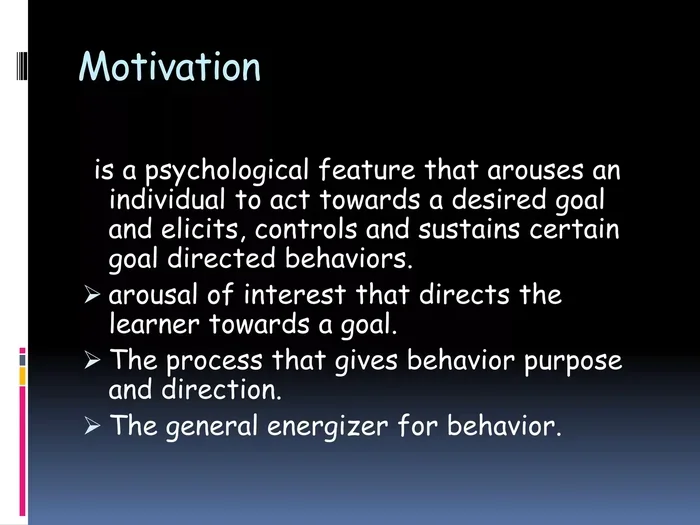
Not all drives look the same. Some are built into your biology. Others grow through experience. The drive reduction theory makes room for both. It recognizes that human motivation is partly physical and partly learned.
Visual guide about psychological motivation concept
Image source: image.slidesharecdn.com
Primary drives are the most basic. They are tied to survival and comfort. You do not need to be taught to feel hunger or thirst. Your body already knows. These drives are strong because they protect your life and health. They can also shape your mood and behavior in obvious ways. When you are tired or hungry, patience becomes harder. When you feel unsafe, your attention narrows.
Secondary drives are learned. They develop through repetition, reward, and social experience. Money is one example. You are not born wanting money. But you learn that money can help you get food, shelter, and security. Over time, money becomes a powerful motivator. Approval can work the same way. Praise, recognition, and belonging can become strong drives because they connect to safety and social comfort.
This distinction matters in relationships. A person may not only want basic comfort. They may also want reassurance, status, predictability, or emotional closeness. These are not fake needs. They are real drivers shaped by life. When you understand this, you stop judging yourself or others for wanting more than the bare minimum.
Examples of Primary Drives
Primary drives show up quickly and clearly. They are often physical, but they can also affect emotions.
- Hunger makes it hard to focus.
- Thirst creates discomfort and distraction.
- Sleep loss lowers mood and self-control.
- Cold or heat pushes you to seek comfort.
- Immediate danger triggers a strong escape or protection response.
These drives are direct. They usually have a clear solution. Eat. Drink. Rest. Warm up. Find safety. The more basic the need, the more direct the response tends to be.
Examples of Secondary Drives
Secondary drives can be more subtle. They often connect to long-term goals and social life.
- Need for approval can push you to please others.
- Need for achievement can push you to work harder.
- Need for belonging can push you to join groups or stay close to people.
- Need for control can push you to plan and predict.
- Need for comfort in relationships can push you to seek reassurance.
Secondary drives can be helpful. They can motivate growth and connection. They can also become stressful when they turn into pressure. For example, if you constantly chase approval, you may lose touch with your own preferences. If you constantly chase control, you may struggle when life changes. The goal is not to erase these drives. The goal is to understand them.
How Drive Reduction Shapes Relationships and Emotional Needs
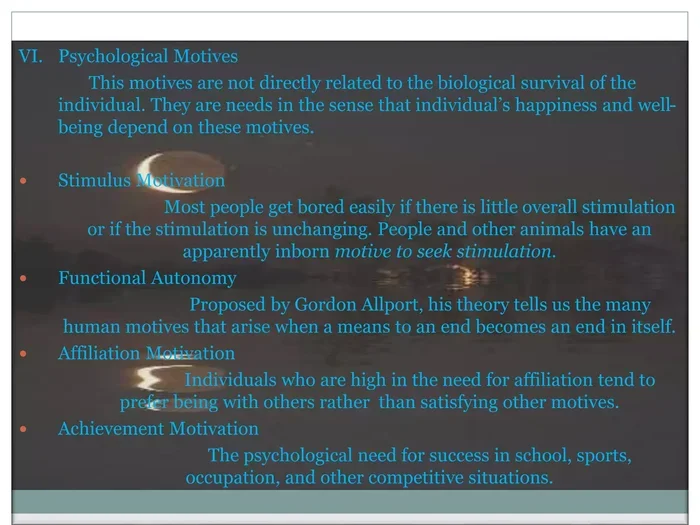
Relationships are full of drives. People want closeness. They want safety. They want to feel understood. They want consistency. When these needs are unmet, tension grows. The drive reduction theory gives you a useful lens for seeing this pattern.
Visual guide about psychological motivation concept
Image source: image.slidesharecdn.com
Imagine a person who feels emotionally disconnected. That feeling creates inner tension. The person may then seek more texts, more reassurance, more time, or more validation. The behavior is not random. It is an attempt to reduce a drive. The same can happen when someone feels insecure. They may become watchful, defensive, or overly focused on what the other person is doing.
This is one reason relationship patterns can feel repetitive. A drive appears. The person tries to reduce it. The relief may be short-lived. Then the drive returns. If the real need is not fully addressed, the cycle continues. That is why it helps to ask a simple question: what am I really trying to calm right now?
Sometimes the answer is practical. You need sleep. You need food. You need a break. Sometimes the answer is emotional. You need reassurance. You need boundaries. You need clearer communication. Sometimes the answer is both. When you can name the need, you can choose a better response.
Emotional Drives Are Real Drives
Some people assume only physical needs count. That is not true. Emotional needs can create strong internal pressure. Loneliness can feel as urgent as hunger. Rejection can feel as painful as physical injury. Uncertainty can feel as draining as exhaustion. The mind and body are linked. A threat to one can affect the other.
That is why emotional balance matters. You cannot treat your body well and ignore your heart. You cannot treat your relationships well and ignore your limits. Healthy motivation honors both. It pays attention to practical needs and emotional needs.
When Drives Become Too Intense
A drive becomes harder to manage when it grows too strong. Intense drives can cloud judgment. They can make you rush. They can make you overreact. They can make you settle for a quick fix that does not truly help.
For example, if you feel extremely lonely, you may cling to the wrong kind of attention. If you feel extremely anxious, you may try to control every detail. If you feel extremely rejected, you may shut down or push people away before they can leave you. These responses are understandable. They are not always helpful.
Strong drives need steady care. That means slowing down before you decide. It means checking whether the need is physical, emotional, or both. It means choosing actions that lower tension without creating new damage.
If you want to go deeper into how relationship stress can shape your inner world, you may find it helpful to read about why stonewalling is the most overlooked form of emotional abuse. Understanding harmful patterns can make drive awareness even more useful.
Healthy Ways to Reduce Drives Without Creating New Stress
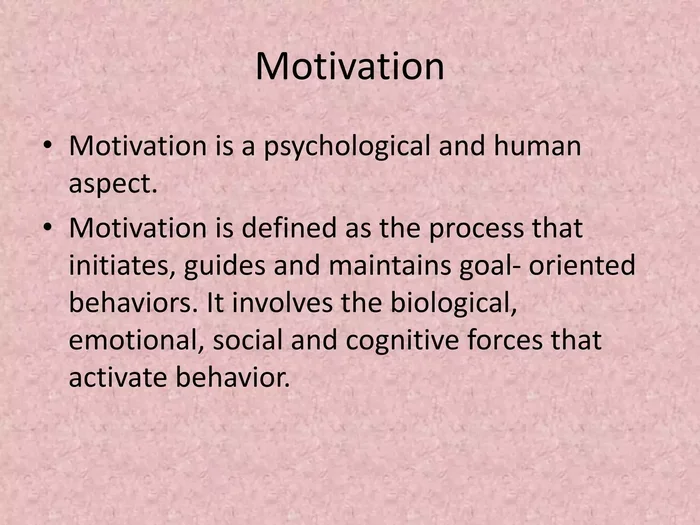
The drive reduction theory does not tell you to chase every urge. It tells you to notice the urge and choose a wise response. Healthy drive reduction lowers tension in a way that supports long-term well-being. Unhealthy drive reduction may feel fast, but it often creates more problems later.
Visual guide about psychological motivation concept
Image source: image.slidesharecdn.com
Healthy responses usually have a few things in common. They are realistic. They are repeatable. They respect your limits. They do not require you to ignore your values. Unhealthy responses often look like avoidance, overexposure, overcommitment, or impulsive behavior. They may give temporary relief, but they do not restore real balance.
Think of it this way. If your car is low on fuel, you refill it. You do not pour in something that damages the engine. If your mind is low on rest, you rest. If your heart is low on connection, you seek safe connection. The right solution matches the need.
Practical Ways to Restore Balance
You can reduce drives in simple, steady ways. The best methods are often small and consistent.
- Meet basic needs first. Eat, hydrate, rest, and move when possible.
- Name the feeling. Say, “I feel tense because I need rest,” or “I feel uneasy because I need clarity.”
- Pause before reacting. A short pause can keep a drive from taking over.
- Choose one clear action. Do one thing that helps the need instead of ten things that scatter your energy.
- Use calming routines. Breathing, walking, journaling, or quiet time can lower pressure.
- Seek support wisely. Talk to someone safe when connection is the real need.
These steps work because they reduce the gap between need and response. The more directly you address the need, the less tension you carry. Over time, this builds trust in yourself. You learn that you can handle discomfort without spiraling.
When Quick Relief Becomes a Trap
Quick relief is tempting. Everyone wants the tension to stop. But some quick fixes only hide the problem. They do not solve it. For example, scrolling for hours may numb boredom, but it may also leave you more drained. Overworking may distract you from loneliness, but it may also deepen exhaustion. People-pleasing may lower conflict in the moment, but it may also increase resentment later.
A good rule is this: if your solution leaves you more depleted, it may not be a real solution. A better solution should lower the drive and preserve your energy. If you are not sure, ask yourself what happens after the relief fades. Does the need return stronger? Does your body feel worse? Does your mind feel more scattered? Those answers can guide you.
Sometimes people repeat unhealthy patterns because the drive feels too big to face directly. In that case, smaller steps help more than dramatic ones. You do not need to fix everything at once. You only need to reduce the pressure enough to think clearly.
If you ever notice that your reactions are tied to deeper pain or old wounds, it may help to explore resources like the impact of childhood mental health on adult work capacity. Early experiences can shape how strongly drives show up in adulthood.
Common Mistakes People Make With Drive Reduction
Even with a simple theory, people can make repeated mistakes. These mistakes often happen because drives feel urgent. Urgency can shrink perspective. It can make you focus on the fastest relief instead of the best relief.
One common mistake is treating every feeling like an emergency. Not every drive needs immediate action. Some needs can be met later. Some feelings pass with time and care. If you react to every signal as if it is a crisis, you may exhaust yourself.
Another mistake is confusing a drive with an identity. Feeling lonely does not mean you are broken. Feeling anxious does not mean you are weak. Feeling driven does not mean you are greedy or needy. Drives are temporary states. They tell you something is active inside you. They do not define your worth.
A third mistake is trying to silence the drive instead of meeting the need. Suppression can work for a short time, but it usually stores pressure for later. The drive may return louder. It may leak out as irritability, burnout, or poor choices. Meeting the need is usually more effective than fighting the signal.
Quick Tips for Avoiding Mistakes
- Pause before you decide. Urgency can trick you.
- Separate the need from the noise. Ask what is actually missing.
- Check whether your response helps long-term. If not, adjust.
- Do not shame yourself for having needs. Needs are normal.
- Keep your routines simple. Consistency reduces extreme drives.
Using Drive Awareness to Build Better Habits and Stronger Connections
When you understand the drive reduction theory, you gain a practical tool. You can notice what is pulling you. You can choose a response that fits the need. You can also understand other people more clearly. Many conflicts are not about malice. They are about unmet needs and unmanaged tension.
This awareness can improve habits. If you know fatigue drives irritability, you can protect sleep. If you know hunger drives sharpness or snappiness, you can eat on time. If you know loneliness drives clinginess or withdrawal, you can plan connection before the pressure gets too high. Good habits are often just smart drive management.
This awareness can also improve relationships. If you feel upset, you can ask whether the issue is really about the surface event or about a deeper need. Maybe the argument is not only about chores. Maybe it is about feeling unheard. Maybe the tension is not only about time. Maybe it is about feeling unsafe or overwhelmed. When you can identify the deeper drive, the conversation becomes more useful.
If you want to explore how repeated arguments form, you may find value in why you keep having the same argument with your partner. Pattern recognition often starts with noticing what each person is trying to reduce or protect.
How to Practice Drive Awareness Daily
You do not need a complicated system. A few simple questions can help.
- What am I feeling right now?
- What need may be behind this feeling?
- Is this a physical need, an emotional need, or both?
- What is the simplest healthy action I can take?
- Will this action reduce the drive without creating new harm?
These questions create space. Space helps you respond instead of react. Over time, this habit builds emotional maturity. You become less controlled by urgent pushes. You become more able to choose steady, constructive actions.
Drive awareness also supports self-compassion. When you understand that tension is part of being human, you stop treating yourself like a machine that should never struggle. You begin to work with your nature instead of against it. That shift can make growth feel more possible.
Final Thoughts on the Drive Reduction Theory
The drive reduction theory offers a simple but powerful idea. We act because we feel a need. We seek balance because tension is uncomfortable. Our drives are not enemies. They are signals that help us survive, connect, and adapt. The goal is not to eliminate drives. The goal is to understand them and respond well.
When you meet real needs, your mind settles. When you ignore real needs, tension grows. When you choose healthy responses, you protect your energy and your relationships. When you choose impulsive responses, you may feel relief for a moment, but the pressure often returns.
Use this knowledge in small ways. Notice what is driving you. Name the need. Choose a response that truly helps. Keep your routines steady. Be patient with yourself when drives feel strong. Over time, this approach can make daily life feel more manageable and your relationships feel more stable.
If you want to build a fuller picture of how motivation, emotion, and relationship patterns fit together, you can also explore signs of the spirit of enmity in a relationship. Recognizing harmful relational climates can help you separate healthy drive reduction from destructive conflict.
Frequently Asked Questions
What is the drive reduction theory in simple words?
The drive reduction theory says people are motivated to reduce internal tension caused by unmet needs. When a need appears, it creates a drive that pushes you to act. Once the need is met, the drive lowers and balance returns.
How does homeostasis relate to drive reduction?
Homeostasis is the steady state your body and mind want to maintain. A drive appears when something disrupts that balance. The purpose of the drive is to bring you back toward homeostasis by meeting the underlying need.
What is the difference between primary and secondary drives?
Primary drives are basic and often tied to survival, like hunger, thirst, and rest. Secondary drives are learned through experience, such as the desire for approval, money, achievement, or belonging. Both can motivate behavior.
Can emotional needs create drives too?
Yes. Emotional needs can create strong internal pressure. Loneliness, fear, rejection, and uncertainty can all act like drives because they push you to seek comfort, safety, connection, or clarity.
What are common mistakes when trying to reduce a drive?
People often react too quickly, confuse a temporary feeling with identity, or choose quick relief that creates more stress later. A better approach is to pause, identify the real need, and choose a response that helps long-term.
How can drive reduction theory help in relationships?
It helps you see that many relationship behaviors are attempts to reduce tension from unmet needs. When you understand the deeper need, you can communicate more clearly, respond more calmly, and avoid repeating the same conflicts.
