
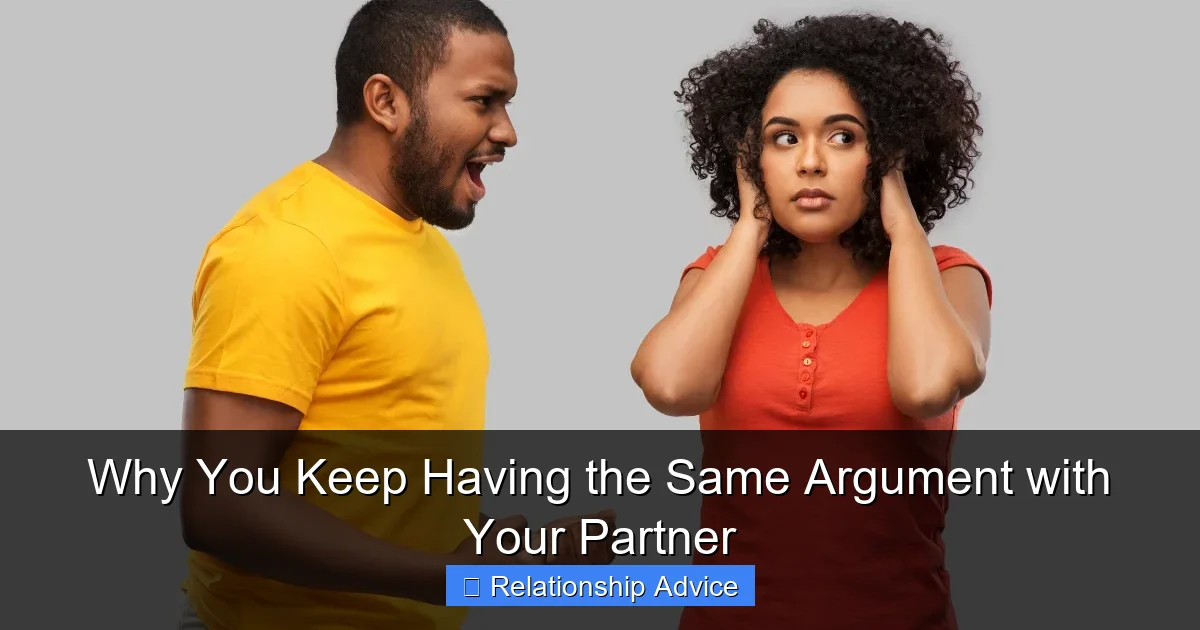
You’re not alone if you feel stuck in endless arguments with your partner. These recurring fights often stem from deeper emotional needs, unmet expectations, or communication breakdowns. Understanding the root cause is the first step toward lasting change. In this article, we explore common reasons behind repetitive arguments and offer actionable strategies to help you both move forward together.
Have you ever felt like you’re stuck in a loop—arguing about the same thing over and over, no matter how hard you try? Maybe it’s about chores, finances, or how much time you spend together. You talk, you explain, you even apologize, but then *bam*—the same issue flares up weeks later. It’s frustrating, exhausting, and can make you wonder: Why do we keep having the same argument with our partner?
Recurring arguments aren’t just annoying—they’re signals. They’re your brain’s way of saying, “Hey, something isn’t working.” But instead of tuning into that message, many couples keep shouting louder, thinking more noise will fix the problem. Spoiler alert: it doesn’t. In fact, it usually makes things worse.
This article dives deep into why you keep having the same argument with your partner. We’ll uncover the hidden causes behind these cycles, show you how to spot them, and give you practical tools to finally break free. Whether you’re dealing with daily annoyances or deeper emotional clashes, understanding the pattern is the key to lasting peace.
Key Takeaways
- Emotional triggers are often hidden: Recurring arguments usually point to unresolved feelings or unmet emotional needs, not just surface-level issues.
- Communication patterns repeat themselves: If you keep fighting about the same topic, it’s likely because your communication style hasn’t evolved to meet your current relationship needs.
- Fear of vulnerability prevents real connection: Avoiding deeper conversations can lead to frustration, which surfaces as repeated arguments on similar themes.
- Lack of empathy fuels misunderstandings: When both partners fail to see things from each other’s perspective, the same conflict keeps resurfacing.
- Unresolved past hurts influence present behavior: Old wounds may unconsciously drive new conflicts if they aren’t acknowledged and healed.
- Setting boundaries helps reduce friction: Healthy boundaries prevent resentment and give both partners space to express themselves without triggering old arguments.
- Seeking professional support can break the cycle: A therapist or counselor provides neutral guidance to help you both understand and resolve persistent conflicts.
📑 Table of Contents
The Hidden Patterns Behind Recurring Arguments
When you keep having the same argument with your partner, it’s rarely about the topic itself. Think about it: if you’ve fought about who left the dishes in the sink for the third time this month, the real issue might be deeper than dirty plates. It could be about responsibility, respect, or feeling unappreciated.
Why Do We Repeat the Same Fights?
Couples often fall into patterns without realizing it. These patterns form because both partners have learned (consciously or not) what gets attention, what feels safe, and what triggers a reaction. Over time, these behaviors become habits—even when they’re harmful.
For example, one partner might raise their voice when they feel ignored, while the other withdraws to avoid confrontation. This creates a cycle: raised voice → withdrawal → feeling unheard → more raising of voices. The argument about chores becomes a stand-in for the real issue: feeling disconnected.
Emotional Triggers vs. Surface Issues
Many people confuse emotional triggers with actual problems. Say you argue about money every time you go shopping together. On the surface, it’s about spending too much. But underneath, it might be about control, insecurity, or fear of financial instability. Without addressing the emotional layer, you’ll keep fighting over the same dollar amounts while missing the bigger picture.
Common Root Causes of Repeated Conflicts
Let’s get specific. Here are the most common reasons couples keep having the same argument:
1. Unmet Emotional Needs
We all have core emotional needs: validation, safety, appreciation, autonomy, and closeness. When these aren’t met, frustration builds. That frustration often comes out as anger during arguments. For instance, if you need quality time but your partner works late every night, you might blow up about “never seeing them,” even if they’re trying their best. The fight isn’t really about time—it’s about feeling loved and prioritized.
2. Poor Communication Habits
Do you interrupt your partner? Use sarcasm? Bring up past mistakes during a new argument? These habits make resolution impossible. One study found that couples who use contempt or criticism during fights are more likely to stay in unhappy relationships. Breaking these patterns takes awareness and practice.
Try this instead: When you notice yourself getting defensive, pause. Say, “I need a minute to collect my thoughts so I can hear you fully.” This small shift can prevent arguments from spiraling into familiar territory.
3. Fear of Vulnerability
Vulnerability means admitting you’re scared, unsure, or hurt. It’s scary because it opens you up to being misunderstood or rejected. So instead of saying, “I feel lonely when you’re on your phone all evening,” someone might snap, “You never pay attention to me!” The second statement sounds stronger but hides the vulnerable truth.
Over time, this fear leads to indirect attacks, passive-aggression, or shutting down entirely. And guess what? Those reactions only push your partner further away, making the same emotional distance arguments return again and again.
4. Unresolved Past Trauma
Sometimes, old wounds from childhood or previous relationships color how you react today. If your parent criticized your choices harshly growing up, you might interpret your partner’s suggestion as an attack—even if they meant well. These subconscious responses can turn minor disagreements into major battles about the same topics.
Working through trauma with a therapist can help you recognize these patterns and respond differently. Healing doesn’t erase pain, but it gives you tools to respond instead of react.
5. Different Love Languages
You might love receiving gifts, while your partner prefers acts of service. If you keep arguing about who’s “doing enough,” it could be because you’re speaking different love languages. One sees effort; the other sees neglect. Until you understand how your partner expresses (and receives) love, you’ll keep clashing over the same behaviors.
Learning about love languages isn’t about blame—it’s about connection. Once you know your partner’s primary language, you can ask for what they truly want instead of assuming.
How to Break the Cycle of Recurring Arguments
Now that you know why you keep having the same argument with your partner, here’s how to stop.
Step 1: Identify the Real Issue
Ask yourselves: What am I really needing when this happens? Is it reassurance? More input? Less criticism? Keep a journal for a week. Write down every time you argue and note the topic, your mood before the fight, and what you wished your partner would do differently.
After a few days, look for patterns. Do you always feel rushed? Undervalued? Anxious? These clues point to the underlying need.
Step 2: Practice Active Listening
Active listening means hearing not just words, but feelings and intentions. Instead of waiting to defend yourself, focus on understanding. Nod. Paraphrase: “So what I’m hearing is that you feel overwhelmed when I don’t help with bills?” Then ask: “Is that right?”
This simple technique reduces defensiveness and shows your partner you care about their experience—not just winning the argument.
Step 3: Set Gentle Reminders
When old arguments start creeping back, gently remind each other: “Remember how we talked about this last time? Let’s try something new.” This acknowledges progress while inviting cooperation.
You might say, “I know we’ve fought about this before. Can we pause and figure out what we both need right now?”
Step 4: Schedule Regular Check-Ins
Instead of waiting until emotions boil over, set aside 15 minutes weekly to talk about how things are going. Use open-ended questions like:
– “What’s one thing that made you feel supported this week?”
– “Is there anything you’d like us to adjust?”
These conversations prevent small issues from snowballing into big fights.
Step 5: Seek Outside Help When Needed
If you’ve tried everything and still find yourselves stuck, consider couples counseling. A neutral third party can help you communicate better, uncover hidden dynamics, and develop healthier ways to relate.
Therapy isn’t a sign of failure—it’s a commitment to growth.
Building a Healthier Relationship Dynamic
Breaking the cycle isn’t a one-time fix. It’s a journey. But with patience and practice, you can transform your relationship.
Cultivate Empathy Daily
Empathy isn’t about agreeing—it’s about understanding. Try putting yourself in your partner’s shoes. How would you feel if you were in their situation? Write a short letter from their perspective. This exercise builds compassion and reduces blame.
Create Shared Rituals
Simple routines—like cooking dinner together or taking a walk after work—build positive associations. Over time, neutral or joyful moments outweigh negative ones, making it easier to handle tough talks without falling into old patterns.
Practice Gratitude
Each day, name one thing you appreciate about your partner. Not because they fixed everything, but because they’re human. Gratitude shifts focus from what’s wrong to what’s right. It also rewires your brain to notice good things faster, reducing reactivity.
Forgive and Let Go
Holding onto grudges keeps you locked in past hurts. Forgiveness doesn’t mean forgetting or excusing bad behavior—it means releasing the hold it has on you. When you forgive, you free yourself from the cycle of repeating old wounds in new forms.
When to Consider Ending the Relationship
Not every recurring argument means the relationship is doomed. But sometimes, the same fights reveal fundamental incompatibilities. Ask yourself:
– Are we growing closer or farther apart?
– Do we respect each other’s boundaries?
– Is there mutual effort to improve?
If the answer is no, it may be time to explore whether this relationship supports your long-term happiness. There’s no shame in choosing peace over familiarity.
Remember, staying in a toxic cycle often does more harm than leaving. You deserve a partnership where you feel safe, seen, and valued—even during disagreements.
Final Thoughts: Progress Over Perfection
You won’t stop having disagreements—that’s normal. But you can stop repeating the same destructive patterns. Every argument is an opportunity to learn, grow, and deepen your bond. The goal isn’t to never fight; it’s to fight better.
Start small. Listen more. Speak with kindness. Be patient with yourselves. Healing takes time, but it’s worth it.
You’re not broken. Your relationship isn’t beyond repair. With awareness, courage, and a willingness to change, you can move beyond the same old arguments and build something stronger.
As you reflect on why you keep having the same argument with your partner, remember: you’re not failing. You’re learning. And every step forward counts.
—
Can recurring arguments be a sign of deeper relationship issues?
Yes, repeated arguments often signal underlying emotional needs, poor communication habits, or unresolved trauma. Ignoring them can lead to resentment. Addressing the root cause—rather than just the symptom—is key to long-term harmony.

Visual guide about Why You Keep Having the Same Argument with Your Partner
Image source: i.ytimg.com
How do I know if my partner and I are incompatible?
If you consistently disrespect each other, lack mutual effort to improve, or feel drained after interactions, incompatibility may be at play. Consider discussing concerns openly or seeking couples counseling to gain clarity.
What if my partner refuses to change?
You can only control your own actions and responses. Focus on setting healthy boundaries and practicing self-care. If your partner remains unwilling to engage in constructive dialogue, prioritize your well-being—even if it means reevaluating the relationship.
How long does it take to break an argument cycle?
It varies, but most couples see improvement within 6–12 weeks of consistent effort. Patience, humility, and daily practice are essential. Celebrate small wins along the way.
Should I stay in a relationship full of arguments?
Only you can decide based on your values and needs. Reflect on whether the relationship brings more joy than pain, whether both partners are committed to growth, and if you feel emotionally safe. Peace of mind matters more than staying out of habit.
How can I apologize effectively without repeating old patterns?
A sincere apology includes acknowledging harm, taking responsibility, and committing to change. For example: “I realize my tone hurt you. I’m sorry. From now on, I’ll pause when I feel angry so I can speak calmly.” Follow through with actions, not just words.
Frequently Asked Questions
What is Why You Keep Having The Same Argument With Your Partner?
Why You Keep Having The Same Argument With Your Partner is an important topic with many practical applications.
