
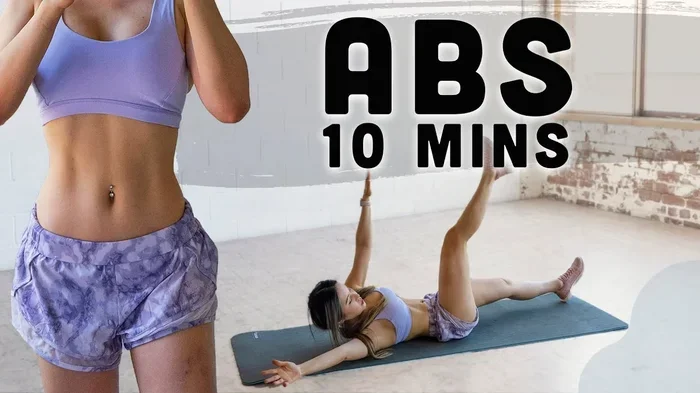
If you want a flat stomach, you need more than just crunches. The right workouts for a flat stomach combine core training, full-body movement, and smart recovery habits. In this guide, you will learn exactly how to build a strong midsection without wasting time on exercises that do not work. You will also discover how nutrition, sleep, and stress management play a huge role in revealing your results.
Many people search for workouts for a flat stomach because they want a leaner midsection and better confidence. It is a very common goal, and it is completely understandable. A toned belly can make clothes fit better, improve posture, and help you feel more comfortable in your own skin. But the truth is that getting a flat stomach is not just about doing hundreds of crunches every day. In fact, that approach often leads to frustration because it ignores the bigger picture.
Your stomach area is affected by several things, including body fat, muscle strength, bloating, posture, and even stress. That means the best results come from a balanced plan. You need exercises that strengthen your core, movements that help you burn calories, and daily habits that support your progress. When you combine all of these pieces, you give yourself a much better chance of reaching your goal without feeling stuck or overwhelmed.
This guide breaks everything down in a simple, practical way. You will learn which exercises actually help, how to structure your week, and what mistakes to avoid. You will also see how small lifestyle changes can make a big difference. If you stay consistent and keep your expectations realistic, you can build a stronger core and move closer to the flat stomach you want.
Key Takeaways
- Spot reduction is a myth: You cannot lose fat only from your belly by doing ab exercises alone.
- Core strength matters: A strong core improves posture, reduces back pain, and shapes your midsection.
- Cardio and strength training help: Full-body workouts burn more calories and support fat loss.
- Nutrition drives results: A balanced diet with enough protein and fiber supports your fitness goals.
- Consistency beats intensity: Regular movement and healthy habits create lasting changes over time.
- Sleep and stress matter: Poor rest and high cortisol levels can make belly fat harder to lose.
- Progress takes time: Visible results usually appear after weeks of steady effort, not days.
📑 Table of Contents
- Why Workouts For A Flat Stomach Need A Smart Approach
- The Best Types Of Workouts For A Flat Stomach
- How To Build A Weekly Routine
- Nutrition And Lifestyle Habits That Support Results
- Common Mistakes To Avoid
- Quick Tips For Better Results
- Expert Insights And Realistic Expectations
- Final Thoughts On Workouts For A Flat Stomach
Why Workouts For A Flat Stomach Need A Smart Approach
Before you jump into any routine, it helps to understand what is actually happening in your body. Many people believe that working the abs directly will melt belly fat. That idea is popular, but it is not accurate. Fat loss does not work in one specific spot just because you exercise that area. Instead, your body loses fat more evenly based on genetics, hormones, and overall energy balance.
That does not mean core training is useless. It is very useful. A strong core can improve your posture, support your spine, and make your midsection look more toned. It can also help you move better in daily life and during other workouts. So while ab exercises alone will not guarantee a flat stomach, they are still an important part of the process.
The smartest approach is to think about the whole body. You want to reduce overall body fat, build lean muscle, and strengthen the muscles around your waist. At the same time, you want to avoid habits that cause bloating or sluggish progress. When you view your goal this way, workouts for a flat stomach become part of a bigger wellness plan, not a magic fix.
Core Strength vs. Belly Fat
It is helpful to separate two different goals that often get mixed together. One goal is building core strength. The other goal is reducing belly fat. Both matter, but they are not the same thing. Core strength comes from training the muscles in your abdomen, back, hips, and pelvis. Belly fat reduction comes from a combination of nutrition, activity, sleep, and time.
If you only focus on one side, progress can feel slow. For example, someone may do plenty of ab workouts but ignore nutrition and overall movement. Another person may eat well and do cardio but never train the core directly. In both cases, the result may not match the effort. A balanced plan gives you the best chance of success.
What A Flat Stomach Really Looks Like
A flat stomach does not always mean the same thing for everyone. For some people, it means a lean, visible midsection. For others, it simply means less bloating and a flatter feel throughout the day. Your natural body shape, bone structure, and fat distribution all play a role. That is why comparison can be discouraging. Your progress should be measured by how you feel, how your clothes fit, and how strong you are becoming.
It also helps to remember that a completely flat stomach all day is not always realistic or healthy. Digestion, hydration, and normal hormonal changes can cause temporary fullness. That is normal. What matters most is long-term consistency and healthy habits.
The Best Types Of Workouts For A Flat Stomach
If you want results, your routine should include more than one type of movement. The most effective workouts for a flat stomach usually combine core training, strength work, and cardiovascular exercise. Each one supports the other. Core work shapes and stabilizes your midsection. Strength training helps build muscle and support metabolism. Cardio helps you burn calories and improve heart health.

Visual guide about woman doing flat stomach workout
Image source: i.ytimg.com
You do not need to do every exercise imaginable. You just need a simple mix that you can repeat consistently. Below are the main types of training to include.
Core Focused Exercises
Core exercises should be a regular part of your plan. These movements train the muscles that support your belly, back, and hips. A strong core can make your stomach appear tighter and help you stand taller. It can also reduce the chance of discomfort during other activities.
Good core exercises include:
- Planks: A simple way to train the entire core without excessive spinal movement.
- Dead bugs: A controlled movement that helps coordinate the abs and hips.
- Bird dogs: A stability exercise that strengthens the back and core together.
- Leg lowers: A useful move for the lower abdominal area when done with control.
- Russian twists: A rotation exercise that can help with oblique strength.
- Mountain climbers: A dynamic move that combines core work with light cardio.
When you do these exercises, focus on control. Fast, sloppy reps often work the wrong muscles. Slow, steady movements usually give better results. It also helps to breathe properly. Exhale during the hard part of the movement and keep your core gently engaged.
Full Body Strength Training
Strength training is one of the most helpful tools for long-term fat loss and body composition. It helps you build muscle, which can support a healthier metabolism over time. It also improves how your body uses energy during the day. You do not need to lift heavy weights to benefit. Bodyweight exercises can be a great starting point.
Useful strength movements include:
- Squats: A basic lower-body move that also requires core stability.
- Lunges: A single-leg exercise that improves balance and strength.
- Push-ups: A upper-body move that also engages the core.
- Glute bridges: A simple hip exercise that supports posterior chain strength.
- Dumbbell rows: A back exercise that helps with posture and balance.
The key is to choose movements you can perform well. Good form matters more than big numbers. If you are new to strength training, start with two or three sessions per week and build from there. As you get stronger, your body may become more toned, and your midsection may look more defined as overall body fat decreases.
Cardio That Supports Fat Loss
Cardio can be a helpful addition, especially if your goal is to burn more calories. It also improves endurance and makes daily movement feel easier. You do not need extreme sessions to see benefits. Moderate, consistent cardio often works better than occasional hard workouts that leave you too tired to continue.
Popular options include:
- Brisk walking: Easy to start and simple to maintain.
- Jogging or running: More intense, but effective for calorie burn.
- Cycling: Gentle on the joints and easy to adjust in intensity.
- Swimming: A full-body workout that feels refreshing.
- Dance or group classes: Fun and motivating for many people.
A mix of steady cardio and shorter higher-intensity sessions can work well for many people. For example, you might walk most days and add one or two faster workouts each week. The best cardio is the one you will actually do consistently.
How To Build A Weekly Routine
A good routine should feel realistic, not exhausting. If your plan is too hard, you may quit quickly. If it is too easy, you may not see progress. The sweet spot is a schedule you can repeat without dreading it. For many people, a simple mix of core work, strength training, and cardio works well.

Visual guide about woman doing flat stomach workout
Image source: cdn.mos.cms.futurecdn.net
Here is one example of how a week could look:
- 2 to 3 core sessions: Short workouts that focus on stability and control.
- 2 to 3 strength sessions: Full-body movements that challenge multiple muscle groups.
- 3 to 5 cardio sessions: Walking, cycling, jogging, or other aerobic activity.
- 1 to 2 rest or light recovery days: Time to let your body recover.
You can adjust this based on your time and energy. Some people prefer shorter daily workouts. Others prefer longer sessions fewer days per week. Both can work if they fit your life. The main goal is consistency.
Sample Core Routine
A simple core session does not need to be long. Ten to twenty minutes is often enough, especially if you are also doing strength and cardio. You can try a sequence like this:
- Warm-up: A few minutes of light movement and deep breathing.
- Plank hold: Hold for a comfortable time while keeping good form.
- Dead bugs: Perform several slow reps on each side.
- Bird dogs: Focus on balance and control.
- Leg lowers or modified leg lowers: Move slowly and avoid arching your back.
- Mountain climbers or standing knee drives: Add a little movement and breathing challenge.
If you are a beginner, reduce the difficulty. For example, you can do planks on your knees or shorten the hold time. If you are more advanced, you can add time, reps, or slightly harder variations. Progress should feel steady, not rushed.
How To Progress Without Burning Out
One common mistake is trying to do too much too soon. That usually leads to soreness, fatigue, or frustration. A better approach is to make small changes over time. You might add one more rep, hold a plank a little longer, or walk a little farther each week. Small improvements add up.
It also helps to listen to your body. Some muscle soreness is normal, but sharp pain is not. If something feels wrong, stop and adjust. Rest is part of progress, not a failure. When you train smart, workouts for a flat stomach become easier to maintain over the long run.
Nutrition And Lifestyle Habits That Support Results
Exercise is important, but it is only one piece of the puzzle. What you eat, how you sleep, and how you manage stress all affect your midsection too. Many people underestimate these factors. They spend hours training but forget that daily habits can either support or slow their progress.
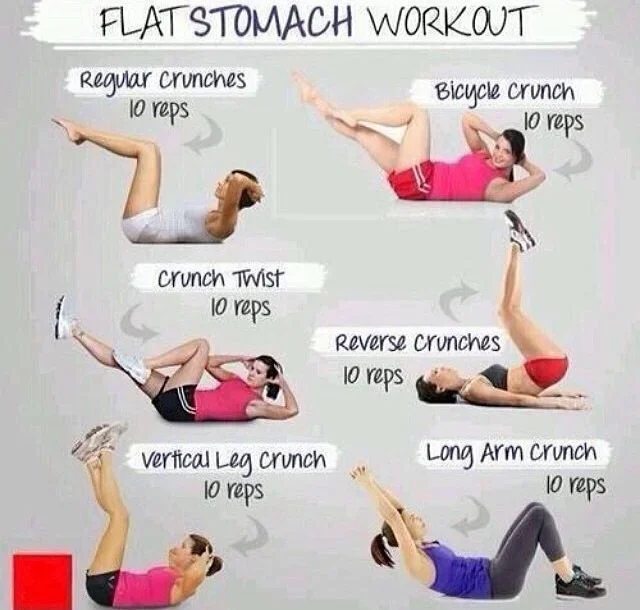
Visual guide about woman doing flat stomach workout
Image source: i.pinimg.com
You do not need a perfect diet to see results. You just need a steady, balanced approach. Focus on foods that help you feel full, energized, and satisfied. Try to limit habits that leave you overly hungry, bloated, or tired.
Food Choices That Help
A helpful eating pattern usually includes enough protein, fiber, and water. Protein supports muscle repair and helps you stay full. Fiber supports digestion and can make meals more satisfying. Water helps your body function well and can reduce the feeling of bloating caused by dehydration.
Helpful habits may include:
- Eating more whole foods: Vegetables, fruits, beans, eggs, fish, poultry, tofu, and whole grains can be a strong base.
- Watching portion sizes: Even healthy foods can stall progress if you eat far more than your body needs.
- Reducing sugary drinks: Liquid calories can add up quickly without making you feel full.
- Choosing balanced snacks: Pair protein with fiber or healthy fats for better satisfaction.
- Eating slowly: This can help you notice fullness cues and avoid overeating.
It is also wise to pay attention to foods that cause you personal discomfort. Some people feel bloated after certain meals, even if the food is healthy. If that happens, notice the pattern and adjust. A flat stomach is easier to maintain when digestion feels comfortable.
Sleep, Stress, And Belly Fat
Sleep and stress are often overlooked, but they matter a lot. Poor sleep can affect hunger, energy, and recovery. High stress can make it harder to stay consistent and may influence how your body stores fat. When you are exhausted, it is also harder to make healthy choices.
Simple ways to support better rest and lower stress include:
- Keeping a regular sleep schedule: Going to bed and waking up at similar times can help.
- Creating a calming bedtime routine: Reduce screens, dim lights, and relax before sleep.
- Taking short breaks during the day: A few minutes of walking, breathing, or stretching can help.
- Managing your workload when possible: Break big tasks into smaller steps.
- Choosing activities that help you unwind: Reading, gentle movement, music, or time outdoors can help.
These habits may seem small, but they can make your fitness efforts much more effective. When your body is better rested and less stressed, it is easier to stay active and make thoughtful food choices.
Common Mistakes To Avoid
Even with good intentions, it is easy to fall into habits that slow progress. Knowing these mistakes ahead of time can save you a lot of frustration. Below are some of the most common ones people make when searching for workouts for a flat stomach.
Doing Only Ab Exercises
This is one of the biggest mistakes. Ab workouts are helpful, but they are not enough on their own. If you only train your core and ignore strength training, cardio, nutrition, and recovery, your results will likely be limited. Think of ab work as one part of a larger plan.
Expecting Fast Changes
Many people want quick results, but lasting changes usually take time. Your body does not transform overnight. It needs steady effort, patience, and repetition. If you expect dramatic changes in a few days, you may feel discouraged too soon. A better mindset is to focus on weekly progress instead of daily perfection.
Training Too Hard Without Recovery
More is not always better. If you train hard every day without rest, your body may struggle to recover. That can lead to fatigue, soreness, and lower motivation. Recovery helps your muscles adapt and helps you keep showing up. Rest days are not wasted time. They are part of the process.
Ignoring Form And Breathing
Poor form can reduce the effectiveness of an exercise and increase discomfort. For core work, it is especially important to avoid pulling on your neck or arching your back excessively. Breathing also matters. If you hold your breath too much, the movement may feel harder than it needs to be. Slow, controlled reps with good breathing usually work better than rushed movements.
Comparing Yourself To Others
It is easy to look at social media or other people and feel behind. But everyone has a different body, lifestyle, and starting point. Comparing your progress to someone else’s can make the journey feel harder than it is. Focus on your own consistency, your own measurements, and your own how-you-feel markers.
Quick Tips For Better Results
If you want to keep things simple, these quick tips can help you stay on track:
- Start small: A few focused workouts each week are better than an overwhelming plan.
- Stay consistent: Regular movement matters more than occasional intense sessions.
- Combine training types: Use core work, strength training, and cardio together.
- Eat with balance in mind: Protein, fiber, and hydration can support your goals.
- Track progress in multiple ways: Notice strength, energy, clothing fit, and confidence, not just the scale.
- Be patient: Give your body time to respond to your efforts.
These tips may sound simple, but simple is often what works best. You do not need a complicated routine to make meaningful progress. You need a plan you can stick with and a mindset that allows for steady growth.
Expert Insights And Realistic Expectations
Many fitness experts agree that the best results come from a balanced, sustainable approach. That means training your core, moving your body regularly, and supporting your efforts with good daily habits. It also means accepting that progress is not always linear. Some weeks you may feel stronger. Other weeks your weight or bloating may shift in ways that are normal and temporary.
It helps to remember that a flat stomach is not the only sign of health or fitness. You can be strong, capable, and healthy at many different body sizes. The goal should be to feel better, move better, and build habits that support your long-term well-being. When you focus on that bigger picture, workouts for a flat stomach become part of a healthier lifestyle instead of a stressful chase.
If you are just starting out, keep your plan basic. Choose a few core exercises, add some full-body strength work, and include regular movement you enjoy. Give yourself time to improve. The people who see the best results are usually the ones who stay steady, adjust when needed, and do not give up after a slow week.
Final Thoughts On Workouts For A Flat Stomach
Getting a flatter stomach is absolutely possible for many people, but it works best when you take a complete approach. That means training your core, building full-body strength, moving your body with cardio, and supporting everything with good nutrition, sleep, and stress care. No single exercise will do all the work. The real progress comes from the combination of all these habits over time.
If you stay consistent, focus on form, and avoid the common mistakes that cause burnout, you will give yourself a much better chance of success. Keep your expectations realistic, celebrate small improvements, and remember that your health and confidence matter just as much as appearance. With patience and steady effort, workouts for a flat stomach can help you build a stronger core and feel more comfortable in your body.
Frequently Asked Questions
Do ab workouts alone give you a flat stomach?
No, ab workouts alone usually do not create a flat stomach. They can strengthen your core and improve posture, but fat loss depends on overall activity, nutrition, and consistency. A balanced routine works better than focusing only on the abs.
How often should I do workouts for a flat stomach?
For many people, doing core work two to three times a week is a good starting point. You can also add strength training and cardio on other days. The best schedule is one you can keep doing without burning out.
Can cardio help reduce belly fat?
Cardio can help you burn more calories, which may support overall fat loss over time. It works best when combined with strength training and healthy eating. Walking, cycling, and swimming are all good options for many people.
Why is my stomach not flattening even though I exercise?
That can happen for several reasons, including overall body fat, bloating, poor sleep, stress, or inconsistent nutrition. It may also take longer than you expect to see changes. Looking at your whole routine usually helps more than changing just one exercise.
What are the best beginner exercises for a flat stomach?
Beginner-friendly options include planks, dead bugs, bird dogs, glute bridges, and walking. These movements are easier to control and help you build strength safely. Start with short sessions and increase slowly as you get more comfortable.
How long does it take to see results from workouts for a flat stomach?
Results vary by person, but many people notice small changes after a few weeks of consistent effort. More visible changes often take longer, especially if your goal includes fat loss. Patience and steady habits are usually the biggest factors.
