
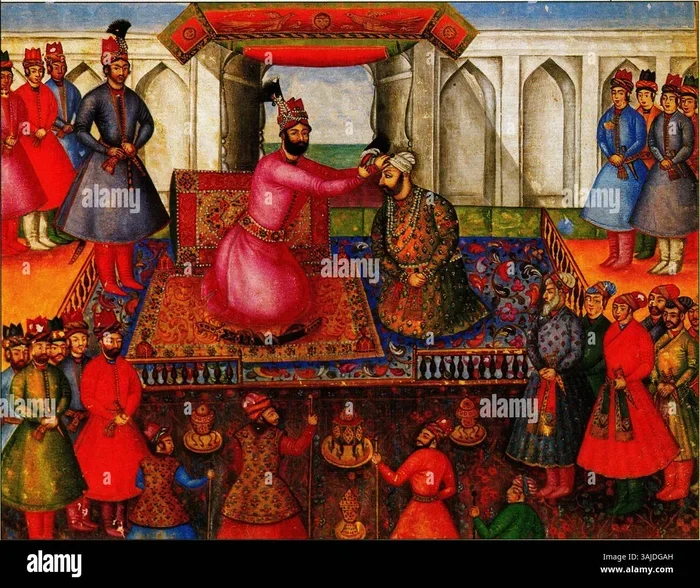
The women who wrote the destiny of Nader Shah played crucial roles in his rise to power and eventual downfall. From his mother to his wives, these figures influenced his decisions, loyalty, and legacy. Understanding their impact reveals the human side of a legendary conqueror.
This is a comprehensive guide about Women Who Wrote The Destiny Of Nader Shah.
Key Takeaways
- Maternal Influence: Nader Shah’s mother provided early guidance and stability during his turbulent youth.
- Political Alliances: Marriages were used to secure loyalty and strengthen military bonds.
- Royal Consorts: Wives managed estates and supported logistics during long campaigns.
- Emotional Ties: Personal relationships often conflicted with strategic military goals.
- Legacy Shaping: Women preserved stories and traditions after the empire fragmented.
- Power Dynamics: Gender roles in the 18th century limited but did not erase female influence.
- Historical Records: Accounts vary, but women consistently appear in key moments of his life.
[FEATURED_IMAGE_PLACEHOLDER]
Introduction
History often remembers the generals and kings. We talk about battles, swords, and empires. But behind every great leader, there are people who shape their path. For Nader Shah, one of the most famous warriors of the eighteen century, those people included several important women. Their stories are not always loud, but they matter.
When we look at the life of Nader Shah, we see a man of great ambition. He rose from a humble background to rule a massive empire. Yet, his journey was not a solo trip. Family, wives, and female relatives played parts in his success. They offered support, made connections, and sometimes warned him of danger. This article explores those hidden figures. It shows how personal bonds mixed with political power.
Understanding these relationships helps us see history more clearly. It reminds us that leaders are human. They have mothers, partners, and friends. These connections can build a legacy or break it. Let us dive into the lives of the women who wrote the destiny of Nader Shah.
The Mother Who Shaped a Conqueror
Every great leader starts with a foundation. For Nader Shah, that foundation was his family. His mother played a key role in his early years. She taught him values and gave him strength. In a time of chaos, her presence was a steady force.
Early Life and Guidance
Nader Shah was born into a difficult world. Persia was divided and weak. Local warlords fought for control. His family faced many hardships. His mother worked hard to keep them safe. She taught him courage and patience. These lessons stayed with him forever.
She also helped him understand people. Leadership is about knowing others. She showed him how to earn trust. This skill became vital later. When he gathered followers, he knew how to treat them. He learned that respect matters more than fear. This wisdom came from home.
Survival During Hard Times
The early years were full of danger. Enemies hunted his family. His mother had to be smart. She moved them often. She hid their true status. This kept them alive. Her actions allowed Nader Shah to grow strong. Without her protection, he might not have survived to lead armies.
Her influence did not stop when he became king. He remembered her lessons. He carried her advice into battle. Many historians note his deep respect for family. This respect started with his mother. She was the first architect of his character.
Women Who Wrote The Destiny Of Nader Shah Through Marriage
Marriage in the eighteen century was not just about love. It was about power. Alliances were built through weddings. Nader Shah used marriage to secure his rule. His wives connected him to other leaders. These bonds helped him win wars.
Political Alliances and Loyalty
Each marriage brought new supporters. When he married a woman from a strong family, he gained their army. This was a common strategy. It reduced enemies and increased friends. His wives often acted as bridges. They smoothed tensions between groups.
Some wives came from noble lines. Others were chosen for their skills. A smart wife could manage resources. She could handle disputes. This freed Nader Shah to focus on war. Her work behind the scenes was essential. It kept the empire running.
The Role of Royal Wives
Royal wives had duties beyond the home. They managed estates and stores. They oversaw servants and supplies. During campaigns, they organized logistics. Food and water had to reach the troops. A well-run household meant a well-fed army.
They also served as advisors. Sometimes they warned him of plots. They heard rumors first. Their networks gave them information. He listened to some of these warnings. This shows he valued their insight. The women who wrote the destiny of Nader Shah often worked in the shadows. Their quiet efforts shaped big outcomes.
The Influence of Female Relatives on Power and Politics
Power is not only held by men. Women in the royal family also held sway. Sisters, aunts, and daughters all played parts. They moved through courts and camps. They spoke to commanders and officials. Their words carried weight.
Networks of Influence
Female relatives built wide networks. They talked to other women in powerful homes. Information traveled fast through these channels. A sister might learn about a rebellion early. She could pass the news to Nader Shah. This early warning saved lives.
These women also mediated conflicts. When two commanders argued, a female relative might step in. She could calm tensions. Her status gave her authority. People respected her position. This helped keep the army united. Unity was key to victory.
Protection and Patronage
Women also protected others. They used their status to help the weak. A mother or sister could shield a servant from abuse. They granted favors to loyal followers. This built deep loyalty. People fought harder for those who cared for them.
Patronage was another tool. Women supported artists and scholars. They funded buildings and schools. This created a legacy beyond war. It showed that the empire valued culture. These acts softened the image of a fierce ruler. They added depth to his reign.
How Personal Relationships Impacted Military Campaigns
War changes everything. Long campaigns strain relationships. Nader Shah spent years away from home. This distance created stress. His personal bonds were tested. Sometimes love clashed with duty.
Absence and Strain
When a leader is gone, others must step up. Wives and relatives managed the home front. They dealt with shortages and fears. They kept things stable. This was hard work. The stress could lead to friction. Misunderstandings grew in the silence.
Some relationships suffered. Trust could break down. If messages were delayed, doubt crept in. This affected decision-making. A worried mind makes poor choices. Nader Shah had to balance his heart and his mission. This was a constant struggle.
Support During Victory and Defeat
Victory brought joy, but also pressure. Celebrations required planning. Women helped organize events. They managed guests and gifts. This kept the court functioning. After defeat, they provided comfort. They reminded him of his goals. Their support helped him recover.
The women who wrote the destiny of Nader Shah were there in both highs and lows. They did not run from hard times. They stood by him. This loyalty mattered. It gave him the strength to keep going. Even when the empire shook, these bonds held firm.
The Legacy Left by the Women Behind the Throne
Empires fall, but stories remain. The women of Nader Shah’s life left a mark. Their influence survived the collapse. Historians still study their roles. Their lives show the power of quiet strength.
Preserving History and Culture
After the empire broke apart, women kept traditions alive. They passed down stories to children. They remembered the good deeds. They also remembered the mistakes. This oral history shaped later views. It added nuance to the record.
They also protected artifacts. Letters, jewelry, and books were saved. These items tell us about daily life. They show the human side of history. Without these efforts, we would know less. Their care preserved the past for us.
Lessons for Modern Readers
Today, we can learn from these women. They show that influence comes in many forms. You do not need a sword to change history. You can use wisdom, connections, and care. Small actions add up over time.
They also teach us about balance. Power requires support. No one succeeds alone. Building strong relationships matters. Trust and respect are key. These lessons apply to life today. Whether in work or family, bonds shape outcomes.
Common Mistakes When Studying Historical Female Figures
History can be tricky. We often miss the women. We focus on battles and kings. This leaves gaps in our understanding. Here are some common errors to avoid.
Overlooking Quiet Contributions
Many assume women did nothing important. This is false. They managed homes, networks, and resources. Their work enabled the public success. Ignoring this gives a wrong picture. Always look for the behind-the-scenes roles.
Assuming No Agency
Some think women had no power. This is also wrong. They made choices and used influence. They negotiated and protected others. They had agency within their limits. Recognize their active roles.
Relying on One Source
Records from that time are sparse. One account may be biased. Always check multiple sources. Compare different views. This gives a fuller story. It helps you see the real people behind the myths.
Expert Insights on Gender and Power in the Eighteen Century
Experts study these dynamics closely. They note how gender shaped power. Women worked within social rules. They found ways to act. Their methods were subtle but effective.
Subtle Influence Over Open Power
Open power was rare for women. But subtle influence was common. They used family ties and social norms. They spoke through intermediaries. This allowed them to shape events. It was a smart approach.
The Value of Emotional Intelligence
Emotional intelligence was a key skill. Women often managed relationships. They understood moods and motives. This helped in negotiations. It also helped in crisis moments. Leaders who valued this gained an edge.
Reassessing Historical Narratives
Modern scholars are reassessing old stories. They look for female voices. They read between the lines. This brings new insights. It shows a richer history. The women who wrote the destiny of Nader Shah are getting more attention now.
Key Takeaways for Understanding Hidden Historical Influences
As we wrap up, remember these points. History is full of unseen hands. Women played vital roles in many eras. Their stories deserve space. Here is what to keep in mind.
- Look beyond the battlefield: Success depends on support systems.
- Value quiet work: Management and care enable public achievements.
- Respect agency: Women made choices within their context.
- Check multiple sources: Bias can hide important facts.
- See the human side: Leaders have families and bonds.
- Learn from the past: Relationships shape outcomes in any age.
- Honor the legacy: Preservation keeps history alive.
Conclusion
The story of Nader Shah is often told as a tale of war. But it is also a story of people. The women who wrote the destiny of Nader Shah helped shape his path. They gave him strength, wisdom, and support. Their roles were varied and vital. From his mother’s early lessons to the strategic marriages, each bond mattered.
When we study history, we should look at the whole picture. Leaders do not rise alone. They stand on the shoulders of many. Some are famous, and some are not. The women behind the throne deserve recognition. Their lives show the power of influence in all forms.
As you reflect on this history, think about your own life. Who shapes your path? Who supports your goals? Strong relationships matter. They build resilience and success. The past teaches us this truth. Let it guide your future.
Frequently Asked Questions
Did Nader Shah have a powerful mother?
Yes, his mother played a key role in his early life. She taught him values and helped the family survive hard times. Her guidance shaped his character and leadership style.
How did marriage affect Nader Shah’s rule?
Marriage served as a political tool to build alliances. Each union brought new supporters and strengthened his military base. His wives also managed resources and offered strategic advice.
Did women hold any official power in his empire?
Open official power was limited for women in that era. However, they exercised influence through family networks and social roles. Their subtle actions impacted decisions and stability.
What happened to the women after Nader Shah’s death?
Many faced uncertain times as the empire fragmented. Some worked to preserve family stories and assets. Their efforts helped keep cultural memory alive for future generations.
Are there reliable records about these women?
Records are sparse and sometimes biased. Historians compare multiple sources to piece together their lives. Oral traditions and family accounts also add valuable details.
Why is it important to study the women behind historical leaders?
It gives a fuller and more human view of history. It shows how support systems enable success. It also highlights the diverse ways people shape events.
