
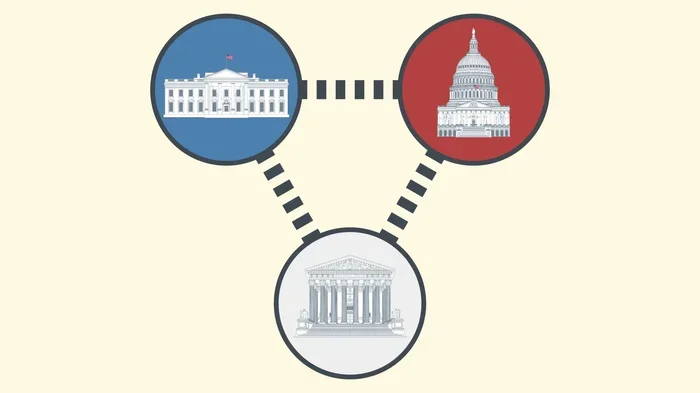
Separation of powers is the backbone of a healthy democracy because it stops any single group from grabbing too much control. When government duties are split into clear branches, leaders must answer to each other and to the people. This structure protects individual rights, encourages fair decision-making, and keeps the system balanced. Understanding why separation of powers is important helps you see how freedom survives in modern societies.
Democracy works best when no single person holds all the cards. That simple idea is the heart of separation of powers, a system that divides government duties into separate branches. Instead of one leader making every rule, enforcing every law, and judging every dispute, the work gets shared. This sharing creates a natural balance that protects everyday people from sudden abuse of authority.
You might wonder why this idea still matters today. The answer is simple. When power sits in one place, mistakes grow faster and fairness disappears quicker. A divided government slows things down on purpose. That slowdown gives citizens time to speak up, ask questions, and demand better choices. It also helps different parts of society feel heard instead of ignored.
In this guide, we will break down why separation of powers is important for a free society. We will look at how the system works, why it protects basic rights, and what happens when the balance slips. You will also find practical examples, common mistakes to watch for, and clear tips for understanding how this structure shapes daily life.
Key Takeaways
- Power is divided on purpose: splitting government roles prevents one person or group from ruling alone.
- Checks and balances keep leaders honest: each branch can limit the others, which reduces abuse of authority.
- Individual rights stay safer: independent courts and lawmaking bodies protect citizens from unfair rules.
- Democracy lasts longer: shared power creates stability and lowers the risk of sudden tyranny.
- Clear responsibilities improve decisions: specialized branches focus on their own jobs instead of mixing everything together.
- Public trust grows when rules are fair: people feel more confident when no single leader controls every outcome.
- A strong constitution guides the system: written rules make sure power stays where it belongs.
📑 Table of Contents
- How Separation Of Powers Protects Democratic Freedom
- The Role Of Checks And Balances In Government
- Why Independent Courts Are Essential For Justice
- How Divided Power Prevents Abuse Of Authority
- Why Shared Responsibility Strengthens Public Trust
- What Happens When The Balance Of Power Breaks
- Key Takeaways For Understanding Democratic Structure
How Separation Of Powers Protects Democratic Freedom
Freedom does not survive by accident. It needs a structure that limits control and spreads decision-making across different groups. That is exactly what separation of powers aims to do. By giving each branch its own role, the system makes it harder for any one leader to dominate the whole process.
Think about everyday life for a moment. If one person controlled the rules, the police, and the courts, citizens would have very little protection. They could not appeal bad decisions. They could not question unfair laws. They would have to trust a single authority with everything. That kind of setup leaves room for bias, pressure, and sudden changes in direction.
A divided system works differently. Lawmakers write the rules. Executives carry them out. Courts review them. Each part has a clear job, and each part can push back when something looks wrong. This structure does not just organize government work. It also protects the public from concentrated control.
Why Splitting Authority Matters In Daily Life
You may not notice this system on a normal day, but it affects many small moments. A new law gets debated before it passes. A government action gets reviewed before it becomes final. A complaint gets heard before a ruling is made. These steps may seem slow, but that slowness is a feature, not a bug.
Here are a few reasons this setup helps ordinary people:
- More voices get heard: different branches create more chances for public input.
- Fewer rushed decisions: review steps reduce impulsive rule-making.
- Better protection from bias: independent judges can question unfair actions.
- Clearer accountability: leaders cannot hide behind one unified system.
When people ask why separation of powers is important, the answer often comes down to everyday protection. The system is designed to keep power from becoming too personal, too tight, or too absolute.
Quick Tip: Watch How Decisions Are Made
A good way to understand this system is to follow one policy from start to finish. Ask who proposed it, who approved it, and who reviewed it. If several independent parts had a say, the structure is working as intended.
The Role Of Checks And Balances In Government
Separation of powers and checks and balances work hand in hand. The first idea divides responsibilities. The second idea gives each branch tools to limit the others. Together, they create a system where power stays visible and controllable.
This matters because power can be tempting. Leaders may want to move faster, silence criticism, or ignore limits. Checks and balances slow that impulse down. They force negotiation, review, and public explanation. That process is not always comfortable, but it is one of the strongest guards against abuse.
How Each Branch Limits The Others
In a typical democratic system, the branches interact in practical ways. One branch may propose laws, another may approve or reject them, and another may interpret how they apply. None of them sits entirely above the rest. That arrangement keeps the system from tipping too far in one direction.
Here is a simple look at how that interaction often works:
- Lawmakers create rules, but they usually cannot enforce them alone.
- Executives carry out policies, but they usually need approval for major actions.
- Courts review disputes, but they depend on respect for their rulings.
This back-and-forth may feel messy at times, but the mess is part of the design. A system with checks and balances makes it harder for one side to win everything at once. It encourages compromise and forces leaders to explain themselves.
Common Mistake: Assuming Slow Means Broken
People sometimes think a slow government is a failing government. That is not always true. Delays can mean review, debate, and caution. Of course, too much delay can become a problem, but some friction is healthy. The goal is balance, not speed at any cost.
Why Independent Courts Are Essential For Justice
A strong democracy needs more than loud debates and active leaders. It also needs a calm, independent place where disputes can be settled fairly. Courts play that role. They review conflicts, interpret rules, and help keep power within set limits.
When courts stay independent, citizens gain a place to challenge unfair treatment. They do not have to rely on the goodwill of the people in charge. They can ask for a neutral review. That possibility matters a lot, especially when disagreements involve government actions or basic rights.
What Independent Judging Looks Like In Practice
Independent courts do not simply follow the loudest opinion. They look at the rules, the facts, and the legal process. That does not mean every decision will please everyone. It does mean the process stays focused on law rather than pressure.
A few signs of a healthy judicial role include:
- Clear procedures: cases follow known rules instead of secret standards.
- Respect for precedent: past decisions help guide future ones.
- Protection from outside pressure: judges can review cases without fear of punishment.
- Access for ordinary people: disputes can be brought forward by citizens, not just officials.
This is another reason why separation of powers is important. When the judicial branch stands apart, it can serve as a steady checkpoint. It helps keep the system from drifting into one-sided control.
Expert Insight: Justice Needs Time And Independence
Fair review cannot happen when decisions are rushed or shaped by outside demands. Courts need room to think, compare evidence, and apply the law carefully. That is why judicial independence is such a valuable part of democratic design.
How Divided Power Prevents Abuse Of Authority
Abuse of authority rarely starts with a dramatic moment. More often, it starts with small steps. A leader ignores a limit. A rule is applied unevenly. A complaint is brushed aside. Over time, those small steps can add up. A divided system makes that progression harder.
When responsibilities are shared, one branch cannot easily rewrite the whole game. Another branch can question the move. Another can slow it down. Another can demand a clearer reason. These limits do not make abuse impossible, but they make it more difficult and more visible.
Warning Signs That Power Is Becoming Too Concentrated
It helps to know what concentrated power can look like. The signs are not always obvious at first, but they often show up in patterns. Watch for these clues:
- Decisions made without review: important choices skip normal checks.
- Rules changed to help one side: policies shift to benefit a narrow group.
- Criticism treated as a threat: questions are pushed away instead of answered.
- One branch overshadows the rest: the others are weakened or ignored.
These patterns matter because they show why separation of powers exists in the first place. The system is built to keep power from gathering in one place for too long.
Quick Tip: Compare The Branches, Not Just The People
When evaluating a government, look at the structure, not only at personalities. A good leader in a weak system can still leave citizens vulnerable. A balanced system gives the public more protection, even when leaders change.
Why Shared Responsibility Strengthens Public Trust
Trust does not come from perfection. It comes from fairness, openness, and the sense that no one is above the rules. A system that divides power can support that feeling. People are more likely to trust a process when they see different parts working, reviewing, and answering to one another.
This is especially important in a diverse society. Not everyone agrees on every issue. Not everyone benefits from the same policy in the same way. A shared system gives more room for disagreement without turning every conflict into a power struggle.
How Transparency Fits Into The Picture
Transparency and divided power work well together. When decisions move through several stages, they are easier to follow. People can see who proposed a rule, who questioned it, and who finalized it. That visibility does not solve every problem, but it makes manipulation harder.
A few transparency habits that support trust include:
- Open debates: people can hear the reasons behind choices.
- Public records: decisions leave a trace that others can review.
- Clear explanations: leaders say why they acted a certain way.
- Accessible appeals: citizens can challenge outcomes through known channels.
When people understand why separation of powers is important, they often see that trust is not built by giving one leader total control. Trust grows when responsibility is shared and review is normal.
Common Mistake: Confusing Unity With Health
A government that looks unified may seem efficient, but unity can hide imbalance. Healthy systems often show disagreement, revision, and negotiation. Those features can be frustrating, but they also show that more than one voice has real influence.
What Happens When The Balance Of Power Breaks
No system stays perfect forever. Laws can be stretched. Norms can weaken. Leaders can test boundaries. When the balance of power slips, the effects can spread quickly. One branch may start acting like the others do not matter. Rules may be treated as suggestions. Public confidence may begin to fade.
This is why maintaining the structure matters so much. A democracy is not preserved by a single document or a single election. It is preserved by habits, institutions, and a willingness to respect limits even when it would be easier not to.
How Citizens Can Help Protect The System
People often think protecting democracy is only for officials or experts. That is not true. Ordinary citizens play a real role by staying informed, asking questions, and supporting fair processes. Small actions matter when they happen consistently.
Helpful habits include:
- Learning the basics: understand what each branch is supposed to do.
- Following major decisions: pay attention to how policies move through the system.
- Supporting independent review: value courts, audits, and public oversight.
- Speaking up early: raise concerns before small problems grow larger.
These actions connect back to the core idea. When citizens understand why separation of powers is important, they are more likely to notice when the balance is threatened and more likely to defend it.
Expert Insight: Systems Fail When People Stop Caring
Institutions can weaken when people treat them as background noise. A healthy democracy needs more than formal rules. It needs people who notice, question, and respect the process enough to defend it.
Key Takeaways For Understanding Democratic Structure
If you want a simple way to remember this topic, focus on the main purpose. Separation of powers exists to spread authority, slow down rash actions, and protect people from concentrated control. It is not a perfect system, but it gives democracy a much stronger foundation than one-person rule.
Here is the core message:
- Balance matters more than speed: review and limits protect long-term freedom.
- Independent branches reduce risk: no single group can control everything.
- Fair review protects rights: courts and oversight help keep decisions honest.
- Public awareness keeps the system alive: informed citizens notice imbalance sooner.
- Strong structures outlast strong personalities: rules matter more than individual leaders.
That is why separation of powers is important for any society that wants freedom to last. It gives power a shape, sets boundaries, and makes accountability part of the process instead of an afterthought.
Frequently Asked Questions
What does separation of powers mean in simple terms?
It means dividing government duties among different branches so no single group controls everything. Each branch has its own role, and each branch can check the others.
Why is separation of powers important for democracy?
It limits concentrated control and helps protect citizens from unfair authority. It also encourages review, negotiation, and accountability before major decisions are made.
What happens if one branch becomes too powerful?
The system can become less fair and less stable. Other branches may lose influence, and citizens may have fewer ways to challenge bad decisions.
Do checks and balances slow down government too much?
They can slow things down, but that delay is often intentional. The goal is to reduce rushed choices and give people time to review important actions.
How do independent courts support this system?
They provide a neutral place to review disputes and question unfair actions. That independence helps keep government power within set limits.
Can ordinary people help protect separation of powers?
Yes. People can stay informed, follow how decisions are made, and support fair review processes. Public attention helps keep the balance visible and respected.
