
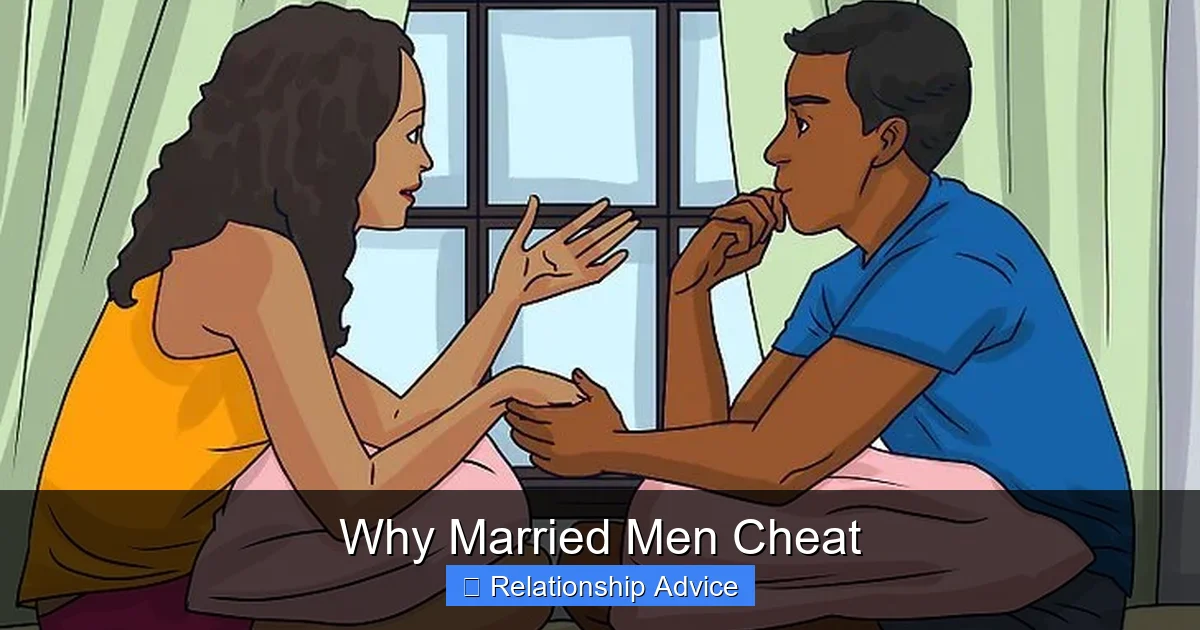
Why Married Men Cheat is a complex issue rooted in emotional neglect, boredom, or unmet intimacy needs. Many men seek validation outside marriage when they feel unseen or unappreciated. While not every man cheats, understanding the underlying causes can help partners address problems early and strengthen their bond.
Why Married Men Cheat isn’t usually about finding someone “better.” It’s more often about feeling invisible, misunderstood, or stuck in a routine that no longer fulfills them—or their partner. While every situation is unique, research and therapy suggest common threads run through most cases of marital infidelity.
Let’s be honest: no one wakes up one day deciding, “Today, I’m going to break my vows.” Infidelity typically starts subtly—a late night at work, a sudden interest in flirting, or an emotional drift that grows unnoticed. By the time it becomes obvious, months or even years may have passed.
Understanding why married men cheat doesn’t excuse the betrayal. But it does offer clarity. For couples navigating this pain, knowing the root causes can guide healing—not just for the betrayed spouse, but for the relationship itself.
Key Takeaways
- Emotional Disconnect: Many cheating husbands feel emotionally neglected, leading them to seek connection elsewhere.
- Boredom & Routine: Long-term relationships often become predictable, prompting some men to look for novelty.
- Lack of Communication: Avoiding difficult conversations about needs and desires increases the risk of infidelity.
- Low Self-Esteem: Men who doubt their worth may chase validation through affairs.
- Opportunity + Emotion: Cheating rarely happens without both emotional availability and access to temptation.
- Unresolved Conflict: Ongoing arguments or resentment create fertile ground for betrayal.
- Social Pressure: Some men feel societal expectations around masculinity push them toward secretive behavior.
📑 Table of Contents
- The Roots of Infidelity: More Than Just “Temptation”
- Emotional Neglect: The Silent Killer of Marriages
- Boredom and Routine: When Monotony Fuels Desire
- Low Self-Esteem and the Need for Validation
- Unmet Intimacy Needs: Physical and Emotional
- Societal Pressures and Toxic Masculinity
- Opportunity Meets Emotion: The Perfect Storm
- Healing After Betrayal: Moving Forward Together
The Roots of Infidelity: More Than Just “Temptation”
Most people think cheating is about sex. But experts agree it’s almost always about something deeper. When we reduce infidelity to “lust” or “opportunity,” we miss the real story—the loneliness, the frustration, the quiet desperation that builds over time.
Take Mark, for example. He worked long hours, came home exhausted, and slept through dinner most nights. His wife felt like his roommate, not his partner. One evening, he met a woman at a bar who listened to him talk about his dreams. For the first time in years, he felt heard. That connection snowballed into an affair.
Mark didn’t cheat because he wanted sex—he cheated because he hadn’t been emotionally intimate with his wife in years. This pattern repeats across countless cases. The affair becomes less about the other person and more about filling a void.
Another angle? Boredom. After 15 years together, Sarah noticed her husband seemed bored during sex and avoided deep talks. She tried initiating dates, planning trips, even suggesting counseling—but nothing changed. Meanwhile, a coworker started complimenting him constantly. Within months, he was having an emotional affair.
These stories aren’t rare—they’re tragically common. And they all point back to one truth: infidelity often begins where communication ends.
Emotional Neglect: The Silent Killer of Marriages
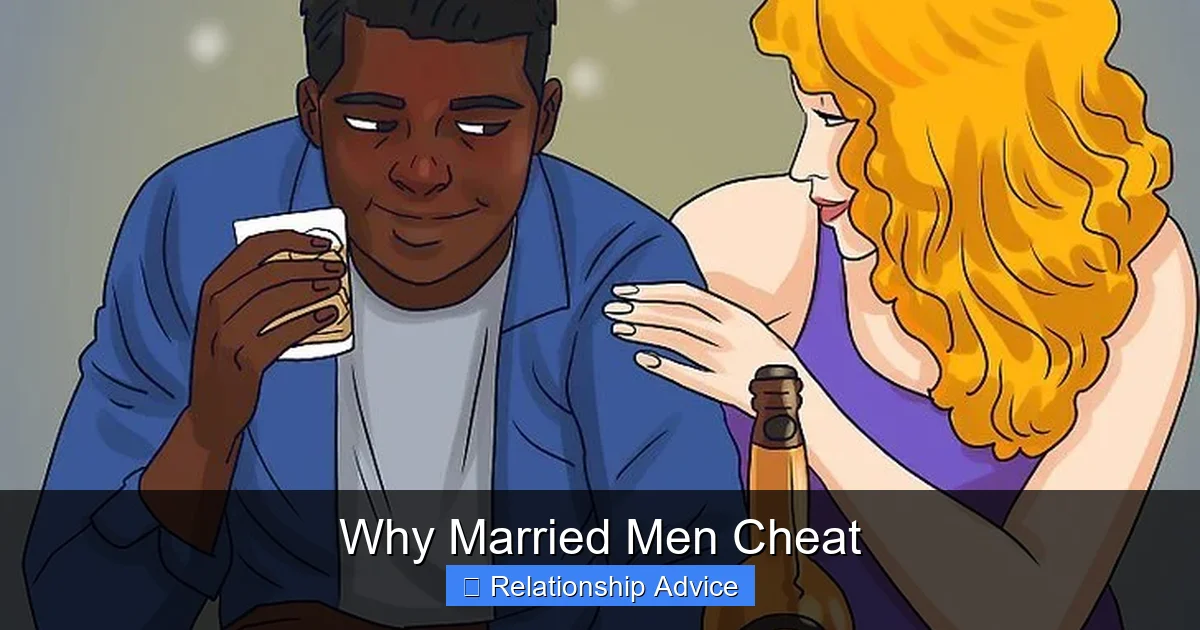
Visual guide about Why Married Men Cheat
Image source: wikihow.com
One of the most overlooked reasons why married men cheat is emotional neglect. Men, like anyone else, crave feeling valued and understood. But unlike women (who often express this need verbally), many men internalize it. They don’t ask, “Can we talk?” instead waiting silently until the distance feels too wide to bridge.
Think about it: when was the last time you had a real conversation with your spouse—no kids, no chores, just two adults sharing thoughts, fears, and hopes? If it’s been months, maybe even years, that silence creates fertile ground.
Therapists call this “emotional isolation.” It’s not always intentional. Sometimes it’s exhaustion. Other times, it’s fear—fear of vulnerability, of confrontation, of rocking the boat. But left unchecked, it erodes trust from within.
Consider David, a successful lawyer. His wife handled everything domestic while he focused on career advancement. He assumed she was happy; after all, they had money, stability, and a nice home. But she felt invisible. When a younger colleague offered genuine appreciation, David began seeking that attention outside his marriage.
Sound familiar? You’re not alone. Emotional neglect is rarely malicious—it’s human. But humans also make mistakes when they’re hurt or disconnected.
Signs Your Husband May Be Emotionally Distant
- Avoids eye contact during conversations
- Responds to emotional topics with “I don’t know” or changes subject
- Never initiates deep talks
- Feels uncomfortable discussing feelings
- Seems distracted even when physically present
If these resonate, consider opening up gently: “I miss connecting with you. Can we try setting aside time each week just to talk?”
Boredom and Routine: When Monotony Fuels Desire
After decades together, many marriages settle into predictable rhythms. Breakfast, work, dinner, sleep—repeat daily. For some men, this routine becomes suffocating. The spark fades, and the urge for excitement grows.
This doesn’t mean the man wants to leave his family. Often, he just wants a break from the monotony. An affair offers novelty, adventure, and the thrill of being desired—all things missing from his daily life.
Jessica noticed this with her husband, Tom. After 12 years of dating, weekends involved grocery shopping and laundry. He complained about “being stuck in a rut,” but never suggested solutions. Then, a flirtation with a gym trainer escalated quickly. Why? Because it broke the pattern.
Research supports this: men are more likely to cheat during midlife transitions or periods of stagnation. As psychologist Dr. Helen Fisher notes, “Men seek variety as part of their evolutionary drive to explore.” In modern marriages, that exploration sometimes takes the form of affairs.
But here’s the key: boredom alone won’t cause infidelity unless paired with opportunity. A man who’s miserable at work but has zero chance to interact with others won’t cheat. So while routine matters, it’s rarely the sole factor.
How to Reignite Passion Without Drama
- Plan surprise date nights (even if it’s just takeout at home)
- Try new activities together—cooking classes, hiking, dancing
- Write love notes or send voice memos throughout the day
- Schedule regular “check-ins” about how each feels in the relationship
Small changes can disrupt the cycle before it spirals.
Low Self-Esteem and the Need for Validation
Some men cheat because they’re insecure. Not necessarily about their wife—but about themselves. They crave external validation to prove they’re still attractive, capable, or desirable.
This ties closely to societal expectations of masculinity. Men are often taught to suppress vulnerability, hide weakness, and project strength. When that internal pressure clashes with reality—say, aging, job loss, or declining libido—some turn to affairs as proof they’re still “man enough.”
Take Robert, a former high school teacher turned stay-at-home dad after his wife’s promotion. He struggled with identity loss, feeling obsolete. When a student’s mother complimented his patience and kindness, he latched onto it. Soon, he was meeting her for coffee “to discuss tutoring.”
His affair wasn’t about sex—it was about rediscovering his sense of purpose.
Similarly, men dealing with performance anxiety (especially in bed) may seek reassurance elsewhere. They fear their wife finds them lacking, so they pursue younger partners who seem more vibrant or experienced.
Importantly, low self-esteem rarely appears overnight. It builds through years of subtle messages: being ignored, dismissed, or compared unfavorably to others.
Red Flags Indicating Low Self-Esteem in Marriage
- Constantly seeks approval from coworkers or friends
- Criticizes himself harshly in private
- Ignores compliments from his wife
- Blames others for personal failures
- Uses affairs to “show off”
If you notice these patterns, approach with compassion—not accusation. Say, “I’ve noticed you seem down lately. Want to talk?”
Unmet Intimacy Needs: Physical and Emotional
Sexual dissatisfaction is often cited as a reason for infidelity—but again, it’s rarely the whole picture. For many men, sex becomes mechanical, leaving emotional hunger unaddressed.
Dr. Ruth Westheimer explains: “Men want physical closeness because it signals emotional safety.” When intimacy dwindles, men may interpret it as rejection. Seeking affection elsewhere becomes a way to reaffirm their desirability.
Consider Lisa’s experience. Her husband, Kevin, stopped initiating sex after she developed anxiety. They still had relations, but it felt transactional. Kevin confessed he craved touch and passion—things he found in a massage therapist who massaged his shoulders and asked thoughtful questions.
Lisa realized her fear of intimacy had pushed Kevin away. Their affair wasn’t about cheating—it was about needing human connection.
This highlights a crucial point: unmet needs don’t justify betrayal, but they explain it. Therapy, open dialogue, and mutual effort can restore closeness without crossing boundaries.
Ways to Rebuild Intimacy Safely
- Practice non-sexual touch (holding hands, back rubs)
- Use “I feel…” statements instead of blaming
- Attend couples workshops together
- Seek individual therapy if shame or trauma blocks progress
Rebuilding takes time—but it’s possible.
Societal Pressures and Toxic Masculinity
Cultural norms play a surprising role in why married men cheat. From ads glorifying bachelor lifestyles to peer pressure encouraging “playboy” behavior, society often rewards secrecy and superficiality.
Men raised in environments where honesty equals weakness may hide struggles behind bravado. They hide emotional pain, financial stress, or relationship doubts—until those secrets leak out as affairs.
Moreover, toxic masculinity teaches men to suppress emotions, avoid therapy, and view vulnerability as failure. This leads to isolation, resentment, and eventually, escape via affairs.
For instance, Carlos grew up believing men shouldn’t cry or admit confusion. When his marriage hit rough patches, he bottled it up until he snapped. His affair was less about romance and more about proving he could still “have it all.”
Breaking free from these norms starts with education. Couples who challenge stereotypes—like men openly discussing insecurities or wives expressing needs assertively—create healthier dynamics.
How to Challenge Harmful Gender Roles
- Encourage your husband to express emotions without judgment
- Model vulnerability by sharing your own feelings
- Reframe “strength” as courage, not suppression
- Read books like *Man’s Search for Meaning* or *The Gifts of Imperfection*
Progress begins when we stop hiding.
Opportunity Meets Emotion: The Perfect Storm
Even the most faithful men face temptation. Bars, apps, office parties—these environments offer access to desire. But opportunity alone isn’t enough. Research shows emotional availability is the real trigger.
A man who’s unhappy, lonely, or disconnected is far more likely to act on attraction than one who feels secure and fulfilled.
That’s why infidelity rarely starts with a single event. It’s a buildup: missed connections, growing distance, unresolved issues. Then—bam—an affair blossoms.
Think of it like a dam. Years of pressure build behind it. One crack, one moment of weakness, and everything spills out.
So yes, opportunity matters. But without preexisting cracks, most men wouldn’t cheat. As relationship coach Esther Perel says, “The affair is the symptom, not the disease.”
Protecting Your Marriage Before It’s Too Late
- Stay socially active together—attend events, host gatherings
- Set clear boundaries around devices and privacy
- Regularly revisit relationship goals and values
- Counseling isn’t just for crises—use it proactively
Prevention beats recovery every time.
Healing After Betrayal: Moving Forward Together
If your husband cheated, healing isn’t linear. There will be setbacks, anger, and moments of doubt. But understanding why married men cheat helps reframe the narrative.
Is it about you? Probably not entirely. Is it fixable? With commitment, yes.
Therapy is essential. Individual sessions help you process hurt; couples therapy rebuilds trust. Forgiveness doesn’t mean forgetting—it means choosing peace over pain.
And remember: your worth isn’t defined by his choices. You deserve honesty, respect, and emotional safety.
For the husband: accountability matters. Admit fault, accept consequences, and actively work to change. Blaming circumstances excuses harm.
For the wife: allow yourself to grieve. Journal, talk to trusted friends, and prioritize self-care. Healing takes time.
Most importantly, decide what kind of life you want moving forward—one built on resentment, or one rebuilt on trust.
—
Infidelity shatters lives. But shattered glass can become art. With awareness, effort, and support, many couples emerge stronger.
—
**Final Thought:**
Why Married Men Cheat reveals universal truths—about love, loneliness, and the human need to feel seen. Use this knowledge not to blame, but to understand. Because real change starts when we stop asking “Why did he do it?” and start asking, “How can we grow from this?”
Frequently Asked Questions
What percentage of married men cheat?
Studies vary, but surveys suggest around 20-30% of men admit to infidelity at some point. However, true rates may be higher due to underreporting—many men hide cheating due to shame or cultural stigma.
Do all men who cheat have unhappy marriages?
No. While unhappiness increases risk, some men cheat even in seemingly perfect marriages. Factors like opportunity, low self-esteem, or personality traits play bigger roles than overall satisfaction.
Can counseling prevent infidelity?
Absolutely. Proactive couples therapy strengthens communication, addresses unmet needs, and builds emotional intimacy—reducing the likelihood of affairs before they start.
Does age affect cheating rates?
Cheating peaks in early-to-mid adulthood (ages 25–45) as men navigate identity, career, and relationships. Rates decline later in life as priorities shift toward stability and family.
Is emotional cheating worse than physical cheating?
Not inherently—both breach trust. But emotional cheating often precedes physical acts and causes deep relational damage by replacing genuine connection with fantasy.
How soon should couples seek help after discovering infidelity?
Immediately. Delaying therapy prolongs pain and increases chances of repeated betrayal. Even if separation seems likely, counseling clarifies next steps and honors both partners’ dignity.
