
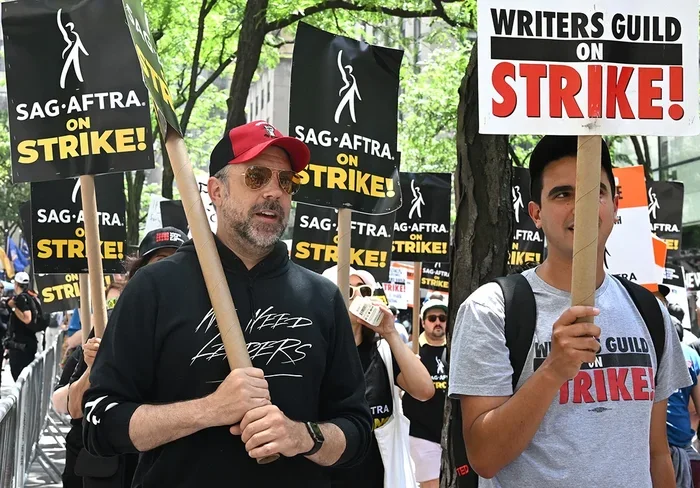
Hollywood workers are striking because they want fair pay and better working conditions in a changing entertainment landscape. These labor actions affect everything from your favorite TV shows to movie release dates. Understanding why Hollywood workers are striking helps you see the bigger picture of creative labor rights. The industry impact is real, and it touches fans, creators, and studios alike. Here is what you need to know about the strikes and what comes next.
This is a comprehensive guide about Why Are Hollywood Workers Striking And How Will It Impact The Industry.
Key Takeaways
- Fair compensation matters: Many Hollywood workers are striking because pay models have not kept up with streaming and digital media growth.
- Working conditions are a major factor: Long hours, AI concerns, and job safety push workers to demand stronger protections.
- The strikes affect production schedules: When crews stop working, filming slows down and release dates can shift.
- Audiences may see fewer new releases: Strike activity can delay seasons, films, and promotional events.
- Unions play a key role: Collective bargaining helps workers negotiate for better contracts and industry standards.
- The long-term impact could be significant: New agreements may reshape how content is made and paid for in the future.
- Understanding the dispute helps viewers stay informed: Knowing the reasons behind the strikes makes industry news easier to follow.
[FEATURED_IMAGE_PLACEHOLDER]
If you have turned on the news lately, you may have heard a lot about Hollywood workers striking and wondered what is really going on. It can feel confusing at first, especially when there are so many unions, guilds, and different kinds of workers involved. The short version is that many people who make movies and television shows are asking for better pay, stronger protections, and a fairer share of the money their work generates.
This matters because Hollywood is not just about stars and directors. It includes writers, actors, camera crews, editors, costume designers, visual effects artists, and many other professionals. When a large group of them stops working, the whole industry feels it. That is why the question of why Hollywood workers are striking is so important right now.
In this article, we will break down the reasons behind the strikes, what workers are hoping to achieve, and how these labor actions could affect the entertainment industry. We will keep things simple, clear, and useful, so you can understand what is happening without needing a degree in labor law.
Why Are Hollywood Workers Striking in the First Place
At its core, a strike usually starts when workers feel that their current deal no longer reflects the value of their work. In Hollywood, that feeling has been building for a while. The entertainment business has changed a lot in recent years, especially with the rise of streaming services and new ways of producing content. Many workers say the old payment systems were built for a different era, and they want contracts that match today’s reality.
One big issue is pay. When a show or film is successful, the people who made it possible do not always see a fair share of that success. That can be especially frustrating when studios and platforms are making large profits. Workers want compensation that reflects their effort, skill, and the financial value they help create. This is a major reason behind why Hollywood workers are striking in many parts of the industry.
Another important issue is job security. Many workers depend on steady employment, but production schedules can be unpredictable. If a project gets delayed, canceled, or restructured, people can lose income quickly. A strike can be a way to push for stronger minimums, better protections, and more stability for people who work in highly variable conditions.
Pay and Streaming Changes
Streaming has changed how people watch content, and it has also changed how content is valued. In the past, ratings and box office numbers were easier to track. Today, success can be measured in different ways, and not all of those measures translate into fair pay for everyone involved. Workers want clearer rules about residuals, bonuses, and profit sharing so they are not left behind when a project becomes popular.
This is not just about one show or one studio. It is about building a system that works for the long term. When payment structures are unclear or outdated, workers can end up carrying more risk than reward. That imbalance is one of the main reasons people are demanding new contracts.
Working Conditions and Job Safety
Pay is important, but it is not the only concern. Working conditions also matter a lot. Long hours, rushed schedules, and stressful environments can take a toll on people’s health and personal lives. Many workers want better limits on working time, safer sets, and more respect for their well-being.
There are also concerns about how new technology is being used. Workers want to make sure that tools like artificial intelligence are handled carefully and do not unfairly replace human effort or reduce opportunities. When people feel that their profession is being squeezed from multiple sides, they often look for collective action to protect their future.
The Main Issues Behind the Strikes
The reasons for Hollywood workers striking are not all the same for every group, but there are some common themes. Most workers are trying to secure a better balance between effort and reward. They also want a stronger voice in how the industry changes over time. That means the strike is not just about immediate pay. It is also about long-term fairness.
A useful way to think about it is this: workers are asking for rules that keep up with the business. If the industry grows and changes, the people who power it should benefit too. When that does not happen, tension builds. Strikes are one way to bring attention to that tension and push for real change.
Residuals and Repeat Value
Residuals are payments people receive when their work is reused or shown again. This can matter a lot in entertainment, where a film or show may be watched many times across different platforms. If residual systems are weak, workers may miss out on the ongoing value of their work. Many strikers want residual rules that better reflect how content is distributed today.
This issue is especially important because entertainment is not a one-time product in the same way some goods are. A performance, a script, or a visual effect can keep generating value long after the initial work is done. Workers want a fairer share of that continuing value.
AI and Creative Control
Technology is moving fast, and that creates both opportunities and worries. Some workers are concerned that AI could be used in ways that cut corners, reduce staffing, or weaken creative ownership. They want clear rules about what AI can and cannot do, and how it should be used in production.
This is not necessarily about rejecting new tools. It is about making sure technology supports people instead of replacing them without fair consideration. When workers ask for protections around AI, they are often asking for transparency, consent, and a say in how their work is managed.
How the Strikes Affect Productions and Projects
When Hollywood workers are striking, the effects can spread quickly. Filming may pause. Post-production may slow down. New projects may wait for deals to be settled. That means the impact is not limited to the people on strike. It also affects the schedule of the entire industry.
For studios and production companies, strikes can create delays and added costs. For workers, the challenge is that a strike can stop income in the short term, even if it is aimed at improving conditions in the long term. That is why strikes are serious decisions. People do not take them lightly.
Delays in Filming and Post-Production
One of the most visible effects is on production timelines. If a crew is not working, a show cannot move forward the way it normally would. That can push back filming, editing, visual effects, and other key steps. In some cases, entire seasons or movie releases may need to be rescheduled.
Delays can also create a ripple effect. When one project shifts, it can affect staffing, locations, equipment, and planning for other projects too. That is part of why a strike can feel like a big disruption, even beyond the immediate dispute.
Impact on Release Dates and Viewers
For audiences, the most noticeable result may be changes to release schedules. A film might arrive later than expected. A TV season might be delayed. Promotional plans may also shift because there is less new content ready to showcase. This can be frustrating for viewers who are waiting for a favorite series or movie.
At the same time, many viewers are also supporters of fair treatment for workers. Some people understand that a delay may be part of a larger effort to improve conditions in the industry. So while the impact on entertainment schedules is real, the bigger picture is about how content is made and who benefits from it.
What the Strikes Mean for Studios and Streaming Platforms
Studios and streaming platforms are also affected by Hollywood workers striking, because they depend on creative labor to produce content. When work stops, the pipeline slows down. That can affect planning, marketing, and revenue timelines. It can also force companies to rethink upcoming releases and staffing strategies.
For larger companies, the challenge is balancing business goals with labor relations. They may want to keep production moving, but they also need to address the concerns that led to the strike in the first place. That can mean renegotiating contracts, adjusting policies, or finding new ways to structure deals.
Business Costs and Scheduling Pressure
A strike can create real financial pressure. Delayed productions may lead to rescheduling costs, storage costs, and planning challenges. If content is late, marketing campaigns may need to change. In some cases, companies may have to adjust their expectations for the year ahead.
This does not automatically mean disaster for every studio or platform. Some businesses have more flexibility than others. Still, the pressure is real, especially when multiple projects are affected at once. That pressure can become part of the reason both sides eventually return to the negotiating table.
Contract Negotiations and Future Deals
Strikes often happen because regular negotiations have not solved the problem yet. That means the dispute is usually about the terms of future work, not just the current moment. Workers want contracts that will hold up over time, and companies want agreements that let them keep producing content in a competitive market.
When negotiations succeed, the result can shape the industry for years. Stronger contracts can affect pay, benefits, scheduling, and technology rules. In that sense, the strike is not only about today’s conflict. It is about the standards that will guide tomorrow’s productions.
How the Strikes Could Shape the Future of the Industry
The long-term impact of Hollywood workers striking may be just as important as the immediate disruption. If workers win meaningful changes, those changes can influence how future projects are made, how people are paid, and how much control creators have over their work. In other words, the outcome could become part of the industry’s new normal.
This is especially true if the strikes lead to updated contracts that reflect modern production methods. If streaming, technology, and scheduling are built into better agreements, workers may have more stability going forward. That could also affect how studios plan projects and manage risk.
Possible Changes in Pay and Protections
One possible outcome is stronger pay structures. That could mean better minimums, clearer bonuses, or improved residual systems. It could also mean stronger protections around working hours and conditions. These changes would not only help workers now, but also set expectations for future contracts.
Another possible change is more explicit rules around technology. If workers negotiate clear boundaries around AI and other tools, the industry may develop a more careful approach to innovation. That could help balance progress with fairness.
Long-Term Effects on Creative Jobs
The future of creative jobs may also be shaped by what happens during these disputes. If workers gain stronger protections, more people may see Hollywood work as a sustainable career rather than a risky one. That could help bring in and keep talent across many roles, from on-set crews to post-production specialists.
On the other hand, if disputes remain unresolved for too long, some workers may face financial strain and the industry may struggle with instability. That is why the outcome of the strikes matters so much. It can influence not just one project, but the health of the entire creative workforce.
What Viewers and Fans Should Know
If you are not part of the industry, it can still be helpful to understand why Hollywood workers are striking and what it means for the content you enjoy. The main thing to remember is that movies and shows are made by large teams of people, not just the faces on screen. When those teams ask for better terms, the effects can reach the entertainment you watch.
It is also helpful to know that strikes are usually temporary, even when they feel disruptive. They are a tool used when negotiation has not been enough. The goal is often to reach a better agreement that supports both workers and the business in the long run.
How to Follow the News Without the Noise
Industry news can get noisy fast, so it helps to focus on the basics. Ask yourself: what are the workers asking for, what is the response, and how is production being affected? Those questions cut through a lot of confusion. You do not need to follow every headline to understand the big picture.
It can also help to pay attention to official statements from unions and studios, rather than relying only on speculation. Clear sources make it easier to understand what is confirmed and what is still uncertain. That way, you can stay informed without getting overwhelmed.
Why This Matters Beyond Hollywood
The issues behind Hollywood workers striking are not unique to entertainment. Many industries are dealing with changes in technology, pay models, and working conditions. Hollywood is just one place where these pressures are showing up very visibly.
That makes the strikes worth watching, even if you are mainly interested in the movies and shows themselves. They are a reminder that labor, business, and technology are all connected. When one part of the system shifts, the rest of it has to adjust too.
Conclusion
So, why are Hollywood workers striking? In simple terms, they are pushing for better pay, stronger protections, and a fairer role in an industry that has changed a great deal. Streaming, scheduling, technology, and job security all play a part in the dispute. The strikes are not just about today’s paychecks. They are about building a system that reflects the value of creative work.
The impact on the industry is already visible. Productions can slow down, release dates can shift, and studios may face new pressure to renegotiate. At the same time, the strikes may lead to important changes in how Hollywood handles contracts, technology, and worker rights. That is why this moment matters for both the people making content and the people watching it.
If you keep one thing in mind, let it be this: Hollywood workers are striking because they want the industry to work more fairly for the people who make it happen. Whether you are a fan, a creator, or just someone following the news, understanding the reasons behind the strikes makes the whole situation easier to see. The outcome could shape the future of entertainment in meaningful ways.
Frequently Asked Questions
Why are Hollywood workers striking right now?
Many workers are striking because they want better pay, stronger job protections, and contracts that reflect changes in streaming and production. They feel current agreements do not always match the value of their work.
How will the strikes affect movies and TV shows?
The strikes can delay filming, post-production, and release schedules. That may mean fewer new projects come out on time, and some releases may be pushed back until work can resume.
Do the strikes only involve actors and writers?
No, strikes can involve many types of workers in the entertainment industry. That includes people behind the scenes who help make, edit, design, and finish content.
Will the strikes permanently hurt the entertainment industry?
Not necessarily. Strikes can be disruptive in the short term, but they can also lead to stronger contracts and better working standards. The long-term effect depends on how the disputes are resolved.
What do workers want from studios and streaming platforms?
Workers usually want fairer compensation, better working conditions, more job stability, and clearer rules around new technology. They also want a stronger voice in how the industry changes.
How long could the strikes last?
It is hard to say exactly, because strikes end when both sides reach an agreement. Some disputes are resolved quickly, while others take longer if the issues are complex and the stakes are high.
