
Dating someone at work can be exciting, but it comes with unique risks like favoritism accusations, HR complications, and emotional strain. Whether you’re in a romantic relationship with your coworker, navigating office romance etiquette, or wondering if it’s worth the potential fallout, this guide covers everything you need to know. We’ll explore legal boundaries, emotional well-being, and how to handle workplace dating dynamics with professionalism and care.
Have you ever found yourself developing feelings for someone you see every day at work? Maybe it’s the quiet confidence of your colleague across the hall, the way they laugh during team meetings, or how they always seem to know just what to say to lighten the mood. Suddenly, that person isn’t just “coworker”—they’re someone you think about outside the office too. You start imagining weekend plans, wondering if they’d go out for coffee after hours, or even dreaming about a future together.
This is more common than you might think. In fact, studies show that nearly 40% of employees have dated a coworker at some point. And while the idea of turning a professional connection into something romantic can feel thrilling, it also brings a whole new set of challenges. From navigating office politics to managing HR policies, dating someone at work isn’t as simple as just following your heart.
That’s why we’re here to walk through everything you need to know. Whether you’re just starting to realize your feelings or you’re already in a relationship with a colleague, this article will help you make informed decisions that protect your career, your reputation, and your emotional well-being.
Key Takeaways
- Understand company policies: Not all companies allow workplace relationships—review your employee handbook before getting involved.
- Maintain professionalism: Keep work interactions respectful and task-focused to avoid perceptions of favoritism or bias.
- Avoid conflicts of interest: Be transparent with HR if one partner manages the other’s performance reviews or promotions.
- Protect confidentiality: Never discuss personal relationship issues during work hours or in shared spaces like break rooms.
- Plan for the future: Consider what happens if the relationship ends—will you both stay? Will one have to transfer?
- Prioritize emotional health: Work stress can spill into your romantic life; make sure you’re not using the relationship as an escape.
- Know when to step back: If the relationship starts affecting team morale or productivity, it may be time to reevaluate.
📑 Table of Contents
Is Dating Someone at Work Legal?
Let’s get one thing straight: yes, dating someone at work is perfectly legal. There’s no law against it. However, legality doesn’t mean it’s always smart or safe. The real concern lies with your employer’s policies—not the government.
Many companies have strict rules about workplace relationships. These aren’t meant to control your personal life, but to prevent conflicts of interest, maintain team morale, and ensure fairness. For example, if you’re romantically involved with your direct manager, people might wonder if you’re getting better projects because of who you’re dating—not your skills.
Some employers require disclosure of romantic relationships between coworkers. Others ban them outright. Still others allow it but demand transparency if one person supervises the other. That’s why the first step before acting on your feelings is to check your employee handbook or speak with HR.
Ignoring these guidelines can lead to disciplinary action—even termination. So while it’s legal to date a coworker, it’s far wiser to understand and follow your company’s rules.
The Emotional Rollercoaster of Office Romance
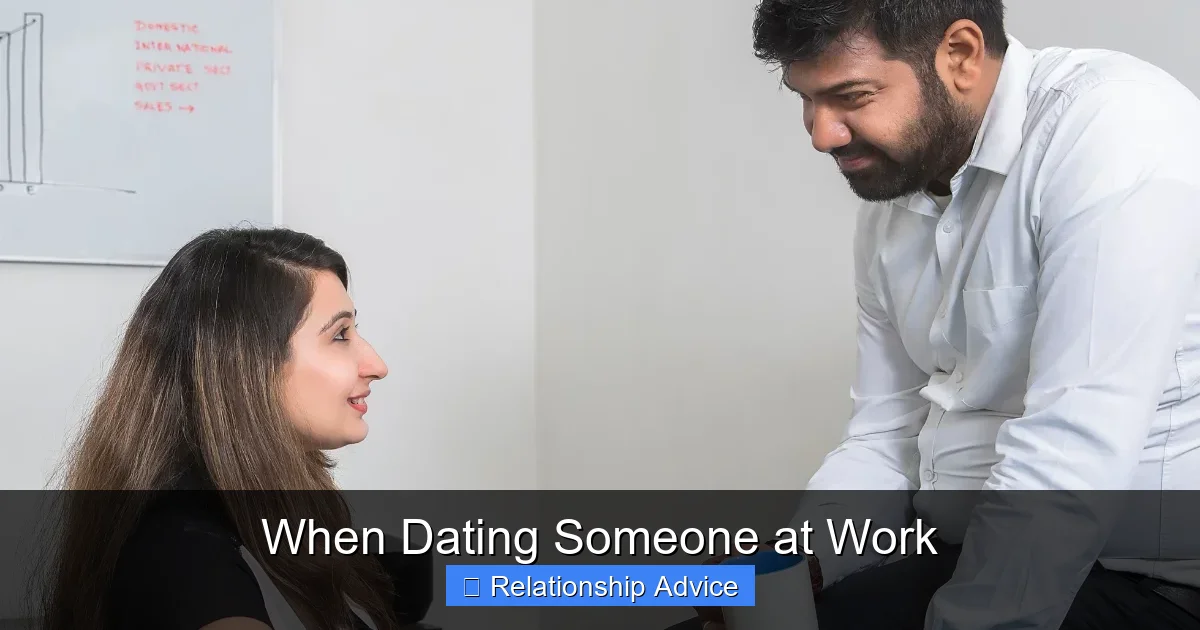
Visual guide about When Dating Someone at Work
Image source: realestlove.com
One of the biggest reasons people hesitate to pursue workplace relationships is the emotional complexity. When you’re dating someone you see five days a week, the line between “us” and “work” blurs quickly. What starts as innocent flirting over Slack can spiral into after-work dinners, weekend trips, and deep conversations that used to happen only in private.
While this closeness can bring joy and intimacy, it also creates pressure. Imagine being asked to give a presentation while trying not to smile because your coworker just winked at you. Or worse—what if you argue over a project decision and then have to sit across from each other in a meeting the next day?
These situations test your emotional resilience. You might find yourself stressed about how your partner perceives your leadership style or worried that their opinion of your work could influence your job security. On top of that, office gossip spreads fast. A single misstep—like holding hands in the elevator—could become office legend overnight.
To manage this, it helps to set boundaries early. Decide where work ends and your relationship begins. Avoid discussing personal matters during work hours, and keep physical affection minimal in public spaces. This shows respect for your colleagues and protects your professional image.
Handling Conflicts of Interest
Conflicts of interest arise when your personal relationship affects your ability to perform your job objectively. The most common scenario involves supervisory roles. If you’re dating your boss or someone who evaluates your performance, it raises red flags.
Imagine your partner is reviewing your annual review. Are they grading you fairly—or subconsciously boosting your score because they’re invested in you personally? Even if intentions are good, others may question the integrity of the process.
Similarly, if you’re in charge of hiring, promotions, or budget allocations and your significant other applies for a role under your supervision, it becomes a nightmare to prove neutrality. Sure, you might say, “I’ll treat them exactly like anyone else,” but perception matters.
The solution? Transparency. Notify HR immediately if your relationship falls into a gray area. Many companies offer solutions like transferring one partner to another department or placing a third party to oversee evaluations. These steps don’t mean you did anything wrong—they just show you’re committed to fairness.
If your company doesn’t support workplace relationships at all, consider whether pursuing this path aligns with your long-term career goals. Sometimes, protecting your reputation means stepping back—even if it hurts your heart.
Navigating Office Etiquette
Even if your company allows dating coworkers, there’s still office etiquette to follow. Think of it like learning the unwritten rules of any social setting: you wouldn’t wear pajamas to a job interview, right? Similarly, you shouldn’t treat your workplace like a love nest.
Keep public displays of affection (PDA) subtle. A quick hug goodbye is fine; making out in the conference room is not. Avoid texting each other constantly during work hours—save the memes and compliments for after 6 PM. And never use your relationship as leverage in arguments with other coworkers. Saying things like, “Well, my boyfriend/girlfriend says…” undermines your credibility.
Another key tip: keep work talk work talk. If your partner vents about a difficult client, listen—but don’t let them vent during your focused work time. It’s okay to offer empathy, but remember, you’re still on the clock.
Also, be mindful of scheduling. Don’t cancel important meetings to go on dates unless absolutely necessary. Show up prepared and engaged, even if you’re thinking about dinner plans later. Your professionalism reflects on both you and your partner.
Finally, avoid involving coworkers unnecessarily. While it’s great to share parts of your life with your partner, don’t expect them to attend every team lunch or holiday party. Respect their space and theirs yours.
What Happens When the Relationship Ends?
This is arguably the trickiest part of dating a coworker: the breakup. Unlike dating someone outside work, you can’t simply disappear. You’ll still see each other daily. You might share desks, work on the same projects, or even report to the same manager.
A messy breakup can create tension, awkward silences, and resentment among your team. Colleagues may take sides, gossip spreads easily, and productivity can suffer. One study found that post-breakup tension in offices led to decreased collaboration and increased stress for everyone involved.
To minimize fallout:
- Handle the breakup calmly and respectfully—no public arguments or passive-aggressive emails.
- Avoid discussing the breakup with coworkers; keep it private.
- If possible, agree to limit contact temporarily. This gives both parties space to heal.
- Consider transferring one of you if the dynamic becomes toxic. Most companies understand this is sometimes necessary.
It’s also wise to revisit your company’s policy after a breakup. Some places require you to report the end of a relationship to HR, especially if there was a power imbalance.
Remember, ending a relationship doesn’t erase your friendship—if that’s what you want. But it does require grace, maturity, and clear communication. And if you can’t handle the proximity after breaking up, maybe dating a coworker wasn’t the best idea in the first place.
Balancing Love and Career Goals
At its core, dating a coworker is about balance. You deserve to find love, but you also need to protect your career trajectory. Ask yourself: does this relationship support or hinder my professional growth?
For instance, if you’re aiming for a promotion and your partner is known for being overly critical or competitive, that could become a problem. Or if you travel frequently and your partner struggles with independence, long-distance expectations might clash with your work demands.
On the flip side, a supportive partner can be a huge asset. They might celebrate your achievements, help you brainstorm ideas, or simply provide a listening ear after a tough day. When both people value each other’s careers, the relationship thrives.
To maintain harmony, schedule regular check-ins about work-life balance. Talk about how much time you spend together vs. working. Discuss expectations around career moves—like relocations or job changes. Being proactive prevents resentment down the road.
Also, don’t assume your relationship will survive if you stay at the same company forever. Companies merge, departments restructure, and roles change. Plan for transitions so neither of you feels trapped or unsupported.
And finally, prioritize self-care. Burnout affects relationships more than you realize. If work is consuming you, your partner might feel neglected—even if they understand your workload. Make time for hobbies, friends outside work, and rest. A healthy you makes for a healthier relationship.
When to Seek External Support
Sometimes, despite your best efforts, workplace dating becomes overwhelming. Maybe HR keeps giving you the runaround. Maybe your partner is resistant to boundary-setting. Or perhaps you’re struggling to separate work stress from relationship issues.
In these cases, seeking external support is a strength—not a failure. Consider talking to a therapist who specializes in couples or career counseling. They can help you untangle work-related emotions and develop strategies for maintaining both your job and your love life.
You might also benefit from mentoring. Reach out to a trusted senior colleague or industry peer for advice. They’ve likely navigated similar challenges and can offer perspective without judgment.
And don’t underestimate the power of a strong support network outside work. Lean on friends or family members who understand your situation. Venting to someone neutral can prevent you from bottling up frustration—which often spills into your relationship.
Remember, you don’t have to figure it all out alone. Asking for help shows emotional intelligence and commitment to doing things right.
Final Thoughts: Is It Worth It?
Dating someone at work isn’t inherently good or bad—it’s complicated. It offers the chance to build a deep connection with someone you trust and admire daily. But it also demands extra caution, clear communication, and emotional maturity.
Before diving in, ask yourself honestly: am I doing this because it feels exciting, or because I genuinely connect with this person? Am I prepared to handle the potential fallout if things don’t work out? Do I understand and respect my company’s policies?
If the answers are yes, then go ahead—just proceed with awareness. Set boundaries, stay transparent, and prioritize professionalism. And if at any point the negatives outweigh the positives, be brave enough to step back.
Love should enhance your life, not complicate it. With the right mindset and preparation, dating a coworker can be a positive experience. But always remember: your career and reputation matter just as much as your heart.
—
Frequently Asked Questions
Can I date my coworker if my company has a no-dating policy?
Technically, yes—but following your company’s rules is crucial. Violating a policy could lead to disciplinary action, including termination. Always consult HR before proceeding.
How do I tell HR about dating a coworker?
Be honest and professional. Say something like, “I’ve developed feelings for [Name], and I wanted to inform HR to ensure we comply with company policy.” Most offices have procedures for this.
What if my partner’s boss is also my boss?
This creates a serious conflict of interest. Notify HR immediately so they can assign an independent evaluator or adjust reporting lines to maintain fairness.
Should I hide my relationship from coworkers?
No. Hiding it breeds mistrust and makes normal interactions awkward. Instead, act normally and keep PDA minimal in public areas.
How do I handle jealousy if my coworker talks to someone else?
Address it privately with your partner. Jealousy is valid, but accusing them publicly can damage trust. Use “I feel” statements instead of “you always” accusations.
What if we break up and have to work together?
Stay civil, limit personal conversations, and consider temporary transfers if needed. Focus on shared goals rather than past emotions to keep productivity high.
