
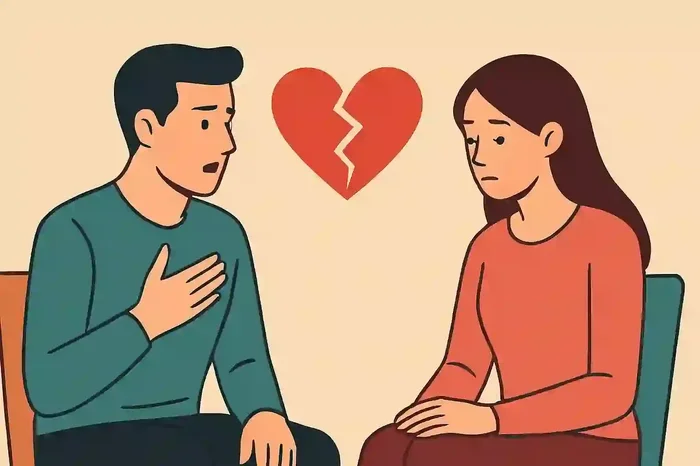
When a woman gives up on a relationship, the shift is rarely sudden. It shows up through quiet withdrawal, emotional distance, and a lack of effort to fix things. Recognizing these signs of relationship disengagement early can help you decide whether to reconnect or move on. This guide breaks down the most common when a woman gives up on a relationship signs, what they really mean, and how to respond with clarity and care.
Key Takeaways
- Emotional withdrawal is often the first red flag: She stops sharing feelings, avoids deep talks, and seems mentally checked out.
- Communication breakdown signals disengagement: Short replies, canceled plans, and avoided conflicts show she is no longer invested in working through issues.
- Loss of future planning matters: When she stops saying “we” and avoids long-term conversations, she may have already emotionally moved on.
- Small gestures fade before big ones: Forgetting dates, skipping affection, and ignoring daily kindness often point to quiet surrender.
- Her body language tells the truth: Less eye contact, closed posture, and physical distance often reveal what words hide.
- You can still choose action: Open honest conversation, professional support, or respectful closure can bring clarity.
- Self-respect guides the next step: Whether you rebuild or let go, honoring your needs and hers keeps the process healthy.
📑 Table of Contents
- Understanding When A Woman Gives Up On A Relationship
- The Early Emotional Withdrawal Signs
- Communication Breakdown And Silence
- Loss Of Future Planning And “We” Language
- The Fading Of Small Gestures And Affection
- Body Language And Nonverbal Cues
- What To Do When You Notice These Signs
- When It May Be Time To Let Go
- Moving Forward With Clarity And Self-Respect
- Conclusion
Understanding When A Woman Gives Up On A Relationship
Relationships rarely end with a loud crash. More often, they fade through quiet moments that stack up over time. When a woman gives up on a relationship, the change usually starts inside before it shows outside. She may still show up. She may still say the right things. Yet something has shifted. The spark is gone. The effort is gone. The hope is gone.
This is not about blame. It is about awareness. People reach a point where they feel unheard, unappreciated, or emotionally drained. They stop trying because trying no longer feels safe or worth it. If you notice this pattern, you are not alone. Many couples face this crossroads. The key is to read the signs clearly and respond with honesty.
In this guide, we will walk through the most common signs of relationship disengagement. We will look at emotional withdrawal, communication changes, and the subtle shifts that often go unnoticed. You will also learn what to do next, how to tell if the door is still open, and when it may be time to let go.
The Early Emotional Withdrawal Signs
The first sign is often quiet. She stops sharing the small things. The daily stories, the little worries, the random joys. These moments are the glue of closeness. When they disappear, the connection starts to thin.
She Stops Opening Up
You may notice she gives short answers. She shrugs more often. She changes the subject when things get personal. This is not always about you. Sometimes people shut down because they feel unsafe, tired, or hopeless. Still, the result is the same. The emotional door slowly closes.
When a woman gives up on a relationship, she often stops expecting her feelings to matter. That is a heavy shift. It shows up as less vulnerability, less honesty, and less trust. If you want to understand where things stand, pay attention to how often she shares her inner world.
She Seems Mentally Checked Out
You might see a faraway look during conversations. She may be physically present but mentally elsewhere. Her attention drifts. She forgets details she used to remember. This kind of mental distance is a strong signal that her energy is no longer in the relationship.
This does not mean the relationship is over. It means the emotional fuel is low. Rebuilding that fuel takes patience, consistency, and real change. If both people are willing, there is still room to reconnect.
Quick Tip: Notice the Pattern, Not One Bad Day
Everyone has off days. Stress, work, family, and health can drain anyone. Look for a pattern over weeks, not a single rough evening. If the distance keeps returning and never fully heals, that is a clearer sign to take seriously.
Communication Breakdown And Silence
Words matter. So does the lack of them. When a woman gives up on a relationship, communication often becomes flat, avoidant, or purely practical. The deep talks stop. The problem-solving stops. Even the casual check-ins become rare.
She Avoids Tough Conversations
Healthy relationships face hard topics. When she stops engaging in those moments, it can mean she no longer believes the conversation will help. She may change the subject, leave the room, or give a vague answer. This avoidance is often a protective move. She may feel that speaking up only leads to more pain.
If you see this pattern, do not chase with pressure. Pressure often pushes her further away. Instead, create a calm space. Ask open, gentle questions. Listen without rushing to defend yourself. Real dialogue can only return when both people feel safe enough to speak.
She Responds With Less Effort
Text replies get shorter. Plans get postponed. Follow-through drops. These are not just busy signals. They can be signs that her motivation to connect is fading. When a woman gives up on a relationship, she often stops investing the small daily efforts that keep intimacy alive.
This is where many people miss the warning. They focus on the big fights and ignore the quiet drift. Yet the daily effort is the heartbeat of a relationship. When it slows down, the relationship is asking for attention.
Expert Insight: Repair Attempts Matter
Relationship researchers often point out that successful couples make regular repair attempts. These are small moments of reconnection after tension. A kind word, a sincere apology, a gentle joke, a pause that says “I care.” When repair attempts stop, the relationship loses its safety net. If you want to turn things around, start with small, consistent repairs.
Loss Of Future Planning And “We” Language
Couples who feel connected naturally talk about the future. They make plans. They dream out loud. They use “we” language. When a woman gives up on a relationship, that future focus often fades. She may stop mentioning next month, next season, or next year. She may avoid commitments that tie her closer.
She Stops Including You In Long-Term Talks
You may notice she no longer brings up shared goals. She may talk about her own plans without inviting you in. This can feel subtle, but it is meaningful. Future planning is a sign of investment. When it disappears, the emotional stake in the relationship is often shrinking.
This does not always mean she is done. Sometimes people pull back because they feel uncertain or hurt. Still, the shift is real. If you want to understand her stance, listen for how often she includes you in what comes next.
She Becomes More Independent In A Detached Way
Independence can be healthy. It can also become a sign of separation when it feels cold or disconnected. If she starts making all decisions alone, stops asking for your input, and keeps her life neatly divided from yours, she may be preparing to stand on her own.
This is a delicate moment. Pushing for control will likely backfire. The better move is to show steady respect, clear intention, and openness to rebuild trust. If she sees genuine change, the door may still be open.
The Fading Of Small Gestures And Affection
Big declarations get attention. Small gestures keep love alive. A warm smile, a thoughtful text, a cup of coffee made without asking, a hand on your arm. These little acts say “I see you.” When they fade, the relationship feels colder.
She Stops Noticing The Little Things
You may feel invisible in small moments. Your favorite snack is forgotten. Your rough day goes unnoticed. The details that once mattered no longer seem to register. This is one of the most common signs of relationship disengagement. It is easy to dismiss, but it speaks volumes.
When a woman gives up on a relationship, she often stops tracking the details because she no longer believes the effort will be returned or appreciated. That is a painful place to reach. It usually means the emotional bank account is depleted.
Physical Closeness Becomes Rare Or Forced
Touch often changes before words do. Hugs feel shorter. Hand-holding feels awkward. Intimacy feels distant. This is not always about sex. It is about warmth. Physical closeness is a basic way people feel connected. When it drops, the bond often feels strained.
If this is happening, do not jump to conclusions. Ask yourself what else is happening in the relationship. Is there unresolved hurt? Is there stress? Is there a lack of emotional safety? Physical distance is usually a symptom, not the whole story.
Common Mistakes To Avoid
- Assuming one sign means the end: One cold week is not the whole picture. Look for repeated patterns.
- Chasing with guilt or pressure: This usually creates more distance, not less.
- Ignoring your own needs: You deserve clarity, respect, and effort too.
- Waiting forever for things to fix themselves: Relationships rarely heal without honest action.
Body Language And Nonverbal Cues
People say a lot without speaking. Posture, eye contact, tone, and space all send messages. When a woman gives up on a relationship, her body language often shifts before her words do.
She Keeps More Physical And Emotional Distance
She may sit farther away. She may angle her body away during conversations. She may avoid lingering goodbyes. These cues can signal that she is protecting herself from further hurt. Distance is often a shield.
Watch for the overall pattern. A single awkward moment is normal. Repeated avoidance is worth noticing. If her body language consistently says “I am here, but not fully,” that is an important signal.
Her Tone Becomes Flat Or Guarded
You may hear less warmth in her voice. Her replies may sound practical, not personal. She may seem careful, not open. This guarded tone often appears when someone feels they have already tried and failed to be understood.
If you hear this change, do not match it with more armor. Lower the tension. Speak plainly. Show consistency. Safety is the path back to openness.
Quick Tip: Ask Gentle Clarifying Questions
Instead of guessing, try calm questions like “I feel us drifting lately. Is something weighing on you?” or “Do you feel heard in our relationship?” These questions invite honesty without blame. They also show you care enough to notice.
What To Do When You Notice These Signs
Noticing the signs is only the first step. What you do next matters more. You have choices. You can seek clarity, rebuild trust, or decide to part ways with respect. The right path depends on the truth of the relationship and the willingness of both people.
Start With An Honest, Calm Conversation
Pick a quiet moment. Keep your tone steady. Share what you have noticed without accusing. Use “I” statements. Say what you want, not just what you fear. For example, “I have felt a distance between us, and I want to understand how you are feeling.”
This kind of conversation can open a door. It can also reveal that the door is already closing. Either way, clarity is better than guessing.
Consider Professional Support
Sometimes the hurt is too tangled to untie alone. A counselor or relationship coach can help both of you speak clearly and hear each other better. Support is especially useful when the same arguments keep returning or when trust has been damaged.
If she is open to it, this can be a powerful step. If she is not, you can still seek guidance for yourself. Individual support can help you make clear, grounded decisions.
Decide What You Are Willing To Offer
You cannot force someone to stay. You can only show up with integrity. Ask yourself what you are ready to change, how much patience you have, and what your boundaries are. If you both want to rebuild, the work must be real and consistent.
If she has already stopped trying, you may need to accept that reality. Love cannot live on one person’s effort alone. A relationship needs two people who are willing to show up.
Key Takeaways For Action
- Name the pattern calmly: Focus on repeated signs, not one bad moment.
- Create emotional safety: Reduce pressure and invite honest talk.
- Show consistent effort: Small, steady actions rebuild trust over time.
- Respect her choice: If she has truly given up, honor that with grace.
- Protect your own well-being: Clarity and self-respect matter as much as hope.
When It May Be Time To Let Go
Hope is beautiful. But hope without reality can keep you stuck. There comes a point when letting go is the healthiest choice. If the distance is constant, if she refuses to talk, if the relationship feels one-sided for too long, it may be time to step back.
Letting go does not mean failure. It means you are choosing honesty over denial. It means you are making room for a life that matches your needs. If you reach this point, do it with dignity. Speak clearly. Avoid blame. Close the chapter with care.
If you are navigating a painful split, you may find it helpful to read steps for moving on from a toxic relationship. That resource can support you if the relationship has become draining or unsafe.
You may also want to reflect on emotional needs you should never ignore in a relationship. Understanding your core needs can help you make healthier choices moving forward.
Moving Forward With Clarity And Self-Respect
Whether you rebuild or release, the goal is the same: clarity. Do not stay in limbo forever. Do not pretend everything is fine when it is not. Do not lose yourself in the waiting.
If there is still a chance, build from the ground up. Be reliable. Be kind. Be honest. Let your actions match your words. If there is no chance, let yourself grieve and heal. Both paths require courage.
Relationships are not only about love. They are also about effort, safety, and mutual care. When a woman gives up on a relationship, it is often a sign that one or more of those pieces has broken down. Your job is not to force a result. Your job is to respond with wisdom, honesty, and self-respect.
Conclusion
Recognizing when a woman gives up on a relationship signs is not about panic. It is about paying attention. Emotional withdrawal, communication breakdown, fading gestures, and lost future planning all tell a story. That story may be about hurt, exhaustion, or a quiet decision to step away.
You deserve a relationship where effort flows both ways. She deserves the same. If the connection can be repaired, start with calm honesty and steady action. If it cannot, let go with grace and keep your dignity intact. Either way, clarity is your best guide.
Frequently Asked Questions
What are the first signs when a woman gives up on a relationship?
The earliest signs are usually emotional withdrawal and less sharing. She may stop opening up, seem mentally distant, and show less interest in daily connection. These changes often appear before any big announcement.
How do you know if she is just stressed or actually giving up?
Stress usually comes with a clear cause and temporary distance. Giving up tends to show a repeated pattern of disengagement over time. If the warmth does not return after the stress eases, the issue may be deeper.
Can a relationship recover after a woman has given up?
Yes, sometimes it can, if both people are willing to rebuild trust and communication. Recovery takes honest conversation, consistent effort, and often professional support. It cannot happen through one person’s effort alone.
What should I say if I think she is checking out?
Use a calm, non-accusatory approach. Share what you have noticed and ask how she feels about the relationship. For example, say you have sensed distance and want to understand her experience without pressure.
Do small gestures really matter that much?
Yes, because small gestures show everyday care and attention. When they fade, the relationship often feels less secure and less connected. Consistent little acts help maintain emotional closeness.
When is it time to stop trying and move on?
It may be time when the distance is constant, communication stays closed, and she shows no interest in rebuilding. If the relationship remains one-sided for too long, letting go can protect your well-being.