
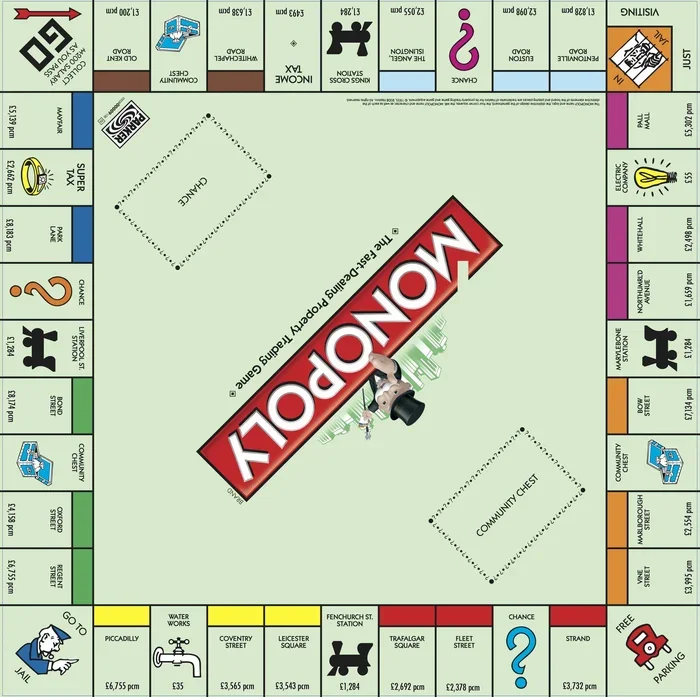
When you run low on cash in Monopoly, mortgaging properties can save your game. Understanding what is mortgaged in Monopoly helps you manage money better. You can borrow against your houses and hotels to stay in the game. This guide explains the rules clearly so you can play smarter.
Key Takeaways
- Mortgaging gives you cash: You get half the property value when you mortgage it.
- No rent collection: You cannot collect rent on mortgaged properties until you lift the mortgage.
- Interest costs extra: You must pay the mortgage value plus 10% interest to unmortgage.
- Houses must be sold first: You cannot mortgage a property that has houses or hotels on it.
- Strategic timing matters: Mortgage only when you need quick cash to avoid bankruptcy.
- Opponents can buy mortgages: Other players can pay the bank to lift your mortgage if you fail to do so.
- Plan your exits: Know which properties to mortgage first to minimize losses.
📑 Table of Contents
Understanding What Is Mortgaged In Monopoly Rules Explained
Monopoly is a game of money management. You buy properties. You build houses. You collect rent. But sometimes you run out of cash. That is when mortgaging comes in. What is mortgaged in Monopoly refers to using your properties as collateral to get quick cash from the bank. It is a lifeline when your wallet feels empty. Many players ignore this rule until they are in trouble. Learning it early gives you a real advantage. You can stay in the game longer. You can also plan your moves better. Let us break down how mortgaging works and why it matters.
Think of mortgaging like a short-term loan. You trade a property for cash. The bank holds the property until you pay it back. You do not lose the property forever. You just pause its earning power. This rule exists to keep the game moving. Without it, players would go bankrupt too fast. The game would end before anyone could build a real empire. Mortgaging adds strategy. It forces you to weigh short-term cash against long-term income. That balance is what makes Monopoly exciting.
You might wonder when to use this rule. The answer depends on your board position. Some players mortgage early to fund more buys. Others wait until they face a big rent bill. Both approaches work if you understand the trade-offs. The key is to know the exact rules. Many people guess and make costly mistakes. We will clear up every detail here. You will learn the steps, the costs, and the smart ways to use mortgages. By the end, you will play with confidence.
How Mortgaging Works In Simple Terms
Mortgaging is straightforward once you know the steps. You pick a property you own. You turn it face down on the board. You take cash from the bank. The amount is exactly half the property value. That is the core of what is mortgaged in Monopoly. The bank now holds a claim on that space. You cannot collect rent from it while it stays mortgaged. You also cannot build houses on it. The property is basically on pause.
Here is the basic flow:
- Choose a property you own outright.
- Flip the title deed face down.
- Collect 50% of the printed property value from the bank.
- Remember that the property cannot earn rent now.
The cash you get is immediate. That is the main benefit. You can use it to pay rent. You can use it to buy other spaces. You can also use it to avoid bankruptcy. The trade-off is simple. You lose income from that square. You also take on a debt you must repay later. Smart players weigh both sides before flipping a card. They ask themselves if the cash is worth the lost rent. Often the answer is yes in a tight spot.
You can mortgage multiple properties if needed. There is no limit to how many you can flip. You just need to own them. You cannot mortgage spaces you do not control. You also cannot mortgage a property that still has houses or hotels. That rule comes first. You must sell all buildings back to the bank before mortgaging. This step is easy to forget in the heat of the game. Keep it in mind and you will avoid illegal moves.
What Happens When You Mortgage A Property
Once a property is mortgaged, its role changes. It stops being an income generator. It becomes a cash reserve. The rent card is still yours. You still own the space. But the bank has a lien on it. That means you owe the bank the mortgage value plus interest if you want it back. The property stays on the board. Other players can still land on it. They just pay nothing to you. That is a big drop in earnings.
You also lose the ability to develop that space. You cannot add houses. You cannot add hotels. Any buildings must go first. The bank buys back houses at half price. That is another rule to remember. You lose some value when you sell buildings. Then you lose more when you mortgage the land. The chain of value drops fast. Plan each step carefully. The order of selling and mortgaging matters a lot.
When To Mortgage Versus When To Hold
Timing is everything in Monopoly. Some players mortgage too early. They grab cash and then miss out on rent. Others hold too long. They run out of money and go bust. The sweet spot is in the middle. Mortgage when you need cash to survive a big bill. Hold when your cash flow is steady. Ask yourself a few simple questions before you flip a card.
- Do I have enough cash for the next few turns?
- Is this property a major rent source for me?
- Can I unmortgage quickly after this?
- Will selling houses first cost me too much?
If the answer to the first question is no, mortgaging makes sense. If the answer to the second question is yes, think twice. High-rent properties are worth keeping active. Low-rent spaces are better candidates for mortgages. Color groups also matter. Complete sets earn more. Breaking a set by mortgaging one space can hurt your chances to build. Weigh the whole board, not just one card.
The Rules For Unmortgaging Your Properties
Getting a property back is just as important as mortgaging it. You do not want to stay in debt forever. The process is simple but it costs more than the original loan. You must pay the mortgage value to the bank. Then you must pay 10% interest on top of that. This is a key part of what is mortgaged in Monopoly rules explained. The interest is the bank’s fee for holding your property. It adds up fast if you wait too long.
Here is how unmortgaging works step by step:
- Pay the full mortgage value to the bank.
- Add 10% of that value as interest.
- Turn the title deed face up again.
- The property is now active and can earn rent again.
The total cost is the mortgage value plus 10%. For example, if a property was mortgaged for 50 dollars, you pay 50 dollars back plus 5 dollars in interest. That is 55 dollars total. You get the space back. You can start collecting rent again. You can also build houses once more. The property returns to full status. This is why timing matters so much. The longer you wait, the more it costs to restore.
Paying Back The Loan And Interest
Repayment is a one-time transaction. You do not pay monthly. You do not pay in installments. You pay the full amount at once. That is the rule. You can pay it on your turn or at any time during the game. Some groups allow payment only on your turn. Others allow it anytime. Agree on this before you start. Clear house rules prevent arguments later.
Interest is non-negotiable. The bank always takes 10%. There is no discount for quick repayment. There is no penalty for waiting either. The cost stays the same. That is why many players unmortgage as soon as they can. They want to restore rent income. They also want to avoid losing the property to someone else. The interest is small compared to the loss of income. Pay it back early when possible.
What If You Cannot Afford To Unmortgage
Sometimes you cannot pay the full amount. You may be short on cash. In that case, the rules offer a backup option. Another player can pay the bank for you. That player then owns the mortgage. They pay the mortgage value to the bank. They become the new holder of the debt. You owe them instead. This rule keeps properties moving. It also gives opponents a way to gain leverage.
This situation is rare but important. It can change the balance of the game. A player who bails you out gains power over you. They may demand favorable trades later. They may also collect the interest when you finally pay. Treat this option carefully. It is a tool, not a trap. Use it only when you have no other choice. Then plan to regain control fast.
Strategic Tips For Using Mortgages Wisely
Mortgaging is not just a panic move. It can be a smart strategy. You can use it to reshape your board position. You can use it to fund a key purchase. You can use it to survive a rough stretch. The best players treat mortgages as part of their plan. They do not wait until they are desperate. They think ahead. They know which spaces to flip and which to keep. This is where what is mortgaged in Monopoly becomes a real advantage.
Start by mapping your cash needs. Look at your hand. Look at the rents you may face. Look at the properties you want to complete. If you need a quick boost, mortgage a low-value space first. Save your high-rent properties for later. Keep your color groups intact if you can. A complete set is worth more than a quick cash grab. Protect your best income streams. Use weaker spaces as your backup fund.
Which Properties To Mortgage First
Not all properties are equal. Some are better to mortgage than others. Here is a simple ranking to follow:
- Mortgage low-rent spaces first.
- Mortgage single properties before complete color sets.
- Mortgage spaces far from your main strategy.
- Keep utilities and railroads for last if you need steady income.
- Avoid mortgaging properties in active color groups you plan to build on.
This order helps you lose less income. Low-rent spaces earn less anyway. Mortgaging them costs you less in lost rent. Single properties are easier to replace. Color groups are harder to rebuild. Protect the sets that matter most. Utilities and railroads can be good cash sources too. Keep them active if you rely on them. Your board layout should guide your choices.
How To Avoid Bankruptcy With Smart Mortgages
Bankruptcy ends your game. Avoiding it is the main goal of mortgaging. You can stay alive by managing cash flow. Track your incoming rent. Track your upcoming bills. Keep a buffer for surprise moves. If a big rent payment is coming, prepare early. Mortgage a space before the bill hits. That gives you time to react. Waiting until the last second is risky. You may not have enough cash to cover the debt.
Another tip is to stagger your mortgages. Do not flip everything at once. Keep some income active. Use one mortgage to bridge a gap. Then unmortgage it as soon as you can. Repeat this cycle if needed. This approach keeps your cash moving. It also keeps your board partially active. You still collect some rent. You still have development options. Smart pacing beats panic every time.
Common Mistakes Players Make With Mortgages
Many players mess up mortgaging because they rush. They do not read the rules. They do not plan the order of sales. They forget about interest. These mistakes cost games. Learning from them is easy once you know what to watch for. The biggest error is mortgaging a property that still has houses. You must sell buildings first. The bank buys them back at half price. That loss adds to your mortgage cost. Plan the sale before the flip.
Another common mistake is mortgaging a key rent generator. Players grab cash and then lose a big income source. They struggle to recover. They fall behind on rent collection. They eventually go bankrupt anyway. The fix is simple. Protect your top earners. Mortgage the weaker spaces first. Keep your best squares active. This preserves your cash flow. It also keeps your board strong.
Forgetting To Sell Houses Before Mortgaging
This mistake happens often in fast games. A player wants cash now. They flip a property with houses on it. That is not allowed. The rules require you to sell all buildings first. You cannot skip this step. The bank will not accept a mortgaged property with houses still on it. You must remove the buildings. You must take the lower buyback price. Then you can mortgage the land.
Remember the order clearly:
- Sell all houses back to the bank.
- Sell any hotels back to the bank.
- Receive half price for each building.
- Then mortgage the empty property.
- Collect half the property value from the bank.
Follow this sequence every time. It keeps your moves legal. It also helps you calculate your real cash gain. The numbers drop with each step. Know the total before you act. That way you do not expect more cash than you get. Clear math prevents bad decisions.
Mortgaging The Wrong Color Group
Color groups are the heart of Monopoly strategy. They let you build houses and hotels. They multiply your rent. Mortgaging one space in a set breaks the group. You cannot build on an incomplete set. That is a big loss. Many players do not think about this. They mortgage a space in a good color group for quick cash. Then they cannot develop it later. They lose long-term power for short-term relief.
The better move is to protect complete sets. If you must mortgage, choose a space outside your main color groups. Keep your key sets whole. If a set is already broken, mortgage the weakest space first. Do not mortgage the space you need most to complete the group. Think about the final goal. A full color group with houses is worth far more than a quick loan. Plan around that truth.
Expert Insights And Key Takeaways
Experienced players treat mortgaging as a tool, not a trap. They use it to control cash flow. They use it to time their builds. They use it to survive tough rounds. The best advice is to stay calm. Do not mortgage in a panic. Look at the whole board. Compare the cash you need with the income you will lose. Make the choice that keeps you in the game longest. What is mortgaged in Monopoly is really about balance. You trade present cash for future income. Manage that trade well and you will win more often.
Here are the core lessons to remember:
- Mortgage only when you need cash to stay in the game.
- Sell all houses and hotels before mortgaging any property.
- Unmortgage as soon as you can to restore rent income.
- Pay the mortgage value plus 10% interest to lift the debt.
- Protect complete color groups and high-rent spaces.
- Use low-value properties as your first mortgage options.
- Track your cash flow and plan ahead, not in panic.
These habits will sharpen your play. You will make fewer rushed moves. You will keep more income active. You will recover faster from bad turns. Monopoly rewards patience and planning. Mortgaging is part of that plan. Use it with care and it will serve you well.
Another expert tip is to communicate house rules early. Some groups allow unmortgaging only on your turn. Others allow it anytime. Some players let opponents buy mortgages at any time. Others restrict that to specific moments. Agree on these points before you start. Clear rules keep the game smooth. They also prevent disputes when money gets tight. A calm table makes better decisions. That is true in Monopoly and in life.
Finally, practice the math in your head. Know the half value of each property. Know the 10% interest on that value. Know the half buyback price for houses. These numbers come up often. Quick mental math helps you act fast. You will not hesitate when a big rent bill arrives. You will know exactly which card to flip. That confidence changes how you play. It turns pressure into opportunity.
Final Thoughts On Playing Smarter
Monopoly is a game of choices. Every turn asks you to weigh risk and reward. Mortgaging is one of the biggest choices you will make. It can save you from bankruptcy. It can also weaken your board if you misuse it. The rules are simple. The strategy is deeper. Learn the steps. Respect the costs. Protect your best income. Use low-value spaces as your backup fund. Do all of that and you will play with real skill.
Remember the main idea: what is mortgaged in Monopoly is a property used as collateral for quick cash. You keep ownership. You pause income. You owe the bank with interest. You can restore the property by paying it back. That is the full picture. Keep it in mind and you will make better moves. You will also enjoy the game more. Money tension is part of Monopoly. Managing it well is the real win.
Frequently Asked Questions
Can you collect rent on a mortgaged property in Monopoly?
No, you cannot collect rent on a mortgaged property. The space is paused until you pay the bank to lift the mortgage. Once you unmortgage it, rent collection returns.
Do you have to sell houses before mortgaging a property?
Yes, you must sell all houses and hotels back to the bank first. The bank buys them at half price. Only then can you mortgage the empty property.
How much cash do you get when you mortgage a property?
You get exactly half the printed property value from the bank. That is the standard mortgage amount in the game. It gives you quick cash but pauses the property’s income.
What does it cost to unmortgage a property?
You must pay the full mortgage value plus 10% interest. That total restores the property to active status. After payment, you can collect rent and build again.
Can another player buy your mortgaged property?
Yes, another player can pay the bank to lift your mortgage. They then own the debt and can collect interest from you later. This rule helps keep properties in play.
Is mortgaging a good strategy in Monopoly?
It can be if you use it wisely. Mortgage low-value spaces first and protect high-rent sets. Use the cash to avoid bankruptcy and unmortgage as soon as you can.
