What Is Hyperbole? Meaning, Examples and Quiz
Hyperbole is a figure of speech that uses deliberate, extreme exaggeration to make a point, add emphasis or create humour. When someone says “I have told you a million times to wash your hands,” they do not mean exactly one million times. They are stretching the truth on purpose to show how often it has happened. If you are asking what is hyperbole, the short answer is: obvious exaggeration that nobody takes literally. This guide explains hyperbole in plain English, with a clear definition, why people use it, how to spot it, more than thirty example sentences, how it differs from a simile, a metaphor and a lie, common mistakes, how to write your own, a practice quiz with answers and a short FAQ. It is part of our series on English grammar rules, and it works well beside what is a simile, what is a metaphor, what is personification and what is an idiom.
What is hyperbole in simple words?
In simple words, hyperbole means “making something sound bigger, better, worse, faster or more than it really is, on purpose.” The word is pronounced “hy-PER-bo-lee,” and it comes from an old word for “throwing beyond.” The speaker throws the truth past its real size to make an impression.
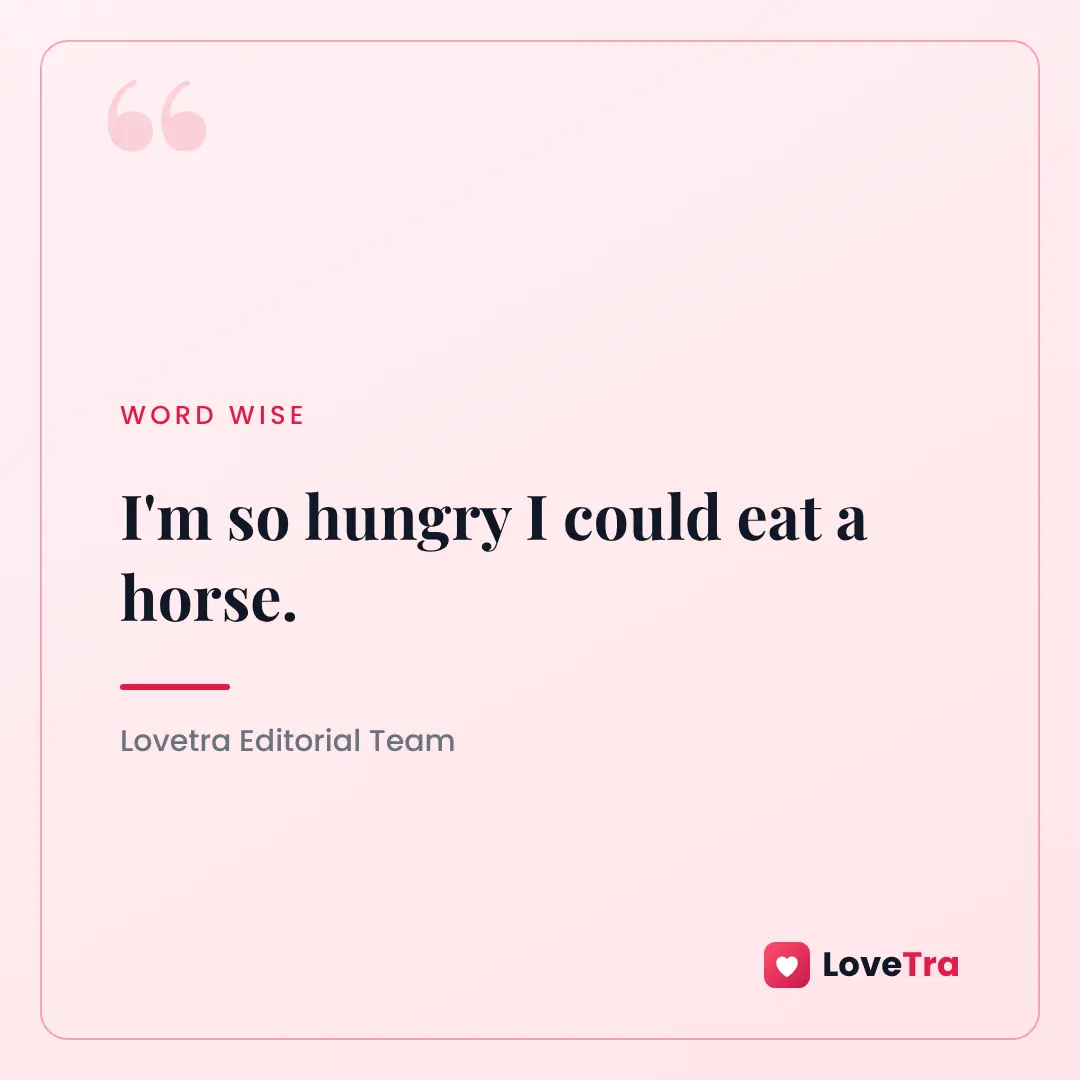
- “I am so hungry I could eat a horse.” (The person is very hungry, not planning to eat a horse.)
- “This bag weighs a ton.” (The bag is heavy, not truly a ton.)
- “She was waiting for ages.” (A long wait, not a thousand years.)
- “My backpack is full of rocks.” (It is heavy, not actually full of rocks.)
Everyone knows these are exaggerations, so hyperbole is not lying. A lie tries to make you believe something false. Hyperbole wants you to feel something true: that the person is very hungry, the bag is very heavy, the wait was very long.
Why do people use hyperbole?
People use hyperbole to stress a feeling, to make a story more vivid, to add humour and to catch attention. It is common in speech, stories, poems, speeches and advertisements, and children use it naturally.
- To show strong feeling. “I am so tired I could sleep for a week” tells us the speaker is exhausted.
- To add humour. “His room is so messy it needs its own postcode” makes a listener laugh.
- To emphasise a point. “Thank you a thousand times” is a warm way to show gratitude.
- To make stories lively. “The queue stretched all the way to the moon” paints a picture.
- To make a lesson memorable. “A kind word is worth more than all the gold in the world” lodges in the mind.
How do you spot hyperbole?
You spot hyperbole by asking, “Could this really be true, word for word?” If the answer is no, and the speaker obviously knows it, you have found hyperbole. Use these clues.
- Look for extreme numbers. Words such as “million,” “billion,” “thousand” and “hundred” are often signs.
- Look for extreme words. “Always,” “never,” “forever,” “everything,” “nothing,” “everybody” and “nobody” are common in hyperbole.
- Look for impossible actions. “I could sleep for a year” or “He ran faster than the wind” cannot be literal.
- Check the mood. Hyperbole usually carries strong feeling, such as joy, frustration, humour or admiration.
- Ask whether the speaker is believed. If no listener would take it as fact, it is hyperbole.
What are examples of hyperbole?
Here are thirty-two examples, grouped by situation. Notice how each one stretches the truth to make a feeling clear.
Hyperbole about size and amount
- This suitcase weighs a ton.
- There were a million people at the market.
- He has a mountain of homework tonight.
- Her hair was a mile long.
- The soup was an ocean in the pot.
- Our garden is the size of a whole country.
- The queue was a hundred miles long.
- That cake is big enough to feed an army.
Hyperbole about time and speed
- I have been waiting here for ages.
- He ran faster than the wind.
- It took forever to finish the work.
- She is as quick as lightning.
- I will be back in a split second.
- The lesson lasted a lifetime.
- He talks a hundred words a minute.
- I have told you a million times to close the gate.
Hyperbole about feelings and the body
- I am so hungry I could eat a horse.
- I am so tired I could sleep for a week.
- My feet are screaming after that walk.
- She laughed so hard the walls shook.
- He was so shy he nearly disappeared into the wall.
- I am so thirsty I could drink the whole lake.
- She was bursting with joy.
- My heart was in my throat.
Hyperbole about praise and character
- You are the kindest person in the whole wide world.
- She has a heart of gold.
- He is as strong as an ox.
- I would walk to the end of the earth for my family.
- Her smile could light up the whole town.
- A grandmother’s love is bigger than the sky.
- That teacher has the patience of a mountain.
- His generosity has no limits.
What is the difference between hyperbole, simile and metaphor?
All three are figures of speech, and they can overlap. Hyperbole exaggerates. A simile compares using “like” or “as.” A metaphor says one thing is another. A sentence can use more than one at once.
| Hyperbole | Simile | Metaphor | |
|---|---|---|---|
| What it does | Exaggerates on purpose | Compares with “like” or “as” | Says one thing is another |
| Example | I’m so hungry I could eat a horse. | He is as hungry as a wolf. | He is a hungry wolf. |
| Key idea | Extreme overstatement | Comparison | Direct comparison |
Some sentences are both: “He ran like the wind” is a simile, and since no one runs as fast as the wind, it is also hyperbole. Do not worry about the labels as much as the effect. For more on comparisons, read what is a simile and what is a metaphor.
Hyperbole vs a lie: what is the difference?
Hyperbole is not a lie, because both the speaker and the listener know it is an exaggeration. A lie is meant to deceive. This matters for children, who may wonder whether exaggerating is dishonest.
- Hyperbole: “I have a million things to do.” Everyone understands the meaning: very many.
- A lie: “I did all my homework” when you did not. This tries to make someone believe something false.
- A grey area: Exaggerating a story to impress people, so that they believe you did something you did not, crosses the line.
A simple rule: if the other person could be misled, do not exaggerate. Honest speech matters, and good character begins with careful words.
What mistakes do people make with hyperbole?
The most common mistakes are confusing hyperbole with a simile or a lie, using it too often, and using it where plain facts are needed. Here are examples.
- Calling a plain statement hyperbole. “I am very hungry” is not hyperbole. “I am so hungry I could eat a horse” is.
- Taking hyperbole literally. A child who hears “I am starving” may worry. Explain gently what it means.
- Overusing it. If everything is “the best ever” or “the worst day ever,” your words lose their power.
- Using it in a serious report. News, science, instructions and official letters need plain facts.
- Using it to mislead. If it could fool someone, it is no longer a harmless exaggeration.
- Confusing it with understatement. Understatement makes things sound smaller (“It is a bit chilly,” in a snowstorm). Hyperbole makes them sound bigger.
How do you write your own hyperbole?
You can write hyperbole in four steps. This is a fun activity for children, and it helps them practise vivid language.
- Pick a feeling or a fact. For example: “My bag is heavy.”
- Find the extreme. How heavy could it be? A ton? A mountain? An elephant?
- Write the exaggeration. “My bag weighs as much as an elephant.”
- Check that it is obviously untrue. If anyone might believe it, make it bigger.
Try finishing these sentence starters:
- I am so sleepy that…
- The queue was so long that…
- My little brother is so loud that…
- The soup was so hot that…
- The homework was so much that…
- My grandmother is so kind that…
To make your writing more colourful, read our guide on how to improve writing skills.
How can parents teach hyperbole to children?
Parents can teach it through humour and everyday talk. Children enjoy exaggeration, so this is one of the easiest figures of speech to teach.
- Play “bigger and bigger.” One person says a statement, and the other tries to make it bigger. “It’s a big tree.” “It’s as tall as a skyscraper.” “It’s as tall as the sky!”
- Collect hyperbole. Whenever you hear one, write it on a card.
- Read funny stories. Point out the exaggerations, and ask, “Could that really happen?”
- Link to honesty. Talk about why we exaggerate to be funny but never to deceive.
- Draw hyperbole. Ask your child to draw “a mountain of homework” or “a house as big as the world.”
- Use it for gratitude. Teach children to say “Thank you a million times” and to mean it sincerely.
Practice quiz: is it hyperbole?
Decide whether each sentence is hyperbole. Answers follow.
- I am so tired I could sleep for a year.
- The bus arrived at seven.
- This box weighs a ton.
- My brother ate three apples.
- She has told me a million times to wash up.
- The river is deep after the rain.
- He is so tall he can touch the clouds.
- The lesson begins at nine.
Answers
- Yes. Nobody sleeps for a year.
- No. This is a plain fact.
- Yes. The box is heavy, but not a literal ton.
- No. This could be true.
- Yes. “A million times” is an exaggeration.
- No. A plain description.
- Yes. Nobody can touch the clouds.
- No. A plain statement.
Frequently asked questions
What is hyperbole with an example?
Hyperbole is deliberate exaggeration, as in “I’m so hungry I could eat a horse.” The speaker means “very hungry,” not that they would eat a horse.
Is hyperbole a lie?
No. Both people know it is an exaggeration, so nobody is deceived. A lie tries to make someone believe something false.
Why is hyperbole used in writing?
Writers use it to show strong feeling, to add humour and to make descriptions memorable.
What is the opposite of hyperbole?
The opposite is understatement, which makes something sound smaller or less serious than it is.
Is “literally” a sign of hyperbole?
Sometimes people say “literally” for emphasis in hyperbole, as in “I literally laughed for a week,” but this use is informal. In careful writing, use “literally” only when you mean it.
Exaggerate with care
Hyperbole adds colour and humour to our words when it is used with care and honesty. Spot it in your reading, try it in your writing, and teach children the difference between a playful exaggeration and the truth. Continue your learning in our English grammar rules hub and the Character section.