

Bargaining in grief is that quiet, desperate part of loss where you try to make deals with fate, God, or yourself to undo what happened. It often shows up as if only thoughts, guilt, and a hope that you can trade something for a different outcome. Understanding this stage can help you stop blaming yourself and start healing with more compassion.
Grief does not arrive in a neat line. It comes in waves, and sometimes those waves pull you into a very strange place. You may find yourself making promises, replaying old moments, or trying to negotiate with reality. That reaction has a name. Bargaining in grief is the part of loss where your mind tries to make a deal to change what happened.
This stage can feel confusing because it often sounds like hope, but it can also feel like guilt. You may think, “If I had done something differently, maybe this would not have happened.” Or you may pray, plan, or promise in your head over and over. That does not mean you are weak. It means your brain is trying to find a way through pain.
In this article, we will look at what bargaining really is, why it happens, and how it shows up in everyday life. You will also learn how to tell the difference between healthy reflection and painful overthinking. Most of all, you will learn that this stage does not have to trap you. You can move through it with more clarity and less shame.
Key Takeaways
- Bargaining is a normal grief response: It often appears as “if only” thinking, prayer, or mental deals after a painful loss.
- It is about control, not magic: Bargaining tries to reduce helplessness by imagining ways the outcome could have changed.
- Guilt and regret often fuel it: Many people replay events and blame themselves for what they did or did not do.
- It can happen in relationships too: After a breakup or betrayal, people may promise to change in hopes of reversing the loss.
- Awareness helps reduce shame: Naming the pattern can soften self-blame and make emotions easier to manage.
- Support matters when it gets stuck: If bargaining turns into constant rumination, talking to a counselor can help.
- Healing comes from acceptance, not perfection: You do not need to solve grief with a perfect plan or a perfect apology.
📑 Table of Contents
What Is Bargaining in Grief
Bargaining in grief is a coping response that often appears after a loss or a major emotional shock. It is the mind’s attempt to regain control when life feels unpredictable. People may make silent deals, ask many “what if” questions, or try to find a way to reverse the outcome.
This stage is often linked with the broader idea of the stages of grief, though grief is rarely a straight path. Some people reach bargaining quickly. Others arrive there later. Some circle back to it many times. That is normal. Grief is personal, and it does not follow one fixed schedule.
Bargaining can look different from person to person. For one person, it may sound spiritual. For another, it may sound practical. For someone else, it may show up as endless mental replay. The common thread is the wish to change the past or influence the future through negotiation.
Why the Mind Tries to Make Deals
When something painful happens, the brain often searches for meaning. It wants a reason. It wants a solution. If there is no clear answer, bargaining can feel like a way to restore order. The mind says, “Maybe I can still fix this.”
That urge can be especially strong when the loss feels sudden or unfair. A person may feel shock, sadness, anger, and fear all at once. Bargaining gives the illusion of action. It creates a sense that something can still be done, even if the situation is beyond control.
This does not mean the deals are realistic. They are usually emotional, not logical. Still, they matter because they reveal how much pain a person is carrying.
Common Thoughts in This Stage
Bargaining often shows up in familiar thought patterns. You may notice phrases like:
- “If only I had noticed the signs sooner.”
- “I would do anything to have one more day.”
- “Maybe if I change, things will be different.”
- “I promise I will be better if this is reversed.”
- “What if I had tried harder?”
These thoughts can be gentle or intense. They can come and go. They may also mix with guilt, regret, and a deep wish to undo the pain.
How Bargaining Shows Up After Loss
Bargaining in grief is not always obvious from the outside. Sometimes it looks like quiet reflection. Other times it looks like anxiety, restlessness, or repeated apologies. A grieving person may seem focused on details because details feel manageable.

Visual guide about grief counseling therapy session
Image source: bayareacbtcenter.com
For example, someone may become fixated on small choices that happened before the loss. They may replay conversations, routines, or decisions. They may wonder whether a different action would have led to a different result. That mental replay can be exhausting.
Spiritual and Emotional Bargaining
Some people bargain through prayer or spiritual language. They may ask for more time, better outcomes, or relief in exchange for change. Others may make promises to themselves or to a higher power. This can bring temporary comfort, especially when life feels out of control.
At the same time, spiritual bargaining can become stressful if it turns into self-punishment. A person may start to feel that they must earn peace or that their grief is a sign of failure. That is a heavy burden to carry.
Bargaining and Guilt
Guilt and bargaining often travel together. When people feel responsible, even partly, they may try to negotiate with their own emotions. They may think, “If I can just explain this correctly, I will feel better.” Or, “If I had been more patient, more present, more aware, this would not have happened.”
This kind of thinking can make grief harder. It can keep a person stuck in the past. It can also create a false sense that pain is something to solve through perfect behavior.
Bargaining in Relationships and Breakups
Grief is not only about death. People can also grieve the end of a relationship, a friendship, or a trusted connection. In those situations, bargaining in grief may sound like a promise to change, a plea to reconnect, or a hope that enough effort will bring the person back.
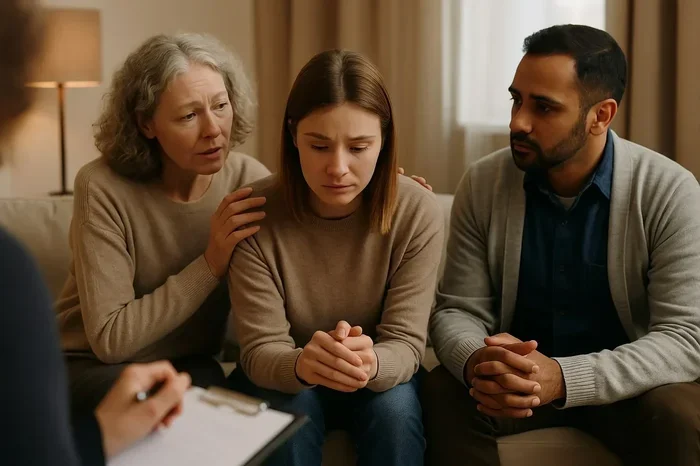
Visual guide about grief counseling therapy session
Image source: sereneheartcounseling.com
This can be especially painful because relationships involve two people, not one. You cannot always negotiate your way back into closeness. Sometimes the loss is real, and the mind still tries to find a workaround.
When Bargaining Becomes a Cycle
A person may repeat the same emotional loop: wish, promise, regret, hope, and repeat. They may check messages, revisit old memories, or imagine perfect explanations. This cycle can feel like love, but it may actually be a response to loss.
It helps to slow down and ask a simple question: “Am I trying to understand what happened, or am I trying to undo it?” Reflection can be healthy. Obsessive bargaining usually is not.
Healthy Reflection Versus Unhelpful Bargaining
Not every “what if” thought is harmful. Sometimes people need to process what happened in order to learn and heal. The difference is in the emotional tone and the outcome.
Healthy reflection usually leads to clarity. Unhelpful bargaining usually leads to more distress. Here is a simple comparison:
Healthy reflection tends to be calmer, more balanced, and focused on understanding. Bargaining tends to be urgent, repetitive, and focused on reversing the past. One helps you grow. The other can keep you trapped.
When Bargaining Feels Helpful and When It Hurts
Bargaining is not always bad. In the short term, it can give a person a sense of agency. It can help them feel less powerless for a moment. It can also point to what matters most to them. Promises made in grief often reveal deep values like love, loyalty, or care.

Visual guide about grief counseling therapy session
Image source: ecorial.org
The problem begins when bargaining becomes a permanent coping strategy. If a person keeps trying to negotiate with reality, they may delay acceptance. They may also carry more shame than they need to.
Signs Bargaining Is Getting Stuck
You may notice that bargaining is becoming a problem if it starts to:
- Drain your energy every day
- Increase self-blame
- Keep you from resting or functioning
- Make you unable to accept support
- Turn grief into constant mental replay
- Create fear that you will never heal
When those signs appear, the goal is not to force yourself to stop feeling. The goal is to create more room for peace.
Why Acceptance Is Not the Same as Giving Up
Many people fear that acceptance means they do not care. They worry it means forgetting, forgiving too quickly, or pretending the loss did not matter. That is not what acceptance is.
Acceptance usually means recognizing what happened and allowing reality to be what it is. It does not erase pain. It simply stops the fight against facts. That can create space for grief to soften over time.
How to Navigate Bargaining With More Compassion
If you are dealing with bargaining in grief, you do not need to shame yourself for having these thoughts. The first step is often simply noticing them. When you catch yourself bargaining, try to name it gently: “This is my mind trying to make sense of pain.”
That small shift can reduce the intensity. It reminds you that thoughts are not always commands. They are often just signals.
Practical Ways to Slow the Cycle
A few simple habits can help you step out of repetitive bargaining:
- Write down the thought instead of looping it in your head
- Ask whether the thought is helping you heal or only hurting you
- Limit the amount of time you spend replaying the past
- Talk to someone who can listen without trying to fix everything
- Focus on one small action you can take today
- Practice patience with your own healing pace
These steps do not erase grief. They make it easier to carry.
When to Reach Out for Support
Support can be especially useful if bargaining feels intense, constant, or tied to deep guilt. A counselor, therapist, or trusted support group can help you sort out what is realistic and what is fear talking. You do not have to handle this alone.
It may be time to seek extra help if you notice:
- Persistent hopelessness
- Trouble sleeping or eating for a long period
- Inability to stop blaming yourself
- Feeling overwhelmed by grief most days
- Thoughts that life is not worth living
If any of those feel familiar, please reach out to a professional or a trusted person right away. Grief can be heavy, and support can make a real difference.
Expert Insights on Moving Through Bargaining
Many grief experts suggest that healing becomes easier when people stop judging their own responses. Bargaining is not a flaw. It is a human reaction to loss. The goal is not to become perfectly composed. The goal is to move toward a place where pain no longer controls every thought.
Experts often emphasize a few helpful ideas:
- Grief can be non-linear
- Self-compassion reduces shame
- Routine and rest support emotional recovery
- Talking honestly about loss can reduce isolation
- Small rituals can help people feel grounded
These ideas do not make grief easy. They make it more bearable.
A Simple Grounding Practice
When bargaining thoughts start spinning, a grounding practice can help. Try this:
- Pause and take a slow breath
- Name five things you can see
- Name four things you can touch
- Name three things you can hear
- Name two things you can smell
- Name one thing you can feel right now
This pulls attention back into the present moment. It does not solve grief, but it can interrupt the spiral.
Key Takeaways for Healing
Bargaining is one of the many ways grief shows up. It can be uncomfortable, but it is also understandable. It reflects love, loss, fear, and the deep wish to have more time or more control. If you are in this stage, you are not broken. You are grieving.
The healthiest path forward usually includes honesty, patience, and support. You do not have to negotiate your way out of pain. You can allow the pain to be there while you keep living, one step at a time.
If you want to understand more about how grief and emotional stress can affect relationships, you may also find it helpful to read about relationship check in questions every couple should ask weekly or explore emotional needs you should never ignore in a relationship. Those topics can offer useful perspective when loss touches your close connections.
Final Thought
Grief asks a lot of us. Bargaining is one of the ways the mind tries to answer that request. It can feel desperate, but it can also be a sign that something mattered deeply. With time, support, and kindness toward yourself, the bargaining can soften. And little by little, the heart can begin to breathe again.
Frequently Asked Questions
What is bargaining in grief?
Bargaining in grief is a common response to loss where a person tries to make mental deals or ask “what if” questions to change the outcome. It often comes from a desire to regain control and reduce pain.
Why do people bargain after a loss?
People often bargain because grief can feel overwhelming and unpredictable. Making deals in the mind can create a temporary sense of hope or agency. It is usually an emotional attempt to cope, not a logical plan.
Is bargaining in grief a sign of guilt?
It can be. Many people bargain because they feel regret or responsibility, even when they are not truly at fault. Bargaining and guilt often reinforce each other, which can make healing feel harder.
How long does the bargaining stage last?
There is no fixed timeline. Some people experience bargaining for a short time, while others return to it on and off for longer. Grief is personal, so the pace varies from person to person.
Can bargaining happen after a breakup?
Yes. After a relationship ends, a person may promise to change, revisit old moments, or hope that enough effort will bring the other person back. That reaction can be part of grieving the loss of connection.
What helps when bargaining becomes overwhelming?
Naming the thought pattern, limiting rumination, and focusing on small present-moment actions can help. Support from trusted people or a counselor can also make a big difference if guilt or anxiety stays intense.
