
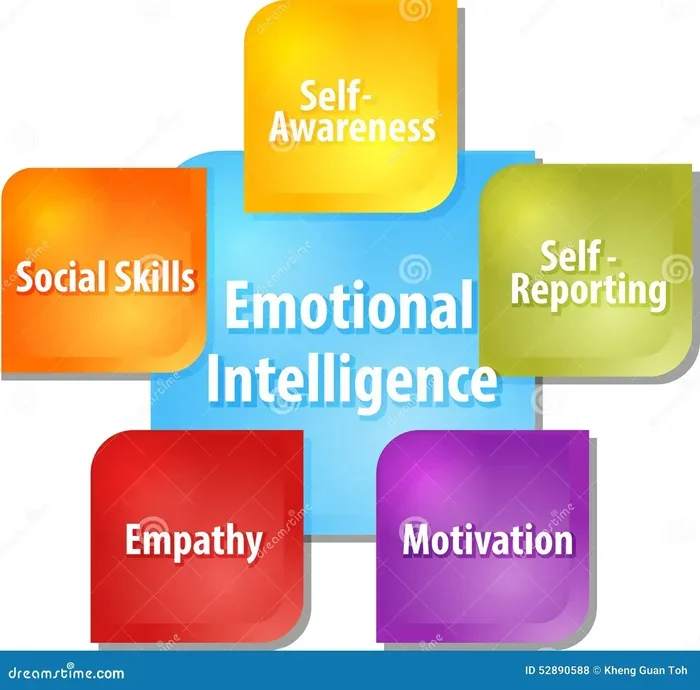
Emotional intelligence changes how you treat yourself and others. It helps you handle stress, communicate better, and build trust. When you understand feelings, you make smarter choices every day. These small shifts create a kinder, more balanced life.
Many people think being a good person means doing big heroic acts. Real goodness often starts much smaller. It starts with how you notice feelings, how you pause before speaking, and how you treat people when things get messy. That is where emotional intelligence enters the picture. Ways having emotional intelligence can make you a better person are everywhere, from your morning mood to the way you handle a tough conversation.
You do not need a perfect personality to grow here. You only need curiosity and a little practice. When you learn to read your own signals, you stop guessing. When you learn to respect other people’s feelings, you build trust faster. These skills may sound soft, but they create very real results. They help you stay calm, choose kindness, and move through life with more clarity.
This article walks through practical ways emotional intelligence improves daily life. You will see how self-awareness, empathy, communication, and self-control work together. You will also find simple habits you can try today. The goal is not to become flawless. The goal is to become a little wiser, a little kinder, and a lot more grounded.
Key Takeaways
- Self-awareness grows first: noticing your emotions helps you respond instead of react.
- Empathy builds connection: listening deeply makes others feel seen and valued.
- Better communication reduces conflict: clear words and calm tones prevent unnecessary fights.
- Stress management improves health: naming feelings lowers anxiety and supports steady decisions.
- Stronger relationships follow: trust grows when you show consistency and respect.
- Personal growth accelerates: feedback becomes useful when you stay open and curious.
- Daily habits matter: small reflective practices create lasting emotional strength.
📑 Table of Contents
- Why Emotional Intelligence Matters In Everyday Life
- Building Stronger Relationships Through Empathy
- Improving Communication And Reducing Misunderstandings
- Managing Stress, Impulses, And Tough Emotions
- Growing As A Person Through Self-Awareness
- Creating A Kinder Impact On The World Around You
- Quick Tips For Building Emotional Intelligence Today
- Common Mistakes To Avoid
- Expert Insights On Lasting Change
- Key Takeaways For Daily Life
- Conclusion
Why Emotional Intelligence Matters In Everyday Life
Emotional intelligence is the ability to notice feelings, understand them, and respond with care. It includes your own emotions and the emotions of others. That may sound simple, but it changes almost everything. It affects how you handle pressure, how you speak to family, and how you recover after a bad day.
People often assume kindness is just a personality trait. In reality, kindness is also a skill. It grows when you can pause, reflect, and choose a better response. That is one of the biggest ways having emotional intelligence can make you a better person. You become less controlled by impulse and more guided by values.
Understanding Your Own Emotional Patterns
The first step is noticing what happens inside you. Maybe your chest gets tight when you feel ignored. Maybe you get snappy when you are tired. These signals matter. They tell you something important before your mind has time to explain it.
When you track these patterns, you gain control. You start to see triggers instead of mysteries. You also stop blaming everyone else for your mood. That shift alone can improve your relationships and your self-respect.
Recognizing Feelings In Other People
The next step is noticing what others may be feeling. This does not mean reading minds. It means paying attention to tone, body language, and timing. A short reply may not be rude. It may mean someone is overwhelmed.
This kind of awareness helps you respond with patience. It also helps you avoid unnecessary conflict. When you assume good faith first, conversations become easier. That is another quiet way emotional intelligence improves your character.
Building Stronger Relationships Through Empathy
Relationships thrive when people feel understood. Empathy is the bridge that makes that possible. It helps you step outside your own viewpoint and imagine what someone else may be experiencing. This does not mean you always agree. It means you care enough to listen.
One of the most meaningful ways having emotional intelligence can make you a better person is by helping you become a safer person to talk to. People open up when they feel respected. They pull away when they feel dismissed. Empathy creates space for honesty.
Listening Without Trying To Fix Everything
Many people listen while planning their reply. Emotional intelligence encourages a different habit. It asks you to listen first and solve later, if needed. Sometimes people want comfort more than advice.
Try these simple listening habits:
- Put your phone away during serious talks
- Let the other person finish before speaking
- Reflect back what you heard in your own words
- Ask gentle questions instead of making assumptions
These habits may seem small, but they build trust quickly. They also reduce misunderstandings. Over time, people learn that you are steady and attentive.
Responding To Conflict With Care
Conflict is normal. Harmful reactions are not required. When emotions rise, emotional intelligence helps you slow down. You can notice the heat in your body and choose words that do not wound.
This matters because harsh words often linger longer than the original issue. A calm response does not weaken your position. It often strengthens it. People are more willing to work through problems with someone who stays respectful.
Improving Communication And Reducing Misunderstandings
Good communication is not about speaking perfectly. It is about making your meaning clear while leaving room for the other person. Emotional intelligence helps you do both. It keeps you aware of your tone, your timing, and your intent.
This is one of the practical ways having emotional intelligence can make you a better person because it improves how you show up in ordinary moments. A calm explanation is easier to hear than a sharp accusation. A thoughtful question is often better than a guess.
Using Clearer, Kinder Language
Words carry weight. They can reassure, confuse, or hurt. Emotionally intelligent communication focuses on clarity and respect. You do not need fancy language. You need honest language that avoids blame.
For example, instead of saying, “You never listen,” you might say, “I feel unheard when I get interrupted.” The first version attacks. The second version explains. That small change can lower defensiveness and open a real conversation.
Watching Tone And Body Language
Your message is not only in your words. It is also in your face, your posture, and your voice. A person can say the right words while sounding dismissive. Emotional intelligence helps you notice that mismatch.
If you want to communicate better, pay attention to:
- Whether your voice sounds tense or relaxed
- Whether your arms are crossed or open
- Whether you are making eye contact or avoiding it
- Whether your words match your mood
When your body and words align, people trust you more easily. That trust makes every relationship smoother.
Managing Stress, Impulses, And Tough Emotions
Life throws irritation, disappointment, and fear at everyone. The difference is what you do next. Emotional intelligence helps you handle those moments without letting them run the show. It gives you a pause between feeling and action.
This is one of the most valuable ways having emotional intelligence can make you a better person because it protects your choices. You are less likely to say something cruel, quit too quickly, or shut people out when you know how to regulate yourself.
Naming Emotions Before They Escalate
Feelings often grow stronger when they stay vague. A person may feel “bad” without knowing why. But naming the feeling can reduce its power. You might realize you feel embarrassed, left out, or overwhelmed.
Once you name it, you can respond more precisely. You may need rest, boundaries, reassurance, or a practical plan. That is much better than reacting to a blurry sense of discomfort.
Creating Simple Calm-Down Habits
You do not need a perfect coping system. You need a few reliable tools. Different tools work for different people, so it helps to experiment. The goal is to give your nervous system a chance to settle.
Helpful habits may include:
- Taking a slow walk before replying to a stressful message
- Breathing slowly for one minute
- Writing down what you feel and what you need
- Stepping into a quiet room for a short reset
These habits are not dramatic, but they are effective. They help you act like the person you want to be, even on hard days.
Growing As A Person Through Self-Awareness
Self-awareness is the foundation of emotional intelligence. You cannot change what you do not notice. When you understand your habits, strengths, and blind spots, growth becomes possible. You stop repeating the same reactions without thinking.
This is one of the deeper ways having emotional intelligence can make you a better person because it turns experience into learning. Mistakes become information instead of proof that you are failing. That mindset creates steady improvement.
Learning From Feedback Without Crashing
Feedback can sting. It can also help you grow. Emotionally intelligent people do not treat every critique as a personal attack. They sort through it calmly. They ask, “What is useful here?”
That does not mean accepting unfair criticism. It means staying open long enough to learn. If you defend yourself instantly, you may miss an important truth. If you reflect first, you give yourself a chance to improve.
Noticing Your Values In Action
A better person is not just someone who feels deeply. It is someone who acts in line with their values. Self-awareness helps you see whether your choices match what you claim to care about.
You might value honesty, patience, or generosity. Then you can ask simple questions:
- Did I speak truthfully today?
- Did I give others room to speak?
- Did I follow through on what I promised?
- Did I treat people with dignity when I was stressed?
These questions keep you honest. They also help you grow with purpose instead of guesswork.
Creating A Kinder Impact On The World Around You
Emotional intelligence does not only improve your private life. It also changes the atmosphere you bring into rooms, homes, and workplaces. People feel it when you are steady, respectful, and attentive. Your presence can lower tension and raise trust.
One of the most rewarding ways having emotional intelligence can make you a better person is that it helps your goodness reach further. You do not need a grand mission to make life better for others. Small acts of understanding often matter more than people expect.
Modeling Patience For Others
People often copy the emotional tone around them. If you stay calm during stress, others may do the same. If you speak respectfully, you make respect feel normal. That is a quiet form of leadership.
This matters in families, friendships, and teams. A patient person creates space for others to think, heal, and respond well. Over time, that can change the whole mood of a group.
Choosing Consistency Over Performance
Being a better person is not about looking good for a day. It is about showing up repeatedly. Emotional intelligence supports consistency because it helps you manage mood swings, frustrations, and setbacks.
People trust steady behavior more than dramatic promises. They notice when you remain kind after a bad day. They notice when you apologize instead of pretending. Those repeated choices define your character.
Quick Tips For Building Emotional Intelligence Today
You can start small. You do not need a total personality overhaul. A few simple habits can make a real difference within weeks.
- Pause for ten seconds before replying when you feel triggered
- Check your body signals when your mood shifts
- Ask one clarifying question before assuming meaning
- Practice one kind sentence every day, even in tension
- Review your day and note one emotional win
These small actions teach your brain new patterns. Over time, they become automatic. That is how emotional growth becomes part of daily life.
Common Mistakes To Avoid
Even well-meaning people can slip into habits that block growth. Knowing these traps helps you move past them.
- Assuming your first reaction is always the truth
- Ignoring your own stress until you explode
- Treating empathy as agreeing with everyone
- Using emotional language to manipulate instead of connect
- Expecting perfection instead of progress
Avoiding these mistakes keeps your growth honest. It also protects your relationships from unnecessary strain.
Expert Insights On Lasting Change
Emotional growth works best when it is practical, not theoretical. People usually improve by repeating small behaviors in real situations. That means everyday moments matter more than abstract advice.
It also helps to remember that emotional intelligence is not about suppressing feelings. It is about understanding them well enough to choose wisely. Feelings give information. They do not have to dictate every decision.
Key Takeaways For Daily Life
If you want a simple reminder, keep this in mind: notice, pause, choose, and repeat. That rhythm builds emotional strength over time.
- Notice what you feel before you act
- Pause when emotions run high
- Choose words that are clear and respectful
- Repeat these habits until they feel natural
These steps are simple, but they are powerful. They support better relationships, calmer decisions, and a more grounded life.
Conclusion
Emotional intelligence is not a fancy trait reserved for a few people. It is a learnable way of living that touches everything you do. It helps you understand yourself, connect with others, and respond to stress with more grace. Those are some of the most meaningful ways having emotional intelligence can make you a better person.
You do not have to change overnight. Start with one habit. Notice one feeling. Listen a little longer. Speak a little kinder. Over time, these choices add up. They shape the kind of person you become, and they improve the lives around you too.
Frequently Asked Questions
What are the first signs of emotional intelligence?
Early signs include noticing your own mood shifts, pausing before reacting, and paying attention to how others feel. You may also find it easier to name emotions instead of just reacting to them.
Can emotional intelligence improve my relationships?
Yes. It helps you communicate more clearly, listen better, and respond with less defensiveness. Those habits build trust and reduce unnecessary conflict.
How can I practice emotional intelligence every day?
You can start by checking in with your feelings, slowing down before you speak, and asking questions instead of guessing. Small daily reflection helps a lot over time.
Is emotional intelligence the same as being nice?
Not exactly. Being nice is often about pleasing people. Emotional intelligence is about understanding emotions and choosing thoughtful actions, even when things are difficult.
What if I get overwhelmed by strong emotions?
Try naming the feeling, stepping away briefly, and using a simple calming habit like slow breathing or writing. The goal is not to erase the emotion, but to give yourself space to respond wisely.
Why does emotional intelligence matter for personal growth?
It helps you learn from feedback, recognize your patterns, and make choices that match your values. That makes growth steadier and more honest.
