
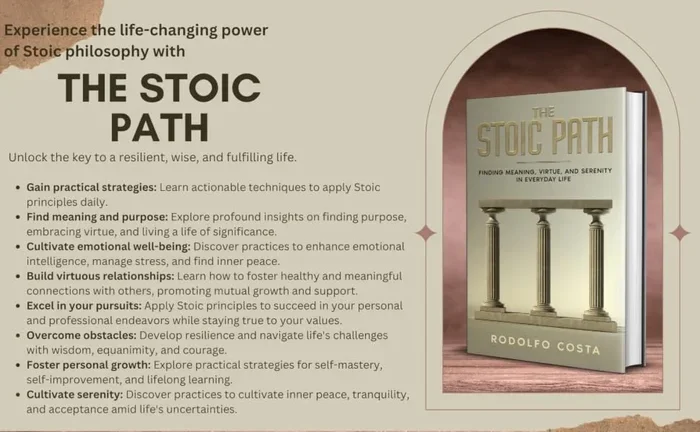
When life feels chaotic and directionless, timeless teachings from Stoicism offer a steady compass for the soul. These ancient principles teach us to focus on what we can control, release what we cannot, and find strength in everyday moments. You will discover how simple shifts in perspective can transform confusion into clarity. Let these Stoic wisdom for modern life guide you back to your path.
Life has a way of pulling us in too many directions. One day you feel clear and driven. The next, you wake up wondering where you are going. That feeling of being lost is more common than you think. The good news is that you do not need a complicated system to find your footing again. Sometimes the oldest wisdom holds the strongest answers. Timeless teachings from Stoicism remind us that clarity is not about having all the answers. It is about knowing which questions matter and where to place your attention.
Many people turn to philosophy when life gets heavy. That is a smart move. Stoic philosophy is not about suppressing emotions or pretending everything is fine. It is about building a steady mind that can handle real life without crumbling. When you feel lost, the goal is not to force a perfect plan. The goal is to take one honest step, then another. These ideas work because they are practical. They do not ask you to become someone else. They ask you to become more yourself, with less noise and more purpose.
If you are searching for Stoic wisdom for modern life, you are in the right place. Below you will find clear principles you can use today. You will also see how small habits can reshape your mindset over time. Let us walk through this together, one simple idea at a time.
Key Takeaways
- Focus on what you control: Stoicism teaches that peace comes from directing energy only toward your own actions and responses.
- Embrace discomfort as growth: Challenges are not roadblocks but training grounds for a stronger mind and character.
- Practice daily reflection: Regular self-check-ins help you stay aligned with your values and notice drifting thoughts early.
- Let go of external validation: True worth comes from within, not from praise, status, or other people opinions.
- Use negative visualization wisely: Imagining loss or difficulty prepares you to appreciate what you have right now.
- Build resilience through small habits: Consistent micro-practices create lasting mental strength over time.
- Seek community and guidance: You do not have to walk this path alone; trusted resources and conversations help.
📑 Table of Contents
What Are the Timeless Teachings From Stoicism
Stoicism started in ancient Greece and later grew in Rome. It was never meant to be a fancy theory for scholars only. It was a daily practice for regular people who wanted to live well. The core idea is simple. You cannot control everything that happens to you. You can control how you respond. That one shift changes everything. When you feel lost, this idea can feel like a lifeline. It pulls your attention away from the chaos outside and turns it toward the power inside.
The Stoic philosophy basics revolve around a few steady truths. First, your mind is your home. Guard it well. Second, your character is built through repeated choices, not grand speeches. Third, peace comes from aligning your wishes with reality, not fighting it. These ideas may sound simple, but they are deep. They help you stop wasting energy on things that do not belong to you. They also help you see that feeling lost is often a sign that your values need attention.
If you want a practical place to start, think about your daily focus. Ask yourself what is truly yours to manage. Your effort is yours. Your attitude is yours. Your next action is yours. Other people opinions, past mistakes, and uncertain futures are not fully yours. This does not mean you ignore the world. It means you engage with the world from a calmer place. That is the heart of ancient Stoic principles. They are not about withdrawing from life. They are about meeting life with steadiness.
Why Feeling Lost Is Not a Failure
Feeling lost can be uncomfortable, but it is not a sign that something is wrong with you. Often, it is a sign that your old map no longer fits the terrain. Maybe your goals changed. Maybe your priorities shifted. Maybe you outgrew a version of yourself that once felt safe. That can be unsettling. Still, it is part of growth. The Stoics understood that life is always moving. They did not expect people to stay fixed forever. They expected people to keep adjusting with honesty and courage.
When you feel lost, it helps to stop judging yourself for it. Judgment only adds weight. Instead, treat this moment as useful information. You may need rest. You may need clarity. You may need a new direction. None of those needs are shameful. In fact, they are healthy signals. The Stoic mindset for beginners begins with self-respect. You do not have to rush. You do not have to pretend. You can pause, look around, and choose your next step with care.
The Power of Focusing Only on What You Can Control
This is one of the most famous Stoic ideas, and for good reason. It works. When you feel lost, your mind often jumps to everything that might go wrong. You may worry about money, relationships, career choices, or how others see you. Those thoughts can spiral quickly. The Stoic approach does not ask you to ignore real concerns. It asks you to separate them into two groups. One group is within your control. The other group is not.
Here is a simple way to use this idea:
- Notice what is stressing you right now.
- Ask whether your action can change it.
- If yes, choose one small step.
- If no, practice letting it be for now.
This is not about giving up. It is about giving your energy a better home. When you stop fighting what you cannot change, you free up strength for what you can change. That is why timeless teachings from Stoicism are so helpful during uncertain seasons. They reduce mental clutter. They help you act with purpose instead of panic. Over time, this creates a calmer life, even when the outside world stays busy.
How to Apply Stoic Wisdom When You Feel Lost
Philosophy becomes useful when it turns into action. Reading about Stoicism is helpful, but living it is where the real change happens. If you feel lost, do not wait for a dramatic breakthrough. Start with small, repeatable practices. These practices help you build trust with yourself again. They also make big problems feel more manageable. The goal is not perfection. The goal is steady progress.
One practical method is to slow down your reactions. When something upsets you, pause before you speak or decide. Give your mind a moment to catch up with the moment. This simple pause can prevent regret. It also helps you respond from values instead of fear. Another helpful method is to define your best response in advance. Ask yourself, “If I were acting with patience and courage today, what would I do?” That question can cut through confusion fast.
You can also use Stoic mindset for beginners exercises that take only a few minutes. Try a short morning preparation. Ask yourself what challenges you might face. Decide how you want to meet them. Then try a short evening review. Look back at your day with kindness. Notice where you stayed grounded. Notice where you drifted. This kind of honest review builds self-awareness without harshness. It is one of the simplest ways to bring ancient Stoic principles into modern routines.
Daily Stoic Habits That Build Clarity
Clarity rarely arrives all at once. It usually grows through small habits that train your attention. The good news is that you do not need a huge routine. You need a few grounded practices you can repeat. Here are some habits that many people find useful:
- Start the day with one clear intention.
- Write down three things you can control today.
- Notice one moment where you react too quickly.
- End the day by naming one thing you handled well.
- Keep your screen time and noise level in check.
These habits may seem small, but small habits shape identity. If you keep showing up for yourself, your confidence grows. If you keep practicing calm responses, your mind gets stronger. That is how Stoic wisdom for modern life becomes real. It is not stored in abstract ideas. It is built through repetition. You learn to trust your own presence again.
It also helps to keep your environment supportive. A cluttered space can mirror a cluttered mind. A rushed schedule can make reflection harder. You do not need a perfect life to practice Stoicism. You just need enough space to breathe and think. Even a few quiet minutes can help you reconnect with what matters. If you want more tools for staying grounded during stressful seasons, you may also find it useful to read about how to stay healthy and positive in personal challenges. Supportive habits outside your mindset work can make your inner work easier.
Using Self-Reflection to Find Direction Again
Reflection is one of the most powerful tools for anyone who feels lost. It gives your thoughts a place to land. Instead of letting worries circle endlessly, you can examine them with calm curiosity. Try asking yourself a few honest questions. What am I avoiding? What do I actually want, not what I think I should want? Which part of my life feels out of alignment? These questions do not need perfect answers. They just need honest attention.
If you want a structured way to reflect, consider a weekly check-in. You can use simple prompts and keep your answers brief. The point is consistency, not length. A regular review helps you spot patterns. Maybe you keep overcommitting. Maybe you keep ignoring your need for rest. Maybe you are chasing goals that no longer fit. Once you see the pattern, you can make a better choice. If you enjoy guided reflection, you might also like relationship check in questions every couple should ask weekly, because the same habit of honest review can support many parts of life.
Building Resilience Through Stoic Practice
Resilience is not about never struggling. It is about recovering with grace. Stoicism teaches that difficulties are part of the human experience, not a personal insult. That perspective can be deeply freeing. When you stop expecting life to be easy, you become more adaptable. You also become less likely to collapse when things go wrong. This does not mean you stop caring. It means you care without making your happiness dependent on perfect conditions.
A useful Stoic exercise is to imagine challenges before they happen. This is not about catastrophizing. It is about preparation. Ask yourself what could test your patience, confidence, or focus. Then decide how you want to meet that test. This kind of mental rehearsal can reduce shock when difficulty arrives. It also helps you feel more capable. Over time, you start to see obstacles as training, not as punishment. That shift is a major part of Stoic resilience training.
Another key part of resilience is learning to speak to yourself with fairness. Many people become their own harshest critics. When they feel lost, they insult themselves for not having it all figured out. Stoicism offers a better path. It encourages steady self-respect. You can acknowledge confusion without turning it into shame. You can admit uncertainty without calling yourself weak. That kind of inner tone matters more than people realize. It shapes how quickly you recover.
Turning Obstacles Into Opportunities
Obstacles can feel like interruptions, but they often carry useful lessons. A delay may teach patience. A setback may reveal a blind spot. A disappointment may clarify what you truly value. The Stoics did not pretend hardship was pleasant. They simply believed hardship could be used well. That idea is especially helpful when you feel lost, because lostness often comes with friction. Instead of asking, “Why is this happening to me?” you can ask, “What can this teach me?”
Here is a simple comparison to show the difference in approach:
- Reactive response: Feel overwhelmed, blame circumstances, freeze, or rush into the wrong decision.
- Stoic response: Pause, separate what is controllable, choose a thoughtful action, and learn from the result.
This difference may seem small, but it changes everything over time. A reactive mind gets pulled around by every storm. A trained mind learns to stand firmer. That does not mean you never feel upset. It means you do not let upset run the whole show. If you are also navigating emotional strain in close relationships, you may find extra support in emotional needs you should never ignore in a relationship, since emotional awareness and self-regulation often work together.
The Role of Acceptance in Moving Forward
Acceptance is often misunderstood. People think it means giving up or pretending everything is fine. Real acceptance is different. It means seeing reality clearly before deciding what to do next. That is a strength, not a weakness. When you accept that you feel lost, you stop wasting energy denying it. Then you can work with your actual situation instead of fighting an imaginary one.
Acceptance also helps you release the need for immediate certainty. Many people feel lost because they want a guarantee that they are choosing correctly. Life rarely offers that kind of guarantee. Stoicism invites you to act with care even without perfect certainty. You can move forward with incomplete information. You can make the best choice available and adjust later. That is how progress happens. It is also how confidence returns, little by little.
Letting Go of What Holds You Back
Feeling lost is often tied to carrying too much. Too many expectations. Too many comparisons. Too many unfinished stories about who you should be. Stoicism encourages a lighter way of living. Not careless, but unburdened. You do not need to carry every opinion, every fear, and every “what if” all day. Some things are better set down. That does not make you indifferent. It makes you freer.
One of the hardest things to release is the need for approval. It is natural to care what people think. It is another thing to let their thoughts dictate your life. If you are constantly adjusting yourself to impress others, you will likely lose touch with your own direction. Stoic practice reminds you that your character matters more than public praise. That idea can be incredibly grounding when you feel uncertain. It brings the focus back to integrity.
Another burden is the habit of comparing your chapter to someone else highlight. Comparison distorts reality. It makes other people seem more settled and you seem more behind. The truth is usually messier. Many people are struggling quietly. Many people are also improvising. When you stop comparing, you give yourself room to grow at your own pace. If you ever feel stuck in a cycle of hopeless comparison, it may help to explore how to restart your life after a terrible breakdown, because rebuilding often starts with releasing old pressure.
Releasing Perfectionism and Overthinking
Perfectionism can disguise itself as high standards, but it often creates paralysis. You wait for the perfect plan, the perfect timing, or the perfect version of yourself. Meanwhile, life keeps moving. Stoicism pushes back against that trap. It values action over endless theorizing. It values effort over flawless conditions. If you feel lost, perfectionism can make the fog feel thicker. A better approach is to aim for good, honest movement.
Overthinking works the same way. The mind can spin in circles for hours and still not produce a better answer. Sometimes the most useful thing you can do is simplify the decision. Ask what matters most right now. Ask what the next reasonable step is. Then take it. Clarity often follows action, not the other way around. That is one of the most practical lessons in timeless teachings from Stoicism. You do not need total certainty to begin.
Finding Peace in the Present Moment
When people feel lost, they usually live in two places at once: the regret of the past and the fear of the future. Both can be exhausting. The present moment is where life actually happens, but it is easy to miss. Stoic practice encourages you to return to the now. Not by forcing positivity, but by noticing what is real in front of you. What task is in your hands? What breath is in your body? What choice is right in front of you?
This kind of presence is calming because it reduces mental time travel. You do not need to solve your whole life today. You only need to meet today well. That shift can make a huge difference. It lowers pressure. It also makes your actions more intentional. If you want more support in building a grounded, positive outlook during hard seasons, you may appreciate how happiness can be found even in the darkest of times. Perspectives like that can pair well with Stoic practice by reminding you that hope and discipline can coexist.
Creating a Life That Feels Meaningful Again
Meaning does not always arrive through one big revelation. More often, it grows through aligned living. You feel more meaningful when your actions match your values. You feel more lost when they do not. That is why Stoicism is so useful. It keeps asking you to live by principle, not by impulse alone. It encourages you to define the kind of person you want to be and then practice that daily.
Start by identifying a few core values. They might include honesty, kindness, courage, discipline, or service. Keep the list simple. Then ask how your current routine supports those values. If there is a mismatch, do not panic. Just notice it. Awareness is the first step toward realignment. You may discover that your life is not as off-track as it feels. You may also discover one or two changes that would make a big difference.
Meaning also grows through contribution. When you help others, even in small ways, your world often feels larger and more connected. Stoicism places strong emphasis on duty and community. It reminds us that we are social beings. We are not meant to live only for private comfort. If you are looking for a broader sense of purpose, think about how your strengths can serve someone else. That simple shift can brighten the path when it feels dim. If you want a practical reset while you figure out your next season, you might also explore how to do a mid year reset for your life. A reset can create space for new priorities to emerge.
A Simple Stoic Reset You Can Try This Week
If you want a concrete place to begin, try a seven-day reset. Keep it light and realistic. The goal is not to become a different person in a week. The goal is to create momentum. Here is a simple plan:
- Day 1: Write down what is making you feel lost.
- Day 2: List what is within your control and what is not.
- Day 3: Choose one value to focus on for the week.
- Day 4: Take one small action that matches that value.
- Day 5: Notice one moment where you stayed calm under pressure.
- Day 6: Let go of one unnecessary worry on purpose.
- Day 7: Review what helped and what still feels heavy.
This kind of reset works because it combines reflection, action, and release. It gives your mind a structure without overwhelming you. It also reminds you that progress can be modest and still matter. If you are trying to make a bigger life decision during this season, you may also benefit from thinking through how to figure out what to do with your life, since practical decision-making and Stoic clarity often support each other.
When to Seek Extra Support
Stoicism is powerful, but it is not a replacement for professional help when you need it. If your sense of being lost comes with deep depression, panic, trauma, or thoughts of harming yourself, please reach out to a qualified person as soon as you can. There is no shame in asking for support. In fact, asking for help can be one of the strongest choices you make. Wisdom includes knowing when to carry the load alone and when to let others help you carry it.
If you are trying to support someone else who feels stuck or overwhelmed, it can be tricky to know what to do. You can care deeply and still respect boundaries. You can offer presence without forcing solutions. If you want guidance on that kind of situation, you may find it useful to read how to get someone mental help when they refuse. Having a thoughtful approach can make you more helpful without burning yourself out.
Conclusion
Feeling lost does not mean you are broken. It often means you are ready for a clearer way forward. Timeless teachings from Stoicism offer exactly that kind of clarity. They help you focus on what matters, release what drains you, and build a steadier relationship with yourself. You do not need to master every idea at once. You only need to begin with one honest practice and repeat it with patience.
The path back to direction is usually built through small choices. Notice your reactions. Protect your attention. Act on what you can control. Treat obstacles as training. Make room for acceptance. Keep returning to the present moment. Over time, these habits create a life that feels more grounded and more your own. If you keep showing up with courage, the fog will thin. You will not need to have every answer to move forward well. You will only need to keep walking with integrity, one step at a time.
Frequently Asked Questions
How can Stoicism help when I feel lost in life?
Timeless teachings from Stoicism help by shifting your focus from things you cannot control to actions you can take today. That reduces overwhelm and gives you a clearer path forward. Over time, this steady focus can restore confidence and direction.
What is the first step to practicing Stoicism?
Start by noticing what is within your control and what is not. Then choose one small action that aligns with your values. Simple daily reflection and honest self-review are also excellent beginner habits.
Does Stoicism mean I should ignore my emotions?
No, Stoicism does not ask you to suppress emotions. It teaches you to observe them without letting them run your choices. The goal is balance, not numbness.
How do I stop overthinking when I feel stuck?
Simplify the decision in front of you and focus on the next reasonable step. Action often creates more clarity than endless thinking. A short pause before reacting can also reduce mental spirals.
Can Stoic practices really build resilience?
Yes, because they train you to meet difficulty with preparation, acceptance, and steady self-talk. Resilience grows when you practice responding well to stress instead of avoiding it. Small repeated habits make a big difference.
What if I still feel lost even after trying these ideas?
That is okay. Some seasons take longer to work through, and extra support can help. Keep using simple Stoic habits, but also consider talking with a trusted friend or professional if the weight feels too heavy.
