
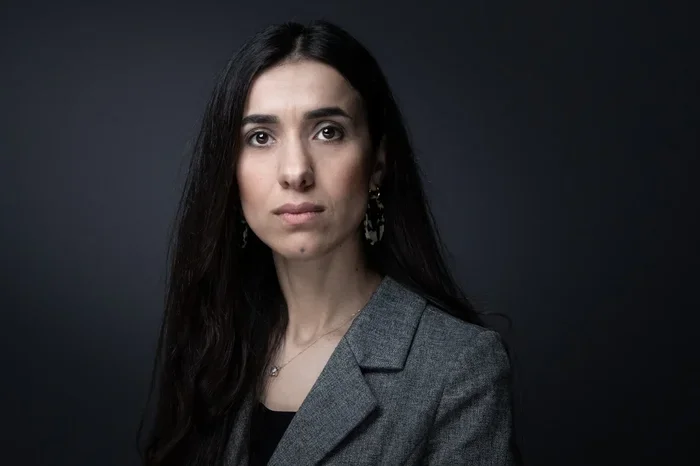
Nadia Murad is a courageous human rights activist and Nobel Peace Prize Winner who survived horrific violence. Her powerful story highlights the strength of survivors and the urgent need for global justice. This article explores her life, mission, and why her work matters to everyone.
Nadia Murad is more than just a name. She is a symbol of courage, survival, and hope. When you hear about a Nobel Peace Prize Winner, you might think of famous leaders or politicians. But Nadia is different. She is a young woman who faced unimaginable pain and chose to fight back with her voice. Her journey from a small village to the world stage is truly remarkable.
Many people wonder what drives someone to speak out after such trauma. The answer lies in her deep sense of justice. She wants the world to know what happened to her people. She also wants to protect others from suffering the same fate. Her story is not just about the past. It is about building a better future for all survivors of violence.
This article will walk you through the life of this incredible woman. You will learn about her background, the challenges she faced, and the impact she has made. We will also look at why her work matters so much in today’s world. By the end, you will understand why she deserves all the recognition she has received. Let’s dive into the story of a true hero.
Key Takeaways
- Survivor turned activist: Nadia Murad transformed her personal trauma into a global movement for justice.
- Historic Nobel Prize: She won the Nobel Peace Prize Winner award in 2018 for her efforts to end sexual violence in conflict.
- ISIS survivor: Her story brings attention to the Yazidi genocide and the atrocities committed by extremist groups.
- Global advocacy: She works tirelessly to protect survivors and hold perpetrators accountable through international law.
- Human rights champion: Her work emphasizes the importance of listening to survivors and believing their stories.
- Inspiration for many: Nadia shows how one voice can create massive change and give hope to others.
- Call to action: Everyone can help by supporting organizations that fight for justice and human dignity.
📑 Table of Contents
Who Is Nadia Murad? A Story of Survival
Nadia Murad was born in a small village in Iraq. She belongs to the Yazidi community, a religious minority group. Her childhood was simple and peaceful. She dreamed of becoming a teacher. But her life changed forever in 2014. That year, a violent extremist group attacked her home. This event marked the beginning of a long and painful journey.
The Attack on Her Village
In August 2014, armed fighters stormed her village. They targeted the Yazidi people with extreme brutality. Many people were killed. Others were taken captive. Nadia was one of the young women who were captured. She was forced into a situation of unimaginable horror. The attackers wanted to destroy her community and break their spirits.
During this time, Nadia witnessed terrible acts of violence. She lost family members and friends. The pain she experienced was beyond words. Yet, even in the darkest moments, she held onto a spark of hope. She knew that surviving was not enough. She needed to tell the world what was happening.
Escape and Freedom
After months of suffering, Nadia managed to escape. She fled into the mountains and eventually found safety. Her freedom was a miracle, but it came with heavy emotional scars. Many survivors struggle with trauma after such experiences. Nadia was no exception. She had to rebuild her life from scratch. This process was not easy.
She moved to a refugee camp and later to Germany. There, she began to heal. But healing did not mean staying silent. She realized that her story could help others. She decided to become an advocate. This choice changed everything. It turned her pain into a powerful force for good.
The Nobel Peace Prize Winner Recognition
In 2018, Nadia Murad received one of the highest honors in the world. She was named a Nobel Peace Prize Winner. This award recognized her incredible courage and her work to end sexual violence in conflict zones. It was a historic moment for survivors everywhere. The Nobel Committee praised her for her strength and her unwavering commitment to justice.
Why She Won the Award
The Nobel Peace Prize is not given lightly. It is awarded to people who make extraordinary efforts for peace. Nadia won because she spoke out when many others stayed quiet. She brought global attention to the use of sexual violence as a weapon of war. Her testimony helped the world understand the scale of the crisis. She also pushed for legal action against those responsible.
Her work goes beyond sharing her story. She founded an organization to help survivors. This group provides support, medical care, and legal aid. She also lobbies governments and international bodies. She wants laws to be enforced and perpetrators to be punished. Her efforts have inspired many other survivors to come forward.
The Impact of the Nobel Prize
Winning the Nobel Peace Prize Winner award gave Nadia a larger platform. She could reach more people and influence more leaders. The prize also brought more funding to her organization. This allowed her to help more survivors around the world. It was a turning point in her advocacy work.
The recognition also validated the experiences of countless survivors. It showed that their voices matter. It sent a message that sexual violence in war is a serious crime. The world began to pay closer attention to these issues. Nadia’s win was a victory for all those who have suffered in silence.
Advocacy and Global Impact
Nadia’s work is far-reaching. She travels the world to speak at conferences, universities, and government meetings. She meets with world leaders and urges them to take action. Her message is clear: survivors must be protected, and justice must be served. She does not shy away from difficult conversations. She faces tough questions with honesty and grace.
Supporting Survivors Worldwide
One of her main goals is to help survivors rebuild their lives. Many survivors face stigma and isolation. They often lack access to basic services. Nadia’s organization works to change this. They provide psychological support, education, and job training. They also help survivors find safe housing. This holistic approach is essential for true recovery.
She also emphasizes the importance of mental health. Trauma can linger for years. Survivors need professional care to heal. Nadia encourages communities to support mental health services. She believes that healing is a journey, not a quick fix. Her empathy and understanding make her a trusted voice for many.
Fighting for Legal Justice
Another key part of her work is pushing for legal accountability. She wants international courts to prosecute those who commit crimes against humanity. She argues that impunity only encourages more violence. When perpetrators face consequences, it sends a strong message. It shows that the world will not tolerate such atrocities.
Nadia has testified before the United Nations and other bodies. She shares her story to push for policy changes. She also works with legal experts to strengthen laws. Her goal is to ensure that no one else has to suffer like she did. This fight for justice is ongoing and challenging. But she remains steadfast and determined.
The Yazidi Community and Cultural Context
To understand Nadia’s story, it helps to know about the Yazidi people. The Yazidis are an ancient religious community. They have faced persecution for centuries. Their culture values peace, community, and resilience. When the attack happened, it was not just a personal tragedy. It was an attack on an entire culture and heritage.
A History of Persecution
The Yazidi community has a long history of facing violence. They have been targeted by various groups over the years. This history adds weight to Nadia’s advocacy. She speaks not only for herself but for her people. She wants the world to recognize the Yazidi genocide. Acknowledgment is a crucial step toward healing and justice.
Her work brings attention to minority rights. Many groups around the world face similar threats. Nadia’s voice helps amplify those struggles. She shows how important it is to protect vulnerable communities. Her story reminds us that human rights are universal. No one should be left behind.
Preserving Culture and Memory
Nadia also works to preserve Yazidi culture. She knows that memory is a powerful tool. Remembering the past helps prevent future atrocities. She supports projects that document the stories of survivors. These records serve as evidence and as a tribute to those who suffered. They ensure that history is not forgotten.
Cultural preservation is also about hope. It shows that the Yazidi people are still here. They have survived and are rebuilding. Nadia’s presence on the world stage is a testament to this resilience. She carries her culture with pride and shares it with the world.
Challenges and Ongoing Struggles
Despite her success, Nadia faces many challenges. Advocacy work is emotionally draining. She constantly relives her trauma while speaking out. She also deals with the pressure of being a public figure. Many people look to her for answers and hope. This can be a heavy burden to carry.
Dealing with Trauma and Public Life
Being a Nobel Peace Prize Winner comes with scrutiny. Every word she says is analyzed. She must balance her personal healing with her public role. This is not easy. She has spoken openly about the difficulties she faces. She admits that some days are harder than others. Her honesty makes her relatable and human.
She also faces skepticism from some quarters. Not everyone wants to hear about these difficult topics. Some people prefer to ignore the problem. Others may doubt the stories of survivors. Nadia works to overcome these barriers. She uses facts, empathy, and persistence to make her case. Her resilience is truly inspiring.
The Road Ahead
There is still much work to be done. Sexual violence in conflict remains a global issue. Many survivors still lack support. Laws are not always enforced. Nadia knows that her fight is far from over. She continues to push for change every day. Her determination is a beacon of hope for many.
She also calls on others to join her. She believes that everyone has a role to play. Governments, organizations, and individuals can all make a difference. By working together, we can create a safer world. Nadia’s message is one of unity and action. She shows that one person can start a movement.
Lessons We Can Learn from Nadia Murad
Nadia’s life offers powerful lessons for all of us. Her story teaches us about resilience, courage, and the power of voice. It shows that even in the worst circumstances, we can choose to fight for what is right. Her journey is a reminder that hope can survive even in the darkest times.
The Power of Speaking Out
One of the biggest lessons is the importance of speaking out. Silence often allows injustice to continue. When survivors share their stories, it breaks the cycle of shame. It also helps others feel less alone. Nadia’s voice opened doors for many people. Her courage gave others the strength to speak up.
Speaking out is not just for survivors. It is for everyone who cares about justice. We can all use our voices to support those who are suffering. We can raise awareness and demand change. Nadia shows that words have power. They can shift opinions and inspire action.
Compassion and Action
Another lesson is the need for compassion. Survivors need understanding, not judgment. Nadia’s approach is rooted in empathy. She treats every survivor with dignity and respect. This compassion is a model for how we should treat others. It reminds us to listen and to believe.
Compassion must also lead to action. Feeling sorry is not enough. We need to support organizations and policies that help survivors. We can donate, volunteer, or advocate. Small actions add up to big changes. Nadia’s work shows that sustained effort creates real impact.
Conclusion
The story of Nadia Murad is one of the most powerful of our time. As a Nobel Peace Prize Winner, she has changed the way the world sees sexual violence in conflict. Her journey from a village in Iraq to the global stage is a testament to her strength. She has turned her pain into a mission that helps countless people.
Her work reminds us that justice is possible. It also reminds us that survivors are not just victims. They are leaders, advocates, and changemakers. Nadia’s legacy will continue to inspire future generations. Her voice will keep echoing in the fight for human rights and dignity.
If you want to learn more about how to support survivors or understand related topics, you might find helpful insights in articles like how to restart your life after a terrible breakdown or emotional needs you should never ignore in a relationship. These resources can provide additional perspective on healing and support. Nadia’s story is a call to action for all of us. Let us honor her by standing up for justice and compassion in our own lives.
Frequently Asked Questions
What is Nadia Murad known for?
Nadia Murad is best known as a human rights activist and a Nobel Peace Prize Winner who survived sexual violence by ISIS. She advocates globally to end sexual violence in conflict and supports survivors through her organization. Her work has brought international attention to the Yazidi genocide and the need for justice.
When did Nadia Murad win the Nobel Peace Prize?
She won the Nobel Peace Prize in 2018. The award recognized her efforts to end the use of sexual violence as a weapon of war and armed conflict. She shared the prize with Denis Mukwege, a doctor who also works to help survivors of sexual violence.
Where is Nadia Murad from?
Nadia Murad is from Iraq and belongs to the Yazidi religious minority. Her village was attacked in 2014 by extremist fighters who targeted the Yazidi community. She later escaped and now lives in Germany, where she continues her advocacy work.
What organization did Nadia Murad found?
She founded an organization called Nadia’s Initiative. This group focuses on helping survivors of sexual violence and supporting the reconstruction of her home community. It provides medical, legal, and psychological support to those who have suffered trauma.
Why is Nadia Murad important to human rights?
She is important because she gives a voice to survivors who are often ignored. Her testimony has helped shape international laws and policies on sexual violence in conflict. She also raises awareness about the persecution of minority groups and the need for global accountability.
How can people support Nadia Murad’s cause?
People can support her cause by donating to her organization and spreading awareness about the issues she fights. You can also advocate for policies that protect survivors and hold perpetrators accountable. Learning about human rights and sharing reliable information helps amplify her message. For more on healing and support, you might explore how to stay healthy and positive in personal challenges.
