
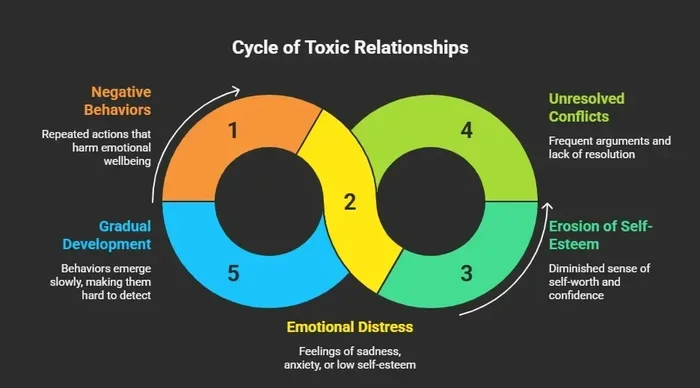
Recognizing the signs youre dealing with a highly destructive person can save your emotional well-being and stop toxic patterns before they worsen. Psychology shows that destructive individuals often use manipulation, constant criticism, and emotional exhaustion to control those around them. When you learn to spot these behaviors early, you can set firm boundaries and protect your peace. This guide breaks down the clear warning signs, explains why they happen, and shares simple steps to safeguard your mental health.
Have you ever walked away from a conversation feeling confused, drained, or somehow at fault? You are not alone. Many people stay too long in harmful dynamics because the warning signs start small and grow slowly. Signs youre dealing with a highly destructive person often hide behind charm, concern, or quick apologies that never lead to real change.
Psychology gives us a clear lens to understand these patterns. Destructive people rarely show their true colors on day one. Instead, they test boundaries, shift blame, and create emotional chaos over time. The good news is that once you know what to look for, the pattern becomes much easier to see.
In this guide, we will walk through the most common psychological red flags, explain why they happen, and share simple steps to protect your peace. You will learn how to spot toxic behavior early, set healthy limits, and regain control of your own life.
Key Takeaways
- Spot the manipulation early: Gaslighting, guilt trips, and twisting facts are classic destructive behavior patterns that undermine your confidence.
- Notice the emotional toll: Feeling drained, anxious, or constantly on edge often signals you are close to a toxic personality.
- Watch for lack of accountability: A highly destructive person rarely apologizes, shifts blame, and refuses to take responsibility for their actions.
- Set clear boundaries: Learning to say no and limit contact protects your mental health and stops the cycle of harm.
- Trust your instincts: If something feels wrong, your gut is often picking up on subtle psychological red flags before your mind does.
- Seek support early: Talking to trusted friends or a counselor helps you gain clarity and break free from emotional manipulation.
- Focus on self-care: Rebuilding your confidence and peace takes time, but small daily habits restore your strength after toxic relationships.
📑 Table of Contents
- Understanding the Psychology Behind Destructive Behavior
- Common Signs Youre Dealing With A Highly Destructive Person
- How These Patterns Affect Your Mental Health
- Setting Boundaries With A Highly Destructive Person
- Practical Steps to Protect Yourself and Regain Peace
- When to Step Back and When to Walk Away
Understanding the Psychology Behind Destructive Behavior
Destructive behavior does not appear out of nowhere. It usually grows from deep insecurity, poor emotional regulation, or learned patterns from past experiences. A highly destructive person often uses control as a way to feel safe. They may not even realize how much harm they cause. Still, the impact on those around them is very real.
Psychologists often point to a few core traits that show up again and again. These include low empathy, high defensiveness, and a strong need to win every conversation. When these traits combine, they create a cycle of confusion and self-doubt for everyone else. The more you try to reason with them, the more they twist the situation.
Why Destructive People Push Your Buttons
Destructive people often target your soft spots. They learn what matters to you and use it as leverage. This is not always planned. Sometimes it is simply a habit built over years of getting their way. The result is the same. You start second-guessing yourself.
You may notice that simple topics turn into big fights. You may feel like you are walking on eggshells. This constant tension drains your energy and makes it harder to think clearly. Over time, you may even start blaming yourself for their reactions.
Quick Tip: If you feel confused after most talks with someone, write down what was said. Seeing the words on paper often reveals the real pattern.
Common Signs Youre Dealing With A Highly Destructive Person
The clearest signs youre dealing with a highly destructive person show up in how you feel after interacting with them. Your body and mind often notice the problem long before your logical brain does. Below are the most common patterns to watch for.
Constant Criticism Disguised as Help
Some destructive people mask harsh comments as advice. They say things like, “I am just being honest,” or “I only say this because I care.” The words sound gentle, but the effect is damaging. You start feeling like nothing you do is enough.
This pattern chips away at your confidence. You may begin apologizing more often or changing yourself to avoid the next critique. Real support builds you up. Destructive criticism keeps you small.
Gaslighting and Reality Twisting
Gaslighting is one of the most harmful psychological red flags. It happens when someone denies your experience, twists facts, or makes you question your memory. You might hear phrases like, “That never happened,” or “You are too sensitive.”
At first, this may seem like a simple misunderstanding. But when it repeats, it creates deep self-doubt. You may stop trusting your own judgment. That is exactly what makes this tactic so destructive.
Emotional Volatility and Unpredictable Moods
A toxic personality often brings sudden mood shifts into every room they enter. One moment they are warm and charming. The next, they are cold, angry, or dismissive. You never know which version you will get.
This unpredictability keeps you on high alert. Your nervous system stays activated, which leads to fatigue and anxiety. Over time, you may feel like you are losing your sense of calm.
Blame Shifting and Zero Accountability
Destructive people rarely own their mistakes. When something goes wrong, they point elsewhere. They may blame you, the situation, or bad luck. This destructive behavior pattern makes it nearly impossible to solve real problems.
You may find yourself apologizing for things you did not do. You may also feel responsible for their emotions. That is a heavy burden, and it is not yours to carry.
Isolation and Controlling Tendencies
Another major warning sign is the slow push toward isolation. A destructive person may criticize your friends, question your family, or make you feel guilty for spending time elsewhere. They may frame this as protection or love.
In reality, this behavior shrinks your support system. The fewer people you talk to, the easier it is for them to control the story. Healthy relationships encourage connection. Destructive ones demand dependence.
How These Patterns Affect Your Mental Health
Living near a highly destructive person takes a real toll. The stress builds quietly, so you may not notice the full impact until you feel burned out. Common effects include sleep problems, constant worry, low self-esteem, and trouble focusing.
Your body may also show signs of strain. You might get headaches, feel tense, or notice your appetite changing. These are normal responses to ongoing emotional pressure. They are signals, not weaknesses.
The more you stay in this environment, the harder it becomes to think clearly. You may start making decisions based on fear instead of what you truly want. That is why early awareness matters so much.
Common Mistakes:
- Ignoring your gut feelings because the person seems nice sometimes
- Trying to fix them instead of protecting yourself
- Blaming yourself for their moods and reactions
- Isolating further instead of reaching out for support
Setting Boundaries With A Highly Destructive Person
Once you recognize the signs youre dealing with a highly destructive person, the next step is protection. Boundaries are not punishments. They are clear lines that keep your energy and values safe. The goal is not to change them. The goal is to change what you allow.
Start With Small, Clear Limits
You do not need a dramatic confrontation to begin. Start with simple statements. For example, “I will not continue this talk if you yell,” or “I need to step away when things get heated.” Then follow through. Consistency teaches people how to treat you.
Keep your tone calm and steady. You do not need to over-explain. Long justifications often give destructive people more material to argue with. Short, clear words work better.
Protect Your Time and Energy
Limit how much you share, how long you stay on the phone, and how often you engage in heated topics. If certain subjects always lead to conflict, step back from them. You are allowed to keep your peace.
It also helps to reduce contact when possible. Less exposure means less damage. Even small breaks can help your nervous system reset.
Expert Insight: Boundaries work best when they are about your actions, not their behavior. Say what you will do, not what they must stop doing. This keeps you in control of your own choices.
Practical Steps to Protect Yourself and Regain Peace
Getting free from a destructive dynamic takes time. The process is rarely perfect, and that is okay. What matters is that you keep moving toward safety, clarity, and self-respect. Below are practical steps that help.
Reconnect With Your Support System
Talk to people who see you clearly and care about your well-being. Share what is happening without minimizing it. Outside perspectives often break the fog of confusion. They remind you that your feelings are valid.
If you have been isolated, start small. Send a message. Make a short call. Rebuilding connection is one of the strongest ways to weaken a destructive influence.
Practice Emotional Detachment
You cannot control a destructive person, but you can control how much you invest in their drama. Try to observe their behavior without absorbing it. Remind yourself that their reactions are about them, not you.
This does not mean becoming cold. It means protecting your heart from unnecessary harm. Over time, this mindset reduces the emotional sting.
Rebuild Your Confidence Daily
Destructive people thrive when you doubt yourself. Counter that by noticing your strengths, keeping small promises to yourself, and celebrating progress. Simple habits like journaling, walking, or talking with a trusted friend can restore your sense of self.
If you want to go deeper, you may find it helpful to read about how to restart your life after a terrible breakdown. Rebuilding is possible, even after a long stretch of stress.
Know When to Seek Professional Help
Sometimes the pattern is too heavy to carry alone. A counselor or therapist can help you sort out what is happening, strengthen your boundaries, and heal the damage. If you are worried about someone close to you, you can also explore how to get someone mental help when they refuse.
Professional support is especially useful when you feel stuck, scared, or unsure what to do next. You do not have to figure everything out by yourself.
When to Step Back and When to Walk Away
Not every difficult person is destructive, and not every relationship ends the same way. The key question is this: does the relationship leave you smaller, safer, or more confused? If the answer is consistently “smaller and confused,” it may be time to create serious distance.
Walking away is not failure. It is often the healthiest choice. You may choose a clean break, or you may need a slow fade depending on the situation. Either way, your well-being comes first.
If you are living with this person, the exit plan may take more preparation. You may need to secure finances, arrange a safe place, or line up support. For guidance on this tougher scenario, you can read how to break up with someone you live with.
If the relationship is romantic and you are trying to understand whether it can be saved, it may help to look at emotional needs you should never ignore in a relationship. Clear needs and mutual respect are the foundation of any healthy partnership.
Key Takeaways:
- The signs youre dealing with a highly destructive person often show up as manipulation, criticism, blame-shifting, and emotional exhaustion.
- Destructive behavior thrives on confusion, so clarity and outside support are powerful antidotes.
- Boundaries work best when they are simple, consistent, and focused on your own actions.
- Protecting your mental health may mean reducing contact, stepping back, or leaving entirely.
- Healing takes time, but small daily choices rebuild confidence and peace.
Frequently Asked Questions
What are the first signs youre dealing with a highly destructive person?
The earliest signs often show up as constant criticism, frequent gaslighting, and a feeling that you are always at fault. You may also notice that you feel drained after spending time with them. Trust those early warnings.
How can I tell if someone is toxic or just going through a hard time?
A person under stress usually shows remorse and tries to do better. A toxic personality tends to repeat the same harmful patterns and resists accountability. Look for consistency over time, not just one bad week.
Why do destructive people twist the truth so often?
Twisting the truth helps them avoid shame and keep control. It also makes you question your own memory, which gives them more power. This is one of the most common psychological red flags in harmful dynamics.
Can a highly destructive person change their behavior?
Change is possible, but it usually requires deep self-awareness, honest accountability, and steady effort. Without that, the same destructive behavior patterns tend to continue. You cannot force change, but you can choose what you allow.
What is the best way to set boundaries with a destructive person?
Keep your limits clear, calm, and short. Say what you will do if the line is crossed, then follow through. The goal is to protect your energy, not to win an argument.
How do I heal after being around a highly destructive person?
Start by reconnecting with supportive people and reminding yourself that the problem was not your worth. Small daily habits like rest, journaling, and gentle self-talk help restore confidence. If the stress feels heavy, a therapist can help you recover more safely.
