
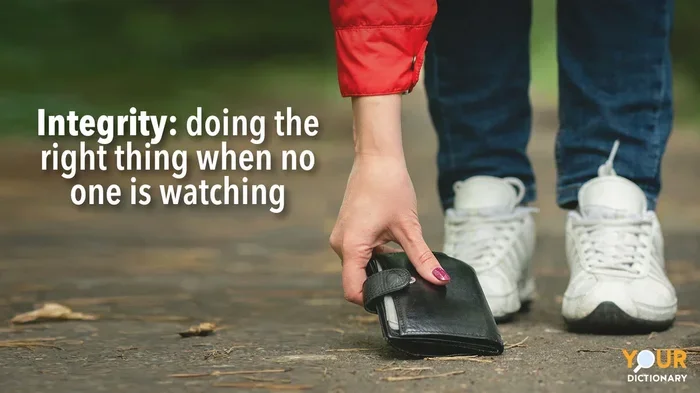
Being a stand up person means your actions match your words every single time. You show up when it matters, keep your promises, and treat others with genuine respect. These signs you’re a stand up person who always does the right thing reveal a character built on honesty and quiet strength. When you live with integrity, people notice, trust grows, and your relationships become deeper and more meaningful.
Some people leave a quiet mark on the world. They do not chase applause. They do not need constant praise. They simply show up, do what they say, and treat others with care. If you have ever wondered whether you fit that description, you are not alone. Many good people question themselves. They want to know if their daily choices reflect the values they claim to hold. The truth is simple. Character reveals itself in small moments. It shows up in how you handle stress, how you treat strangers, and how you respond when no one is keeping score.
This article will walk you through the clear signs you’re a stand up person who always does the right thing. We will look at everyday habits, relationship patterns, and inner habits that point to strong moral character. You will also find practical tips to strengthen your integrity and avoid common traps that quietly erode trust. By the end, you will have a clear mirror to check your own behavior and a simple path to keep growing.
Integrity is not a loud trait. It is a steady one. It lives in the choices you make when you are tired, when you are tempted, and when it would be easier to look away. Let us break down what that actually looks like in real life.
Key Takeaways
- Integrity shows in consistency: Your actions align with your values, even when no one is watching.
- Honesty builds trust: You speak the truth kindly and avoid hiding behind half-truths.
- Accountability defines character: You own your mistakes, apologize sincerely, and make things right.
- Respect guides your choices: You treat everyone fairly, regardless of their status or what they can give you.
- Reliability strengthens bonds: People know they can count on you because you follow through on your commitments.
- Empathy drives your decisions: You consider how your actions affect others before you act.
- Growth matters more than perfection: You keep learning, stay humble, and choose better paths over time.
📑 Table of Contents
- What Does It Mean to Be a Stand Up Person
- The Core Signs Youre A Stand Up Person
- How Integrity Shapes Your Relationships
- The Quiet Habits That Prove You Do the Right Thing
- Common Mistakes That Can Undermine Your Character
- How to Keep Growing as a Stand Up Person
- Final Thoughts on Living With Integrity
What Does It Mean to Be a Stand Up Person
A stand up person is someone whose words and actions line up. They do not say one thing and do another. They do not make big promises just to sound good. They keep their commitments, even when it costs them time, comfort, or convenience. This kind of person understands that trust is built in tiny moments, not in grand speeches.
Being a stand up person does not mean you are perfect. It means you are honest about your flaws. It means you try to do better when you fall short. It means you treat fairness as a habit, not a mood. People who live this way often carry a quiet confidence. They do not need to prove themselves because their behavior speaks for them.
Integrity Shows Up in Everyday Choices
You can spot integrity in ordinary situations. It appears when you return extra change given by mistake. It shows when you admit you forgot something instead of making an excuse. It appears when you hold the door, keep a secret, or follow through on a small favor. These moments seem minor, but they add up. They tell the world that your word matters.
People with strong character also notice the gap between what they say and what they do. They close that gap on purpose. They check themselves. They ask simple questions like, “Did I mean what I said?” and “Can I actually deliver on this?” That self-awareness keeps them grounded and honest.
Why Character Matters More Than Reputation
Reputation is what people think about you. Character is who you are when no one is watching. Reputation can be built with charm, timing, or a few lucky breaks. Character takes time, repetition, and real effort. A good person focuses on character because it outlasts trends, opinions, and social media attention.
When you prioritize character, you sleep better. You do not have to remember which story you told to which person. You do not have to manage a fake image. You can simply live in a way that feels clean and clear. That kind of peace is rare, and it is worth protecting.
The Core Signs Youre A Stand Up Person
If you want to know where you stand, look at your patterns. One good day does not define you. A repeated habit does. Here are the clearest signs youre a stand up person who tends to do the right thing, even when it is not easy.
You Keep Your Promises, Even Small Ones
Promises are not just big commitments like marriage or business deals. They are also the small ones. You said you would call. You said you would be there at six. You said you would send that file today. A reliable person treats these small promises with the same care as the big ones. Why? Because trust lives in the details.
When you keep small promises, people learn that your word has weight. They stop second-guessing you. They feel safe around you. That safety is the foundation of strong friendships, healthy romance, and lasting teamwork. If you sometimes drop the ball, own it quickly and fix it. That response matters just as much as the mistake itself.
You Own Your Mistakes Without Making Excuses
Nobody gets through life without messing up. The difference is what you do next. A moral character does not hide behind blame, drama, or clever excuses. It says, “I was wrong. I am sorry. Here is how I will make it right.” That simple sequence builds more trust than a perfect record ever could.
Owning mistakes also requires humility. It asks you to put your ego aside for a moment. That can feel uncomfortable, but it is healthy. People respect honesty more than they respect perfection. They know everyone stumbles. They want to know whether you will stand back up and take responsibility.
You Treat People Fairly, Even When It Costs You
Fairness is a strong sign of a stand up person. It means you do not take advantage of someone just because you can. It means you do not gossip to feel included. It means you give people a fair hearing before you judge them. This habit is especially visible in group settings, at work, and in family dynamics.
Choosing fairness can cost you in the short term. You might lose a quick win. You might miss a chance to look smart. But you gain something better: respect. People remember how you treated them when the pressure was on. They remember whether you played fair when no one forced you to.
How Integrity Shapes Your Relationships
Good character does not just look nice on paper. It changes the way people connect with you. It affects your friendships, your family ties, and your romantic relationships. When you act with honesty and care, you create a safer space for other people to be real too.
Trust Grows When Your Actions Match Your Words
Trust is not a switch. It is a slow build. Every time you follow through, you add a brick. Every time you lie, dodge, or flake, you remove one. Over time, the structure becomes clear. People know whether they can lean on you. They know whether your “yes” really means yes.
This is why consistency matters so much. You do not need to be impressive every day. You just need to be steady. A steady person becomes a safe person. Safe people attract deeper conversations, stronger bonds, and more honest conflict resolution. If you want better relationships, start by making your behavior more predictable in a good way.
You Listen Before You Judge
A good person does not rush to conclusions. They ask questions. They let people explain. They notice tone, context, and emotion. This habit prevents unfair judgments and reduces unnecessary hurt. It also makes people feel seen, which is one of the most basic human needs in any relationship.
Listening well is not passive. It is active and respectful. You put your phone down. You make eye contact. You reflect back what you heard before you react. These small moves change the tone of a conversation. They turn defensiveness into dialogue. They help you solve problems instead of winning arguments.
The Quiet Habits That Prove You Do the Right Thing
Strong character is not just about big moral tests. It is also about quiet routines. These are the habits that keep you aligned with your values when life gets noisy. They are easy to overlook, but they matter a lot.
You Think Before You Speak
Words have power. They can heal, confuse, or hurt. A stand up person pauses before reacting. They ask themselves whether what they are about to say is true, helpful, and kind. That pause creates space for better choices. It stops careless comments from causing real damage.
This does not mean you become silent or fake. It means you speak with intention. You share your honest view without needless sharpness. You disagree without attacking. You give feedback in a way that helps instead of humiliates. Over time, people learn that your words are worth hearing.
You Show Up When It Is Inconvenient
Anyone can be present when life is easy. Character shows up when it is not. You show up when a friend is going through a hard season. You show up when a project needs extra effort. You show up when you are tired but still committed. This kind of presence is a powerful sign of integrity.
Inconvenient support is rare, which makes it memorable. People do not forget those who stayed. They remember the text that came at the right moment. They remember the extra hour someone gave when it mattered. These acts may seem small, but they carry deep meaning. They tell people they are not alone.
You Respect Boundaries, Including Your Own
Respect is not just about being polite. It is about honoring limits. You respect other people’s time, energy, and personal space. You also respect your own limits instead of burning out to please everyone. This balance keeps your goodness healthy and sustainable.
Healthy boundaries actually protect your integrity. They stop resentment from building. They prevent you from overcommitting and then failing to deliver. They help you say no with clarity and kindness. When you respect boundaries, you show that you value people as whole human beings, not as tools for your own convenience.
Common Mistakes That Can Undermine Your Character
Even good people slip into habits that weaken trust. Awareness is the first step to fixing them. Here are a few common traps to watch for.
Trying to Look Good Instead of Being Good
It is easy to confuse image with integrity. You might share the right posts, say the right things, and look generous in public. But if your private choices do not match, the gap will show. People sense it. You feel it. Real character is not performed. It is practiced.
To avoid this trap, check your motives. Ask yourself why you are doing something. Is it to help, or is it to be seen helping? That question keeps you honest. It pulls you back toward substance instead of performance.
Confusing Niceness with Integrity
Being nice is pleasant, but it is not the same as doing the right thing. Sometimes the right thing is firm, direct, or uncomfortable. You may need to set a hard boundary. You may need to tell a hard truth. If you only chase approval, you may avoid the very actions that build real trust.
Healthy integrity balances kindness with courage. You are warm, but you are not weak. You are gentle, but you are not vague. That mix helps you stay trustworthy without becoming a pushover.
How to Keep Growing as a Stand Up Person
Character is not a finish line. It is a practice. You can keep strengthening it with simple, repeatable habits. The goal is not to become flawless. The goal is to become more consistent, more aware, and more helpful to the people around you.
Build Daily Habits That Support Integrity
Start small. Keep one promise today. Tell the truth in one conversation where it would be easier to dodge. Apologize quickly if you snap at someone. These tiny actions train your mind and shape your identity. They make honesty feel normal instead of dramatic.
You can also create personal check-ins. At the end of the day, ask yourself a few simple questions. Did I do what I said I would do? Did I treat people with respect? Did I avoid shortcuts that would weaken my trust? Reflection turns good intentions into better behavior.
Learn From Setbacks Without Shame
You will miss the mark sometimes. That is normal. What matters is how you respond. Shame says, “I am bad.” Growth says, “I made a mistake, and I can learn from it.” The second path keeps you moving forward. It helps you repair damage instead of hiding from it.
If you want a healthier mindset, focus on progress, not perfection. Notice where you improved. Notice where you still struggle. Then choose one small adjustment for next time. That steady approach builds real confidence, because it is based on truth instead of fantasy.
Surround Yourself With People Who Value Honesty
Character grows faster in a supportive environment. Spend time with people who value truth, accountability, and kindness. Let their standards influence you. At the same time, be that kind of person for others. Good character is contagious when it is lived out openly.
You do not need a huge circle. You need a few solid connections. People who challenge you gently, celebrate your growth, and call you out with care can help you stay on track. Relationships like that make integrity easier to maintain.
Final Thoughts on Living With Integrity
The signs you’re a stand up person who always does the right thing are not hidden. They show up in your promises, your apologies, your fairness, and your daily habits. They show up in how you treat people when you are stressed and how you act when no one is clapping. Integrity is not about being flawless. It is about being faithful to your values, again and again.
If you see yourself in these patterns, keep going. Keep your word. Keep your heart open. Keep choosing honesty over convenience. If you notice some gaps, do not panic. Growth starts with awareness. Pick one habit, improve it, and let the next right choice follow. That is how strong character is built, one honest step at a time.
Frequently Asked Questions
What are the clearest signs you’re a stand up person?
The clearest signs you’re a stand up person include keeping your promises, owning your mistakes, and treating people fairly even when it is inconvenient. You also show integrity by listening well, respecting boundaries, and letting your actions match your words over time.
Can a stand up person still make mistakes?
Yes, a stand up person can still make mistakes because integrity is about how you respond, not about being perfect. What matters is that you admit the error, apologize sincerely, and take steps to make things right. That response often builds more trust than a spotless record.
How do I know if I am really a good person?
You can ask yourself whether your daily choices reflect kindness, honesty, and accountability. A good person usually tries to do the right thing, repairs harm when possible, and treats others with respect even during stress. Self-reflection and feedback from trusted people can also help you see your patterns more clearly.
Why does integrity matter in relationships?
Integrity matters in relationships because it creates safety and predictability. When people know your words match your actions, they relax, open up, and trust you more deeply. That trust makes conflict easier to handle and connection stronger over time.
What is the difference between being nice and doing the right thing?
Being nice often focuses on keeping things pleasant, while doing the right thing focuses on honesty, fairness, and responsibility. Sometimes the right choice is kind, but sometimes it is firm or uncomfortable. A strong character balances both instead of choosing approval over truth.
How can I become more consistent with my values?
You can become more consistent by starting with small promises and keeping them on purpose. Daily reflection, honest apologies, and simple boundaries also help you align your behavior with your values. Over time, these habits make integrity feel natural instead of forced.
