

Recognizing when your wife loves someone else is crucial for any healthy relationship. This article explores emotional distance, sudden changes in behavior, and secretive habits—common warning signs many men overlook. While no relationship is perfect, consistent patterns of neglect, attraction to others, or emotional withdrawal can signal deeper issues. Understanding these signs early allows you to address concerns before they escalate.
Have you ever felt like something was off between you and your wife, but couldn’t quite put your finger on what it was? You come home from work, she smiles, but it doesn’t reach her eyes. You try to start a conversation about your day, and she responds with one-word answers. Or maybe she’s been distant lately—constantly on her phone, leaving the room when you enter, or acting strangely when certain topics come up. These subtle shifts can leave even the most observant husbands feeling confused, hurt, or insecure.
While every relationship goes through rough patches, persistent changes in behavior, especially those involving emotional withdrawal or secretive actions, should never be ignored. If you’re wondering whether your wife loves someone else, you’re not alone. Many men experience this fear at some point, often triggered by real-life events like work stress, financial strain, or simply growing apart over time. But how do you know if your concerns are justified? And more importantly, what can you do about it?
This article will walk you through the most common signs your wife loves someone else—not to jump to conclusions, but to help you understand what’s really going on beneath the surface. We’ll explore emotional, behavioral, and physical indicators, backed by real-world examples and expert insights. Whether you’re seeking clarity, preparing for difficult conversations, or just want to protect your peace of mind, this guide is here to support you every step of the way.
Key Takeaways
- Emotional Distance: If your wife suddenly becomes cold, dismissive, or avoids deep conversations, it could signal she’s emotionally invested elsewhere.
- Changes in Physical Intimacy: A noticeable drop in affection, lack of desire during sex, or avoidance of touch might indicate her focus has shifted.
- Secretive Behavior: Excessive phone use, unexplained absences, or defensive reactions when questioned are classic red flags.
- Comparisons and Compliments: Frequent comparisons to others (“He’s so thoughtful,” “She knows how to make me feel special”) often reveal hidden feelings.
- Loss of Interest in Shared Activities: When she no longer wants to spend time with you or participate in your life, it’s a major concern.
- Sudden Attention to Appearance: While not always negative, excessive grooming or dressing up for reasons unrelated to you could be a sign of attraction to someone else.
- Defensiveness About Her Actions: If she gets overly defensive about small things like who she talked to or where she went, it may mask guilt or secrecy.
📑 Table of Contents
Understanding Emotional Distance in Marriage
One of the earliest and most telling signs your wife loves someone else is a sudden emotional withdrawal. Think of it as a quiet shutdown—she’s still physically present, but her heart isn’t in the relationship anymore.
Imagine coming home after a long day at work, eager to share your thoughts, only to find your wife scrolling through her phone with a distracted expression. You ask how her day was, and she replies, “Fine,” before turning back to her screen. No eye contact. No follow-up questions. Just silence.
Or picture this: you suggest going out for dinner or planning a weekend trip together, and her response is lukewarm at best. “Maybe later,” she says, but later never comes. Over time, these small rejections pile up, creating a wall between you two. That emotional distance isn’t accidental—it’s often a deliberate choice when someone’s heart has already wandered.
According to relationship experts, emotional disconnection is one of the top predictors of marital breakdown. When a partner stops investing emotionally, it usually means they’ve found fulfillment elsewhere. This doesn’t happen overnight; it’s a gradual process marked by missed opportunities for connection, unspoken resentments, and a growing preference for solitude.
If your wife now avoids meaningful conversations, dismisses your attempts to bond, or seems indifferent to your emotional well-being, take note. These aren’t minor issues—they’re signals that the foundation of your marriage is shifting. And while it’s painful to face, acknowledging the problem is the first step toward resolution.
The Power of Nonverbal Cues
Sometimes, what people don’t say speaks louder than words. Nonverbal communication plays a huge role in relationships, and when someone’s interested in another person, their body language often gives them away.
For example, notice how your wife interacts with others versus how she treats you. Does she laugh easily around friends or coworkers but shut down during your attempts to connect? Is she more animated when talking to someone else? These differences aren’t random—they reflect where her attention truly lies.
Another red flag is avoidance. If she consistently turns away when you touch her shoulder, avoids sitting close to you, or crosses her arms when you approach, it could mean she feels uncomfortable around you. Physical distance mirrors emotional distance, and both point to a deeper issue.
Even facial expressions matter. Does she smile genuinely when you walk in, or does her expression quickly change to neutral or annoyed? Small details like these add up over time and reveal a lot about her true feelings.
Behavioral Changes That Raise Concerns
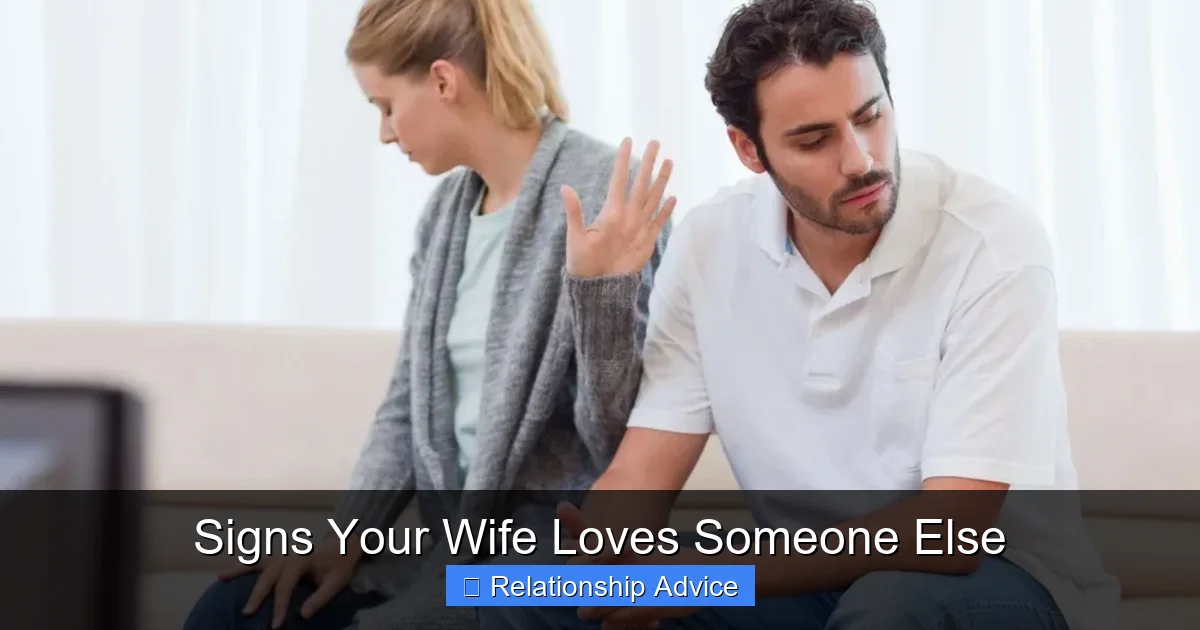
Visual guide about Signs Your Wife Loves Someone Else
Image source: potentialsigns.com
Beyond emotional shifts, behavioral changes are another clear indicator that your wife might be involved with someone else. These aren’t always dramatic—sometimes they’re subtle habits that slowly erode trust.
Consider this scenario: your wife used to call you every night to check in, but now she rarely does unless you text first. Or she’s started spending “too much time” at the gym, the office, or with friends—always vague about where she’s going and why. Even more concerning? She gets defensive if you ask too many questions.
Secretive behavior is never normal in a healthy marriage. If your wife hides her phone, changes passwords without explanation, or panics when someone knocks on the door, it’s worth investigating further. These reactions suggest she’s doing something she doesn’t want you to know about.
Another common sign? Sudden changes in daily routines. Maybe she’s staying up late, waking up earlier than usual, or making excuses to avoid being home at certain times. While everyone has busy periods, consistent patterns of absence or deception are warning signs.
It’s also important to pay attention to how she talks about other people—especially attractive or charismatic individuals. Does she light up when mentioning a colleague, ex-partner, or mutual friend? Do they get special treatment compared to you? These comparisons, even if unintentional, can signal emotional investment outside the marriage.
Ultimately, behavioral changes aren’t proof of infidelity on their own—but combined with emotional distance and secrecy, they form a dangerous pattern. The key is to observe consistency rather than isolated incidents. One off-day won’t ruin a marriage, but repeated avoidance, lying, or unusual secrecy should raise serious concerns.
When Trust Starts to Crack
Trust is the glue that holds marriages together. Without it, even the strongest bonds begin to fray. So when your wife starts exhibiting behaviors that undermine that trust—like hiding her phone, lying about her whereabouts, or becoming unusually guarded—it’s a red flag worth addressing.
Lying doesn’t have to be blatant. Sometimes it’s small things: “I’m just texting my mom,” when it’s clearly a male coworker; “I’m running errands,” when she’s actually meeting someone; or “I’m tired,” when she’s wide awake and active on social media.
Defensiveness is another telltale sign. If you gently ask why she’s always on her phone, and she snaps, “Why are you always accusing me?!” that’s not healthy communication—it’s gaslighting. Real partners talk openly, not defensively.
And then there’s the digital trail. If your wife suddenly deletes messages, blocks numbers without reason, or refuses to let you see her browsing history, it’s time to ask yourself: what is she trying to hide?
Of course, jumping to conclusions based on a few suspicious behaviors isn’t fair. But ignoring them entirely is risky. Instead, approach the situation with calm curiosity. Say something like, “I’ve noticed you seem distant lately. Is everything okay?” Open dialogue—not confrontation—can open doors to honest answers.
Remember: trust is built daily through transparency and respect. If it’s broken, healing takes effort from both sides. But catching problems early gives you a better chance of saving your marriage.
Physical Intimacy and Its Importance
Physical intimacy isn’t just about sex—it’s a vital expression of love, affection, and emotional closeness. When that connection disappears, it’s often a sign that something deeper is wrong.
If your wife has stopped initiating touch—holding hands, hugging, kissing—or if she pulls away during intimate moments, it’s more than just discomfort. It could mean her emotional focus has shifted elsewhere. Sex becomes mechanical, rushed, or even avoided altogether. You might find yourself wondering, “Does she even want me anymore?”
Even small changes matter. Has she lost interest in romantic gestures like bringing you coffee in bed, giving spontaneous kisses, or planning date nights? These acts show effort and care. Their absence tells a different story.
Sometimes, the problem isn’t outright rejection—it’s indifference. Your wife may go through the motions during sex, but her mind is somewhere else. She doesn’t respond to your touches, doesn’t moan or smile afterward, and barely initiates afterward. That emotional disconnect during physical intimacy is a strong indicator that her heart isn’t fully in the relationship.
It’s also worth noting that loss of sexual desire can stem from many sources: stress, depression, hormonal imbalances, or simply growing apart. But when paired with other warning signs—like emotional distance or secretive behavior—it becomes harder to ignore.
If you suspect your wife’s lack of interest in intimacy stems from emotional involvement with someone else, consider having an open, non-accusatory conversation. Say something like, “I’ve noticed we haven’t been as close lately. I miss us. Can we talk about what’s going on?”
You don’t need to accuse her of cheating. Focus on how you’re feeling and what you need. Real partners listen. Dishonest ones deflect.
Red Flags in Bedroom Dynamics
The bedroom is where intimacy lives—and where its absence becomes painfully obvious. If your wife no longer seeks your touch, avoids sex, or treats intimacy like a chore, it’s time to pay attention.
Here are some specific red flags:
- Sudden Drop in Frequency: If you used to have sex several times a week and now it’s once a month—or less—that’s a big change.
- Lack of Initiation: She never starts cuddling, kissing, or asking for sex. You always have to initiate.
- Rushed Intercourse: Short, uninterested encounters that feel more like obligation than passion.
- Avoidance of Touch: Pulling away when you reach for her, crossing her arms, or turning her back during cuddling.
- No Aftercare: Not talking, smiling, or showing affection after sex—just silence or immediate sleep.
These aren’t isolated incidents. They’re patterns. And patterns reveal truth.
If your wife has become physically distant, it’s natural to feel rejected, insecure, or confused. But instead of blaming yourself, remember: you deserve a partner who wants you—body, mind, and soul.
Talking about sex can be awkward, but avoiding the topic only makes things worse. Use “I” statements: “I feel lonely when we don’t connect physically. I miss us.” Avoid accusations like “You never want me anymore.” Those sound attacking and shut down communication.
Instead, focus on reconnecting. Plan a date night. Try a new activity together. Create space for vulnerability. Sometimes, reigniting intimacy starts with small steps—like holding hands while watching TV or sharing a favorite memory.
If nothing improves after honest efforts, consider couples counseling. A trained therapist can help you both understand what’s happening and rebuild trust—or decide if separation is necessary.
Communication Breakdowns and Defensive Reactions
Healthy relationships thrive on open communication. When that breaks down—especially if your wife becomes defensive, evasive, or hostile when you try to talk—it’s a major red flag.
Imagine you ask, “Can we talk about how you’ve been acting lately?” And her response is, “What’s wrong with you? Why are you always picking fights?” That’s deflection—a tactic used to avoid accountability.
Defensiveness shows up in many forms:
- Gaslighting: Telling you you’re imagining things (“You’re crazy. I’ve always been honest with you.”)
- Minimizing: Downplaying serious issues (“It’s not a big deal. Stop being so sensitive.”)
- Blaming: Shifting responsibility onto you (“If you were more interesting, I wouldn’t look elsewhere.”)
These reactions aren’t signs of a strong relationship—they’re symptoms of guilt, shame, or fear. If your wife can’t handle gentle concern without getting angry, it suggests she’s hiding something.
Another warning sign: stonewalling. If she refuses to answer questions, changes the subject, or walks away mid-conversation, she’s shutting you out. That’s not healthy conflict resolution—it’s emotional abandonment.
Even tone matters. Does she speak to you with sarcasm, eye rolls, or condescension? Those microaggressions may seem small, but they erode respect over time.
Of course, everyone has bad days. Occasional defensiveness isn’t proof of betrayal. But when it becomes a pattern—when she reacts aggressively to every attempt at connection—it’s time to act.
Start by setting boundaries. Say, “I feel hurt when you shut me down. I need honesty to feel safe in our marriage.” If she continues to avoid real dialogue, consider involving a mediator or counselor.
Remember: communication isn’t about winning arguments—it’s about building understanding. If your wife refuses to engage honestly, it may indicate she’s emotionally checked out—or worse, involved with someone else.
How to Approach Difficult Conversations
Bringing up concerns about your wife loving someone else is never easy. The goal isn’t to accuse—it’s to understand. Here’s how to start the conversation:
1. **Choose the Right Time:** Pick a calm moment, not during an argument or when either of you is stressed.
2. **Use “I” Statements:** Focus on your feelings. “I’ve felt disconnected lately, and I’m worried.” Not “You’ve been cheating!”
3. **Be Specific:** Mention observable behaviors. “I’ve noticed you’ve been on your phone a lot and pulling away when I try to talk.”
4. **Invite Dialogue:** Ask, “What’s going on? Can we figure this out together?”
5. **Listen Without Judgment:** Give her space to speak. Even if she denies anything, her reaction matters.
Avoid ultimatums early on. Phrases like “If you don’t tell me the truth, I’m leaving” create pressure and may push her further away.
Instead, express love and concern. Remind her you’re in this together. Say, “Our marriage means everything to me. I want us to work through whatever’s bothering you.”
If she admits fault—or confirms suspicions—stay calm. Reacting with anger may cause her to retreat further. Ask what you can do to help. Offer forgiveness, but also set clear expectations for change.
If she denies everything but continues the same behaviors, document what you’ve observed. Keep a journal of dates, times, and incidents. This helps clarify patterns and supports your case if you seek professional help.
Above all, prioritize your peace of mind. You can’t control her actions, but you can control how you respond. Stay grounded, stay honest, and seek support from trusted friends or counselors.
External Indicators: Social Media and Digital Behavior
In today’s digital age, online behavior can reveal a lot about someone’s true feelings—even if they try to keep it hidden.
If your wife suddenly becomes obsessed with social media, posting frequently, liking every photo of a certain person, or commenting excessively, it could be more than just friendly banter. Especially if that person is someone she’s known recently or someone you’ve never met.
Look for patterns:
- Excessive Liking/Commenting: Does she interact with one person more than others—especially in ways that seem romantic or flirty?
- Privacy Settings Changed: If she suddenly locks her accounts or restricts access, it’s suspicious.
- Secretive Phone Use: Hiding her screen, quickly switching apps, or locking her phone when you walk in.
- New Connections: Adding unknown contacts, deleting old friends, or unfollowing you from private accounts.
Even innocent-seeming behaviors can be red flags. For example, if she starts using dating apps under a fake name, that’s a major warning sign. Or if she receives mysterious calls and immediately silences her phone—even if she claims it’s work.
Another clue? Inconsistent stories. If she says she’s working late but her location history shows otherwise, or if she claims to be alone but her social feed shows otherwise, trust is breaking down.
Remember: digital footprints don’t lie. If your wife is emotionally invested in someone else, chances are her online behavior will reflect it—whether through secret messaging, excessive admiration, or secret meetups.
But tread carefully. Accusing her based solely on social media posts can backfire. Instead, use these clues as conversation starters. Say, “I noticed you’ve been chatting with [Name] a lot. How did you two meet?” Let her explain. Her reaction—defensive, evasive, or overly excited—can tell you a lot.
If you suspect infidelity, consider hiring a private investigator or using GPS tracking (where legally allowed) as a last resort. But ideally, address concerns directly through honest communication and professional guidance.
Spotting Flirtatious Digital Signals
Flirting online looks different now than it did years ago. Texts, emojis, and memes carry weight—and when someone’s involved with someone else, their digital flirtation often slips through the cracks.
Watch for:
- Late-Night Messages: Texts sent at 2 a.m. or early morning that she’d never send to you.
- Inside Jokes: Private jokes or nicknames shared only with one person.
- Romantic Memes: Sharing love quotes, couple photos, or suggestive images with someone specific.
- Quick Replies: Typing indicators showing she’s replying fast—something she might not do for you.
Even harmless comments can be revealing. If she writes, “You’re so handsome today!” to someone else but not to you, it’s a subtle shift in attention.
And don’t forget voice messages. If she sends long, affectionate voice notes to someone else but keeps hers short and formal with you, it speaks volumes.
Again, context matters. Some people are naturally expressive online. But when combined with other red flags—like emotional distance, secrecy, or changes in routine—digital behavior becomes harder to ignore.
If you’re uncomfortable confronting her, consider talking to a trusted friend or therapist first. They can offer perspective and help you navigate the situation with clarity and compassion.
Financial and Lifestyle Shifts
When someone’s priorities change dramatically, their lifestyle often follows. If your wife starts making unexpected financial decisions or altering her daily habits in strange ways, it could signal a shift in allegiance.
Common financial red flags include:
- Sudden New Expenses: Unexplained charges on credit cards, cash withdrawals, or purchases she can’t account for.
- Hidden Accounts: Secret bank accounts, anonymous gift cards, or money disappearing from shared funds.
- Unusual Spending Habits: Lavish gifts for someone else, frequent trips she claims are “business-related,” or expensive dinners with vague purposes.
Lifestyle changes also matter. If she suddenly adopts a new fitness routine, haircut, perfume, or wardrobe style—especially if it’s aimed at attracting a specific type—it could be a sign she’s trying to impress someone.
Another clue? Disappearing money from shared accounts. If your joint budget suddenly shrinks, or if she asks for cash frequently without explanation, investigate further.
Even small things add up. Does she start buying new lingerie, makeup, or cologne “just because”? While self-care is healthy, sudden obsession with appearance—especially without reason—can signal external motivation.
Also watch for inconsistencies in her stories. If she says she’s saving for a vacation but spends money on personal items, or claims she’s broke but buys designer clothes, that’s deception.
Financial secrecy is never normal in marriage. If your wife guards her wallet, refuses to discuss expenses, or gets angry when you bring up money, it’s a red flag worth addressing.
Talk to her calmly. Say, “I’ve noticed some unexpected charges on our card. Can we review them together?” Avoid accusations. Focus on teamwork.
If she’s involved with someone else, she may be spending money on them—gifts, dinners, hotel stays. That kind of financial investment reflects emotional investment too.
When Money Talks
Money is one of the biggest stressors in relationships—and one of the clearest indicators of trust issues. If your wife starts hiding purchases, refusing to share financial info, or making secret withdrawals, it’s a serious warning sign.
Ask yourself:
- Did she recently lose a job? Financial stress can lead to emotional affairs.
- Is she in debt? Secret borrowing or maxed-out credit cards suggest she’s hiding something.
- Are there unexplained withdrawals? Cash disappearing from shared accounts is never good.
Even small amounts matter. $50 here, $100 there—over time, it adds up. And if she claims it’s “for groceries” but you never see the food, something’s off.
Also consider lifestyle inflation. If she suddenly upgrades her car, joins exclusive clubs, or travels frequently without clear justification, it could be a cover for seeing someone else.
Remember: money is emotional. When someone spends it secretly, they’re signaling that their loyalty has shifted.
Don’t confront her with a list of transactions. Instead, say, “I feel uneasy about how we’re managing money lately. Can we sit down and plan together?” Frame it as teamwork, not accusation.
If she agrees but continues the same behavior, consider separating finances temporarily. Protect your assets and gain clarity.
Conclusion: Taking Action When Trust Fades
Deciding whether your wife loves someone else is one of the hardest things a man can face. The pain, confusion, and betrayal can leave you questioning everything—your worth, your choices, your future.
But here’s the truth: you deserve clarity, respect, and honesty. No one should live in constant doubt about their spouse’s loyalty.
If you’ve noticed multiple red flags—emotional distance, secrecy, loss of intimacy, financial oddities, or behavioral changes—don’t ignore them. Addressing concerns early gives you the best shot at saving your marriage. Ignoring problems rarely makes them disappear; it usually lets them grow into irreversible damage.
Start by having an open, calm conversation. Express your feelings without blame. Listen to her response. Then decide: does she want to work on rebuilding trust—or is she already emotionally gone?
Either way, prioritize your mental health. Lean on friends, family, or a therapist. You don’t have to go through this alone.
And if, despite your efforts, the signs persist? Know that walking away isn’t failure—it’s self-respect. You can’t force love, but you can demand dignity.
Remember: relationships thrive on mutual effort. If your wife isn’t willing to invest in your marriage, it’s okay to accept that. True love isn’t conditional—it’s earned through honesty, commitment, and daily action.
Take back your peace of mind. Seek truth. And choose a path forward that honors your heart.
Frequently Asked Questions
How do I know if my wife is emotionally cheating on me?
If your wife shares intimate secrets with someone else, avoids you emotionally, or prioritizes another person’s needs over yours, it could be emotional infidelity. Look for secrecy, increased phone use, and emotional withdrawal.
What are signs my wife is attracted to another man?
Signs include excessive compliments about him, comparing him favorably to you, secretive behavior around him, and sudden changes in appearance or routine meant to attract his attention.
Can a woman fall in love with someone else while still married?
Yes. Emotional or physical affairs can develop even within committed relationships, especially if there’s dissatisfaction, lack of communication, or unresolved issues in the marriage.
How do I confront my wife about possible infidelity?
Stay calm and use “I” statements. Say, “I’ve noticed some changes and I’m concerned. Can we talk?” Avoid accusations. Focus on understanding, not blame.
Should I check my wife’s phone if I suspect she’s cheating?
Legally and ethically, you shouldn’t. Instead, encourage transparency. If trust is broken, consider couples counseling or legal options like a private investigator—but never violate privacy without consequences.
What should I do if my wife admits she loves someone else?
Give yourself time to process. Decide if reconciliation is possible through therapy or if separation is healthier. Prioritize your emotional well-being and seek support from trusted advisors or professionals.
