
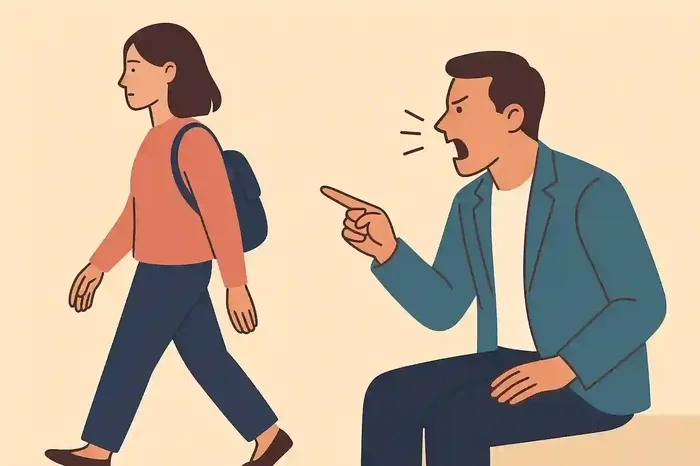
Recognizing the signs you need to remove a toxic person from your life is the first step toward healing. Toxic relationships drain your energy, damage your self-esteem, and hold you back from thriving. You deserve connections that uplift you, not ones that constantly weigh you down. This guide will help you identify red flags, set boundaries, and take action with confidence.
Some people enter your life and leave footprints on your heart. But not all footprints are warm and comforting. Some are heavy, cold, and leave you feeling lost. We all want deep connections. We want friends, partners, and family members who support us. Yet, sometimes the people closest to us cause the most pain. It is hard to admit when a relationship has turned harmful. You might hope things will get better. You might make excuses for their behavior. But deep down, you know something is off.
Spotting the signs you need to remove a toxic person from your life can feel overwhelming. You might worry about being too harsh. You might fear loneliness. You might even blame yourself for the tension. These feelings are normal. But staying in a harmful dynamic costs you more than you think. Your mental health, your peace, and your future matter. This article will walk you through the clear warning signals. You will learn how to protect your energy and make space for healthier bonds. You are not alone in this. Many people face the same struggle. The good news is that you have the power to change your situation.
Key Takeaways
- Constant exhaustion: If you feel drained after every interaction, it is a major warning sign.
- Walking on eggshells: Feeling afraid to speak your mind shows an unhealthy dynamic.
- One-sided effort: Healthy relationships require mutual care, respect, and investment.
- Disrespect of boundaries: A toxic person will ignore your limits repeatedly.
- Your self-esteem suffers: You should never feel worse about yourself after spending time together.
- Isolation from others: Toxic people often try to cut you off from friends and family.
- Trust your gut: If something feels wrong consistently, it probably is.
📑 Table of Contents
- Understanding What Makes a Person Toxic
- Sign 1: You Feel Drained After Every Interaction
- Sign 2: You Walk on Eggshells Around Them
- Sign 3: Your Boundaries Are Repeatedly Crossed
- Sign 4: The Relationship Is One-Sided
- Sign 5: Your Self-Esteem Keeps Taking a Hit
- Sign 6: You Feel Isolated From Other Supportive People
- How to Protect Yourself and Move Forward
- When to Seek Extra Support
- Comparing Healthy and Toxic Relationship Patterns
- Moving On Is an Act of Self-Respect
Understanding What Makes a Person Toxic
Before we dive into the warning signs, let us talk about what toxic really means. A toxic person is not just someone who had a bad day. We all have rough moments. A toxic pattern is different. It is a repeated behavior that harms your emotional well-being. It leaves you feeling small, confused, or constantly on guard. Toxic dynamics can show up in friendships, romantic relationships, family ties, or even at work.
The Core Traits of Toxic Behavior
Toxic people often share certain habits. They may manipulate situations to their advantage. They might guilt-trip you when you set a limit. They could dismiss your feelings or twist your words. Over time, these actions erode your trust in yourself. You start questioning your own reality. That is a heavy burden to carry.
Here are some common traits to watch for:
- Manipulation: They use guilt, fear, or flattery to control your choices.
- Lack of empathy: They show little care for how their actions affect you.
- Constant negativity: They drain the mood with complaints, criticism, or drama.
- Inconsistency: Their words and actions do not match. You never know what to expect.
- Defensiveness: They refuse to take responsibility and always blame others.
When these traits become a pattern, the relationship turns harmful. You might notice yourself shrinking to keep the peace. You might hide your true thoughts to avoid conflict. That is not a healthy way to live. Recognizing these patterns is the first step toward freedom.
Sign 1: You Feel Drained After Every Interaction
One of the clearest signs you need to remove a toxic person from your life is how you feel afterward. Do you feel tired, heavy, or anxious after spending time with them? Healthy relationships should leave you feeling refreshed, not depleted. Sure, deep conversations can be emotionally intense. But there is a big difference between meaningful connection and constant exhaustion.
Why Emotional Drain Matters
Your energy is limited. You need it for your goals, your health, and the people who truly support you. When someone constantly takes more than they give, your reserves run low. You might feel physically tired. You might also feel mentally foggy or emotionally numb. That is your body and mind telling you something is wrong.
Pay attention to your body. Do you get headaches before seeing them? Do you feel your shoulders tense up? Do you dread your phone ringing with their name on the screen? These are real signals. Your nervous system picks up on threat and stress. If someone consistently triggers that stress response, it is time to step back.
Quick Tip: Keep a simple mood log for two weeks. Note how you feel before and after interacting with this person. Patterns will become clear fast.
Sign 2: You Walk on Eggshells Around Them
Another major red flag is the feeling that you cannot be yourself. Do you carefully choose your words to avoid an outburst? Do you hide your opinions because they might disagree or get angry? Walking on eggshells is exhausting. It means you are constantly monitoring your behavior to keep the other person calm. That is not love, and it is not friendship.
The Cost of Suppressing Your True Self
When you hide your real thoughts and feelings, you lose a piece of yourself. Over time, you might forget what you actually want or believe. You might start believing that your needs do not matter. That is a dangerous place to be. A healthy relationship allows both people to speak honestly. It allows disagreement without fear of punishment or rejection.
If you feel like you must perform or please to stay safe, the dynamic is broken. You deserve space to be authentic. You deserve to express anger, sadness, or disagreement without being attacked. When someone reacts with hostility to your honest feelings, they are showing you who they are. Believe them.
Sign 3: Your Boundaries Are Repeatedly Crossed
Boundaries are the lines that protect your time, energy, and values. They tell people what is okay and what is not okay. A respectful person listens when you set a limit. A toxic person tests it, ignores it, or punishes you for it. If you find yourself repeating the same boundary over and over with no change, that is a serious warning sign.
How to Spot Boundary Violations
Boundary issues can look different in every relationship. Here are some common examples:
- They show up uninvited after you asked them not to.
- They borrow your things and return them damaged or late.
- They share your private stories with others without permission.
- They pressure you to spend time when you need rest.
- They dismiss your requests and act like your limits are unreasonable.
Each time a boundary is crossed, your trust in the relationship weakens. You might start feeling resentful. You might also start feeling guilty for having needs at all. That guilt is a trap. Your needs are valid. Your limits are valid. Someone who cares about you will respect them.
Common Mistake: Many people try to fix boundary issues by being softer or more accommodating. That usually makes things worse. Clear, calm, and consistent limits work better than endless explanations.
Sign 4: The Relationship Is One-Sided
Healthy connections are built on mutual effort. Both people reach out. Both people listen. Both people show up during hard times. When one person does all the giving while the other does all the taking, the balance breaks. You might be the one always checking in, planning visits, or offering emotional support. Meanwhile, they disappear when you need them most.
Spotting the Imbalance
It can be tricky to see the imbalance at first. You might tell yourself they are just busy. You might think they will come around. But patterns do not lie. Ask yourself these questions:
- Who initiates contact most of the time?
- Who apologizes after conflicts, even when they caused the issue?
- Who changes their schedule to accommodate the other person?
- Who feels guilty for needing space or saying no?
If the answers point to you carrying the entire load, the relationship is unhealthy. You are not a therapist, a servant, or an emotional sponge. You are a person with your own limits. A true friend or partner will meet you halfway. When they do not, you have every right to step back.
Sign 5: Your Self-Esteem Keeps Taking a Hit
Pay close attention to how you feel about yourself after spending time with this person. Do you feel less confident? Do you second-guess your choices more often? Do you hear their critical voice in your head long after they leave? These are powerful signs you need to remove a toxic person from your life. Your sense of self should not be a casualty of any relationship.
How Toxic People Damage Self-Worth
Toxic people often use subtle put-downs, comparisons, or backhanded compliments. They might say things like, “I am just being honest,” or “You are too sensitive.” Over time, these comments sink in. You start believing that you are not enough. You might apologize for things that are not your fault. You might shrink your dreams to avoid their judgment.
That is not how real love or true friendship works. People who care about you want to see you shine. They celebrate your wins. They encourage your growth. They do not make you feel like you have to earn their respect. If someone consistently makes you feel small, they are not serving your highest good. You deserve people who reflect your worth back to you.
Expert Insight: Psychologists often note that chronic criticism and emotional invalidation can reshape how we view ourselves. The good news is that distance can reverse that damage. Removing toxic influences gives your confidence room to heal.
Sign 6: You Feel Isolated From Other Supportive People
Toxic people sometimes try to control your social world. They might criticize your friends or family. They might create drama that pushes others away. They might demand all your time so you drift from other supportive connections. If you notice yourself pulling back from people you once loved, take that seriously. Isolation is a common tactic in unhealthy dynamics.
Why Isolation Is a Red Flag
When you lose your support network, you become more dependent on the toxic person. That makes it harder to leave or set limits. It also leaves you with fewer voices to remind you of your value. Healthy relationships encourage you to maintain other bonds. They do not demand to be your entire world. They respect your wider circle.
Look at your social life honestly. Have you stopped seeing people because this person made it awkward? Do you hide details of your life to avoid their judgment? Are you afraid to invite others around them? These are clear signals that something is wrong. You need a community, not a cage.
How to Protect Yourself and Move Forward
Once you recognize the signs you need to remove a toxic person from your life, the next step is action. That can feel scary. You might worry about guilt, conflict, or being alone. Those feelings are real. But your well-being comes first. You do not have to make a dramatic exit. You can take steady, thoughtful steps toward healthier space.
Start With Clear Boundaries
You do not always need a big confrontation. Sometimes you can create distance gradually. Limit your availability. Keep conversations light and brief. Decline invitations that drain you. Be consistent. If the person pushes back, stay calm and repeat your limit. You do not owe them a long explanation. Your time and energy belong to you.
Prepare for Pushback
Toxic people often resist losing control. They might guilt-trip you. They might accuse you of being selfish. They might suddenly become extra charming to pull you back in. This is called intermittent reinforcement, and it is powerful. Stay grounded. Remind yourself why you set the boundary in the first place. Write down your reasons if you need to.
Build Your Support System
Reach out to people who make you feel safe and seen. Talk to a trusted friend, a family member, or a counselor. Having outside perspective helps you stay clear when emotions run high. It also reminds you that you are not alone. If you are navigating a difficult breakup or family tension, resources like guides on how to break up with someone you live with can offer practical steps. You can also explore articles on how it is not your job to make others happy to reinforce your mindset.
Focus on Your Own Healing
Removing a toxic person creates space. What you fill that space with matters. Rest. Reconnect with hobbies you dropped. Spend time in nature. Practice saying no without over-explaining. Be gentle with yourself. Healing is not linear. Some days will feel easier than others. That is okay. Every step toward self-respect counts.
Key Takeaway: You do not need permission to protect your peace. Distance is not punishment. It is self-care.
When to Seek Extra Support
Some situations call for professional help. If the relationship involves manipulation, threats, or emotional abuse, a therapist can help you plan safely. If you feel stuck in guilt or confusion, counseling can clarify your next steps. If you are dealing with complex family dynamics, articles like how to detach from someone with borderline personality disorder may offer useful perspective. You do not have to figure everything out alone.
Support also helps when you are rebuilding your confidence. A counselor can help you spot old patterns that keep pulling you back into harmful dynamics. They can teach you tools for communication, boundary-setting, and self-compassion. Healing is faster when you have guidance. There is no shame in asking for help. It is actually a sign of strength.
Comparing Healthy and Toxic Relationship Patterns
It helps to see the difference side by side. Below is a simple comparison to clarify what healthy versus toxic dynamics look like in daily life.
| Area | Healthy Pattern | Toxic Pattern |
|---|---|---|
| Communication | Open, honest, and respectful even during disagreement. | Defensive, dismissive, or manipulative. Your voice is shut down. |
| Boundaries | Limits are respected and discussed calmly. | Limits are ignored, mocked, or punished. |
| Energy Flow | Both people give and receive support. | One person gives constantly while the other takes. |
| Self-Worth | You feel valued and encouraged to grow. | You feel criticized, compared, or diminished. |
| Conflict | Issues are addressed with care and accountability. | Blame, guilt, or silence is used to control the outcome. |
Use this table as a mirror. Ask yourself where your relationship lands on these points. You do not need perfection. But you do need basic respect, safety, and reciprocity. If those are missing, it is time to reassess.
Moving On Is an Act of Self-Respect
Letting go of a toxic person is not failure. It is courage. It is choosing yourself. It is deciding that your peace matters more than a connection that constantly breaks you. That choice can feel heavy at first. You might miss the good moments. You might wonder if you are being too harsh. But remember the bigger picture. A few good memories do not erase a pattern of harm.
You can honor what once was and still move forward. You can wish someone well from a distance. You do not have to carry their weight any longer. As you step back, you make room for relationships that feel light, honest, and mutual. You also make room for a stronger relationship with yourself. That is a gift worth protecting.
If you are still unsure what to do next, you are not alone. Many people benefit from reading practical guidance on resetting their routines and priorities, such as how to do a mid year reset for your life. Others find clarity by learning how to figure out what to do with your life when old relationships no longer fit. These resources can help you refocus on your own path.
Healing takes time. Be patient with yourself. Celebrate small wins. Every boundary you keep, every honest no you say, and every moment you choose your peace adds up. You are building a life that feels safer and more aligned. That is exactly where you deserve to be.
Frequently Asked Questions
What are the biggest signs you need to remove a toxic person from your life?
The biggest signs include feeling constantly drained, walking on eggshells, having your boundaries ignored, and noticing your self-esteem drop. If the relationship feels one-sided and you dread spending time together, it is likely time to step back.
How do I know if someone is toxic or just going through a hard time?
A hard time is usually temporary and comes with accountability and care. Toxic behavior is a repeated pattern that leaves you feeling unsafe, dismissed, or depleted. If the person refuses to change despite clear limits, the pattern is the problem.
Can I stay friends with a toxic person if I set boundaries?
Sometimes yes, if the person respects limits and the relationship improves. Often, though, toxic patterns continue even after boundaries are set. If your well-being still suffers, distance is the healthier choice.
What is the best way to remove a toxic person from your life?
Start by creating clear distance and limiting contact. Keep your communication brief and calm. Lean on supportive people and focus on your own healing. If you live together or share obligations, plan carefully and seek guidance if needed.
Why do I feel guilty after cutting off a toxic person?
Guilt is common because you care about not hurting others. Toxic dynamics also train you to put their needs above your own. Remind yourself that protecting your peace is healthy, not selfish. Your needs matter too.
How long does it take to heal after removing a toxic person?
Healing varies by person and by the depth of the relationship. Some people feel relief quickly, while others need months to rebuild confidence and trust. Consistent self-care, support, and distance usually speed up the process.
