
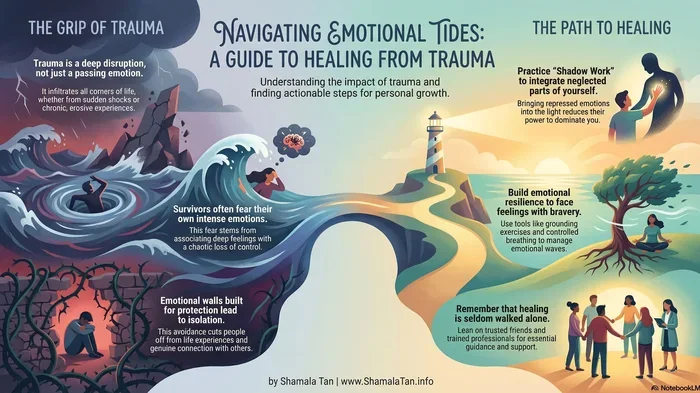
Emotional trauma often hides in plain sight, showing up as anxiety, trust issues, or emotional numbness. Recognizing the signs of emotional trauma in adults is the first step toward healing and reclaiming your peace. This guide breaks down the common symptoms, explains why they happen, and offers practical ways to start your recovery journey. You deserve support, clarity, and a life that feels safe again.
Key Takeaways
- Trauma shows up in many ways: Emotional trauma in adults often appears as anxiety, mood swings, trust issues, or physical symptoms like fatigue and headaches.
- It is not your fault: Trauma responses are normal reactions to overwhelming experiences, not personal weaknesses or character flaws.
- Childhood wounds can echo into adulthood: Unresolved early experiences often shape how you handle stress, relationships, and self-worth later in life.
- Healing is absolutely possible: With the right support, self-awareness, and consistent care, adults can process trauma and rebuild emotional safety.
- Small daily habits matter: Grounding techniques, healthy boundaries, sleep, and movement can steadily reduce trauma symptoms over time.
- Professional help speeds recovery: Therapies like EMDR, CBT, and trauma-informed counseling provide proven tools for long-term healing.
- You do not have to face it alone: Reaching out to trusted friends, support groups, or mental health professionals is a strong and healthy first step.
📑 Table of Contents
- Understanding the Signs of Emotional Trauma in Adults
- Common Emotional and Psychological Symptoms
- Physical Signs That Often Get Overlooked
- Behavioral Patterns and Relationship Challenges
- How Childhood Trauma Echoes Into Adult Life
- Healing Pathways and Practical Next Steps
- Quick Tips for Recognizing and Responding to Trauma
- Common Mistakes That Slow Healing
- Expert Insights on Recovery
- Key Takeaways
- Conclusion
Understanding the Signs of Emotional Trauma in Adults
Life throws heavy moments at all of us. Some experiences leave deep marks that do not fade with time. When stress, fear, or loss overwhelms your nervous system, your body and mind adapt to survive. Those survival patterns can stick around long after the danger has passed. That is where emotional trauma in adults often begins to show its face.
Many people think trauma only comes from big, obvious events. That is not always true. Repeated stress, emotional neglect, sudden loss, or toxic relationships can also create lasting wounds. The tricky part is that trauma does not always look dramatic. It often hides in everyday habits, quiet fears, and subtle changes in how you think and feel.
If you have been wondering why certain situations trigger strong reactions, or why you feel stuck in patterns that do not serve you, you are not alone. Recognizing the signs of emotional trauma in adults can bring clarity. It can also open the door to healing. Below, we will walk through the most common symptoms, what they mean, and what you can do about them.
Common Emotional and Psychological Symptoms
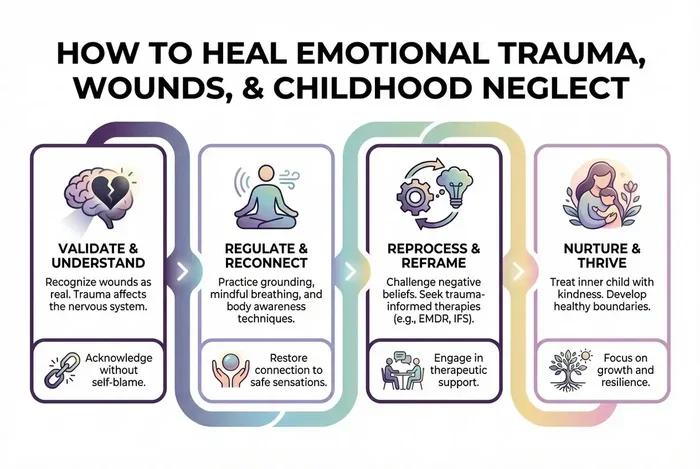
Visual guide about emotional trauma healing concept
Image source: cdn.shopify.com
Trauma lives in the mind and heart long before it shows up anywhere else. Emotional symptoms are often the first clues that something deeper needs attention. These feelings may come and go, or they may linger like a heavy cloud.
Persistent Anxiety and Hypervigilance
One of the most common signs of emotional trauma in adults is a constant sense of alertness. You may feel like something bad is always about to happen. Your mind might scan rooms for danger, read too much into small comments, or struggle to relax even in safe spaces. This hypervigilance is your nervous system trying to protect you. It is exhausting, but it makes sense when you understand where it comes from.
Emotional Numbness or Detachment
On the other end of the spectrum, some adults feel emotionally flat. You might notice that things you used to enjoy no longer bring pleasure. You may feel disconnected from your own feelings or from the people around you. Numbness is often a shield. When emotions become too painful, the mind sometimes hits the pause button. The problem is that this shield can also block joy, intimacy, and self-connection.
Mood Swings and Emotional Overreactions
Trauma can make emotions feel bigger and harder to control. A small setback might trigger sudden anger, tears, or panic. You may feel frustrated by how quickly your mood shifts. These swings do not mean you are unstable. They often mean your emotional regulation system is carrying a heavy load. Once you see that pattern, it becomes easier to treat yourself with patience instead of criticism.
Guilt, Shame, and Self-Blame
Many adults carrying trauma wrestle with deep shame. You might replay past events and blame yourself for what happened. You may feel like you should have handled things differently. Trauma often distorts self-perception. It can whisper that you are broken, behind, or somehow responsible for pain that was never yours to carry alone. Spotting this pattern is a major step toward breaking it.
Physical Signs That Often Get Overlooked

Visual guide about emotional trauma healing concept
Image source: de.healing-sounds.com
Emotional trauma does not stay purely emotional. The body keeps score, and physical symptoms often reveal what words cannot. Many adults visit doctors for recurring issues without realizing that unresolved stress may be part of the picture.
Sleep Problems and Exhaustion
Trouble falling asleep, waking up too early, or feeling tired no matter how much you rest are very common signs of emotional trauma in adults. Nightmares or restless sleep can also appear. When your nervous system stays on high alert, true rest becomes difficult. Sleep is often the first place trauma makes itself known.
Unexplained Aches, Tension, and Digestive Issues
Chronic muscle tension, headaches, stomach discomfort, and other stress-related symptoms can all be connected to trauma. Your body may hold tension in your shoulders, jaw, or back without you realizing it. Digestive issues are also closely tied to stress and emotional strain. These physical signs are real, and they deserve care, not dismissal.
Changes in Appetite and Energy
Some people lose their appetite when trauma responses flare up. Others turn to food for comfort. Energy levels can also swing wildly. You might feel wired and restless one day, then drained and heavy the next. These changes often reflect how much emotional work your system is doing behind the scenes.
Behavioral Patterns and Relationship Challenges
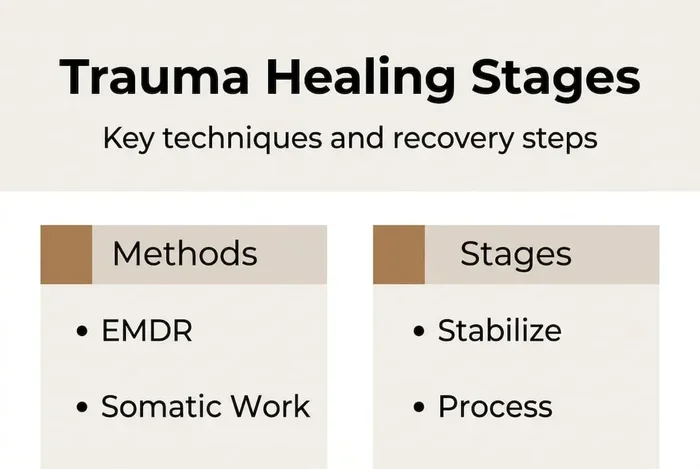
Visual guide about emotional trauma healing concept
Image source: csuxjmfbwmkxiegfpljm.supabase.co
Trauma changes how people move through the world. It can shape your habits, your boundaries, and the way you connect with others. Relationship struggles are especially common, because trauma often affects trust and safety.
Avoidance and Withdrawing From Life
Avoidance is a classic trauma response. You may steer clear of certain places, conversations, or feelings that remind you of painful experiences. At first, avoidance feels protective. Over time, it can shrink your world. You might cancel plans, procrastinate, or stay silent to keep the peace. If you notice yourself constantly avoiding discomfort, it may be worth exploring what your mind is trying to protect.
People-Pleasing and Over-Apologizing
Some adults respond to trauma by trying to keep everyone happy. You might say yes too often, apologize for things that are not your fault, or suppress your own needs to avoid conflict. This pattern often grows from a learned belief that safety depends on keeping others calm. It can leave you feeling drained and invisible. Healthy relationships require honest boundaries, not constant self-sacrifice.
Trust Issues and Fear of Vulnerability
Trust can feel risky when your past has taught you that people are unpredictable or unsafe. You may struggle to believe that others will show up for you. Intimacy might feel uncomfortable, even when you want it. These signs of emotional trauma in adults often show up in friendships, family dynamics, and romantic partnerships. Trust is not all or nothing. It can be rebuilt slowly, with consistency and care.
Emotional Outbursts or Complete Shutdown
When stress builds up, some people react outwardly with frustration or anger. Others shut down and go quiet. Both responses can happen in the same person at different times. These shifts often reflect an overwhelmed nervous system. If you recognize these patterns, it helps to view them as signals, not failures.
How Childhood Trauma Echoes Into Adult Life
Not all trauma happens in adulthood. Many adults carry wounds from earlier years that only become obvious later. Childhood experiences shape the way you learn to regulate emotions, trust others, and see yourself.
Early Wounds and Emotional Blueprints
If you grew up in an environment where love felt conditional, conflict felt dangerous, or emotions were ignored, your brain learned survival strategies early. Those strategies can become your default settings. You might have learned to stay quiet, stay perfect, stay alert, or stay independent. As an adult, those habits can feel automatic. Understanding this does not mean blaming your past. It means making sense of your present.
Attachment and Connection Styles
Early relationships often influence how you attach to others later. Some adults become overly independent and avoid asking for help. Others may become anxious and fear abandonment. Some people flip between the two. These patterns can affect dating, friendships, and family life. If you want to explore this more, you may find it helpful to read about Signs Of A Mature Man In A Relationship, especially if you are trying to understand how healthy emotional maturity shows up in daily life.
Self-Worth and Internal Pressure
Childhood experiences can also shape how you judge yourself. If you were criticized often, ignored, or made to feel like a burden, you may carry that voice into adulthood. You might push yourself too hard or feel like you have to earn rest and kindness. Building self-worth takes time, but it starts with noticing the inner script and gently challenging it. For more on this, you can explore Signs Of High Self Esteem In A Woman, which offers useful insight into how confidence and self-respect develop over time.
Healing Pathways and Practical Next Steps
Healing from trauma is not about erasing the past. It is about helping your mind and body feel safe again. Recovery is rarely linear, but it is very possible. Small steps add up. Consistent support matters. And you do not have to do everything at once.
Start With Safety and Stabilization
Before digging into painful memories, it helps to build a sense of present-day safety. That can mean creating a calming routine, reducing chaos where you can, and learning simple grounding tools. Try slow breathing, feeling your feet on the floor, naming five things you can see, or holding something warm. These small practices tell your nervous system that the current moment is not the past moment.
Name What You Are Feeling
Trauma often thrives in ambiguity. Putting feelings into words can reduce their intensity. You do not need perfect language. You can start with simple notes like “I feel tense,” “I feel unsafe,” or “I feel overwhelmed.” Journaling, voice memos, or quiet reflection can help. The goal is not to judge the feeling. The goal is to recognize it.
Build Boundaries That Protect Your Energy
Healthy boundaries are a major part of trauma recovery. You may need to limit time with draining people, say no without overexplaining, or step back from situations that trigger you. Boundaries are not cruel. They are protective. They help you preserve the energy you need to heal. If you are noticing constant tension around certain people, it may also help to look at Signs Of The Spirit Of Enmity In A Relationship, since ongoing hostility can deepen emotional strain.
Seek Trauma-Informed Professional Support
Therapy can make a huge difference. A trauma-informed counselor can help you understand your triggers, process painful experiences at a manageable pace, and build healthier coping tools. Approaches like EMDR, trauma-focused CBT, somatic therapy, and other evidence-based methods may help depending on your needs. A professional can also help you tell the difference between trauma responses and other mental health concerns.
Care for the Body Alongside the Mind
Healing works better when you support the body too. Regular sleep, gentle movement, balanced meals, hydration, and time outdoors can all help regulate stress. You do not need intense workouts or perfect habits. Consistency matters more than intensity. Even a short walk or a few stretches can help your system settle.
Practice Patience and Self-Compassion
Trauma recovery takes time. Some days will feel lighter. Other days will feel like a step backward. That does not mean you are failing. It means you are human. Self-compassion is not a luxury. It is part of the work. Try speaking to yourself the way you would speak to a friend who is hurting. Kindness creates room for change.
Quick Tips for Recognizing and Responding to Trauma
- Track your triggers: Notice what situations, words, or environments spike your stress. Patterns matter.
- Pause before reacting: A few slow breaths can create space between the trigger and your response.
- Check your body: Shoulders, jaw, stomach, and chest often hold clues about hidden stress.
- Name your needs: Ask yourself whether you need rest, distance, reassurance, or support.
- Reach out selectively: Share with people who feel safe, steady, and respectful.
- Limit re-traumatizing habits: Reduce doomscrolling, isolation, or self-blame loops when you can.
- Celebrate small wins: Healing is built from tiny steps, not giant leaps.
Common Mistakes That Slow Healing
- Assuming you should just get over it: Trauma is not a logic problem. It is a nervous system and emotional experience.
- Ignoring physical symptoms: Sleep, pain, and digestion often reflect emotional strain.
- Isolating completely: Support matters. Too much isolation can deepen shame and fear.
- Using avoidance as a long-term plan: Short-term relief can turn into long-term restriction.
- Judging yourself for your reactions: Shame usually adds weight, not relief.
- Pushing too hard too fast: Deep healing works best when it is paced gently.
Expert Insights on Recovery
Many mental health professionals emphasize that trauma responses are adaptive, not defective. Your brain and body learned ways to keep you safe. The goal is not to fight those responses forever. The goal is to update them. That means teaching your system that some triggers are no longer emergencies.
Experts also note that healing often happens in relationships. Safe, consistent connection can be deeply restorative. That does not mean you need a perfect circle of people. One or two trustworthy connections can matter a lot. If you are trying to understand how emotional safety shows up in partnerships, you may also find it useful to read Signs Your In Laws Are Jealous Of You, since family tension can sometimes add extra stress to your healing process.
Another key insight is that progress is not always dramatic. Sometimes healing looks like sleeping a little better, speaking up once, or noticing a trigger before it spirals. Those quiet victories count. They show that your system is learning new patterns.
Key Takeaways
- Trauma is real and varied: The signs of emotional trauma in adults can be emotional, physical, behavioral, and relational.
- Your responses made sense once: Hypervigilance, numbness, avoidance, and people-pleasing often began as protection.
- The body matters: Sleep, tension, appetite, and energy often reflect unresolved stress.
- Relationships can reveal patterns: Trust issues, fear of vulnerability, and boundary struggles are common clues.
- Healing is gradual: Safety, support, self-compassion, and professional care create real progress over time.
- Small habits help a lot: Grounding, rest, movement, and honest boundaries support recovery daily.
- You can rebuild: Trauma does not have to define your future. Healing is possible, even if it takes time.
Conclusion
Recognizing the signs of emotional trauma in adults is a powerful act of self-awareness. It gives you a chance to stop blaming yourself for reactions that were never about weakness. Trauma can affect your emotions, your body, your habits, and your relationships, but it does not have to stay in the driver’s seat forever.
Healing begins with understanding. From there, it grows through safety, support, and steady care. You may not be able to change everything at once, but you can start somewhere. Notice your patterns. Honor your needs. Reach out when you are ready. And remember that recovery is not about becoming someone else. It is about coming back to yourself, one gentle step at a time.
Frequently Asked Questions
What are the most common signs of emotional trauma in adults?
The most common signs of emotional trauma in adults include anxiety, emotional numbness, mood swings, sleep problems, trust issues, avoidance, and constant self-blame. These symptoms can show up subtly and may affect daily life, relationships, and physical health.
Can emotional trauma show up years after the event?
Yes, emotional trauma can surface years later, especially when new stress or reminders trigger old coping patterns. Sometimes the mind holds onto pain until the body and mind have the chance to process it safely.
How do I know if my physical symptoms are connected to trauma?
Physical symptoms like fatigue, tension, headaches, stomach issues, and sleep disruption can be linked to trauma, especially if they appear alongside emotional stress or triggers. A medical checkup is still important, but trauma can absolutely play a role in ongoing physical discomfort.
Is avoidance always a sign of emotional trauma in adults?
Avoidance is a common trauma response, but it is not always proof of trauma on its own. It becomes more meaningful when it is frequent, intense, and tied to fear, distress, or memories of painful experiences.
What helps most when healing from emotional trauma?
A combination of safety, support, and consistent self-care usually helps most. Trauma-informed therapy, grounding practices, healthy boundaries, sleep, and compassionate self-talk can all support steady healing over time.
When should I seek professional help for trauma symptoms?
You should consider professional help if your symptoms interfere with work, relationships, sleep, or daily functioning, or if you feel overwhelmed, unsafe, or stuck in recurring distress. A qualified therapist can help you understand what is happening and build a plan that fits your needs.
