

Living with a narcissist husband can leave you feeling confused, drained, and emotionally isolated. This guide breaks down the clear signs of a narcissist husband so you can recognize toxic patterns early and protect your well-being. You will learn practical steps to set boundaries, rebuild your confidence, and decide what comes next.
Love should feel safe, steady, and mutual. Yet many women find themselves walking on eggshells at home. They question their own thoughts, feel constantly drained, and wonder why simple conversations turn into battles. If this sounds familiar, you may be noticing the signs of a narcissist husband without fully understanding them yet.
A narcissistic spouse often carries a polished exterior. He may seem confident, charismatic, or deeply devoted at first. Over time, the mask slips. You notice patterns of self-focus, emotional manipulation, and a steady disregard for your needs. These behaviors rarely appear all at once. They build slowly, which makes them hard to name.
This guide walks you through the most common red flags, explains why they happen, and shows you how to protect your peace. You will learn how to separate normal relationship struggles from deeper personality patterns. You will also find practical steps to regain your footing and move forward with confidence.
Key Takeaways
- Early recognition matters: Spotting the signs of a narcissist husband early helps you avoid long-term emotional damage.
- Gaslighting is common: A narcissistic spouse often twists facts to make you doubt your own memory and feelings.
- Lack of empathy stands out: He rarely validates your emotions or shows genuine care during tough moments.
- Control hides behind charm: Many controlling husband behaviors start with love bombing and shift into manipulation.
- Boundaries protect you: Setting clear limits reduces the emotional toll of living with a self-centered partner.
- Professional support helps: Therapy and trusted friends can guide you through a toxic marriage with clarity.
- Your well-being comes first: Recognizing these patterns is the first step toward healing and making informed choices.
📑 Table of Contents
- Understanding the Signs of a Narcissist Husband
- Emotional Manipulation and Gaslighting Red Flags
- Lack of Empathy and One-Sided Emotional Support
- Control, Criticism, and the Need for Admiration
- Love Bombing, Hot and Cold Behavior, and Confusion
- How to Protect Yourself and Set Healthy Boundaries
- When to Seek Support and Consider Next Steps
Understanding the Signs of a Narcissist Husband
The term narcissist husband describes a partner who consistently places his own needs above yours. He may crave admiration, resist accountability, and struggle to see your feelings as equally important. This pattern goes beyond occasional selfishness. It becomes a repeated way of relating that leaves you feeling small, confused, or invisible.
Many people mistake confidence for narcissism. Real confidence does not require constant praise. It also does not punish others for having independent thoughts. A self-centered partner often reacts poorly to feedback, deflects blame, and expects special treatment. These traits can quietly reshape your daily life.
Why These Patterns Feel Confusing
Narcissistic behavior often arrives in waves. One day he may be warm and attentive. The next he may withdraw, criticize, or twist a simple conversation. This push-and-pull creates emotional whiplash. You start questioning your memory, your reactions, and even your worth.
The confusion grows because the behavior rarely looks abusive at first glance. It can hide inside jokes, backhanded compliments, or subtle guilt trips. You may tell yourself he is just stressed, tired, or going through a rough patch. Over time, the pattern repeats, and the weight becomes harder to ignore.
How This Differs From Ordinary Relationship Struggles
Every couple faces friction. Healthy conflict includes listening, repair, and mutual respect. A toxic marriage often features one-sided arguments, defensiveness, and a refusal to acknowledge your experience. The difference lies in consistency and accountability.
In a balanced relationship, both people adjust. In a relationship with a narcissistic spouse, the focus stays fixed on his perspective. Your concerns may get minimized, redirected, or turned back on you. That shift matters. It changes how safe you feel sharing your thoughts.
Emotional Manipulation and Gaslighting Red Flags
One of the clearest signs of a narcissist husband is emotional manipulation. This can look like guilt-tripping, silent treatment, or shifting the goalposts during disagreements. The goal is often control, not resolution. You may leave conversations feeling worse than when you started.

Visual guide about narcissistic husband ignoring wife
Image source: i.ytimg.com
Gaslighting is especially common. He may deny things he said, rewrite events, or suggest you are overreacting. These tactics can make you second-guess your judgment. Over time, you may stop trusting your own instincts. That is exactly what manipulation relies on.
Common Gaslighting Phrases to Notice
Words matter, and certain phrases show up again and again in these dynamics. You may hear variations of the following:
- “You are too sensitive.” This dismisses your feelings and shifts blame onto you.
- “That never happened.” This denies your experience and creates doubt.
- “You are imagining things.” This invalidates your perception without addressing the issue.
- “I was just joking.” This disguises hurtful comments as humor.
- “You made me do it.” This avoids responsibility and frames you as the cause.
These phrases may seem small on their own. Together, they create a pattern that erodes confidence. If you frequently feel confused after talking to your husband, pay attention to that feeling. It often signals more than ordinary miscommunication.
How Manipulation Affects Your Daily Life
Emotional manipulation can change how you move through the day. You may start editing your words to avoid conflict. You may hide small frustrations because they feel unsafe to voice. You may also apologize more often, even when you have done nothing wrong.
This constant self-monitoring is exhausting. It can affect your sleep, your focus, and your sense of peace. Many women describe feeling like they live with a controlling husband who monitors mood rather than behavior. The result is a home environment that feels tense instead of comforting.
Lack of Empathy and One-Sided Emotional Support
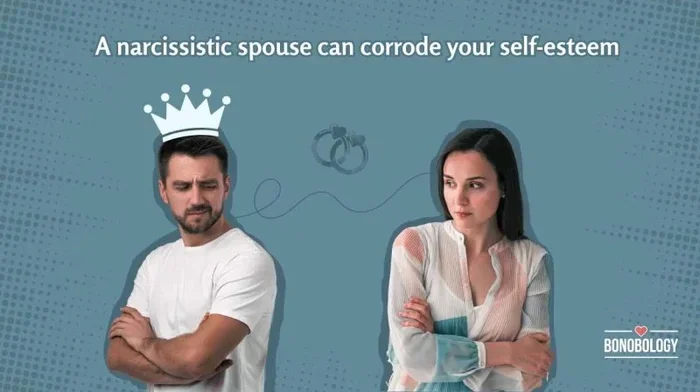
Empathy is the bridge that helps couples connect during hard moments. A narcissist husband often struggles to cross that bridge. He may acknowledge your pain intellectually, but his response feels cold, rushed, or self-referential. Your distress may quickly turn into a conversation about his day, his stress, or his opinions.
Visual guide about narcissistic husband ignoring wife
Image source: bonobology.com
This lack of empathy can feel especially painful during vulnerable times. Illness, grief, work stress, or family challenges may be met with impatience rather than care. You may feel like an audience member in your own life. Over time, this creates emotional loneliness, even while you live together.
What One-Sided Support Looks Like
Healthy support usually feels reciprocal. You listen to him, and he listens to you. In a relationship with a self-centered partner, the balance tilts. You may find yourself carrying the emotional load alone. Here are common signs:
- He changes the subject when you share difficult feelings.
- He offers quick fixes instead of listening first.
- He compares your struggles to his own to minimize them.
- He acts distracted or impatient when you need comfort.
- He expects emotional care from you but gives little in return.
These patterns can leave you feeling unseen. They also make it harder to trust the relationship during stressful seasons. A marriage should not feel like a place where your emotions disappear.
Why This Hurts So Much
Humans need emotional validation. We do not always need solutions. Often, we need to feel understood. When a partner repeatedly misses that need, the relationship starts to feel hollow. You may begin to wonder whether your feelings matter at all.
That doubt can become a heavy burden. It may even affect how you view your own reactions. You might ask yourself whether you are asking for too much. In reality, wanting empathy is not excessive. It is a basic part of intimacy.
Control, Criticism, and the Need for Admiration
Control often shows up quietly. It may begin with opinions about your clothes, your friends, or your schedule. It may grow into more direct interference. A controlling husband may frame these actions as concern, but the effect is restriction. You may feel less free to make choices without his approval.

Visual guide about narcissistic husband ignoring wife
Image source: i.pinimg.com
Criticism is another common tool. He may correct your tone, your appearance, or your decisions. The criticism may come wrapped in advice, but the underlying message is often about dominance. Over time, you may start shrinking your personality to reduce friction.
The Admiration Trap
A narcissistic spouse often wants admiration more than connection. He may enjoy being seen as successful, right, or superior. Praise may feel important to him, while your achievements receive less attention. If you receive recognition, he may downplay it or redirect the spotlight back to himself.
This need for admiration can create an uneven dynamic. You may feel pressured to validate him constantly. Meanwhile, your own wins may feel minimized. A relationship should not require you to perform endless support just to keep the peace.
Signs Control Is Growing
Control rarely arrives as a single dramatic event. It usually builds through small changes. Watch for these patterns:
- He questions your friendships without good reason.
- He monitors your phone, messages, or whereabouts.
- He makes decisions for you without asking.
- He gets angry when you disagree or set limits.
- He frames your independence as betrayal or neglect.
These behaviors can make you feel trapped, even if no one is physically locking doors. Emotional control can be just as restrictive. If you notice these patterns, it may help to read more about early signs of a controlling man so you can compare what you are seeing with wider relationship patterns.
Love Bombing, Hot and Cold Behavior, and Confusion
Many relationships with a narcissist husband begin with intense charm. He may shower you with compliments, gifts, and attention. This phase can feel magical. It can also create a strong emotional bond that makes later hurt harder to process.
Once the bond forms, the tone may shift. Warmth disappears for days or weeks. Then, just when you feel ready to pull away, he returns with kindness and apologies. This hot-and-cold rhythm keeps you off balance. It also makes the good moments feel more valuable than they really are.
Why the Cycle Is So Powerful
Intermittent reward is powerful because the brain remembers the good moments strongly. When kindness returns, you may feel relief and hope. You may believe the relationship has turned a corner. Then the cycle repeats, and hope gets postponed again.
This pattern can make it hard to leave. You may hold onto the version of him that showed up early on. That version feels real because it did exist, at least for a while. The hard part is recognizing that consistency matters more than intensity.
Questions to Ask Yourself
If you feel confused, use simple questions to ground yourself:
- Do I feel safe being honest with him?
- Does he respect my boundaries when I set them?
- Do I feel better or worse about myself around him?
- Is the kindness steady, or does it come and go?
- Am I staying because of love, or because of fear?
These questions do not solve everything. They do help you see the relationship more clearly. Clarity is often the first step toward healthier choices.
How to Protect Yourself and Set Healthy Boundaries
Recognizing the signs of a narcissist husband is only the beginning. The next step is protecting your emotional space. Boundaries are not punishments. They are limits that help you preserve your energy, dignity, and sense of self.
Boundaries may feel uncomfortable at first, especially if you are used to prioritizing his reactions. Start small. Choose one area where you need more space or clarity. Keep your message simple and calm. You do not need to debate your right to have limits.
Practical Boundary Steps
- State your limit clearly. Use direct language without over-explaining.
- Stay consistent. Repeat the boundary if it is tested.
- Expect pushback. A self-centered partner may resist limits at first.
- Protect your time. Keep space for rest, friends, and personal priorities.
- Avoid over-justifying. You do not need permission to care for yourself.
Boundaries work best when they are tied to action, not just words. For example, you may decide not to continue a conversation when he starts insulting you. You may step away, pause the discussion, and return later if it becomes respectful. This teaches him that disrespect changes the outcome.
Rebuilding Your Confidence
Living with a narcissistic spouse can chip away at self-trust. Rebuilding confidence takes time, but it is absolutely possible. Start by noticing where your voice matters. Keep a journal of your thoughts and experiences. Write down what happened, how you felt, and what you need. This helps counter gaslighting and keeps your reality clear.
Support also matters. Talk with trusted friends, family members, or a counselor who understands relationship stress. You do not have to carry this alone. If you want to strengthen your own sense of worth, you may also find it helpful to explore signs of high self-esteem in a woman as a reminder of what healthy confidence can look like.
Common Mistakes to Avoid
- Trying to win every argument. Some debates are traps, not opportunities.
- Explaining your boundaries endlessly. Clear limits do not require long speeches.
- Waiting for perfect change. Real change is consistent, not occasional.
- Isolating yourself. Connection with others protects your perspective.
- Blaming yourself for his behavior. His choices belong to him.
Avoiding these mistakes does not make the situation easy. It does, however, help you respond with more stability and less self-doubt.
When to Seek Support and Consider Next Steps
Some patterns improve with honest communication and effort. Other patterns stay fixed because they are tied to deeper personality traits. If the signs of a narcissist husband keep repeating despite your boundaries, it may be time to get outside support.
A therapist can help you sort out what is happening, strengthen your boundaries, and decide what you can tolerate. Support can also help you recover from emotional exhaustion. If you feel stuck, it may be useful to look at signs of a dying relationship to better understand whether the connection is still healthy enough to sustain.
Choosing What Comes Next
You do not need to make every decision today. Start with the next right step. That may mean setting one boundary, booking a therapy session, or having a honest conversation with someone you trust. It may also mean preparing to leave if the relationship keeps harming you.
If you are wondering whether there is a deeper personality issue at play, you can read signs you are dating a narcissist for a broader view of narcissistic patterns in romantic relationships. Understanding the bigger picture can help you make choices based on reality rather than hope alone.
A Quick Checklist for Your Next Steps
- Keep a private record of repeated behaviors.
- Name the patterns instead of minimizing them.
- Set one clear boundary and observe the response.
- Reach out to a trusted person or professional.
- Evaluate whether the relationship feels safe and reciprocal.
You deserve a marriage that feels steady, respectful, and emotionally safe. Recognizing the signs of a narcissist husband gives you back some of the clarity that manipulation steals. From there, you can choose what protects your well-being and what helps you move forward.
Frequently Asked Questions
What are the earliest signs of a narcissist husband?
The earliest signs of a narcissist husband often include excessive charm, quick blame-shifting, and a strong need for praise. You may also notice that your feelings get dismissed or that disagreements turn into defenses very fast.
How can I tell if my husband is gaslighting me?
Gaslighting often shows up when he denies things he said, claims you are overreacting, or makes you doubt your memory. If you frequently leave conversations feeling confused or responsible for things you did not do, that is a warning sign.
Is a narcissistic husband capable of real change?
Change is possible, but it usually requires deep self-awareness, accountability, and consistent effort over time. If he keeps defending himself, blaming you, or refusing to see the problem, meaningful change is less likely.
What should I do if I feel trapped in this relationship?
Start by naming what is happening and reaching out to a trusted friend, family member, or counselor. Small boundaries, outside support, and a clear view of your options can help you regain a sense of control.
Can a relationship with a narcissist husband improve?
It can improve only if both people acknowledge the pattern and work on it honestly. If the behavior stays one-sided and manipulative, the relationship may continue to drain your emotional health.
When should I consider leaving a narcissistic marriage?
You should seriously consider leaving if the relationship repeatedly harms your mental health, safety, or sense of self. If boundaries are ignored and manipulation continues, staying may cost you more than you can afford.
